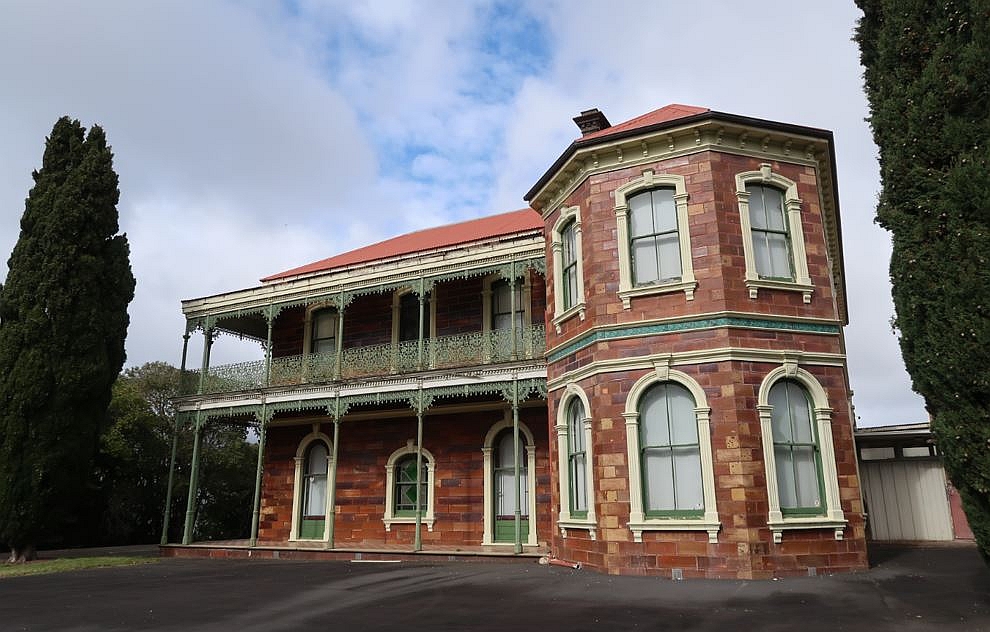
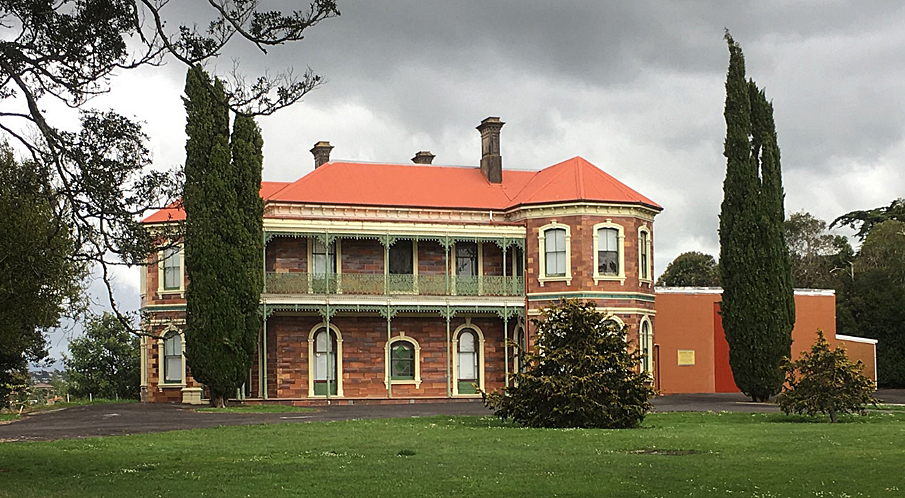
Completed in 1902, Clark House has outstanding technological and archaeological importance as the first known residence in New Zealand built of hollow ceramic blocks, an early rival to hollow concrete block construction. Created by the notable entrepreneur and businessman R.O. Clark II (1854-1905), the two-storey mansion is closely linked with the major ceramic industry at Hobsonville, and particularly the adjacent works of R.O. Clark - New Zealand’s largest earthenware pipe producer. The property has special architectural and aesthetic value as an unusually intact example of a high-status Italianate residence in the Auckland region, incorporating notable interiors and grounds. It is also significant for its connections with the Royal New Zealand Air Force (RNZAF), who occupied the site from 1950 in conjunction with Hobsonville Airbase. Clark House remains a key survivor of an important past industrial and military landscape, with historical connections to many related remnants in the area.
Onekiritea, or the Hobsonville Peninsula, is of significance to Te Kawerau a Maki, who occupied the area before European arrival. Other place names reflecting the area’s importance as an ancestral and cultural landscape include Te Waiarohia o Ngāriki, Tahingamanu and Te Taungaroa. The area was occupied for fishing and food gathering expeditions, as well as being suitable for growing kūmara. After being obtained by the Crown in 1853, the peninsula was subdivided and sold to European settlers including Rice Owen Clark (1816-1896), a well-connected English immigrant who helped transform Hobsonville into one of Auckland region’s main ceramic producers. In the 1870s, Clark purchased land at Limeburners Bay, on which he created the major pottery works known as R.O. Clark. At the turn of the century, Clark’s entrepreneurial son R.O. Clark II built an impressive family residence overlooking the works, having taken over the business in 1896. Possibly begun in the late 1890s, construction of the new dwelling was completed in 1902.
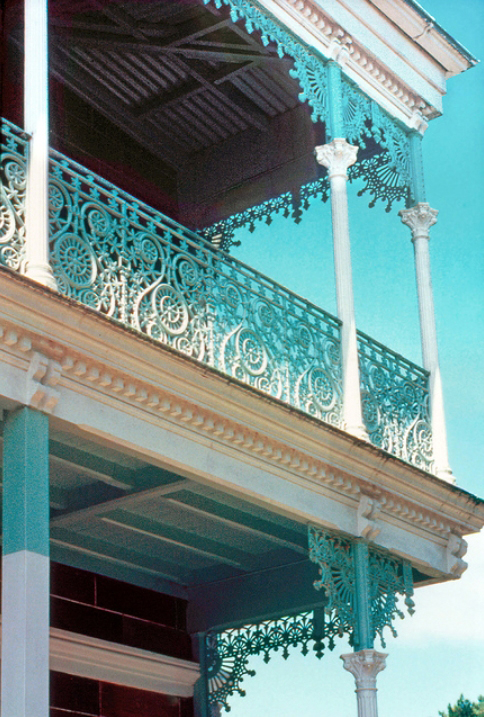
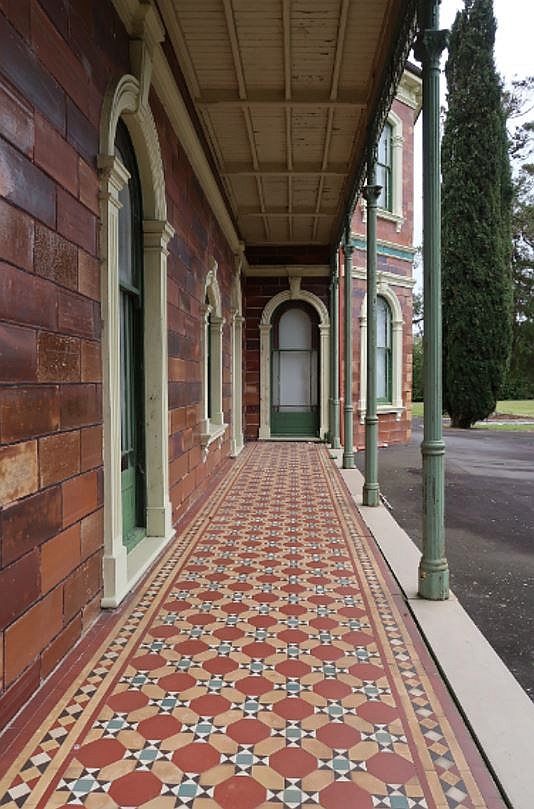
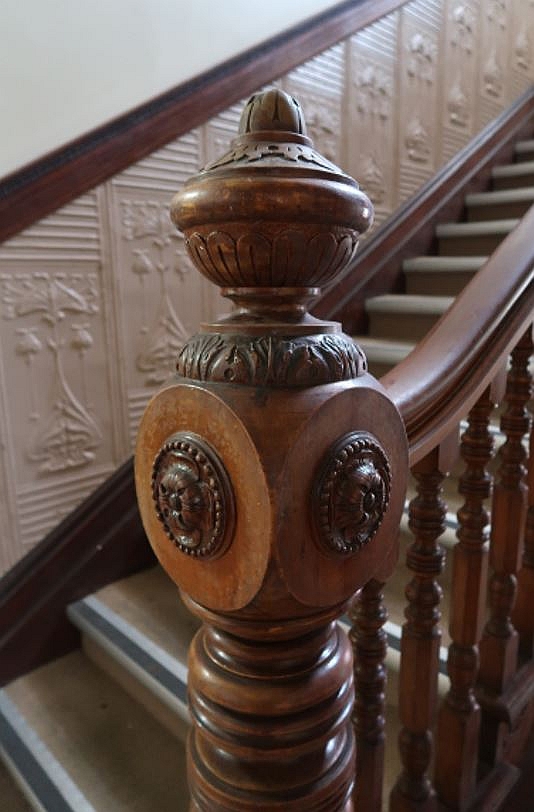
Clark House - also known as Ngaroma - is believed to have been designed by R.O. Clark II. Of ornate Italianate appearance, it formed a technological showpiece advertising the status and ambitions of its owner. Its walls and foundations featured an experimental product - glazed, hollow ceramic blocks - developed by R.O. Clark II, and later promoted to compete with emerging concrete hollow block technology as well as bricks. Likely adapted from American developments, these blocks appear to represent a rare and groundbreaking variant in Australasia for whole building construction. Other visually striking features of the residence included iron-lace verandahs, considered to be the among the finest of their type in New Zealand; a variety of internal ceilings including an elaborate example of kauri; and an array of decorative tilework. Internally, the layout contained spacious ground floor rooms; a basement; and numerous upstairs bedrooms.
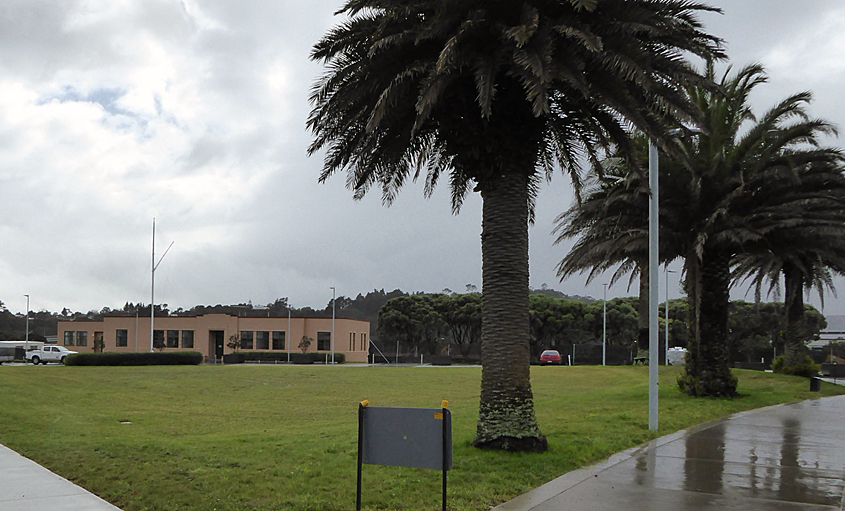
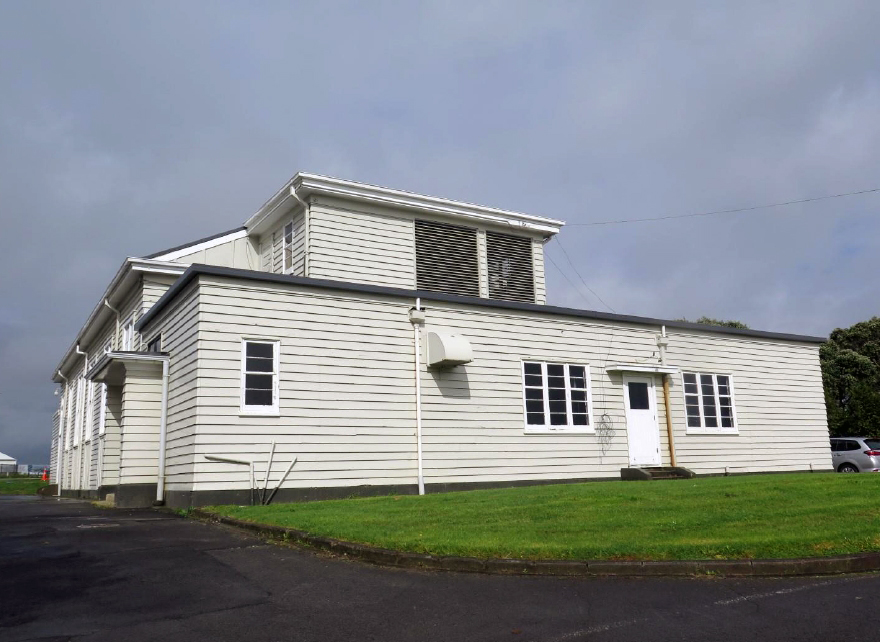
The house remained in family hands until 1950. From 1911 it was occupied by T.E. Clark (1887-1964), another major figure in the ceramics industry, who merged the business with other large firms in 1929 to create the Amalgamated Brick and Tile Company – later developing into one of New Zealand’s largest companies, Ceramco. During T.E. Clark’s tenure, the grounds were planted as separate ornamental, productive, wilderness and recreational areas, the latter also featuring several tennis courts. In the early 1950s, the RNZAF converted the elite property to a Task Force Headquarters, subsequently employing it for high-level Cold War meetings such as a South East Asian Treaty Organisation (SEATO) conference in 1955. From 1967 it housed the Aviation Medicine Unit, when a decompression chamber - the only one of its type used by the RNZAF - was installed in a new annexe. The RNZAF actively occupied the property until 2016.