Quick links


Quick links
Quick links
Quick links
Quick links
Quick links
Clark House
25-59 Clark Road, Hobsonville, AUCKLAND
Private
Historic Place Category 1
List No. 126
Quick links:
List GalleryLocationDetails
25-59 Clark Road, Hobsonville, AUCKLAND
Private
Historic Place Category 1
List No. 126
List Entry Information
Status
Listed
List Entry Status
Historic Place Category 1
Access
Private/No Public Access
List Number
126
Date Entered
28th June 1990
Date of Effect
28th June 1990
City/District Council
Auckland Council
Region
Auckland Council
Extent of List Entry
Extent includes the land described as Pt Lot 2 Parish of Waipareira (RT 348578, NZ Gazette 1951, p.1633), North Auckland Land District, and the buildings and structures known as Clark House thereon
Legal description
Pt Lot 2 Parish of Waipareira (RT 348578, NZ Gazette 1951, p.1633), North Auckland Land District
Status
Listed
List Entry Status
Historic Place Category 1
Access
Private/No Public Access
List Number
126
Date Entered
28th June 1990
Date of Effect
28th June 1990
City/District Council
Auckland Council
Region
Auckland Council
Extent of List Entry
Extent includes the land described as Pt Lot 2 Parish of Waipareira (RT 348578, NZ Gazette 1951, p.1633), North Auckland Land District, and the buildings and structures known as Clark House thereon
Legal description
Pt Lot 2 Parish of Waipareira (RT 348578, NZ Gazette 1951, p.1633), North Auckland Land District
Why is this place significant?
Historic Significance
Historical Significance or Value This historic place was registered under the Historic Places Act 1980. This report includes the text from the original Building Classification Committee report considered by the NZHPT Board at the time of registration. The house has strong links with the Clark family who were among the first settlers in the Hobsonville area. They were pioneers in the development of the ceramics industry in West Auckland, their firm eventually becoming one of New Zealand-wide significance.
Physical Significance
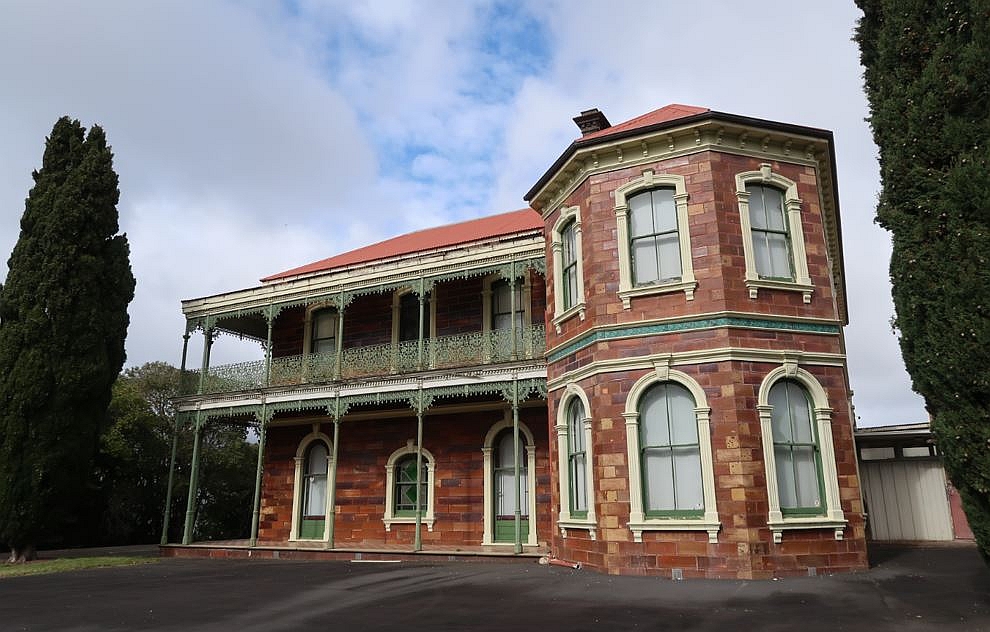
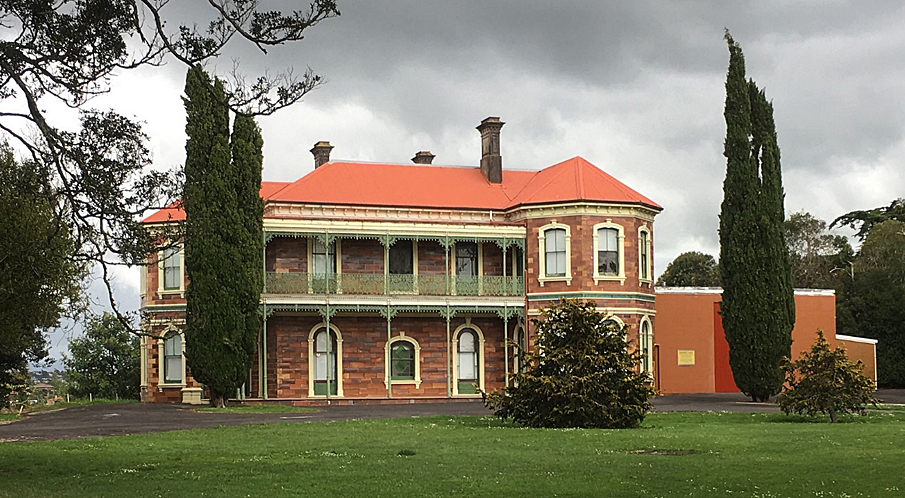
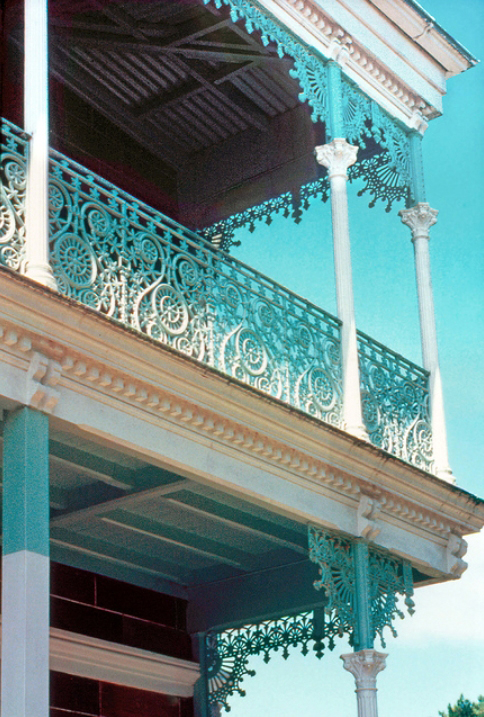
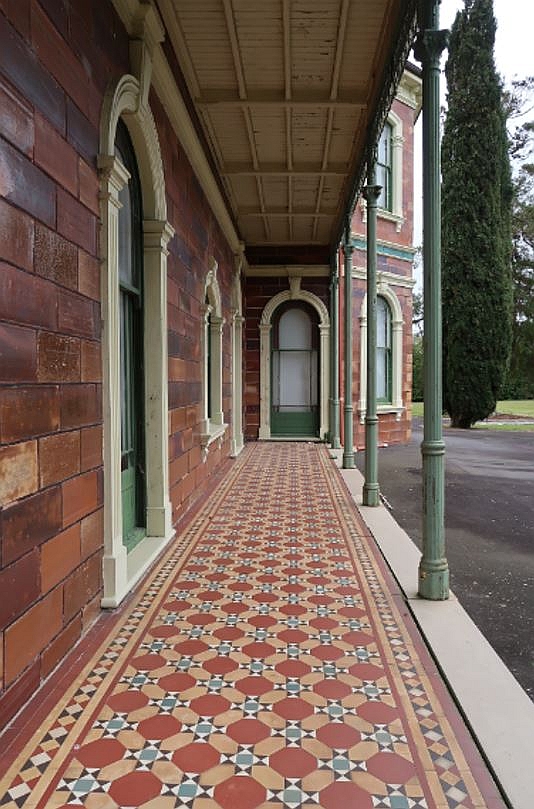
This historic place was registered under the Historic Places Act 1980. This report includes the text from the original Building Classification Committee report considered by the NZHPT Board at the time of registration. ARCHITECTURAL QUALITY: The building is a fine example of the Itallanate Villa style favoured for houses at the turn of the century. It is particularly notable for the experimental nature of its materials, developed by its owner as an alternative to brick. These ceramic blocks were marketed commercially, and a number of the buildings that utilized them can still be found in Hobsonville and further afield. Because of its role as a showpiece, no expense was spared in the building as can be seen from the decorative tilework and fine wrought iron lacework of the verandah. TOWNSCAPE/LANDMARK VALUE: Although compromised somewhat by its 1967 addition, Clark House, with its unusual cladding and imposing style, is a prominent feature of semi-rural Hobsonville.
Why is this place significant?
Historic Significance
Historical Significance or Value This historic place was registered under the Historic Places Act 1980. This report includes the text from the original Building Classification Committee report considered by the NZHPT Board at the time of registration. The house has strong links with the Clark family who were among the first settlers in the Hobsonville area. They were pioneers in the development of the ceramics industry in West Auckland, their firm eventually becoming one of New Zealand-wide significance.
Physical Significance
This historic place was registered under the Historic Places Act 1980. This report includes the text from the original Building Classification Committee report considered by the NZHPT Board at the time of registration. ARCHITECTURAL QUALITY: The building is a fine example of the Itallanate Villa style favoured for houses at the turn of the century. It is particularly notable for the experimental nature of its materials, developed by its owner as an alternative to brick. These ceramic blocks were marketed commercially, and a number of the buildings that utilized them can still be found in Hobsonville and further afield. Because of its role as a showpiece, no expense was spared in the building as can be seen from the decorative tilework and fine wrought iron lacework of the verandah. TOWNSCAPE/LANDMARK VALUE: Although compromised somewhat by its 1967 addition, Clark House, with its unusual cladding and imposing style, is a prominent feature of semi-rural Hobsonville.
Construction Professional
Name
McFarland, C.L.
Type
Builder
Biography
No biography is currently available for this construction professional
Name
Dawson, Graham
Type
Architectural Partnership
Biography
No biography is currently available for this construction professional
Name
CLARK, Rice Owen Jnr
Type
Designer
Biography
Rice Owen Clark (1816-1896) was one of the first European settlers in Hobsonville. In 1854 he purchased a block of land with the intention of farming. His land turned out to be of clay, however, and could not be farmed successfully unless it was drained. This led him to produce clay field tiles which enabled him to drain his own land, and they proved popular with other settlers in the area. From these small beginnings a successful business developed. In 1876 his son, R.O. Clark Jnr (1855?-1905) took over and expanded further. It was he who designed the house on the family land. In 1908 Clark's Potteries became R.O. Clark Limited. It was run by R.O. Clark Jnr' s two sons, Rice Owen and Thomas. Thomas is regarded as a pioneer in New Zealand clay product manufacturing. By 1930 clay supplies were exhausted in Hobsonville and the firm moved to New Lynn, amalgamating with Crown Lynn in the process, to form Ceramco, which became one of New Zealand's largest companies. Despite the firm's move to New Lynn the Clark family continued to live in the house. In 1950 however, it was taken over by the then Air Department. Since then it has been the venue for a SEATO conference in 1955, and an ANZUS conference in 1973. At present it is occupied by the Defence Environmental Medical Unit. (This text extract is from the original Building Classification Committee report for Clark House, NZHPT Paper HP200/1990, considered by the NZHPT Board at the time of registration.)
Construction Details
Start Year
1951
Type
Modification
Description
Exterior changes include: Replacement of bull nosed corrugated iron Replacement of missing cast iron post on rear verandah with 6" x 6" rimu post
Start Year
1967
Type
Modification
Description
First floor bathroom converted to men's toilet
Start Year
1967
Type
Modification
Description
Darkroom built into dining room
Type
Modification
Description
Dairy on south side of kitchens removed
Period
post-1950
Start Year
1951
Type
Modification
Description
Interior modifications associated with change in use from residence to offices; these include: Ground floor bathroom converted to men's toilet
Start Year
1951
Type
Modification
Description
Kitchen fittings and door linking it to dining room removed
Type
Other
Description
Earlier house; possible clay workings
Period
pre-1898
Start Year
1911
startYearCirca
Type
Other
Description
Landscaping of grounds and construction of tennis court(s)
Start Year
1924
startYearCirca
Type
Refurbishment/renovation
Description
Refurbishment of residence and addition of fourth tennis court
Start Year
1952
Type
Modification
Description
Alterations to residence including renewal of verandah roofing and spouting, and repair of rear porch
Start Year
1952
Type
Original Construction
Description
Flagpole
Start Year
1953
Type
Modification
Description
Alterations to main building including conversion of bathroom to lavatory and modification to upstairs and downstairs lavatories
Start Year
1953
Type
Original Construction
Description
Three-vehicle garage
Start Year
1955
Type
Modification
Description
Minor alterations to property for SEATO meeting including widening of drive and entrance at front door
Start Year
1963
Finish Year
1964
Type
Modification
Description
Corrugated iron roof cladding of residence replaced
Start Year
1967
Type
Addition
Description
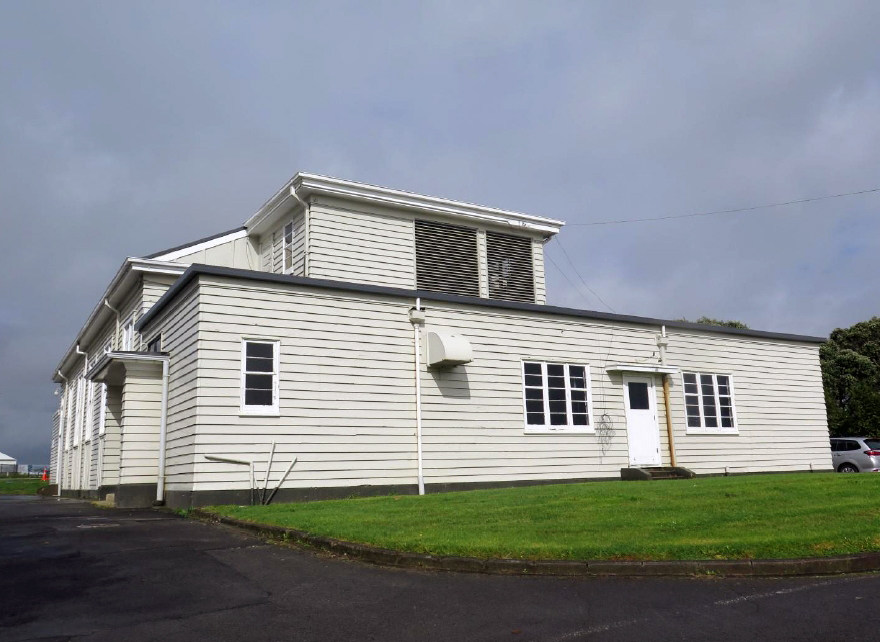
Construction of decompression chamber annex (of concrete block construction) and connecting walkway with residence
Start Year
1967
Type
Modification
Description
Alterations to main residence including gib board lining throughout; concrete floor, external wall replacement and soundproofing for plant room (former kitchen); conversion of upstairs room for dark room; repairs to verandah
Start Year
1968
Type
Original Construction
Description
Boiler Room
Start Year
1968
Type
Modification
Description
Part of garage converted into an oxygen store
Start Year
1982
Type
Addition
Description
Extension to Decompression chamber annex
Start Year
1898
startYearCirca
Finish Year
1902
Type
Original Construction
Description
Original construction of Clark House residence, and possibly associated outbuilding (demolished 1950)
Start Year
1967
Type
Modification
Description
Sewing room combined with adjacent room
Start Year
1967
Type
Modification
Description
An access to box room and small hall closed off
Start Year
1967
Type
Addition
Description
Annex added to west side of house
Construction Materials
Foundations and walls: Clark's Potteries Patent Block No 134 (a glazed ceramic block measuring 225 x 225 x 600mm, hollow, with a horizontal divider across the cavity). Floor structure: timber, probably kauri. Roof: timber trusses, corrugated iron cladding.
Notable Features
Construction technique using Clark's Potteries' patent block Wrought iron lacework of verandahs Tilework of verandahs and hallway floors Pressed metal ceilings Timber panelled ceiling of upstairs room
Construction Professional
Name
McFarland, C.L.
Type
Builder
Biography
No biography is currently available for this construction professional
Name
Dawson, Graham
Type
Architectural Partnership
Biography
No biography is currently available for this construction professional
Name
CLARK, Rice Owen Jnr
Type
Designer
Biography
Rice Owen Clark (1816-1896) was one of the first European settlers in Hobsonville. In 1854 he purchased a block of land with the intention of farming. His land turned out to be of clay, however, and could not be farmed successfully unless it was drained. This led him to produce clay field tiles which enabled him to drain his own land, and they proved popular with other settlers in the area. From these small beginnings a successful business developed. In 1876 his son, R.O. Clark Jnr (1855?-1905) took over and expanded further. It was he who designed the house on the family land. In 1908 Clark's Potteries became R.O. Clark Limited. It was run by R.O. Clark Jnr' s two sons, Rice Owen and Thomas. Thomas is regarded as a pioneer in New Zealand clay product manufacturing. By 1930 clay supplies were exhausted in Hobsonville and the firm moved to New Lynn, amalgamating with Crown Lynn in the process, to form Ceramco, which became one of New Zealand's largest companies. Despite the firm's move to New Lynn the Clark family continued to live in the house. In 1950 however, it was taken over by the then Air Department. Since then it has been the venue for a SEATO conference in 1955, and an ANZUS conference in 1973. At present it is occupied by the Defence Environmental Medical Unit. (This text extract is from the original Building Classification Committee report for Clark House, NZHPT Paper HP200/1990, considered by the NZHPT Board at the time of registration.)
Construction Details
Start Year
1951
Type
Modification
Description
Exterior changes include: Replacement of bull nosed corrugated iron Replacement of missing cast iron post on rear verandah with 6" x 6" rimu post
Start Year
1967
Type
Modification
Description
First floor bathroom converted to men's toilet
Start Year
1967
Type
Modification
Description
Darkroom built into dining room
Type
Modification
Description
Dairy on south side of kitchens removed
Period
post-1950
Start Year
1951
Type
Modification
Description
Interior modifications associated with change in use from residence to offices; these include: Ground floor bathroom converted to men's toilet
Start Year
1951
Type
Modification
Description
Kitchen fittings and door linking it to dining room removed
Type
Other
Description
Earlier house; possible clay workings
Period
pre-1898
Start Year
1911
startYearCirca
Type
Other
Description
Landscaping of grounds and construction of tennis court(s)
Start Year
1924
startYearCirca
Type
Refurbishment/renovation
Description
Refurbishment of residence and addition of fourth tennis court
Start Year
1952
Type
Modification
Description
Alterations to residence including renewal of verandah roofing and spouting, and repair of rear porch
Start Year
1952
Type
Original Construction
Description
Flagpole
Start Year
1953
Type
Modification
Description
Alterations to main building including conversion of bathroom to lavatory and modification to upstairs and downstairs lavatories
Start Year
1953
Type
Original Construction
Description
Three-vehicle garage
Start Year
1955
Type
Modification
Description
Minor alterations to property for SEATO meeting including widening of drive and entrance at front door
Start Year
1963
Finish Year
1964
Type
Modification
Description
Corrugated iron roof cladding of residence replaced
Start Year
1967
Type
Addition
Description
Construction of decompression chamber annex (of concrete block construction) and connecting walkway with residence
Start Year
1967
Type
Modification
Description
Alterations to main residence including gib board lining throughout; concrete floor, external wall replacement and soundproofing for plant room (former kitchen); conversion of upstairs room for dark room; repairs to verandah
Start Year
1968
Type
Original Construction
Description
Boiler Room
Start Year
1968
Type
Modification
Description
Part of garage converted into an oxygen store
Start Year
1982
Type
Addition
Description
Extension to Decompression chamber annex
Start Year
1898
startYearCirca
Finish Year
1902
Type
Original Construction
Description
Original construction of Clark House residence, and possibly associated outbuilding (demolished 1950)
Start Year
1967
Type
Modification
Description
Sewing room combined with adjacent room
Start Year
1967
Type
Modification
Description
An access to box room and small hall closed off
Start Year
1967
Type
Addition
Description
Annex added to west side of house
Construction Materials
Foundations and walls: Clark's Potteries Patent Block No 134 (a glazed ceramic block measuring 225 x 225 x 600mm, hollow, with a horizontal divider across the cavity). Floor structure: timber, probably kauri. Roof: timber trusses, corrugated iron cladding.
Notable Features
Construction technique using Clark's Potteries' patent block Wrought iron lacework of verandahs Tilework of verandahs and hallway floors Pressed metal ceilings Timber panelled ceiling of upstairs room
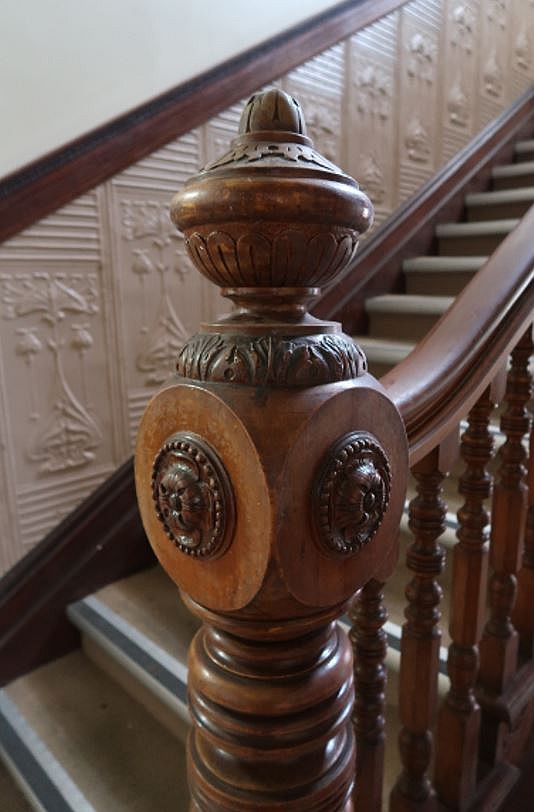
This historic place was registered under the Historic Places Act 1980. This report includes the text from the original Building Classification Committee report considered by the NZHPT Board at the time of registration. ARCHITECTURAL DESCRIPTION Clark House is a two storeyed bay villa in an Italianate style. It is 'L' shaped in plan with a hipped roof, and has verandahs running along two sides on both storeys. The ground floor has round arched, sash windows, some of which open up from the floor and are known as "Melbourne lights". First floor windows have segmental arches. The verandahs are adorned by cast iron lacework balustrades, valences and brackets, supported by iron columns. Tilework is an important part of the house's decoration. A band of tiles containing a floral pattern, and made by Clark's own pottery, runs around the house at first floor level. The verandah and hall floors are composed of tiles laid in a mosaic pattern. Many features of the fine interior decoration still remain. A carved, panelled vestibule with stained glass windows opens into the main hallway with its hand painted, pressed metal ceiling and papier mache dado panels of Art Nouveau design. Other rooms also contain pressed metal ceilings, and three still have their original Italianate fireplaces. The upstairs guest room has a fine timber panelled ceiling.
This historic place was registered under the Historic Places Act 1980. This report includes the text from the original Building Classification Committee report considered by the NZHPT Board at the time of registration. ARCHITECTURAL DESCRIPTION Clark House is a two storeyed bay villa in an Italianate style. It is 'L' shaped in plan with a hipped roof, and has verandahs running along two sides on both storeys. The ground floor has round arched, sash windows, some of which open up from the floor and are known as "Melbourne lights". First floor windows have segmental arches. The verandahs are adorned by cast iron lacework balustrades, valences and brackets, supported by iron columns. Tilework is an important part of the house's decoration. A band of tiles containing a floral pattern, and made by Clark's own pottery, runs around the house at first floor level. The verandah and hall floors are composed of tiles laid in a mosaic pattern. Many features of the fine interior decoration still remain. A carved, panelled vestibule with stained glass windows opens into the main hallway with its hand painted, pressed metal ceiling and papier mache dado panels of Art Nouveau design. Other rooms also contain pressed metal ceilings, and three still have their original Italianate fireplaces. The upstairs guest room has a fine timber panelled ceiling.
Historical and Associated Iwi / Hapū / Whānau
Completion Date
21st June 2021
Report Written By
Martin Jones
Information Sources
Western Leader
Western Leader
New Zealand Gazette
New Zealand Gazette
New Zealand Herald
New Zealand Herald, 12 July 1932, p. 6; 28 September 1933, p. 6.
Salmond, 1986
Jeremy Salmond, Old New Zealand Houses 1800-1940, Auckland, 1986, Reed Methuen
Scott, 1979
Dick Scott, Fire on the Clay: The Pakeha Comes to West Auckland, Auckland, 1979
Scott, 1979
Dick Scott, Fire on the Clay: The Pakeha Comes to West Auckland, Auckland, 1979
Fletcher, 1948
B. Fletcher, A History of Architecture on the Comparative Method, London 1948
Adam, 2018
Adam, John P., ‘25-59 Clark Road, Hobsonville: Landscape Assessment’, Auckland, Jun 2018.
Macready, 2018
Macready, S. and R. Clough, ‘Clark House Grounds, 25-59 Clark Road, Hobsonville: Archaeological Assessment’, Auckland, Jun 2018.
Miller, 1989
Miller, Athol, The Clark Family History: The Descendants of Josiah Clark and Ann (nee Rose) Clark of Great Marlow, Buckinghamshire, England, Wellington, 1989.
Salmond Reed Architects, 2006
Salmond Reed Architects, ‘RNZAF Heritage Management Plan: Clark Homestead’, Auckland, 2006.
Salmond Reed Architects, 2018
Salmond Reed Architects, ‘Clark House, 25-59 Clark Road, Hobsonville: Heritage Impact Assessment’, Auckland, Jul 2018.
Other Information
A copy of this report is available from the Mid Northern Area Office. Please note that entry on the New Zealand Heritage List/Rarangi Korero identifies only the heritage values of the property concerned, and should not be construed as advice on the state of the property, or as a comment of its soundness or safety, including in regard to earthquake risk, safety in the event of fire, or insanitary conditions.
Historical and Associated Iwi / Hapū / Whānau
Completion Date
21st June 2021
Report Written By
Martin Jones
Information Sources
Western Leader
Western Leader
New Zealand Gazette
New Zealand Gazette
New Zealand Herald
New Zealand Herald, 12 July 1932, p. 6; 28 September 1933, p. 6.
Salmond, 1986
Jeremy Salmond, Old New Zealand Houses 1800-1940, Auckland, 1986, Reed Methuen
Scott, 1979
Dick Scott, Fire on the Clay: The Pakeha Comes to West Auckland, Auckland, 1979
Scott, 1979
Dick Scott, Fire on the Clay: The Pakeha Comes to West Auckland, Auckland, 1979
Fletcher, 1948
B. Fletcher, A History of Architecture on the Comparative Method, London 1948
Adam, 2018
Adam, John P., ‘25-59 Clark Road, Hobsonville: Landscape Assessment’, Auckland, Jun 2018.
Macready, 2018
Macready, S. and R. Clough, ‘Clark House Grounds, 25-59 Clark Road, Hobsonville: Archaeological Assessment’, Auckland, Jun 2018.
Miller, 1989
Miller, Athol, The Clark Family History: The Descendants of Josiah Clark and Ann (nee Rose) Clark of Great Marlow, Buckinghamshire, England, Wellington, 1989.
Salmond Reed Architects, 2006
Salmond Reed Architects, ‘RNZAF Heritage Management Plan: Clark Homestead’, Auckland, 2006.
Salmond Reed Architects, 2018
Salmond Reed Architects, ‘Clark House, 25-59 Clark Road, Hobsonville: Heritage Impact Assessment’, Auckland, Jul 2018.
Other Information
A copy of this report is available from the Mid Northern Area Office. Please note that entry on the New Zealand Heritage List/Rarangi Korero identifies only the heritage values of the property concerned, and should not be construed as advice on the state of the property, or as a comment of its soundness or safety, including in regard to earthquake risk, safety in the event of fire, or insanitary conditions.
Former Usages
General Usage: Accommodation
Specific Usage: House
General Usage: Defence
Specific Usage: Defence - other
Former Usages
General Usage: Accommodation
Specific Usage: House
General Usage: Defence
Specific Usage: Defence - other
Location
Get the latest heritage news, features and events delivered
straight to your inbox.
