Quick links


Quick links
Quick links
Quick links
Quick links
Quick links
School of Mines Buildings
101 Cochrane Street, Brown Street and Davey Street, THAMES
Public
Historic Place Category 1
List No. 132
Quick links:
List GalleryLocationDetails
101 Cochrane Street, Brown Street and Davey Street, THAMES
Public
Historic Place Category 1
List No. 132
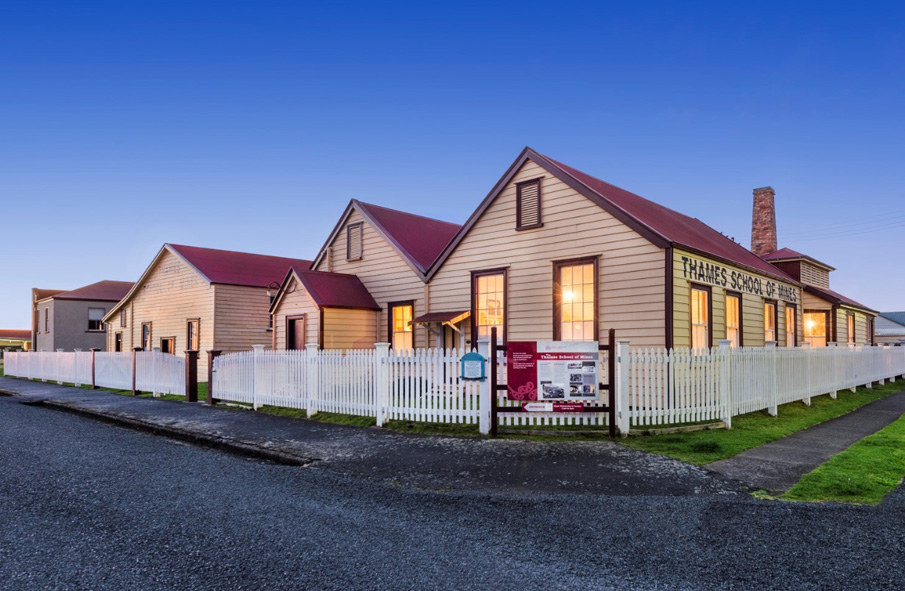
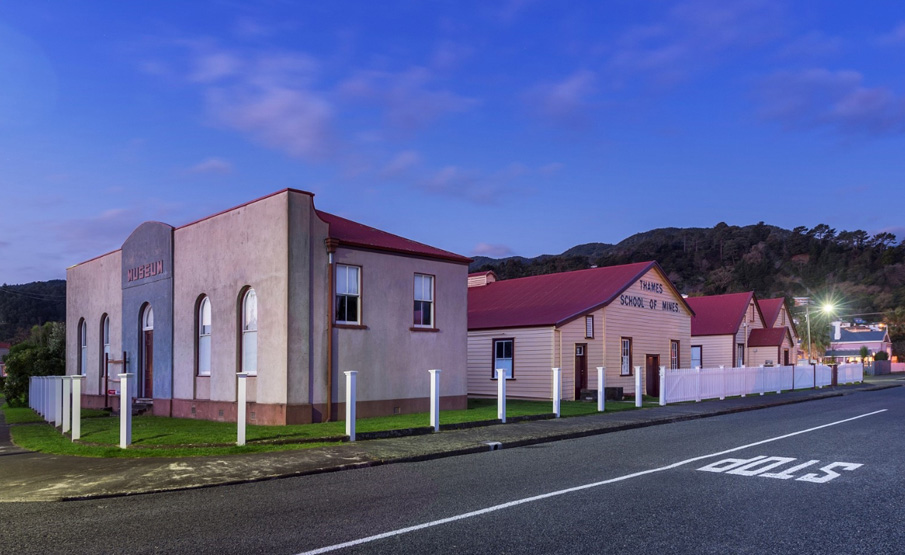
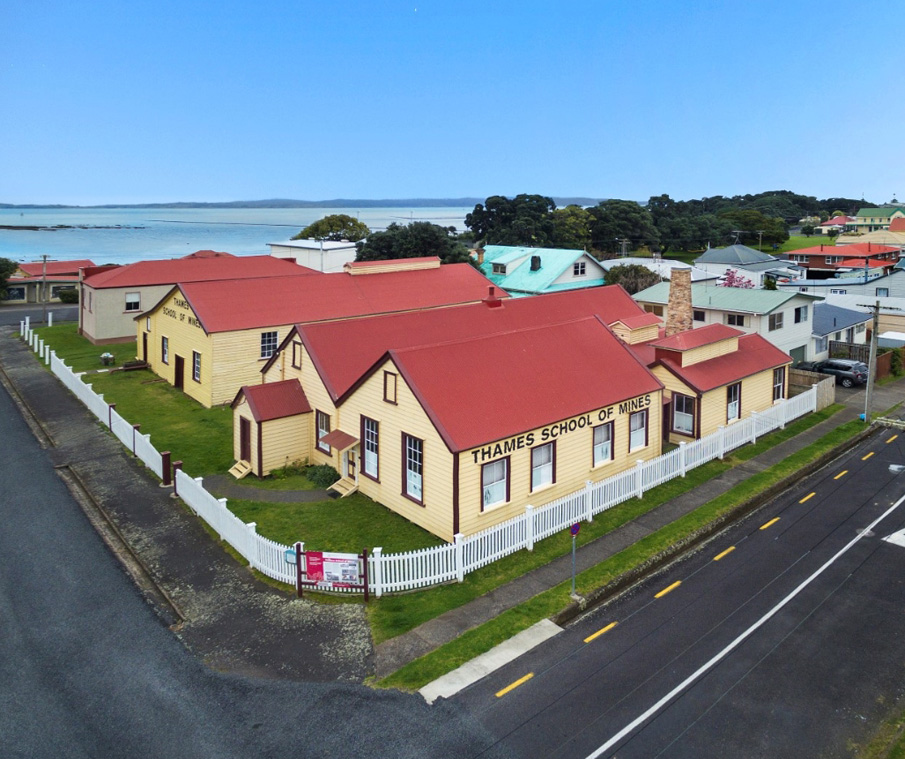
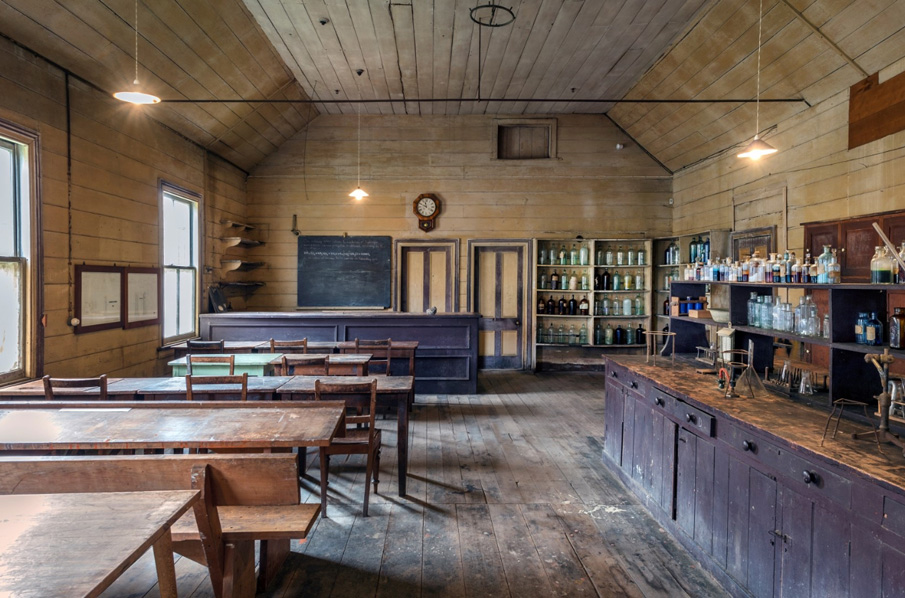
List Entry Information
Status
Listed
List Entry Status
Historic Place Category 1
Access
Able to Visit
List Number
132
Date Entered
22nd November 1984
Date of Effect
22nd November 1984
City/District Council
Thames-Coromandel District
Region
Waikato Region
Legal description
Lot 1 DP 32748 (RT SA1009/242), South Auckland Land District
Status
Listed
List Entry Status
Historic Place Category 1
Access
Able to Visit
List Number
132
Date Entered
22nd November 1984
Date of Effect
22nd November 1984
City/District Council
Thames-Coromandel District
Region
Waikato Region
Legal description
Lot 1 DP 32748 (RT SA1009/242), South Auckland Land District
Construction Professional
Name
Price, Alfred & George
Type
Engineer
Biography
Brothers Alfred (1835-1907) and George (1843-1917) Price were born in Stroud, England, and served apprenticeships as patternmakers at the Dudbridge Works in Rodborough. Alfred emigrated to Auckland in 1863, and George in 1867. Early in 1868 they set up business as engineers at Onehunga. Their first well-known design was for a machine to strip fibre from flax leaves. This machine was employed in most parts of the country. Increased demand for the Prices' products resulted in the establishment of a large new foundry, erected under their personal direction by their own carpenters, on an acre of land near the wharf at the port of Queen Street, Onehunga, in 1870. In 1872 they secured a contract from the Public Works Department to build rolling stock for the North Island Railway. In later years the company became well-known as the producers of locomotive engines for New Zealand Railways and other industries. Realising the potential of the Thames goldfield where crushers, boilers and other machinery were in demand, the firm moved to Grahamstown (Thames) in 1871. It is likely that the Thames foundry was erected once again by the firm's carpenters under the personal direction of the Price brothers. In Thames the firm was also well placed to serve the local sawmilling industry. Prices' achievements as engineers were diverse. In 1884 they acquired the New Zealand manufacturing rights to the Pelton wheel, and built the first triple expansion engine in New Zealand from their own design and specifications. They also built engines and boilers for several coastal steamers and even ventured into shipbuilding themselves. In 1883 A. & G. Price bought the Prince Imperial Mine. However, the company's biggest contribution to gold mining was the building of stamper batteries, pumps and mining machinery for various goldmining companies. The 100 head battery erected for the Waihi Goldmining Company at Waikino in 1896 was probably the largest. Prices also manufactured 10 Lancashire boilers for the Big Pump at the Queen of Beauty Shaft (Thames-Hauraki Goldfields Company) in 1897, considered at that time to be the largest pump in the southern hemisphere. Both Alfred and George Price were active in local body and community affairs, being members of the Harbour Board and the Thames Scottish Volunteers. Both men served as Thames Borough Councillors and were respectively, fire inspector and superintendent of the Thames Fire Brigade.
Name
Ginn, G.L.
Type
Builder
Biography
No biography is currently available for this construction professional
Name
McAndrew, J.
Type
Builder
Biography
No biography is currently available for this construction professional
Name
Mahony, D.
Type
Architect
Biography
No biography is currently available for this construction professional
Name
Twentyman, Robert
Type
Builder
Biography
No biography is currently available for this construction professional
Name
Lovatt & Lovatt
Type
Builder
Biography
No biography is currently available for this construction professional
Construction Details
Type
Other
Description
Site of urupa
Period
pre-1868
Start Year
1869
Type
Original Construction
Description
Construction of Wesleyan buildings, including Church and Sunday School
Start Year
1870
Type
Relocation
Description
Sunday School relocated to current position on site and lengthened
Start Year
1885
Type
Relocation
Description
Removal of Wesleyan Church from site
Start Year
1886
Type
Addition
Description
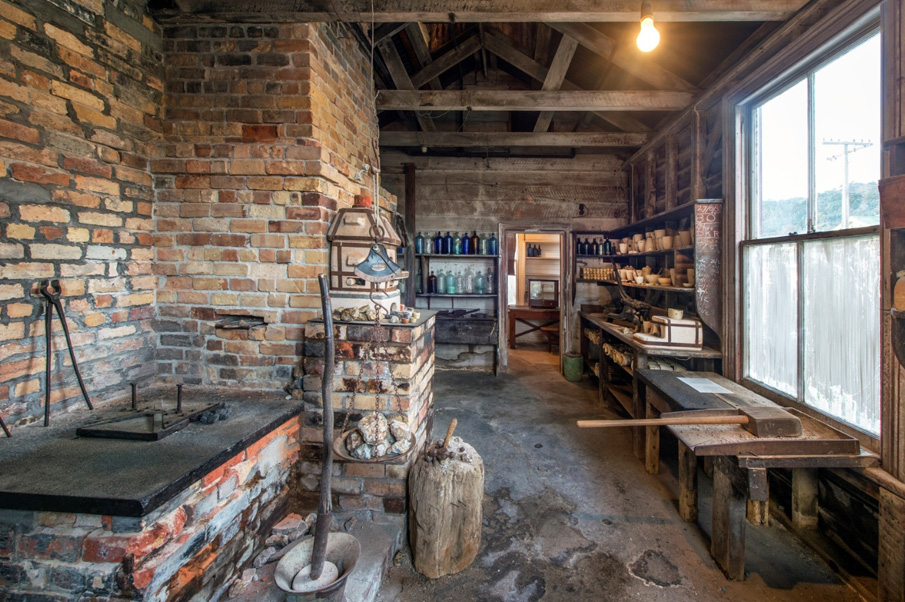
Construction of brick smelting house (builder: G.L. Ginn) and modification of Wesleyan schoolroom for use as School of Mines lecture room
Start Year
1888
Type
Addition
Description
Experimental Metallurgical Works building (builder: J. McAndrew; engineer: A. & G. Price)
Start Year
1890
Type
Modification
Description
Repair of lecture room after extensive fire
Start Year
1894
Type
Modification
Description
Cyanide treatment plant added to Experimental Works building (engineer: A. & G. Price)
Start Year
1895
Type
Addition
Description
Classroom and library added (builder: R. & W. Twentyman)
Start Year
1898
Type
Addition
Description
Assay house built (architect: D. Mahony; builder: R. Twentyman)
Start Year
1899
Type
Addition
Description
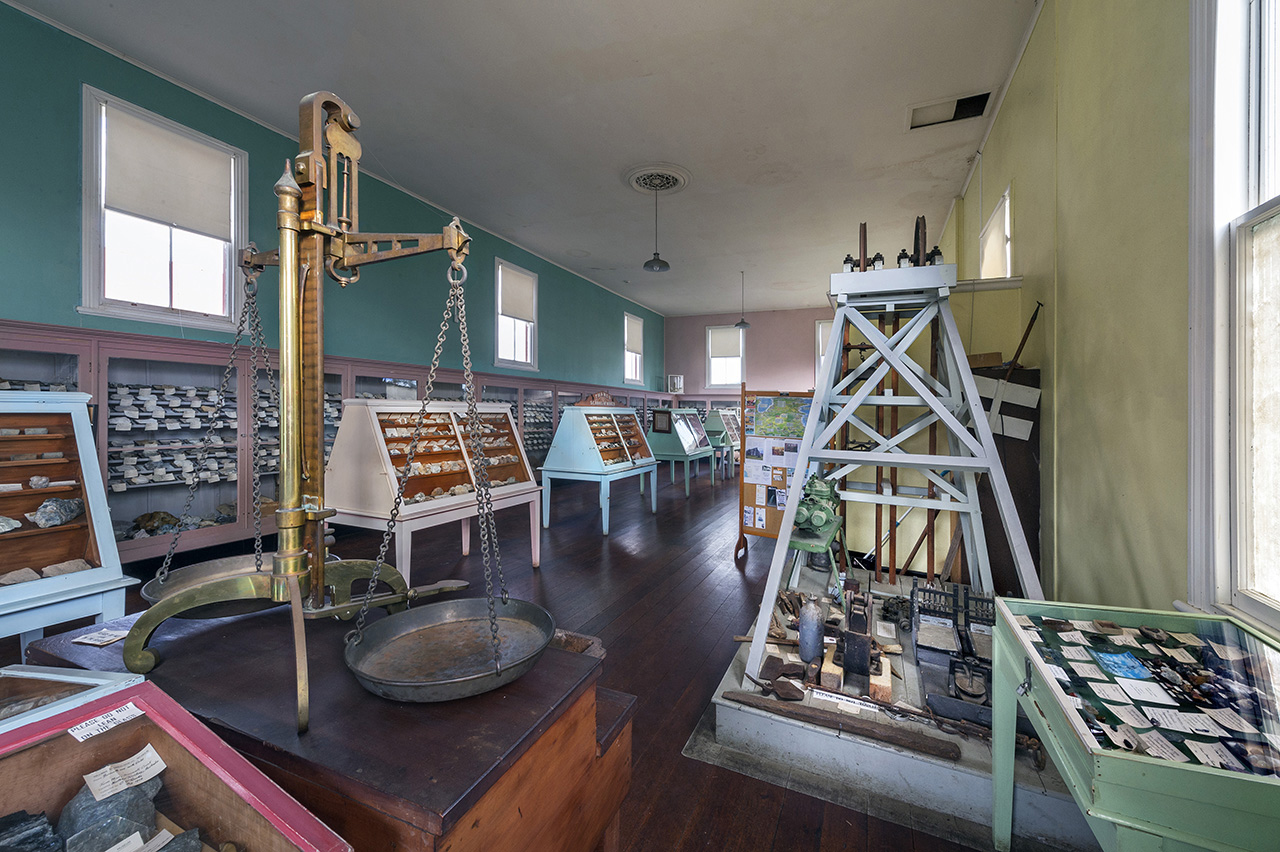
Mineralogical museum (builder: Lovatt & Lovatt), office and chemical store
Start Year
1901
Type
Addition
Description
Electrical power house and workshop (builder: R. Twentyman)
Start Year
1916
Type
Addition
Description
Electrical laboratory
Start Year
1936
Finish Year
1937
Type
Addition
Description
Ball mill and three-head stamper
Start Year
1955
Finish Year
1956
Type
Modification
Description
Judd mills replace 3 stampers
Notable Features
Registration covers all structures within the title boundary, their fixtures and finishes. It also includes recent modifications. The structures are associated with buried nineteenth century and earlier deposits, including a Maori urupa.
Construction Professional
Name
Price, Alfred & George
Type
Engineer
Biography
Brothers Alfred (1835-1907) and George (1843-1917) Price were born in Stroud, England, and served apprenticeships as patternmakers at the Dudbridge Works in Rodborough. Alfred emigrated to Auckland in 1863, and George in 1867. Early in 1868 they set up business as engineers at Onehunga. Their first well-known design was for a machine to strip fibre from flax leaves. This machine was employed in most parts of the country. Increased demand for the Prices' products resulted in the establishment of a large new foundry, erected under their personal direction by their own carpenters, on an acre of land near the wharf at the port of Queen Street, Onehunga, in 1870. In 1872 they secured a contract from the Public Works Department to build rolling stock for the North Island Railway. In later years the company became well-known as the producers of locomotive engines for New Zealand Railways and other industries. Realising the potential of the Thames goldfield where crushers, boilers and other machinery were in demand, the firm moved to Grahamstown (Thames) in 1871. It is likely that the Thames foundry was erected once again by the firm's carpenters under the personal direction of the Price brothers. In Thames the firm was also well placed to serve the local sawmilling industry. Prices' achievements as engineers were diverse. In 1884 they acquired the New Zealand manufacturing rights to the Pelton wheel, and built the first triple expansion engine in New Zealand from their own design and specifications. They also built engines and boilers for several coastal steamers and even ventured into shipbuilding themselves. In 1883 A. & G. Price bought the Prince Imperial Mine. However, the company's biggest contribution to gold mining was the building of stamper batteries, pumps and mining machinery for various goldmining companies. The 100 head battery erected for the Waihi Goldmining Company at Waikino in 1896 was probably the largest. Prices also manufactured 10 Lancashire boilers for the Big Pump at the Queen of Beauty Shaft (Thames-Hauraki Goldfields Company) in 1897, considered at that time to be the largest pump in the southern hemisphere. Both Alfred and George Price were active in local body and community affairs, being members of the Harbour Board and the Thames Scottish Volunteers. Both men served as Thames Borough Councillors and were respectively, fire inspector and superintendent of the Thames Fire Brigade.
Name
Ginn, G.L.
Type
Builder
Biography
No biography is currently available for this construction professional
Name
McAndrew, J.
Type
Builder
Biography
No biography is currently available for this construction professional
Name
Mahony, D.
Type
Architect
Biography
No biography is currently available for this construction professional
Name
Twentyman, Robert
Type
Builder
Biography
No biography is currently available for this construction professional
Name
Lovatt & Lovatt
Type
Builder
Biography
No biography is currently available for this construction professional
Construction Details
Type
Other
Description
Site of urupa
Period
pre-1868
Start Year
1869
Type
Original Construction
Description
Construction of Wesleyan buildings, including Church and Sunday School
Start Year
1870
Type
Relocation
Description
Sunday School relocated to current position on site and lengthened
Start Year
1885
Type
Relocation
Description
Removal of Wesleyan Church from site
Start Year
1886
Type
Addition
Description
Construction of brick smelting house (builder: G.L. Ginn) and modification of Wesleyan schoolroom for use as School of Mines lecture room
Start Year
1888
Type
Addition
Description
Experimental Metallurgical Works building (builder: J. McAndrew; engineer: A. & G. Price)
Start Year
1890
Type
Modification
Description
Repair of lecture room after extensive fire
Start Year
1894
Type
Modification
Description
Cyanide treatment plant added to Experimental Works building (engineer: A. & G. Price)
Start Year
1895
Type
Addition
Description
Classroom and library added (builder: R. & W. Twentyman)
Start Year
1898
Type
Addition
Description
Assay house built (architect: D. Mahony; builder: R. Twentyman)
Start Year
1899
Type
Addition
Description
Mineralogical museum (builder: Lovatt & Lovatt), office and chemical store
Start Year
1901
Type
Addition
Description
Electrical power house and workshop (builder: R. Twentyman)
Start Year
1916
Type
Addition
Description
Electrical laboratory
Start Year
1936
Finish Year
1937
Type
Addition
Description
Ball mill and three-head stamper
Start Year
1955
Finish Year
1956
Type
Modification
Description
Judd mills replace 3 stampers
Notable Features
Registration covers all structures within the title boundary, their fixtures and finishes. It also includes recent modifications. The structures are associated with buried nineteenth century and earlier deposits, including a Maori urupa.
Historical and Associated Iwi / Hapū / Whānau
Iwi: Ngāti Maru (Hauraki)
Hapu: Ngāti Pū
Completion Date
27th June 2007
Report Written By
Martin Jones
Information Sources
Mace, 2002
Tania Mace, 'Thames School of Mines and Mineralogical Museum, Historical Research Report: Part II', Auckland, 2002 (held by NZHPT, Tauranga)
McEnteer, 1993
John McEnteer and Taimoana Turoa, 'Nga Taonga o Te Kauaeranga/Maori Heritage of Thames', Thames, 1993 (held by NZHPT, Auckland)
Thames School of Mines, 1901
Thames School of Mines, 'Thames School of Mines: Syllabus of Lectures and Instruction', Wellington, 1901
Thornton, 1982
Geoffrey G. Thornton, New Zealand's Industrial Heritage, A.H. & A.W. Reed, Wellington, 1982
Other Information
This place was identified as significant under previous legislation with different information requirements. It remains significant under the current legislation. There is opportunity under our legislation and policies to add to this information. Further information about this place may be available from the Northern Regional Office of Heritage New Zealand Pouhere Taonga. Please note that entry on the New Zealand Heritage List/Rarangi Korero identifies only the heritage values of the property concerned, and should not be construed as advice on the state of the property, or as a comment of its soundness or safety, including in regard to earthquake risk, safety in the event of fire, or insanitary conditions.
Historical and Associated Iwi / Hapū / Whānau
Iwi: Ngāti Maru (Hauraki)
Hapu: Ngāti Pū
Completion Date
27th June 2007
Report Written By
Martin Jones
Information Sources
Mace, 2002
Tania Mace, 'Thames School of Mines and Mineralogical Museum, Historical Research Report: Part II', Auckland, 2002 (held by NZHPT, Tauranga)
McEnteer, 1993
John McEnteer and Taimoana Turoa, 'Nga Taonga o Te Kauaeranga/Maori Heritage of Thames', Thames, 1993 (held by NZHPT, Auckland)
Thames School of Mines, 1901
Thames School of Mines, 'Thames School of Mines: Syllabus of Lectures and Instruction', Wellington, 1901
Thornton, 1982
Geoffrey G. Thornton, New Zealand's Industrial Heritage, A.H. & A.W. Reed, Wellington, 1982
Other Information
This place was identified as significant under previous legislation with different information requirements. It remains significant under the current legislation. There is opportunity under our legislation and policies to add to this information. Further information about this place may be available from the Northern Regional Office of Heritage New Zealand Pouhere Taonga. Please note that entry on the New Zealand Heritage List/Rarangi Korero identifies only the heritage values of the property concerned, and should not be construed as advice on the state of the property, or as a comment of its soundness or safety, including in regard to earthquake risk, safety in the event of fire, or insanitary conditions.
Current Usages
Uses: Civic Facilities
Specific Usage: Historic Property
Former Usages
General Usage: Funerary Sites
Specific Usage: Cemetery/Graveyard/Burial Ground
General Usage: Maori
Specific Usage: Taonga burial site
General Usage: Maori
Specific Usage: Urupā
General Usage: Religion
Specific Usage: Church Hall/Sunday School
Web Links
description: Heritage New Zealand website Places to Visit
url: http://www.heritage.org.nz/places/places-to-visit/waikato-region/thames-school-of-mines
description: Engineering NZ Heritage
url: https://www.engineeringnz.org/our-work/heritage/heritage-records/thames-school-mines/
Current Usages
Uses: Civic Facilities
Specific Usage: Historic Property
Former Usages
General Usage: Funerary Sites
Specific Usage: Cemetery/Graveyard/Burial Ground
General Usage: Maori
Specific Usage: Taonga burial site
General Usage: Maori
Specific Usage: Urupā
General Usage: Religion
Specific Usage: Church Hall/Sunday School
Web Links
description: Heritage New Zealand website Places to Visit
url: http://www.heritage.org.nz/places/places-to-visit/waikato-region/thames-school-of-mines
description: Engineering NZ Heritage
url: https://www.engineeringnz.org/our-work/heritage/heritage-records/thames-school-mines/
Location
Get the latest heritage news, features and events delivered
straight to your inbox.
