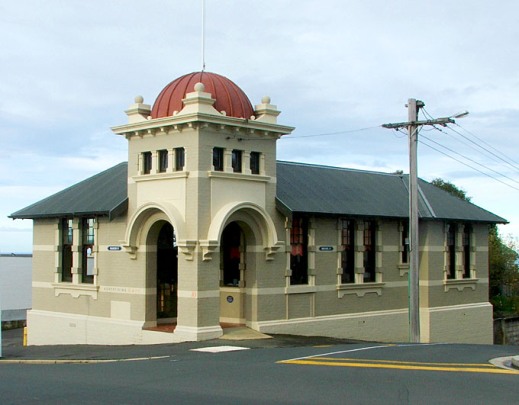
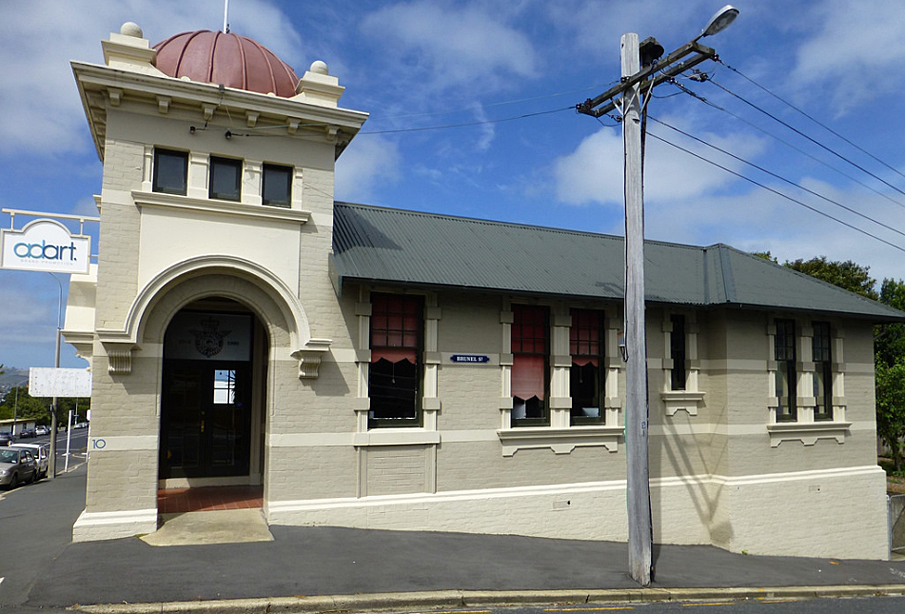
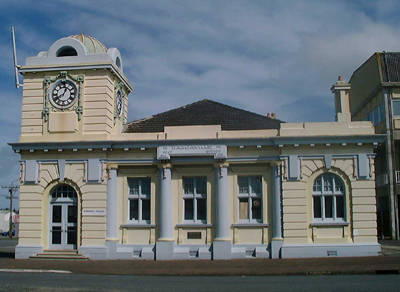
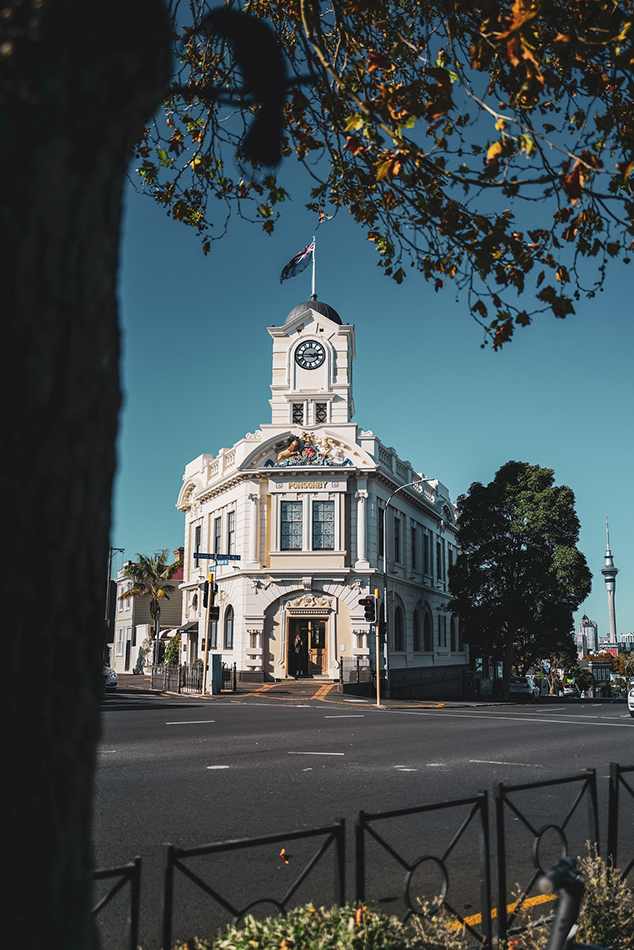
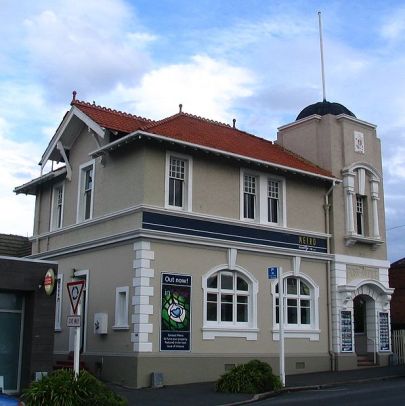
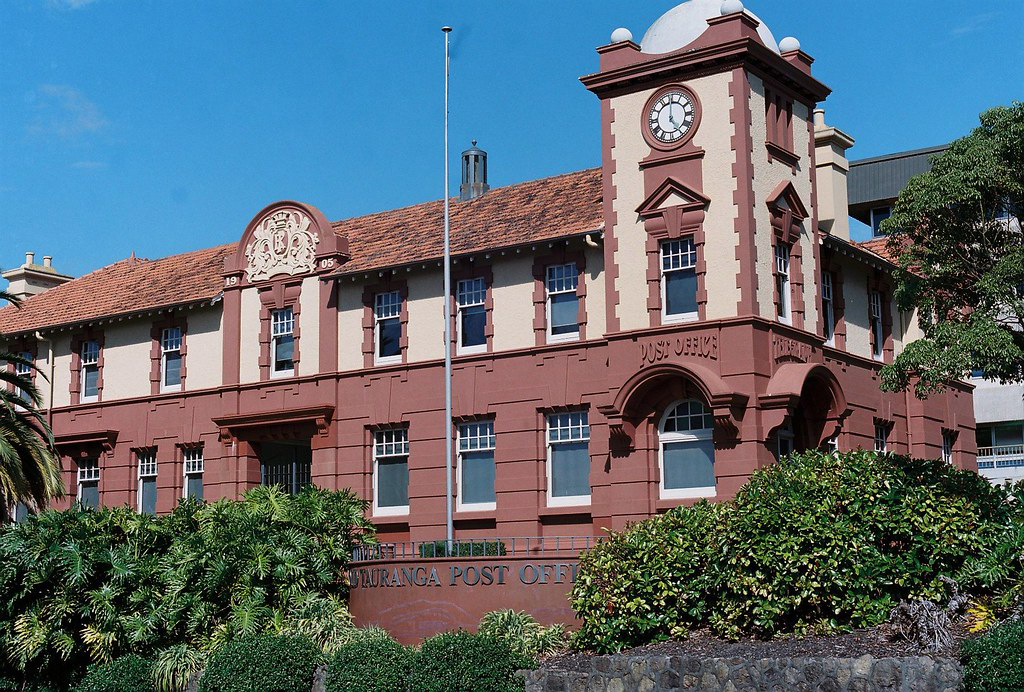
Mornington Post Office was built in 1905 after replacing an earlier iteration. The building is historically and architecturally significant for the Borough of Mornington at a time when postal communication was paramount for New Zealand. It was built during a post office building boom between 1900 and 1914 and is one of the remaining smaller post offices which, with some variation, were built all over New Zealand. Built with a striking tower in Edwardian Baroque style, it remains a little-altered focal point in the suburb of Mornington.
Both iwi history and archaeological evidence show Māori occupation in the Ōtākou / Otago region since the 12th century. Today, Kāi Tahu mana whenua is recognised over a large part of Te Wai Pounamu. Kāti Māmoe and Waitaha shared occupation are always acknowledged. The principal hapū Kāi Te Pahi, Kāti Moki, and Kāti Taoka still maintain their presence and responsibility as kaitiaki in this region.
The postal service in New Zealand began in 1840 and the first post office in Dunedin opened in 1855. By the early twentieth century the Post and Telegraph Department had become one of the major government departments, with branches in all the main centres. Mornington in Dunedin operated as a Borough, complete with its own Mayor and Council, which was formed in 1877.
John Campbell (1857-1942), Government Architect, designed the Post Office, along with many other offices. Campbell oversaw the architectural design of government buildings until his retirement in 1922, holding the title of ‘government architect’ from 1909. Campbell established the architectural style of Edwardian Baroque as the official architectural style for government buildings in New Zealand in the early twentieth century. Between 1900 and 1914 a post office boom occurred and due to the large amount of work, Campbell developed two models for smaller post offices which were built throughout New Zealand. Erecting new Post Offices was influenced by the completion of the main trunk line in the North Island along with the replacement of old timber buildings and building in more permanent materials and the spread of telegraphic communication throughout New Zealand.
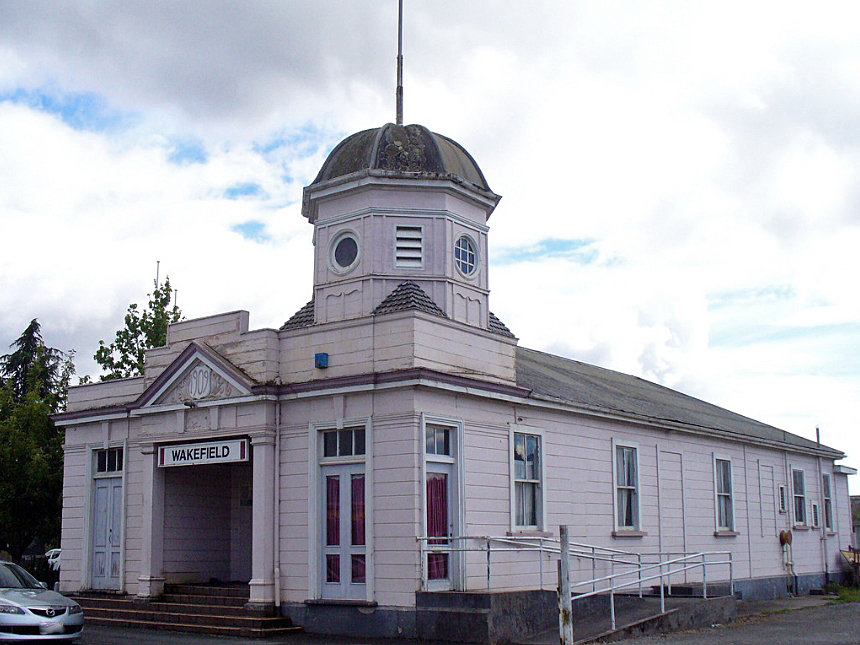
The Public Works Department approved plans for the Mornington Post Office, and the Minister of Public Works consented to lay the foundation stone. The Post Office was constructed in 1905 at a cost of £1, 026 ($224,944 today). The contractor however, is unclear as multiple sources have the name recorded differently. Construction was completed at the end of 1905, although unusually no article can be found in the local papers about its official opening. Mornington’s Post Office was built of brick with cement facings and had a public room for letters, stamps and money orders, and a mailroom with a postmaster’s room, with sitting room, bedroom and kitchen. There were two telephones - one for telegraph services and one for the public bureau telephone. Most of the towers of the post offices of this design no longer exist with the Mornington Post Office being one of six that remains.
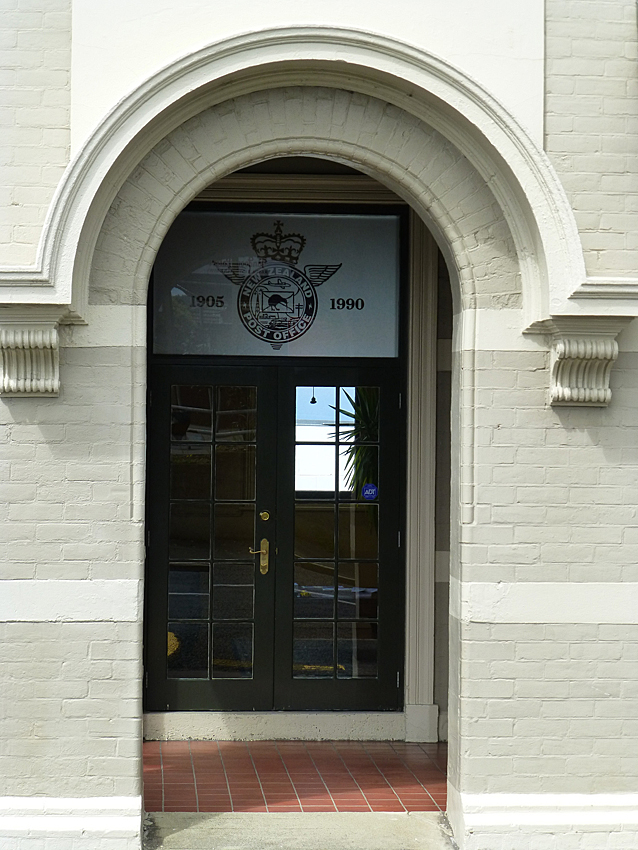
Mornington postal services ceased on 27 July 1990 and various modifications to the interior have been carried out since. The building has housed a real estate office for three separate operators, a graphic design studio, and a security company. It underwent a restoration in 2002 under the company ‘Advertising and Art’ and now houses a beauty salon. These Post Offices for many decades represented the archetypal New Zealand post office building. This building, with its rich Baroque decoration, remains a focal point of Mornington and provides an important contribution to the streetscape.
Both iwi history and archaeological evidence show Māori occupation in the Ōtākou / Otago region since the 12th century. Today, Kāi Tahu mana whenua is recognised over a large part of Te Wai Pounamu. Kāti Māmoe and Waitaha shared occupation are always acknowledged. The principal hapū Kāi Te Pahi, Kāti Moki, and Kāti Taoka still maintain their presence and responsibility as kaitiaki in this region.
The postal service in New Zealand began in 1840 and the first post office in Dunedin opened in 1855. By the early twentieth century the Post and Telegraph Department had become one of the major government departments, with branches in all the main centres. Mornington in Dunedin operated as a Borough, complete with its own Mayor and Council, which was formed in 1877.
John Campbell (1857-1942), Government Architect, designed the Post Office, along with many other offices. Campbell oversaw the architectural design of government buildings until his retirement in 1922, holding the title of ‘government architect’ from 1909. Campbell established the architectural style of Edwardian Baroque as the official architectural style for government buildings in New Zealand in the early twentieth century. Between 1900 and 1914 a post office boom occurred and due to the large amount of work, Campbell developed two models for smaller post offices which were built throughout New Zealand. Erecting new Post Offices was influenced by the completion of the main trunk line in the North Island along with the replacement of old timber buildings and building in more permanent materials and the spread of telegraphic communication throughout New Zealand.
The Public Works Department approved plans for the Mornington Post Office, and the Minister of Public Works consented to lay the foundation stone. The Post Office was constructed in 1905 at a cost of £1, 026 ($224,944 today). The contractor however, is unclear as multiple sources have the name recorded differently. Construction was completed at the end of 1905, although unusually no article can be found in the local papers about its official opening. Mornington’s Post Office was built of brick with cement facings and had a public room for letters, stamps and money orders, and a mailroom with a postmaster’s room, with sitting room, bedroom and kitchen. There were two telephones - one for telegraph services and one for the public bureau telephone. Most of the towers of the post offices of this design no longer exist with the Mornington Post Office being one of six that remains.
Mornington postal services ceased on 27 July 1990 and various modifications to the interior have been carried out since. The building has housed a real estate office for three separate operators, a graphic design studio, and a security company. It underwent a restoration in 2002 under the company ‘Advertising and Art’ and now houses a beauty salon. These Post Offices for many decades represented the archetypal New Zealand post office building. This building, with its rich Baroque decoration, remains a focal point of Mornington and provides an important contribution to the streetscape.