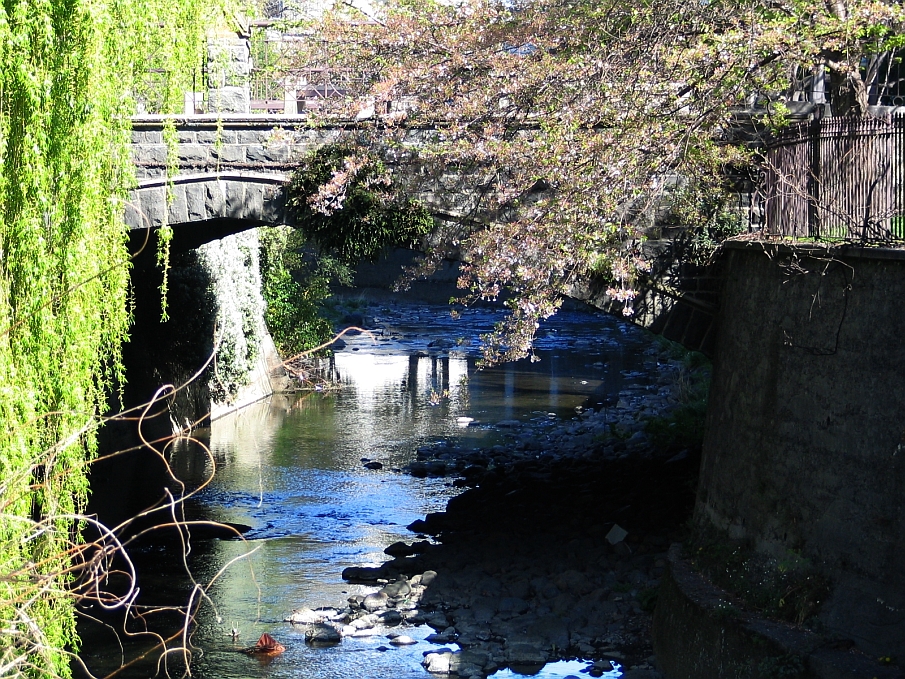
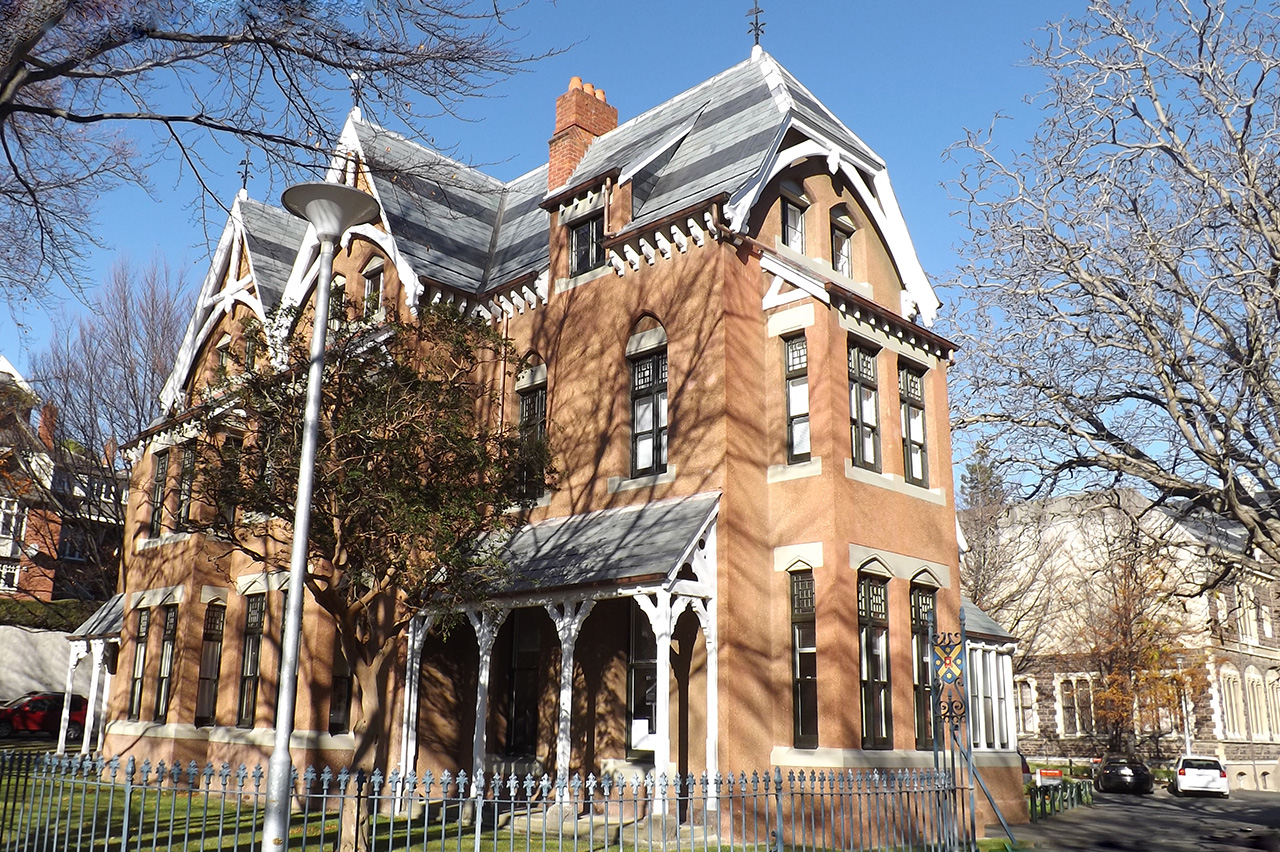
Both iwi history and archaeological evidence show Māori occupation in the Ōtākou / Otago region since the 12th century. Today, Kāi Tahu mana whenua is recognised over a large part of Te Wai Pounamu. Kāti Māmoe and Waitaha shared occupation are always acknowledged. The hapū Kai Te Pahi, Kāti Moki, and Kāti Taoka still maintain their presence and responsibility as kaitiaki in this region. The Ōwheo (the Water of Leith), a river that runs through campus, would have facilitated travel by waka from the coast to places further inland. The mouth of Ōwheo, known as Te Tutai o Te Matauira, was likely a valuable settlement area for accessing resources. Roberts (1909) states that Ōwheo, a Kāti Māmoe chief, resided on the bank of the river where Howe Street joins Leith Street.
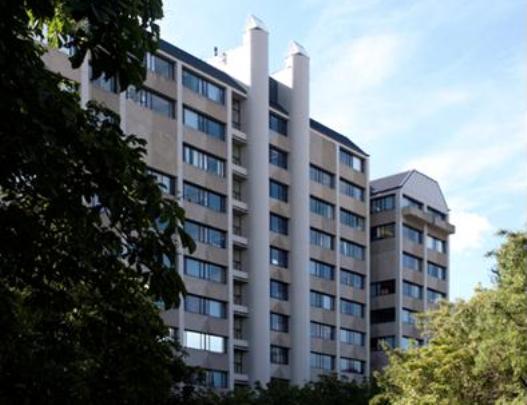
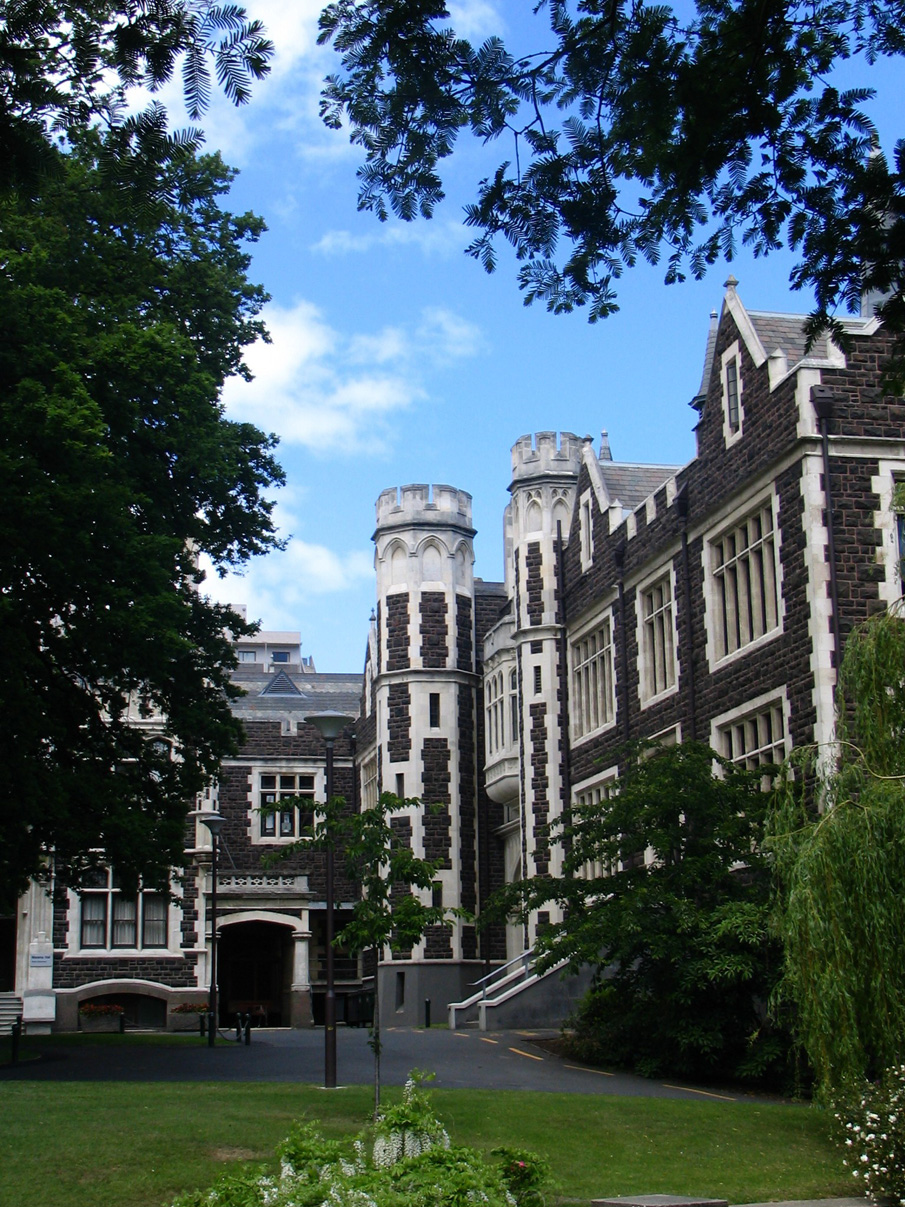
The Otago Provincial Council established New Zealand’s first university in 1869. By 1877 the University had outgrown that space and requested the government for use of the land assigned for botanical gardens, which was granted. The complex of university buildings built between 1878 and the 1920s, constitutes a major example of nineteenth and early twentieth century gothic in New Zealand.
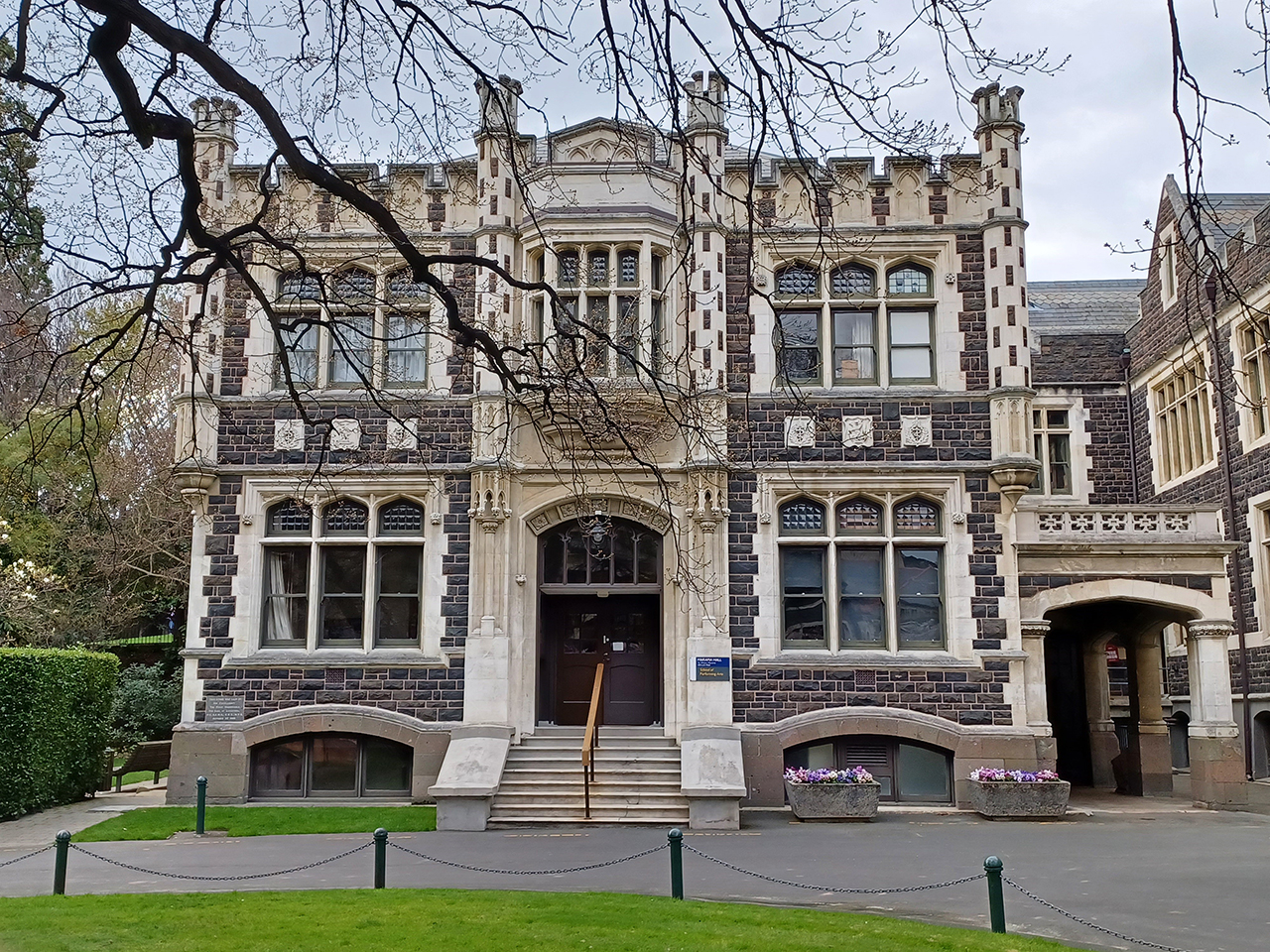
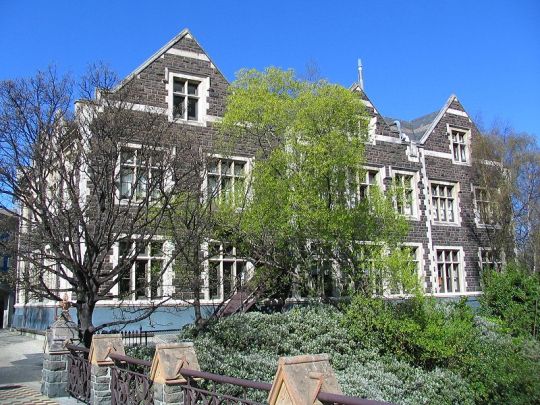
The University Staff Club was constructed of Leith Valley andesite, Oamaru limestone, Port Chalmers breccia, with a slate roof in the Gothic Revival Style and was originally built as a Dental School. The establishment of the Dental School was the direct outcome of the Dentists Act (1904) which brought the profession under university control. Plans and elevations were prepared in 1906 by architect J.L. Salmond, with 12 foot (3.65 m) deep foundations, and four well-finished elevations matching the style of the existing University buildings but with capacious windows. The floor plan was prepared in consultation with local dentists.
The hospital opened for patients on 1 July 1907. Dignitaries described it as “commodious and well-fitted” with equipment equal to anywhere else in the world. The ground floor held the director’s office, a waiting room, examinations, anaesthetic department and mechanical laboratory. Above it was the “filling” room, the museum, and lecture hall. The staff and three students soon found themselves swamped by unpredicted demand. This demand from patients and the growing number of students in the 1920s pushed the building beyond its limits. University architect Anscombe and Associates designed temporary additions, but these were recognised as inadequate. By 1922 there was public outcry, particularly after a young girl died under anaesthetic. The building built for 25 students was housing 101 by 1926, and the Dean of the Dental School argued it would do nothing but bring “discredit and disgrace on everybody connected with it.“ After the application of much pressure to the government, the Dental School moved to a new building in 1926.
The building was then converted to become the University Registry for the next 25 years. During renovations around 1950 the roof was entirely covered with orange tiles and the temporary work at the north end tidied up, the plaster being painted grey with white markings to imitate quoins. In 1966 the building became home of the Faculty of Law. Finally, the building became the Staff Club. It was used for both formal and informal gatherings, with a restaurant, Leith board room and billiard room downstairs, and the large café and dining venue upstairs, complete with a balcony overlooking the Water of Leith.
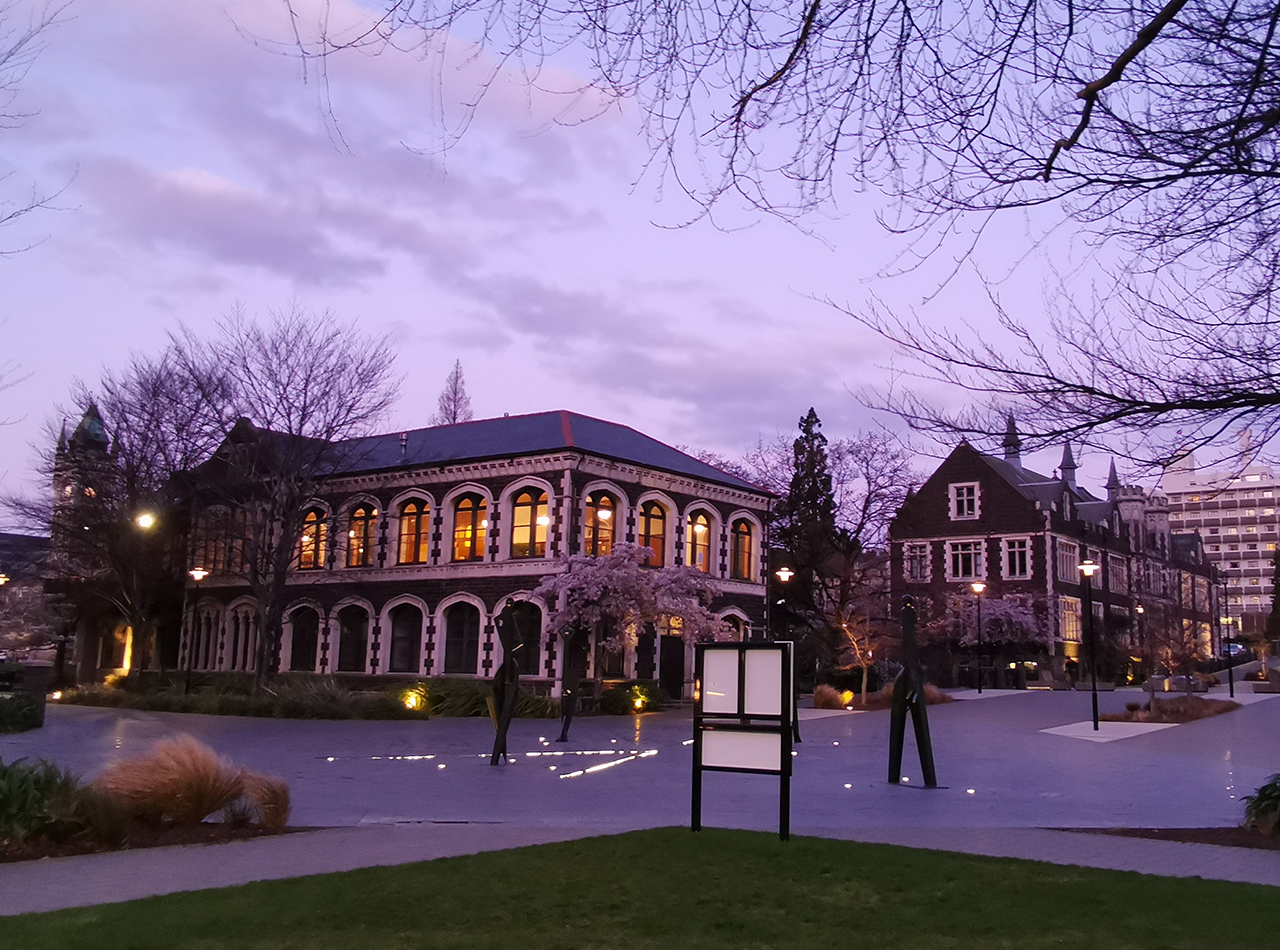
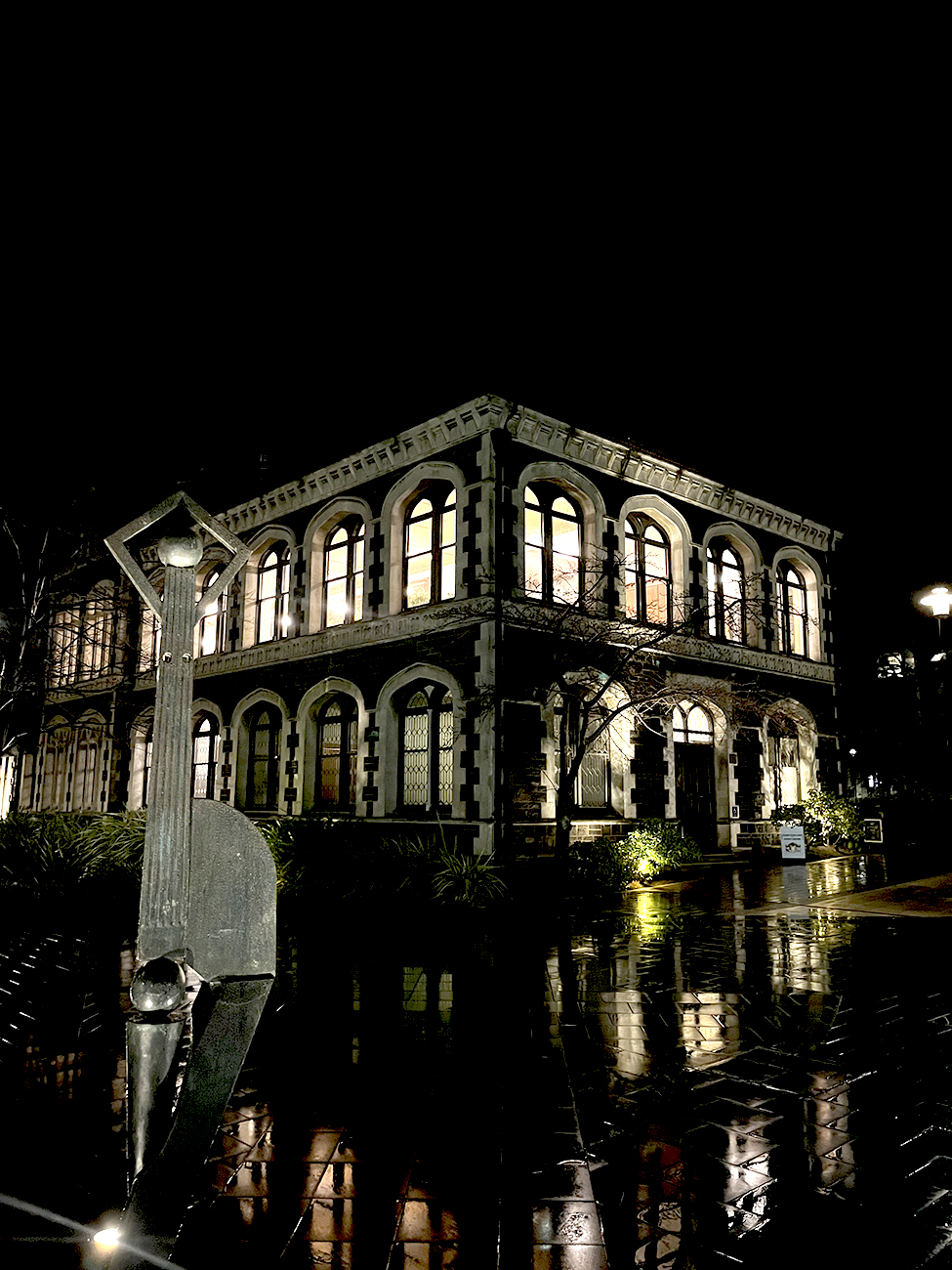
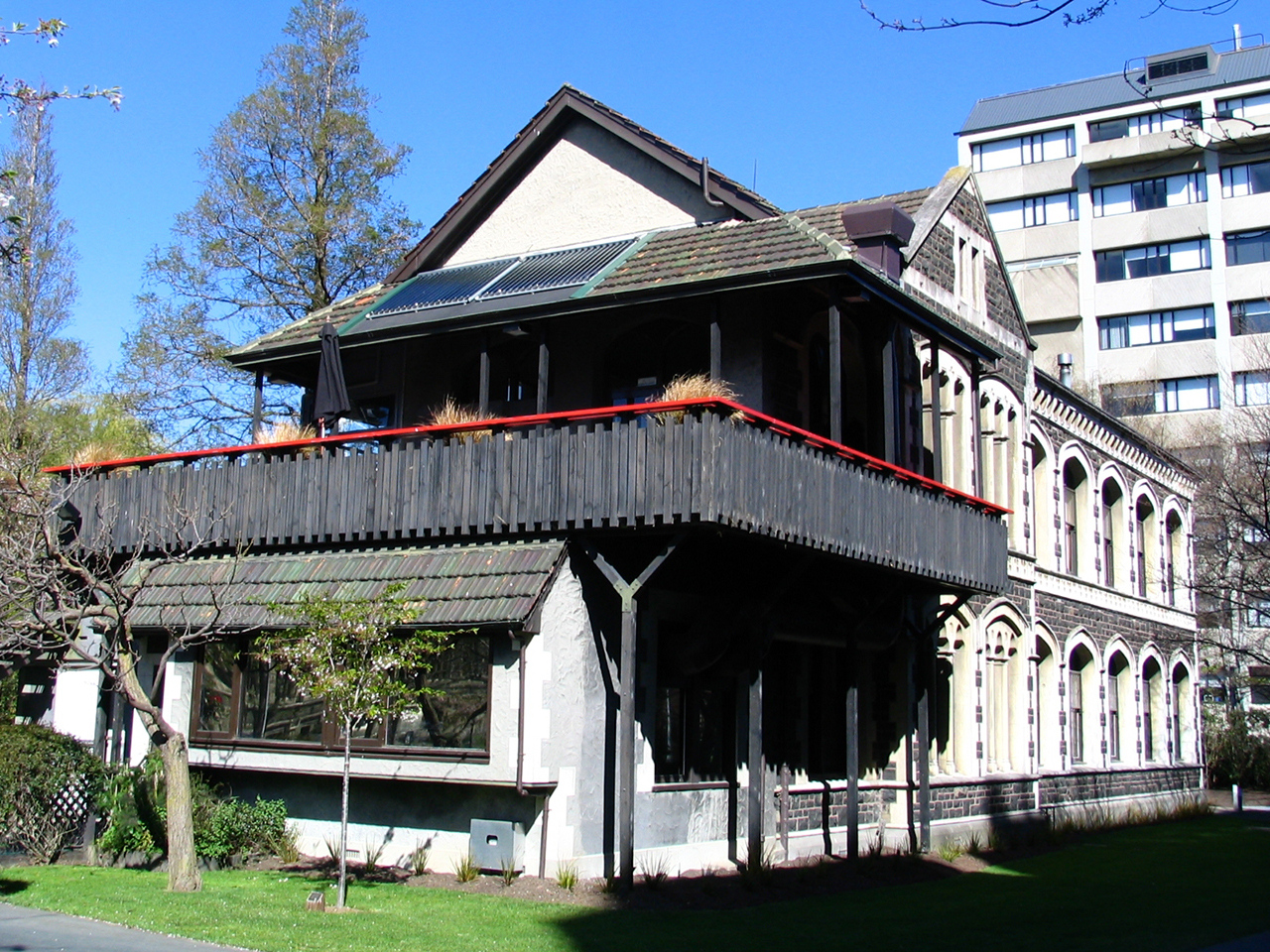
List Entry Information
Status
Listed
List Entry Status
Historic Place Category 1
Access
Private/No Public Access
List Number
2230
Date Entered
27th July 1988
Date of Effect
27th July 1988
City/District Council
Dunedin City
Region
Otago Region
Extent of List Entry
Extent includes the part of the land described as Pt Block LXXI TN OF Dunedin, (RT OT299/36), Otago Land District and the building known as University of Otago Staff Club, thereon.
Legal description
Pt Block LXXI TN OF Dunedin, (RT OT299/36), Otago Land District
Status
Listed
List Entry Status
Historic Place Category 1
Access
Private/No Public Access
List Number
2230
Date Entered
27th July 1988
Date of Effect
27th July 1988
City/District Council
Dunedin City
Region
Otago Region
Extent of List Entry
Extent includes the part of the land described as Pt Block LXXI TN OF Dunedin, (RT OT299/36), Otago Land District and the building known as University of Otago Staff Club, thereon.
Legal description
Pt Block LXXI TN OF Dunedin, (RT OT299/36), Otago Land District
Why is this place significant?
Historic Significance
Historical Significance or Value Otago University was opened in 1871 and is the oldest of the New Zealand universities. This was the first major building occupied by New Zealand's Dental School and was built specifically for it in 1907. The building was far too small and the piecemeal additions suggest that the training of dentists did not have high priority at the time. In 1929 the Dental School moved in a much larger three storied building on Great King Street, closer to the Medical School. This building was modified to accommodate the Registry and the WEA. The Law Faculty occupied it between 1966 and 1980 and the Staff Club since 1980.
Physical Significance
Architectural Significance: Although this building is across the Water of Leith from the main part of the University complex, it is visually well related to it. The Gothic complex of University buildings built between 1878 and the 1920s constitutes a major example of nineteenth and early twentieth century Gothic in New Zealand, impressive in its size and completeness. Townscape/Landmark Significance: The Staff Club building has an important frontage on to Union Street and is the first Gothic building seen as the complex is approached from the west.
Why is this place significant?
Historic Significance
Historical Significance or Value Otago University was opened in 1871 and is the oldest of the New Zealand universities. This was the first major building occupied by New Zealand's Dental School and was built specifically for it in 1907. The building was far too small and the piecemeal additions suggest that the training of dentists did not have high priority at the time. In 1929 the Dental School moved in a much larger three storied building on Great King Street, closer to the Medical School. This building was modified to accommodate the Registry and the WEA. The Law Faculty occupied it between 1966 and 1980 and the Staff Club since 1980.
Physical Significance
Architectural Significance: Although this building is across the Water of Leith from the main part of the University complex, it is visually well related to it. The Gothic complex of University buildings built between 1878 and the 1920s constitutes a major example of nineteenth and early twentieth century Gothic in New Zealand, impressive in its size and completeness. Townscape/Landmark Significance: The Staff Club building has an important frontage on to Union Street and is the first Gothic building seen as the complex is approached from the west.
Construction Professional
Name
Salmond, James Louis
Type
Architect
Biography
James Louis Salmond (1868-1950) was born in North Shields, England. He was educated at Otago Boys' High School and began his career articled to Robert Arthur Lawson (1833-1902). Salmond initially practised on his own account but later rejoined Lawson in partnership. Salmond took over the practice when Lawson died in 1902. Salmond was the architect of over 20 churches in Otago including the Presbyterian churches at Roslyn, Kaikorai, North Dunedin and the Wesleyan church at Mornington. He designed many private residences including Watson Shennan's house at 367 High Street, as well as those at 114 Cargill Street and 14 Pitt Street, all in Dunedin. Salmond was president of the Otago Art Society, and also served a term as president of the New Zealand Institute of Architects. His son Arthur joined the firm having studied in London and his grandson John continues to work in the firm today. It is now known as Salmond Anderson Architects.
Name
Anscombe, Edmund
Type
Architect
Biography
Anscombe (1874-1948) was born in Sussex and came to New Zealand as a child. He began work as a builder's apprentice in Dunedin and in 1901 went to America to study architecture. He returned to Dunedin in 1907 and designed the School of Mines building for the University of Otago. The success of this design gained him the position of architect to the University. Five of the main University buildings were designed by Anscombe, as well as Otago Girls' High School and several of Dunedin's finest commercial buildings including the Lindo Ferguson Building (1927) and the Haynes building. Anscombe moved to Wellington about 1928 and was known for his work as the designer of the Centennial Exhibition (1939-1940). Anscombe had travelled extensively and had visited major exhibitions in Australia, Germany and America. The practice of Edmund Anscombe and Associates, Architects, had offices in the Dunedin, Wellington and Hawkes Bay districts, and Anscombe's buildings include the Vocational Centre for Disabled Servicemen, Wellington (1943), Sargent Art Gallery, Wanganui, and several blocks of flats including Anscombe Flats, 212 Oriental Parade (1937) and Franconia, 136 The Terrace (1938), both in Wellington. As well as being interested in the housing problem, Anscombe held strong views concerning the industrial advancement of New Zealand. (See also http://www.dnzb.govt.nz/dnzb/ )
Construction Details
Start Year
1907
Type
Original Construction
Description
The South end of the building was completed
Start Year
1909
Type
Addition
Start Year
1921
Type
Addition
Start Year
1922
Type
Addition
Start Year
1929
Type
Modification
Description
Interior modified for Registry
Start Year
1966
Type
Modification
Description
Interior modified for the Law Faculty
Start Year
1980
Type
Modification
Description
Interior modified for the Staff Club
Construction Materials
The south half was constructed in Leith Valley andesite with slate roof and the 'temporary' north end was originally rough cast and corrugated iron. During renovations about 1950 the roof was entirely covered with orange tiles and the temporary work at the north end tidied up, the plaster being painted gray with white markings to imitate the pattern of the stone work. The massive front doors and some of the joinery around the hall, stairway and passages have been retained but otherwise the interior is heavily modified.
Notable Features
The strongly designed stonework in contrasting black and white stone and its historic association with the Dental School.
Construction Professional
Name
Salmond, James Louis
Type
Architect
Biography
James Louis Salmond (1868-1950) was born in North Shields, England. He was educated at Otago Boys' High School and began his career articled to Robert Arthur Lawson (1833-1902). Salmond initially practised on his own account but later rejoined Lawson in partnership. Salmond took over the practice when Lawson died in 1902. Salmond was the architect of over 20 churches in Otago including the Presbyterian churches at Roslyn, Kaikorai, North Dunedin and the Wesleyan church at Mornington. He designed many private residences including Watson Shennan's house at 367 High Street, as well as those at 114 Cargill Street and 14 Pitt Street, all in Dunedin. Salmond was president of the Otago Art Society, and also served a term as president of the New Zealand Institute of Architects. His son Arthur joined the firm having studied in London and his grandson John continues to work in the firm today. It is now known as Salmond Anderson Architects.
Name
Anscombe, Edmund
Type
Architect
Biography
Anscombe (1874-1948) was born in Sussex and came to New Zealand as a child. He began work as a builder's apprentice in Dunedin and in 1901 went to America to study architecture. He returned to Dunedin in 1907 and designed the School of Mines building for the University of Otago. The success of this design gained him the position of architect to the University. Five of the main University buildings were designed by Anscombe, as well as Otago Girls' High School and several of Dunedin's finest commercial buildings including the Lindo Ferguson Building (1927) and the Haynes building. Anscombe moved to Wellington about 1928 and was known for his work as the designer of the Centennial Exhibition (1939-1940). Anscombe had travelled extensively and had visited major exhibitions in Australia, Germany and America. The practice of Edmund Anscombe and Associates, Architects, had offices in the Dunedin, Wellington and Hawkes Bay districts, and Anscombe's buildings include the Vocational Centre for Disabled Servicemen, Wellington (1943), Sargent Art Gallery, Wanganui, and several blocks of flats including Anscombe Flats, 212 Oriental Parade (1937) and Franconia, 136 The Terrace (1938), both in Wellington. As well as being interested in the housing problem, Anscombe held strong views concerning the industrial advancement of New Zealand. (See also http://www.dnzb.govt.nz/dnzb/ )
Construction Details
Start Year
1907
Type
Original Construction
Description
The South end of the building was completed
Start Year
1909
Type
Addition
Start Year
1921
Type
Addition
Start Year
1922
Type
Addition
Start Year
1929
Type
Modification
Description
Interior modified for Registry
Start Year
1966
Type
Modification
Description
Interior modified for the Law Faculty
Start Year
1980
Type
Modification
Description
Interior modified for the Staff Club
Construction Materials
The south half was constructed in Leith Valley andesite with slate roof and the 'temporary' north end was originally rough cast and corrugated iron. During renovations about 1950 the roof was entirely covered with orange tiles and the temporary work at the north end tidied up, the plaster being painted gray with white markings to imitate the pattern of the stone work. The massive front doors and some of the joinery around the hall, stairway and passages have been retained but otherwise the interior is heavily modified.
Notable Features
The strongly designed stonework in contrasting black and white stone and its historic association with the Dental School.
Architect/Engineer or Designer: The architects were James Louis Salmond for the first part, E Anscombe for the extensions and Miller and White for the alterations in 1929. Architectural Description (Style): Anscombe followed the style set by Bury, influenced by Sir George Gilbert Scott's design for Glasgow University built in 1870. Bury improved on Scott's design with more lively Gothic details. This smaller building had wider windows with broad pointed arches which do not have stonework tracery. Modifications: Besides the exterior alterations listed the interior has been modified so many times that it is difficult to discern the original floor plan of the building. A balcony has been added for the Staff Club.
Historical and Associated Iwi / Hapū / Whānau
Completion Date
2nd November 2023
Report Written By
Sarah Gallagher and Alison Breese
Information Sources
New Zealand Historic Places Trust (NZHPT)
New Zealand Historic Places Trust
Stacpoole, 1976
John Stacpoole, Colonial Architecture in New Zealand, Wellington, 1976
Other Information
A fully referenced copy of the Upgrade Report is available upon request from the Otago/Southland Area Office of Heritage New Zealand Pouhere Taonga Please note that entry on the New Zealand Heritage List/Rārangi Kōrero identifies only the heritage values of the property concerned, and should not be construed as advice on the state of the property, or as a comment of its soundness or safety, including in regard to earthquake risk, safety in the event of fire, or insanitary conditions. This historic place was registered under the Historic Places Act 1980. This report includes the text from the original Building Classification Committee report considered by the NZHPT Board at the time of registration.
Historical and Associated Iwi / Hapū / Whānau
Completion Date
2nd November 2023
Report Written By
Sarah Gallagher and Alison Breese
Information Sources
New Zealand Historic Places Trust (NZHPT)
New Zealand Historic Places Trust
Stacpoole, 1976
John Stacpoole, Colonial Architecture in New Zealand, Wellington, 1976
Other Information
A fully referenced copy of the Upgrade Report is available upon request from the Otago/Southland Area Office of Heritage New Zealand Pouhere Taonga Please note that entry on the New Zealand Heritage List/Rārangi Kōrero identifies only the heritage values of the property concerned, and should not be construed as advice on the state of the property, or as a comment of its soundness or safety, including in regard to earthquake risk, safety in the event of fire, or insanitary conditions. This historic place was registered under the Historic Places Act 1980. This report includes the text from the original Building Classification Committee report considered by the NZHPT Board at the time of registration.
Former Usages
General Usage: Education
Specific Usage: University
Former Usages
General Usage: Education
Specific Usage: University
Location
Related listings


Stay up to date with Heritage this month