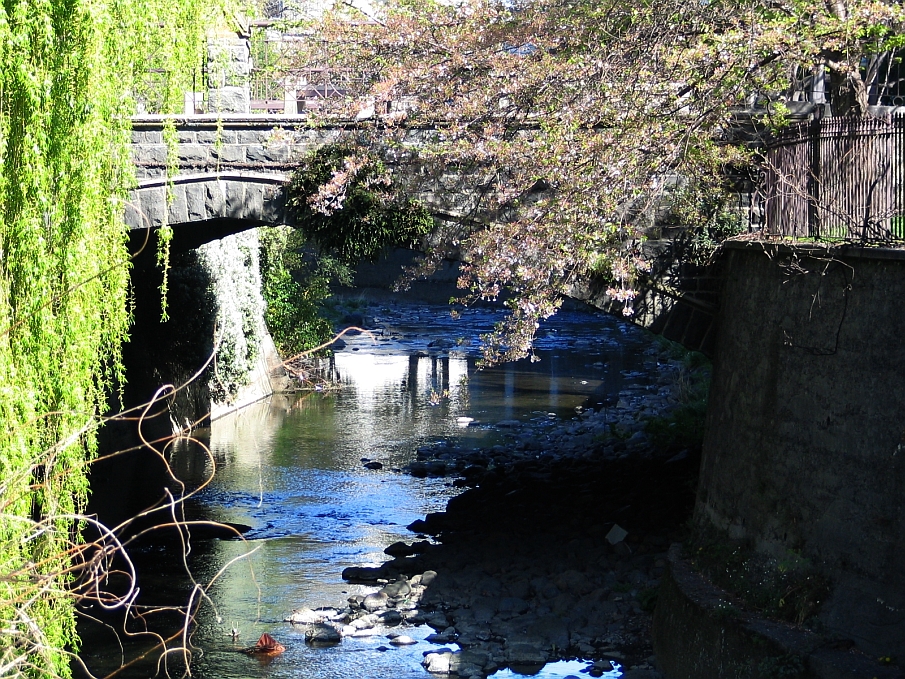
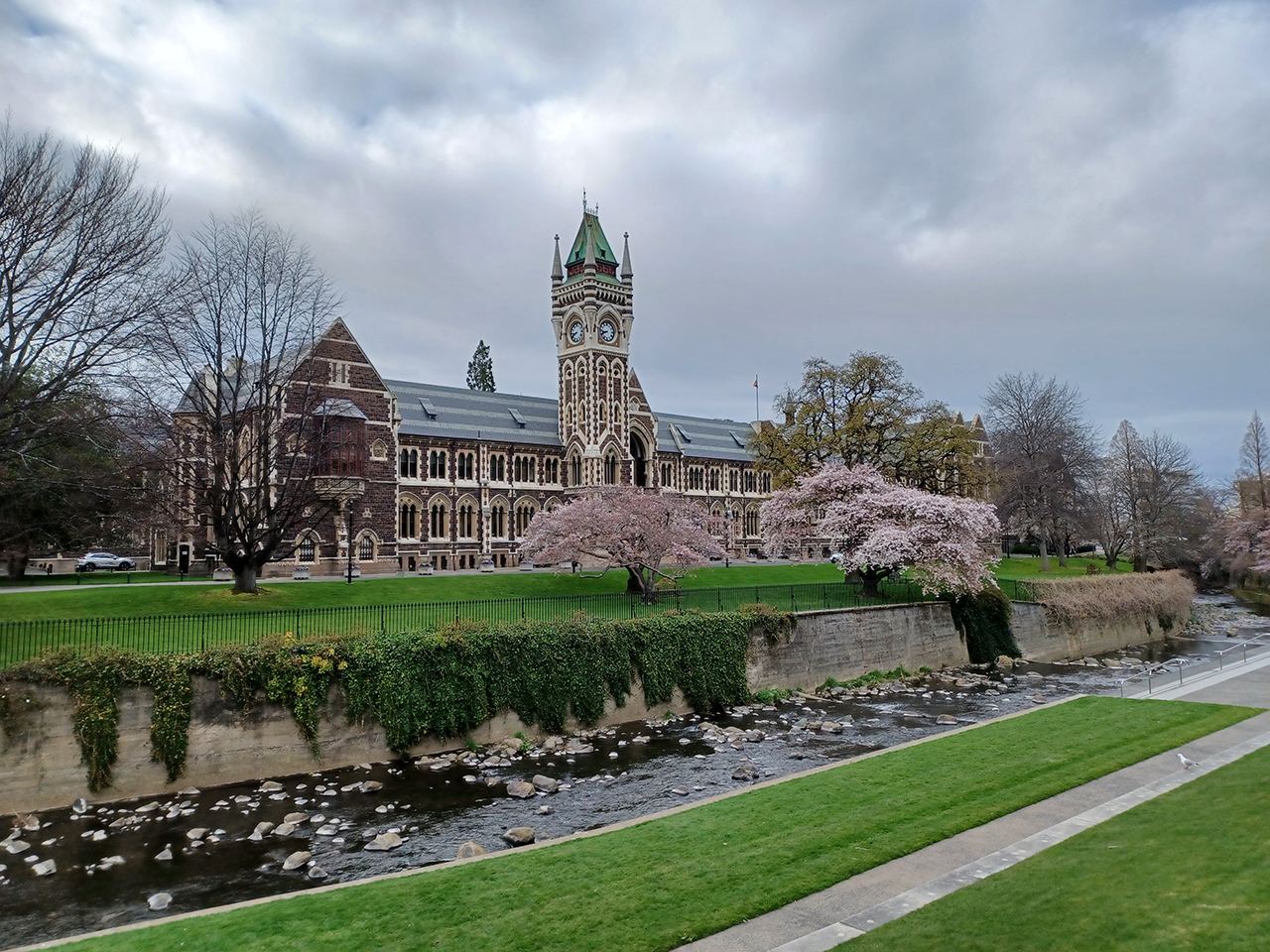
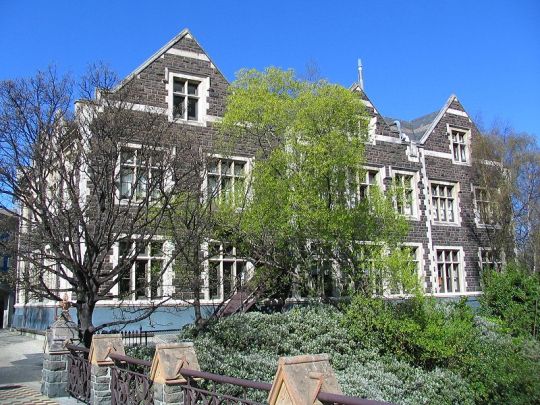
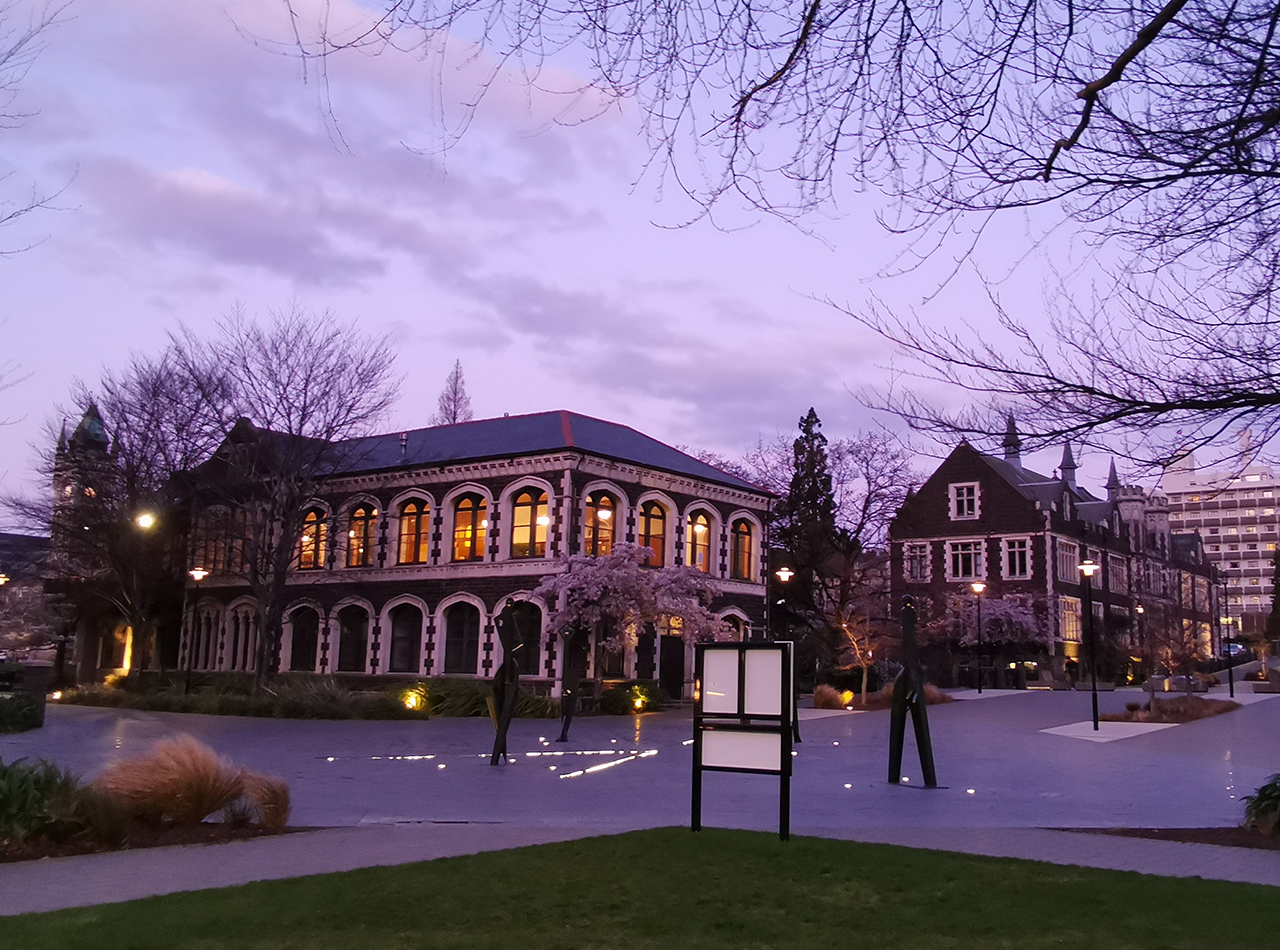
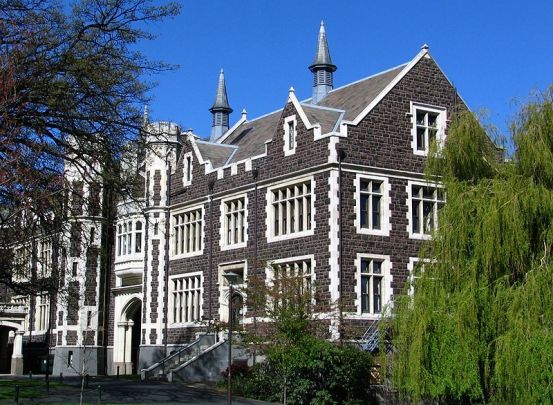
Both iwi history and archaeological evidence show Māori occupation in the Ōtākou / Otago region since the 12th century. Today, Kāi Tahu mana whenua is recognised over a large part of Te Wai Pounamu. Kāti Māmoe and Waitaha shared occupation are always acknowledged. The hapū Kai Te Pahi, Kāti Moki, and Kāti Taoka still maintain their presence and responsibility as kaitiaki in this region. Traditional Māori place names include Ōwheo (the Water of Leith), a river that runs directly in front of the Clock Tower building and though campus, would have facilitated travel by waka from the coast to places further inland and the mouth of Ōwheo, known as Te Tutai o Te Matauira, was likely a valuable settlement area for accessing kaimoana and other resources.
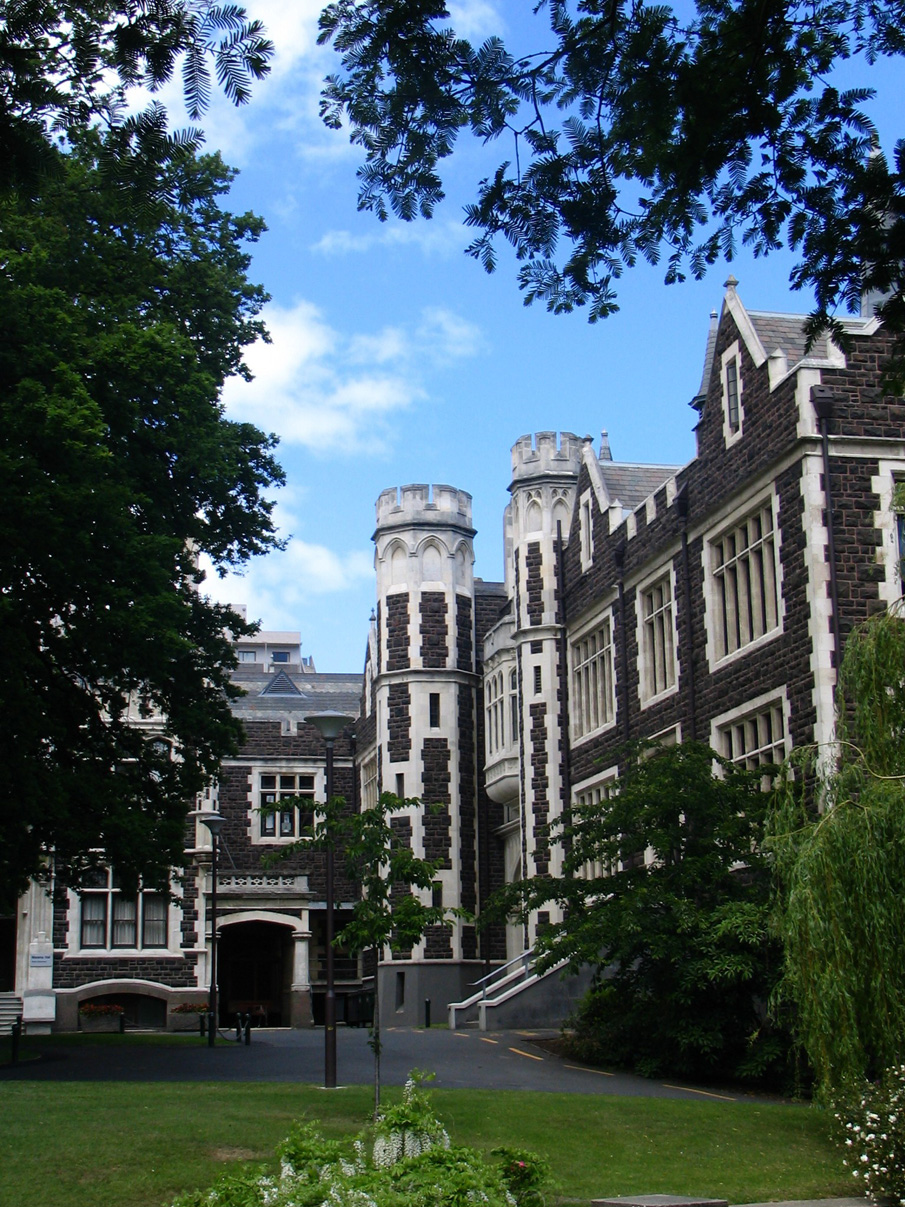
The Otago Provincial Council established New Zealand’s first university in 1869. By 1877 the University had outgrown that space and requested the government for use of the northern half of the land assigned for botanical gardens which was granted. In 1876 architect Maxwell Bury (1825-1912) won the competition for the design of the Clock Tower (List No. 62) and Geology (List No. 4765) and the Professorial Houses buildings for the Otago University. The complex of university buildings built between 1878 and the 1920s constitutes a major example of nineteenth and early twentieth century gothic in New Zealand.
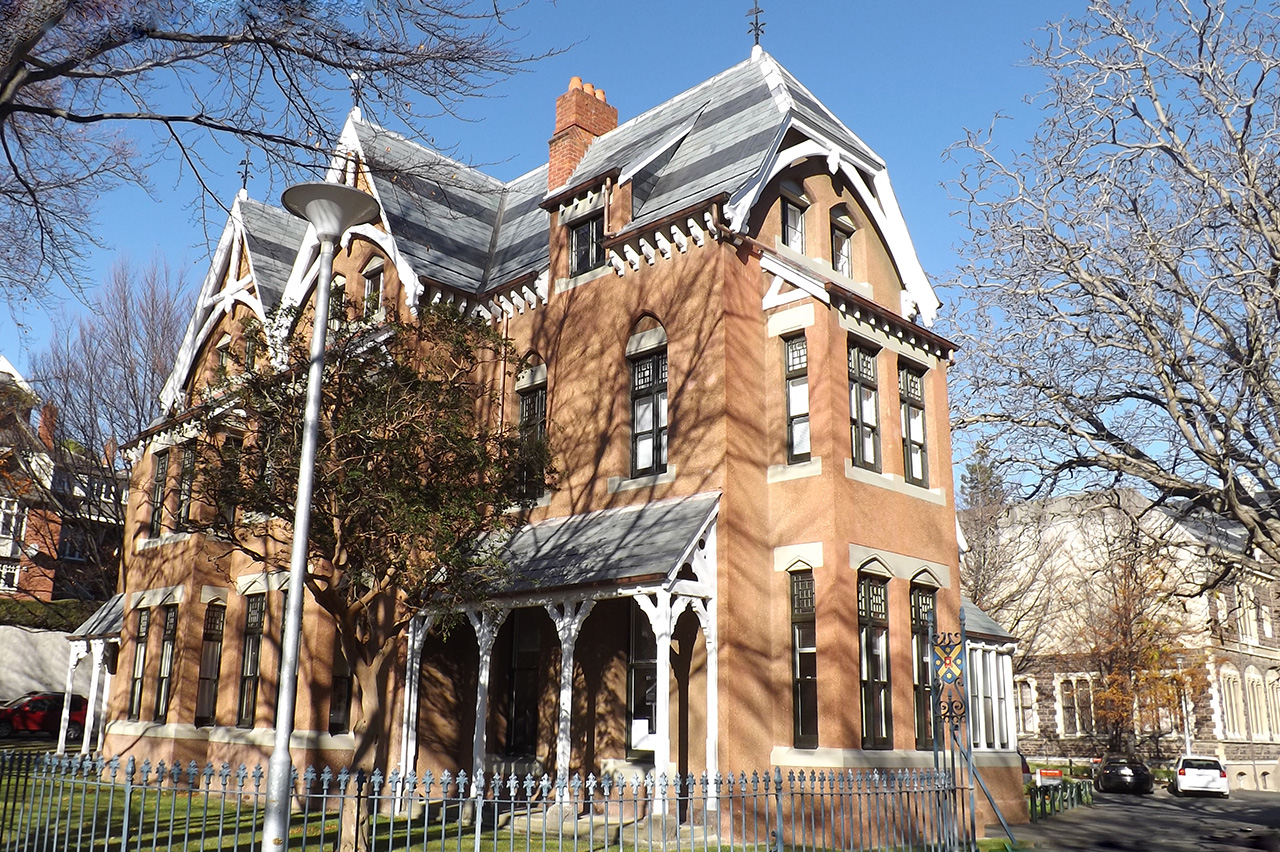
Built between 1878-1879, the Professorial Houses were designed as part of the original Bury Scheme. The decision to build the main University buildings in stone was influenced by the poor quality of Dunedin bricks at the time. However, a need to drastically cut costs led to the University Council building the Professional Houses in brick and reducing the number from six to four houses being built.
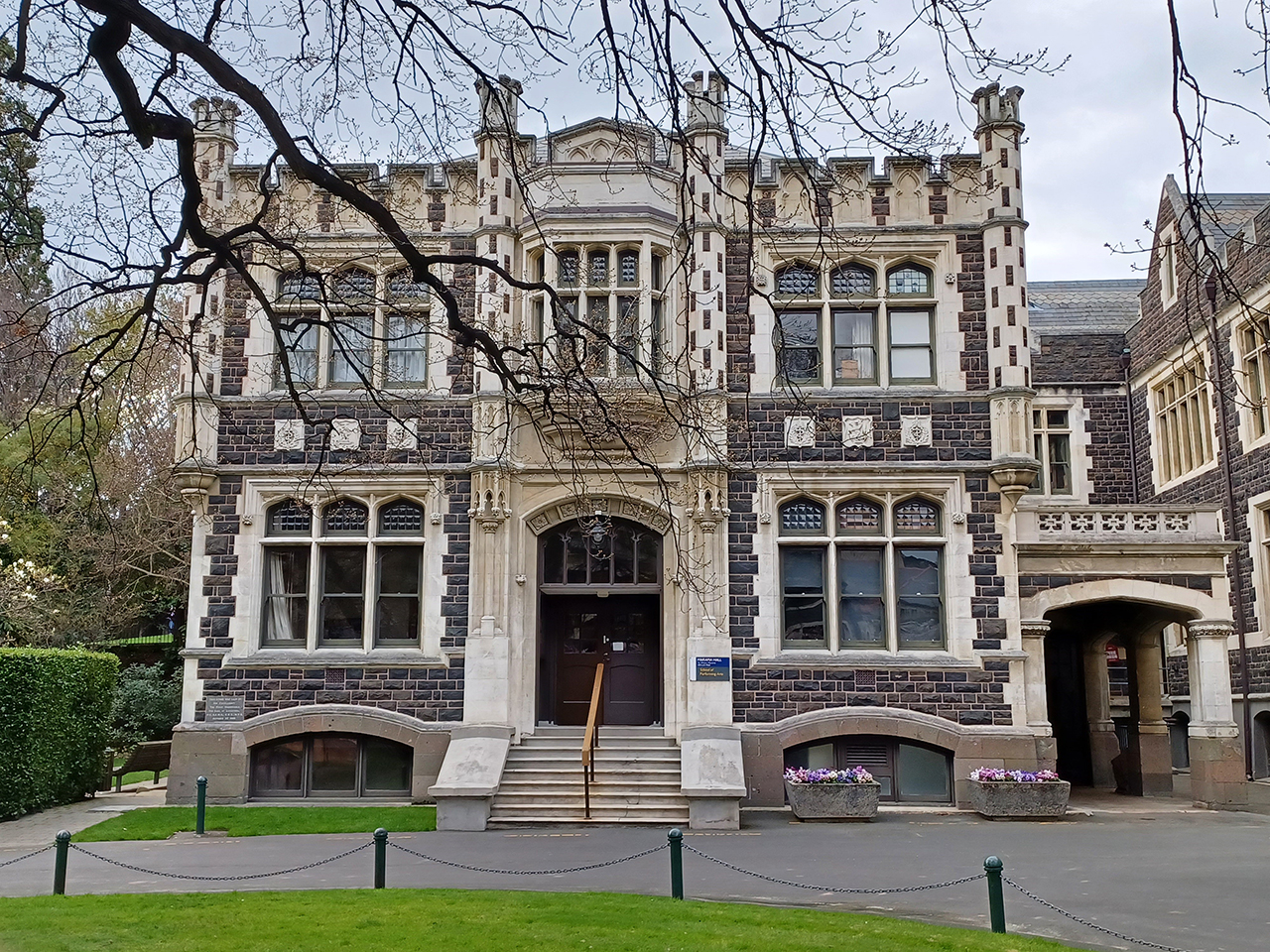
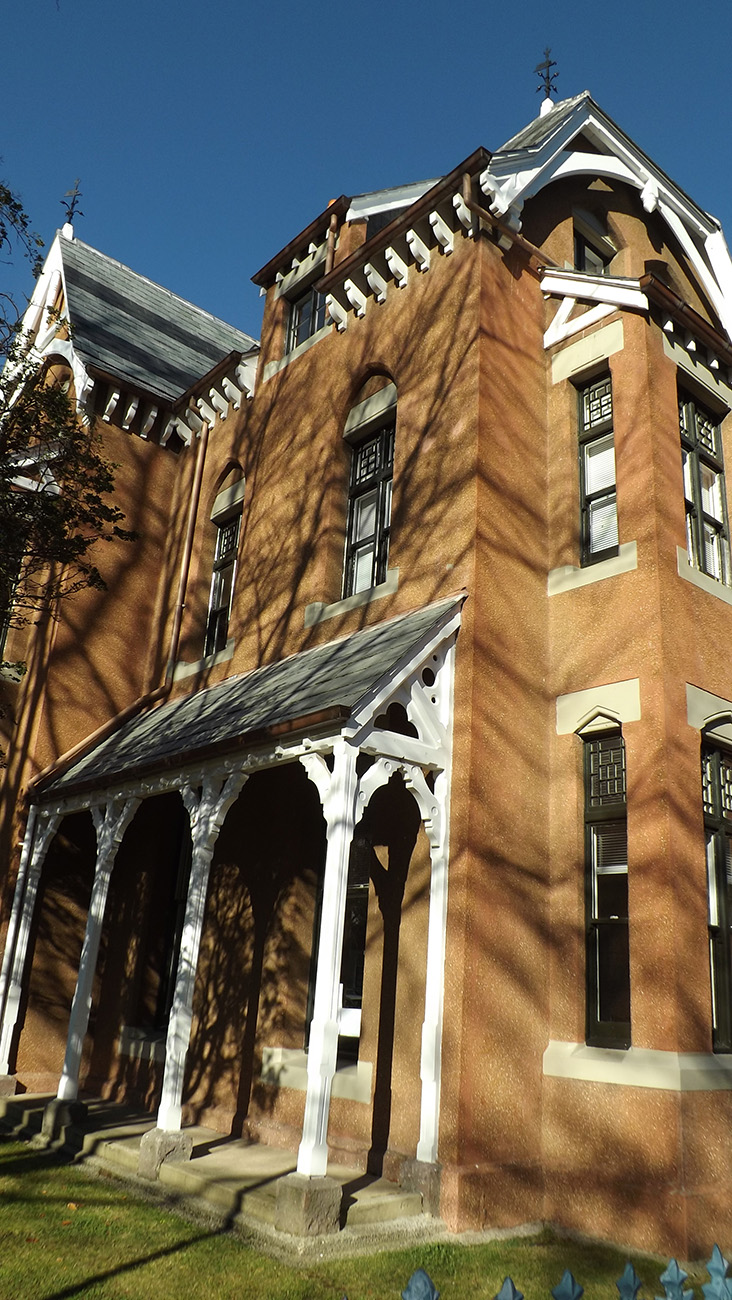
The style of the houses has been described as domestic or romantic Gothic. The buildings are remarkable for their innovative use of this style which at the time of completion was gaining popularity through the work of Richard Norman Shaw in Britain. The use of the unconventional Queen Anne style, characterised by a variety of roof and window inclinations and dark red brick for the exteriors, originally disturbed members of the public. The Otago Witness noted “The Professors’ houses first startled observers by their extraordinary complications and inclinations of window and roof, and have eventually horrified all moderate tastes by blooming forth in a tint of the darkest and most inflammatory red”.
Each house is relatively narrow for its height, being three stories high but they were designed to be generously proportioned. Together they form two well-proportioned individual blocks separated by domestic gardens and achieved a degree of separation from the University through plantings and limited access.
The first professorial tenants were not originally those who were given their names to the houses. The residences were allocated according to seniority to Professor John Shand (1834-1914) (Mathematics and Natural Philosophy), Professor Duncan MacGregor (Mental and Moral Philosophy), Professor James Gow Black (1835-1914) (Chemistry) and Professor Hutton (Natural Science). When Hutton left in 1880, Scott took over the house and Sale later replaced Macgregor.
In 1937 the first major internal change occurred when the Council turned one of the houses from a residence into professors’ rooms and small classrooms for the use of the Arts Faculty. In 1944 and 1945 the rest were converted in this way.
By 1955 the Otago University Council Consultants architects stated, “Quite frankly, these buildings should be demolished as soon as the opportunity occurs”. The buildings, due to a need for at least one of them, did manage to survive so an extensive renovation was undertaken. All the houses were eventually painted and plastered with a reddish brown Moeraki gravel in 1957. The roofs were slate and were replaced in 1980 with asbestos cement shingles as well as the spouting and flashings replaces. The woodwork has over the years been badly attacked by borer.
Today the houses are still called Sale, Black, Scott and Shand after some of the early professors. Today Student Services are situated in Scott Shand House, and University Flats is based in Black Sale House.
List Entry Information
Status
Listed
List Entry Status
Historic Place Category 1
Access
Private/No Public Access
List Number
4406
Date Entered
27th July 1988
Date of Effect
27th July 1988
City/District Council
Dunedin City
Region
Otago Region
Extent of List Entry
Extent includes the land described as Pt Blk LXXI Town of Dunedin, (RT OT299/36), Otago Land District and the buildings known as University of Otago, Professorial Houses, thereon.
Legal description
Pt Blk LXXI Town of Dunedin, (RT OT299/36), Otago Land District
Status
Listed
List Entry Status
Historic Place Category 1
Access
Private/No Public Access
List Number
4406
Date Entered
27th July 1988
Date of Effect
27th July 1988
City/District Council
Dunedin City
Region
Otago Region
Extent of List Entry
Extent includes the land described as Pt Blk LXXI Town of Dunedin, (RT OT299/36), Otago Land District and the buildings known as University of Otago, Professorial Houses, thereon.
Legal description
Pt Blk LXXI Town of Dunedin, (RT OT299/36), Otago Land District
Why is this place significant?
Historic Significance
Historical Significance or Value Professors Sale, Black, Shand and Scott were the first heads of departments and had a profound influence on the teaching traditions of the University.
Physical Significance
Architectural Significance: An important part of the Gothic complex of University buildings built between 1878 and the 1920s, which constitute a major example of nineteenth and early twentieth century gothic in New Zealand , impressive in its size and completeness. Townscape/Landmark Significance: The professorial houses form the end of the major block of neo-Gothic buildings of the University and mark the entrance to the block from St David Street.
Why is this place significant?
Historic Significance
Historical Significance or Value Professors Sale, Black, Shand and Scott were the first heads of departments and had a profound influence on the teaching traditions of the University.
Physical Significance
Architectural Significance: An important part of the Gothic complex of University buildings built between 1878 and the 1920s, which constitute a major example of nineteenth and early twentieth century gothic in New Zealand , impressive in its size and completeness. Townscape/Landmark Significance: The professorial houses form the end of the major block of neo-Gothic buildings of the University and mark the entrance to the block from St David Street.
Construction Professional
Name
McGill and Forrest’s
Type
Builder
Biography
Name
Bury, Maxwell
Type
Designer
Biography
Maxwell Bury (1825-1912) was born at East Retford, Nottinghamshire and was the son of an Anglican minister. He had training in architecture, civil and steam engineering and ship design, and it appears that some of his training was undertaken at Butterley Ironworks. He subsequently went to sea as an engineer officer. In 1853 he married Eleanor Sarah Deighton (known as Ellen) and the following year they travelled to Australia. They found, when they arrived, that Melbourne was suffering from a post-goldrush depression, and consequently the Burys moved to New Zealand. They arrived in Lyttelton in 1854 from Melbourne and settled in Nelson soon after. Bury established himself as an engineer, and became the chairman of the first Nelson Board of Works. He also became involved in various mining ventures and was churchwarden. By 1858 Bury decided to change professions, and took up architecture again. He was responsible for the first Masonic Hall in Nelson, the 1858 enlargement of Frederick Thatcher's Christ Church, and the Nelson Institute. His design for the Nelson Provincial Buildings did not win the 1858 competition but was successful none the less, as his was the only design that could be built for the specified price. None of these timber buildings now survive. The area's wealth, which enabled Bury to gain these commissions, was based on mining. When this boom slackened, the Burys moved, arriving in Christchurch in 1863. Their involvement in the church led to further commissions for Bury, including an orphanage in Addington, the Riccarton Parsonage and the Church of St John the Baptist in Latimer Square. He entered into partnership with Benjamin Woolfield Mountfort (1825-1898) in 1864. The partnership only lasted two years, but in that time Mountfort and Bury were responsible for a number of churches: St James-on-the-Cust, St Mark's at Opawa, St Joseph's at Lyttelton and St Patrick's at Akaroa and a few houses including Risingholme and Chippenham Lodge. Bury and his family then left for London in 1866. Although it seems he intended to return to New Zealand, various problems delayed this. His marriage appears to have broken up and family tradition has it that Bury went back to sea. Around 1870 Bury did make it back to New Zealand, settling by himself in Nelson. He designed the Chapel of the Holy Evangelists for Bishopdale in Nelson (1875-1876) By 1876 Bury was based in Dunedin and won the competition for the design of Otago University, Dunedin, in 1877. Unfortunately costs on this building overran to such an extent that a Commission of Enquiry into the matter was held in 1879. Thereafter Bury found his commissions dropping off. He did undertake further work for the University from 1883-1885. Some time after 1885 he returned to Nelson, and then to Sydney, where he set up office as a civil engineer in 1890. He retired in Sydney six years later, and in 1908 finally returned to England where he died in 1912. (Anne Marchant, 'Maxwell Bury of 'Bury and Mountfort', in Bulletin of New Zealand Art History, 19, 1998, pp.3-15)
Construction Details
Start Year
1931
Type
Modification
Description
exterior plastered on one of the buildings
Start Year
1937
Type
Modification
Start Year
1944
Type
Modification
Description
Modification of interior
Start Year
1945
Type
Modification
Description
Modification of interior
Start Year
1957
Type
Refurbishment/renovation
Description
Exterior roughcast with Moeraki Gravel
Start Year
1980
Type
Modification
Description
Replacement of slates with cement shingles
Start Year
1878
Finish Year
1879
Type
Original Construction
Description
The houses were built in 1878 and completed by March 1879
Construction Materials
The walls are brick, which has been painted and plastered with a typical Otago finish - reddish brown Moeraki gravel. The roofs are slate. Each house is relatively narrow for its height, being three stories high.
Notable Features
Their narrow proportions and complexity of windows and roof lines.
Construction Professional
Name
McGill and Forrest’s
Type
Builder
Biography
Name
Bury, Maxwell
Type
Designer
Biography
Maxwell Bury (1825-1912) was born at East Retford, Nottinghamshire and was the son of an Anglican minister. He had training in architecture, civil and steam engineering and ship design, and it appears that some of his training was undertaken at Butterley Ironworks. He subsequently went to sea as an engineer officer. In 1853 he married Eleanor Sarah Deighton (known as Ellen) and the following year they travelled to Australia. They found, when they arrived, that Melbourne was suffering from a post-goldrush depression, and consequently the Burys moved to New Zealand. They arrived in Lyttelton in 1854 from Melbourne and settled in Nelson soon after. Bury established himself as an engineer, and became the chairman of the first Nelson Board of Works. He also became involved in various mining ventures and was churchwarden. By 1858 Bury decided to change professions, and took up architecture again. He was responsible for the first Masonic Hall in Nelson, the 1858 enlargement of Frederick Thatcher's Christ Church, and the Nelson Institute. His design for the Nelson Provincial Buildings did not win the 1858 competition but was successful none the less, as his was the only design that could be built for the specified price. None of these timber buildings now survive. The area's wealth, which enabled Bury to gain these commissions, was based on mining. When this boom slackened, the Burys moved, arriving in Christchurch in 1863. Their involvement in the church led to further commissions for Bury, including an orphanage in Addington, the Riccarton Parsonage and the Church of St John the Baptist in Latimer Square. He entered into partnership with Benjamin Woolfield Mountfort (1825-1898) in 1864. The partnership only lasted two years, but in that time Mountfort and Bury were responsible for a number of churches: St James-on-the-Cust, St Mark's at Opawa, St Joseph's at Lyttelton and St Patrick's at Akaroa and a few houses including Risingholme and Chippenham Lodge. Bury and his family then left for London in 1866. Although it seems he intended to return to New Zealand, various problems delayed this. His marriage appears to have broken up and family tradition has it that Bury went back to sea. Around 1870 Bury did make it back to New Zealand, settling by himself in Nelson. He designed the Chapel of the Holy Evangelists for Bishopdale in Nelson (1875-1876) By 1876 Bury was based in Dunedin and won the competition for the design of Otago University, Dunedin, in 1877. Unfortunately costs on this building overran to such an extent that a Commission of Enquiry into the matter was held in 1879. Thereafter Bury found his commissions dropping off. He did undertake further work for the University from 1883-1885. Some time after 1885 he returned to Nelson, and then to Sydney, where he set up office as a civil engineer in 1890. He retired in Sydney six years later, and in 1908 finally returned to England where he died in 1912. (Anne Marchant, 'Maxwell Bury of 'Bury and Mountfort', in Bulletin of New Zealand Art History, 19, 1998, pp.3-15)
Construction Details
Start Year
1931
Type
Modification
Description
exterior plastered on one of the buildings
Start Year
1937
Type
Modification
Start Year
1944
Type
Modification
Description
Modification of interior
Start Year
1945
Type
Modification
Description
Modification of interior
Start Year
1957
Type
Refurbishment/renovation
Description
Exterior roughcast with Moeraki Gravel
Start Year
1980
Type
Modification
Description
Replacement of slates with cement shingles
Start Year
1878
Finish Year
1879
Type
Original Construction
Description
The houses were built in 1878 and completed by March 1879
Construction Materials
The walls are brick, which has been painted and plastered with a typical Otago finish - reddish brown Moeraki gravel. The roofs are slate. Each house is relatively narrow for its height, being three stories high.
Notable Features
Their narrow proportions and complexity of windows and roof lines.
Significance of Designer: Maxwell Bury won the competition for the design of the new university and had evidently been influenced by Sir G G Scott's design for Glasgow University, which he improved on. Architectural Description (Style): The style has been described as domestic Gothic (Romantic Gothic might be more apt for these houses) and though Bury did not build these houses in stone their detailing fits with the other buildings of the University. Modifications: Exterior unmodified, but interior much modified. Interior modifications include tortuous connecting passages between the semi-detached houses. The woodwork has been badly attacked by borer.
Historical and Associated Iwi / Hapū / Whānau
Completion Date
24th August 2023
Report Written By
Alison Breese
Information Sources
New Zealand Historic Places Trust (NZHPT)
New Zealand Historic Places Trust
Stacpoole, 1976
John Stacpoole, Colonial Architecture in New Zealand, Wellington, 1976
Clarke, 2018
Alison Clarke, Otago: 150 Years of New Zealand’s First University, Otago University Press, Dunedin, 2018.
Bowron, 2013
Bowron, Greg, 'Anscombe, Edmund', Dictionary of New Zealand Biography, first published in 1998, updated July 2013, Te Ara - the Encyclopedia of New Zealand, https://teara.govt.nz/en/biographies/4a17/anscombe-edmund (accessed 24 May 2023)
Marchant, 1993
Marchant, Anne, 'Bury, Maxwell', Dictionary of New Zealand Biography, first published in 1993. Te Ara - the Encyclopedia of New Zealand, https://teara.govt.nz/en/biographies/2b52/bury-maxwell (accessed 24 May 2023)
Nathan, Simon and Hayward, Bruce, 2023
Nathan, Simon and Hayward, Bruce, 'Building stone - Igneous rocks', Te Ara - the Encyclopedia of New Zealand, http://www.TeAra.govt.nz/en/photograph/8085/otago-university-clock-tower (accessed 16 May 2023)
Russell, Tristan and Greig, Karen, 2020
Russell, Tristan and Greig, Karen,’ Archaeological Assessment: Proposed landscaping between Castle Theatre and Information Services Building’, University of Otago, 2020.
Wilson, 2023
Wilson, John, 'Scots - Education', Te Ara - the Encyclopedia of New Zealand, http://www.TeAra.govt.nz/en/artwork/190/clock-tower-block-university-of-otago (accessed 16 May 2023)
Page, 1976
Page, Dorothy, ‘University Professorial Houses Have Had Share of Controversy’, Otago Daily Times, 3 August 1976, p. 4.
Other Information
A fully referenced copy of the Upgrade Report is available upon request from the Otago/Southland Area Office of Heritage New Zealand Pouhere Taonga Please note that entry on the New Zealand Heritage List/Rārangi Kōrero identifies only the heritage values of the property concerned, and should not be construed as advice on the state of the property, or as a comment of its soundness or safety, including in regard to earthquake risk, safety in the event of fire, or insanitary conditions. This historic place was registered under the Historic Places Act 1980. This report includes the text from the original Building Classification Committee report considered by the NZHPT Board at the time of registration.
Historical and Associated Iwi / Hapū / Whānau
Completion Date
24th August 2023
Report Written By
Alison Breese
Information Sources
New Zealand Historic Places Trust (NZHPT)
New Zealand Historic Places Trust
Stacpoole, 1976
John Stacpoole, Colonial Architecture in New Zealand, Wellington, 1976
Clarke, 2018
Alison Clarke, Otago: 150 Years of New Zealand’s First University, Otago University Press, Dunedin, 2018.
Bowron, 2013
Bowron, Greg, 'Anscombe, Edmund', Dictionary of New Zealand Biography, first published in 1998, updated July 2013, Te Ara - the Encyclopedia of New Zealand, https://teara.govt.nz/en/biographies/4a17/anscombe-edmund (accessed 24 May 2023)
Marchant, 1993
Marchant, Anne, 'Bury, Maxwell', Dictionary of New Zealand Biography, first published in 1993. Te Ara - the Encyclopedia of New Zealand, https://teara.govt.nz/en/biographies/2b52/bury-maxwell (accessed 24 May 2023)
Nathan, Simon and Hayward, Bruce, 2023
Nathan, Simon and Hayward, Bruce, 'Building stone - Igneous rocks', Te Ara - the Encyclopedia of New Zealand, http://www.TeAra.govt.nz/en/photograph/8085/otago-university-clock-tower (accessed 16 May 2023)
Russell, Tristan and Greig, Karen, 2020
Russell, Tristan and Greig, Karen,’ Archaeological Assessment: Proposed landscaping between Castle Theatre and Information Services Building’, University of Otago, 2020.
Wilson, 2023
Wilson, John, 'Scots - Education', Te Ara - the Encyclopedia of New Zealand, http://www.TeAra.govt.nz/en/artwork/190/clock-tower-block-university-of-otago (accessed 16 May 2023)
Page, 1976
Page, Dorothy, ‘University Professorial Houses Have Had Share of Controversy’, Otago Daily Times, 3 August 1976, p. 4.
Other Information
A fully referenced copy of the Upgrade Report is available upon request from the Otago/Southland Area Office of Heritage New Zealand Pouhere Taonga Please note that entry on the New Zealand Heritage List/Rārangi Kōrero identifies only the heritage values of the property concerned, and should not be construed as advice on the state of the property, or as a comment of its soundness or safety, including in regard to earthquake risk, safety in the event of fire, or insanitary conditions. This historic place was registered under the Historic Places Act 1980. This report includes the text from the original Building Classification Committee report considered by the NZHPT Board at the time of registration.
Former Usages
General Usage: Accommodation
Specific Usage: House
General Usage: Education
Specific Usage: University
Former Usages
General Usage: Accommodation
Specific Usage: House
General Usage: Education
Specific Usage: University
Location
Related listings


Stay up to date with Heritage this month