DonateMembershipVisit Heritage
  • Tūrangawaewae
    Places
  • Tira Māori
    Māori Heritage
  • Poutairangahia
    Archaeology
  • Rauemi
    Resources
  • Mō Tātou
    About Us
  • New Zealand Heritage List
  • Nominate and submit
  • Explore the List
  • National Historic Landmarks
  • Plaques
  • Rainbow List Project
  • Lost heritage
  • Visit Heritage
  • Our properties
  • Turnbull House Project
  • Collections
  • Shop
  • Tohu Whenua
  • Tira Māori
  • Conserving Māori heritage
  • Marae built heritage
  • Māori heritage on the List
  • Hinemihi—Te Hokinga Mai
  • What is archaeology?
  • Is there a site on my property?
  • What are my legal requirements?
  • Affecting an archaeological site
  • Declaring an archaeological site
  • Archaeology FAQs
  • Archaeology Digital Library
  • Archaeology guidelines and templates
  • Resources
  • Funding
  • Publications
  • Sustainable management guides
  • Disaster recovery
  • Podcasts & digital resources
  • Education Hub
  • Conservation plans
  • About
  • Board
  • Māori Heritage Council
  • Senior Staff
  • Offices
  • Contact us
  • Careers
  • Covenants
  • Fast-track
  • Corporate documents
  • Currently consulting on
  • Our submissions
  • News
  • Covid-19 response
Quick links
Rārangi Kōrero | The List
Explore the List
National Historic Landmarks
Ngā Manawhenua o Aotearoa me ōna Kōrero Tūturu
Quick links
Tapuwae
A Vision for Places of Māori Heritage
Funding for Māori Heritage
Resources
Quick links
Archaeological Authority Portal
Applying for an archaeological authority
Archaeology FAQs
Browse the most frequently asked questions about archaeological authorities and the archaeological process.
Quick links
Quick links
News
News Keep up to date with Heritage New Zealand Pouhere Taonga
Membership
Membership Find out more and sign up today
DonateMembershipVisit Heritage
  • Tūrangawaewae
    Places
  • Tira Māori
    Māori Heritage
  • Poutairangahia
    Archaeology
  • Rauemi
    Resources
  • Mō Tātou
    About Us
  • New Zealand Heritage List
  • Nominate and submit
  • Explore the List
  • National Historic Landmarks
  • Plaques
  • Rainbow List Project
  • Lost heritage
  • Visit Heritage
  • Our properties
  • Turnbull House Project
  • Collections
  • Shop
  • Tohu Whenua
  • Tira Māori
  • Conserving Māori heritage
  • Marae built heritage
  • Māori heritage on the List
  • Hinemihi—Te Hokinga Mai
  • What is archaeology?
  • Is there a site on my property?
  • What are my legal requirements?
  • Affecting an archaeological site
  • Declaring an archaeological site
  • Archaeology FAQs
  • Archaeology Digital Library
  • Archaeology guidelines and templates
  • Resources
  • Funding
  • Publications
  • Sustainable management guides
  • Disaster recovery
  • Podcasts & digital resources
  • Education Hub
  • Conservation plans
  • About
  • Board
  • Māori Heritage Council
  • Senior Staff
  • Offices
  • Contact us
  • Careers
  • Covenants
  • Fast-track
  • Corporate documents
  • Currently consulting on
  • Our submissions
  • News
  • Covid-19 response
Quick links
Rārangi Kōrero | The List
Explore the List
National Historic Landmarks
Ngā Manawhenua o Aotearoa me ōna Kōrero Tūturu
Quick links
Tapuwae
A Vision for Places of Māori Heritage
Funding for Māori Heritage
Resources
Quick links
Archaeological Authority Portal
Applying for an archaeological authority
Archaeology FAQs
Browse the most frequently asked questions about archaeological authorities and the archaeological process.
Quick links
Quick links
News
News Keep up to date with Heritage New Zealand Pouhere Taonga
Membership
Membership Find out more and sign up today
  • Nominate and submit
  • National Historic Landmarks
  • Nominate and submit
  • National Historic Landmarks
  • Conserving Māori heritage
  • Marae built heritage
  • Conserving Māori heritage
  • Marae built heritage
  • Archaeological authorities
  • Archaeology Digital Library
  • Archaeological authorities
  • Archaeology Digital Library
  • All resources
  • Publications
  • Funding
  • All resources
  • Publications
  • Funding
  • FAQs
  • FAQs
Follow us on:
Places
  • Nominate and submit
  • National Historic Landmarks
Tira Māori
  • Conserving Māori heritage
  • Marae built heritage
Archaeology
  • Archaeological authorities
  • Archaeology Digital Library
Resources
  • All resources
  • Publications
  • Funding
FAQs
  • FAQs
Follow us on
HomePrivacyTerms and conditionsAbout this site
© Heritage New Zealand Pouhere Taonga 2026.
 
Gardener's Cottage (Former)

Queens Drive, Government Gardens, ROTORUA

Private

Historic Place Category 2

List No. 2708

Quick links:
List GalleryLocationDetails
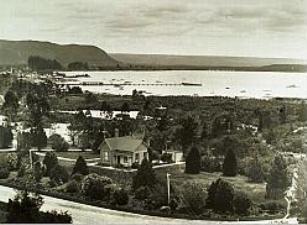
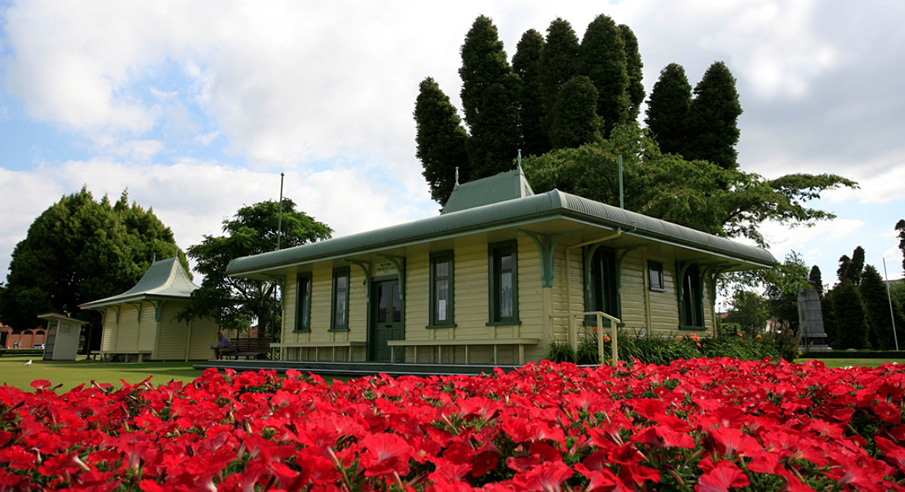
The Gardener’s Cottage is the earliest of the surviving heritage buildings in the Rotorua Government Gardens.

Built in 1899, eighteen years after the then Sanatorium Reserve was established, its construction was possibly initiated by the appointment in late 1898 of Thomas Pearson as the landscape gardener of Government Reserves in the Rotorua District. Pearson was considered one of the leading horticulturalists in New Zealand at that time. Formerly employed by the Tasmanian Government, he was reportedly engaged in major landscape works by 1900. The main fruit and vegetable garden supplying the kitchens of the Sanatorium and later the tea rooms were located at the rear of the cottage. Nearby, where the current Council nursery is located, was the site of the orchard (given the many years of cultivation of the nursery area it is unlikely any below ground evidence of the orchard plants remains). The growing of produce as specified by the first Balneologist, Dr Wohlmann, to supply the kitchens of the Sanatorium and later the tearoom, was a core requirement of the role as diet was a key component of Wohlmann’s holistic approach to healing. Scientifically extremely significant, the Rotorua Government Gardens’ grounds were used by (Sir) James Hector and the Colonial Botanic Gardens as one of the early trial grounds for the ecosystem testing of seeds and plants of potential economic merit, the Head Gardener was crucial to assisting with such tests.

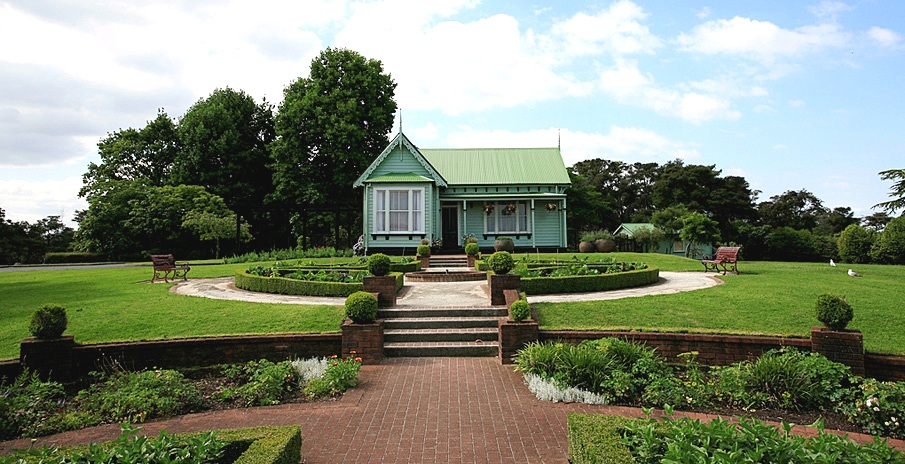
The cottage is a small bay villa with timber framing, weatherboard cladding and a corrugated iron roof. The original cottage was substantially enlarged in 1920 to 1921. Its interior has retained the original timber ceilings, doors, architraves and skirting. The timber tongue in groove floor is covered in some rooms. The cottage exterior has recently been repainted close to the original paint scheme.

The Gardener’s Cottage is significant as the earliest surviving built structure within the Rotorua Government Gardens and as the building with the strongest association with the men directly involved in forming and evolving the heritage landscape of the Rotorua Government Gardens. Archaeologically, the grounds within the Cottage’s curtilage, as a landscape of pre 1900 human activity of both its evolving decorative and fruit and vegetable gardens, are of considerable importance for information they may hold in respect of historic plant material, phytoliths etcetera. Evidence of the Rotorua Government Gardens’ changing landscape and the influence of its gardeners, provides important information and understanding of New Zealand’s gardens history and of changing plant fashions and horticultural aesthetics and practices. The Cottage is highly important as a representation of the holistic approach to medical treatment of, in particular, Wohlmann’s patients and of the changing fashion and popularity of various treatments including diet, and the importance attached to this, of consuming meals made from fresh, locally grown produce. The Cottage is associated with a number of high profile civil servants and employees who provided guidance and expertise in site planning, laying out, planting and maintaining of the landscape through time. These are specifically, John Barrett, Henry Matthews, Thomas Pearson and William Wilcox who were employed variously as Head Gardeners, Reserves Overseers and Supervisors. The Cottage reflects the status and importance afforded the senior garden related positions over time. It is the building within the Gardens that has the strongest association with the overall importance of the actual grounds. These are highly significant to education and understanding of the evolution of botanical science and garden and landscape development in New Zealand. Those who lived in the Cottage had a strong influence over the landscape changes over time, now a significant arboricultural record of the late nineteenth and twentieth century in New Zealand.
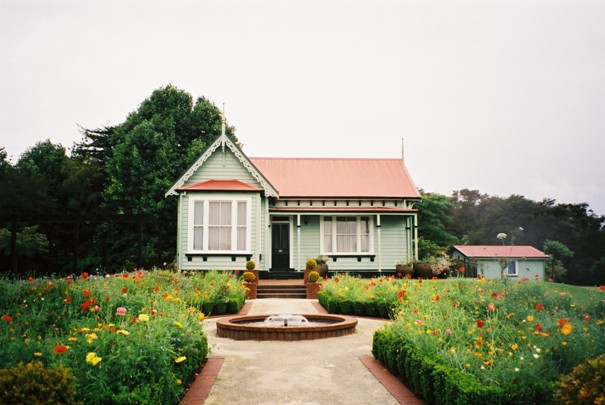
Gardener's Cottage (Former) | NZ Historic Places Trust
Gardener's Cottage (Former) | 01/06/1910 | Rotorua District Council
Gardener's Cottage (Former). Image courtesy of www.flickr.com | PhilBee NZ (Phil Braithwaite) | 02/01/2011 | PhilBee NZ (Phil Braithwaite)
Gardener's Cottage (Former) | NZ Historic Places Trust
Gardener's Cottage (Former) | 01/06/1910 | Rotorua District Council
Gardener's Cottage (Former). Image courtesy of www.flickr.com | PhilBee NZ (Phil Braithwaite) | 02/01/2011 | PhilBee NZ (Phil Braithwaite)

List Entry Information

Overview

Status
Listed

List Entry Status
Historic Place Category 2

Access
Private/No Public Access

List Number
2708

Date Entered
7th April 1983

Date of Effect
7th April 1983

City/District Council
Rotorua District

Region
Bay of Plenty Region

Legal description

Pt Sec 2 Blk I Tarawera SD (RT SA39B/971) Recreation Reserve (NZ Gazette 1984 p.2272), South Auckland Land District.

Location Description

Enter through Queens Drive and cottage is the first building on the left.

Detailed List Entry

Construction Details

Start Year

1899

Type

Original Construction

Reference

Completion Date

7th November 2011

Report Written By

G. Henry, J. Schuster, T. Ngata, L. Pattison

Report Written By

This place was identified as significant under previous legislation with different information requirements. It remains significant under the current legislation. There is opportunity under our legislation and policies to add to this information. Further information about this place may be available from the Lower Northern Office of Heritage New Zealand Pouhere Taonga. Information in this report is from the registration report for the Rotorua Government Gardens Historic Area (Register no. 7015). A fully referenced copy of this report is available from the Lower Northern Office of the NZHPT. Please note that entry on the New Zealand Heritage List/Rarangi Korero identifies only the heritage values of the property concerned, and should not be construed as advice on the state of the property, or as a comment of its soundness or safety, including in regard to earthquake risk, safety in the event of fire, or insanitary conditions.

Further Information

Current Usages

Uses: Accommodation

Specific Usage: House

Former Usages

General Usage:: Accommodation

Specific Usage: House

Themes

Of Significance to Maori

Web Links

Overview

Status

Listed

List Entry Status

Historic Place Category 2

Access

Private/No Public Access

List Number

2708

Date Entered

7th April 1983

Date of Effect

7th April 1983

City/District Council

Rotorua District

Region

Bay of Plenty Region

Legal description

Pt Sec 2 Blk I Tarawera SD (RT SA39B/971) Recreation Reserve (NZ Gazette 1984 p.2272), South Auckland Land District.

Location Description

Enter through Queens Drive and cottage is the first building on the left.

Status

Listed

List Entry Status

Historic Place Category 2

Access

Private/No Public Access

List Number

2708

Date Entered

7th April 1983

Date of Effect

7th April 1983

City/District Council

Rotorua District

Region

Bay of Plenty Region

Legal description

Pt Sec 2 Blk I Tarawera SD (RT SA39B/971) Recreation Reserve (NZ Gazette 1984 p.2272), South Auckland Land District.

Location Description

Enter through Queens Drive and cottage is the first building on the left.

Construction Information

Construction Details

Start Year

1899

Type

Original Construction

Construction Details

Start Year

1899

Type

Original Construction

Reference

Historical and Associated Iwi / Hapū / Whānau

Completion Date

7th November 2011

Report Written By

G. Henry, J. Schuster, T. Ngata, L. Pattison

Other Information

This place was identified as significant under previous legislation with different information requirements. It remains significant under the current legislation. There is opportunity under our legislation and policies to add to this information. Further information about this place may be available from the Lower Northern Office of Heritage New Zealand Pouhere Taonga. Information in this report is from the registration report for the Rotorua Government Gardens Historic Area (Register no. 7015). A fully referenced copy of this report is available from the Lower Northern Office of the NZHPT. Please note that entry on the New Zealand Heritage List/Rarangi Korero identifies only the heritage values of the property concerned, and should not be construed as advice on the state of the property, or as a comment of its soundness or safety, including in regard to earthquake risk, safety in the event of fire, or insanitary conditions.

Historical and Associated Iwi / Hapū / Whānau

Completion Date

7th November 2011

Report Written By

G. Henry, J. Schuster, T. Ngata, L. Pattison

Other Information

This place was identified as significant under previous legislation with different information requirements. It remains significant under the current legislation. There is opportunity under our legislation and policies to add to this information. Further information about this place may be available from the Lower Northern Office of Heritage New Zealand Pouhere Taonga. Information in this report is from the registration report for the Rotorua Government Gardens Historic Area (Register no. 7015). A fully referenced copy of this report is available from the Lower Northern Office of the NZHPT. Please note that entry on the New Zealand Heritage List/Rarangi Korero identifies only the heritage values of the property concerned, and should not be construed as advice on the state of the property, or as a comment of its soundness or safety, including in regard to earthquake risk, safety in the event of fire, or insanitary conditions.

Further Information

Current Usages

Uses: Accommodation

Specific Usage: House

Former Usages

General Usage: Accommodation

Specific Usage: House

Themes

Of Significance to Maori

Current Usages

Uses: Accommodation

Specific Usage: House

Former Usages

General Usage: Accommodation

Specific Usage: House

Themes

Of Significance to Maori

Location

Loading
Related listings
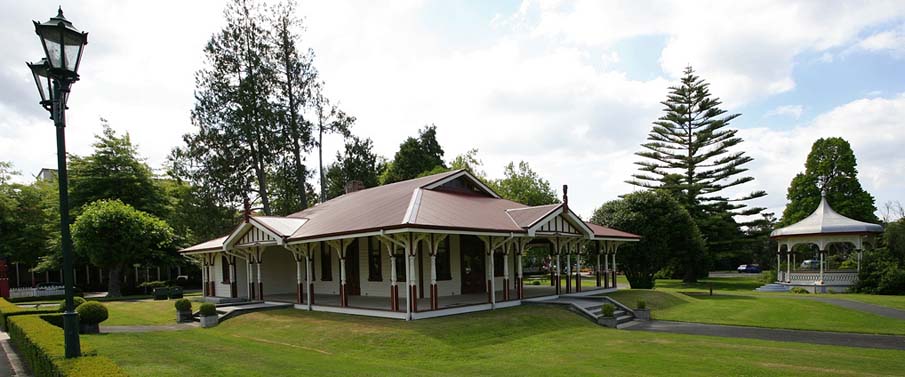
Te Runanga Tea Pavilion and Ticket Office (Former). Image courtesy of www.flickr.com
Te Runanga Tea Pavilion and Ticket Office (Former)
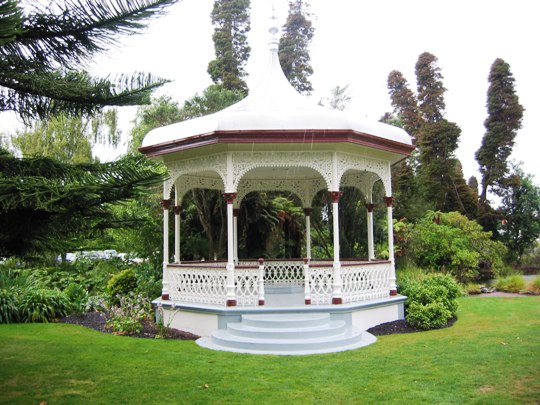
Rotunda
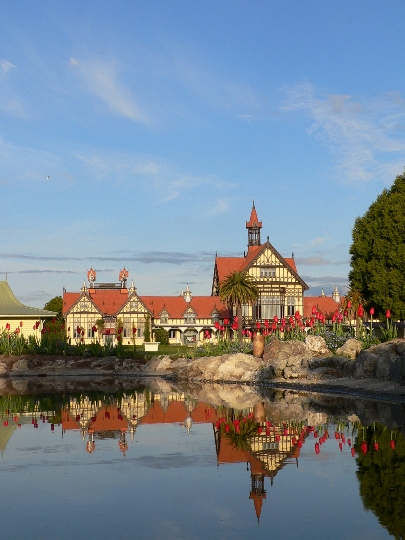
Rotorua Government Gardens Historic Area. CC BY-SA 4.0 Image courtesy of commons.wikimedia.org
Rotorua Government Gardens Historic Area
The Bath House (Former), Rotorua. CC BY-NC 2.0 Image courtesy of www.flickr.com
The Bath House (Former)
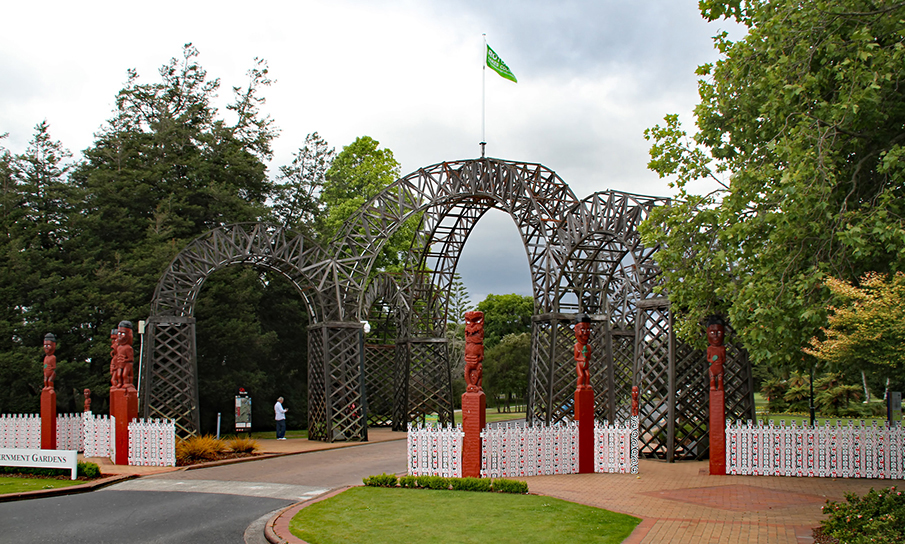
Prince’s Arch and Gateway, Rotorua. Entrance to Government Gardens CC BY 2.0 Image courtesy of commons.wikimedia.org
Prince's Arch and Gateway
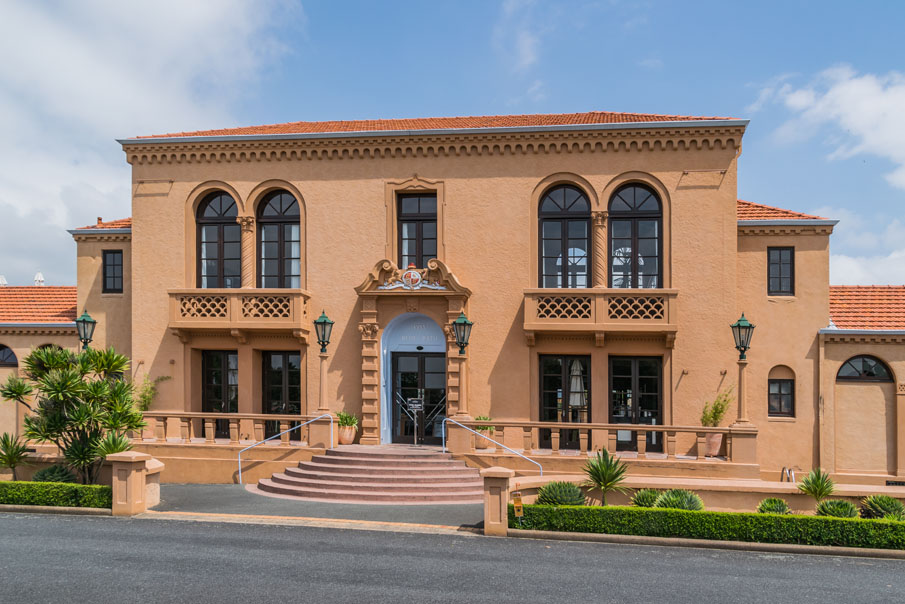
Blue Baths, Government Gardens, Rotorua. CC BY-SA 4.0 Image courtesy of commons.wikimedia.org
Blue Baths
Paepaehakumanu Motutara
The Bath House (Former), Rotorua. CC BY-NC 2.0 Image courtesy of www.flickr.com
The Bath House (Former)
Te Runanga Tea Pavilion and Ticket Office (Former). Image courtesy of www.flickr.com
Te Runanga Tea Pavilion and Ticket Office (Former)
Prince’s Arch and Gateway, Rotorua. Entrance to Government Gardens CC BY 2.0 Image courtesy of commons.wikimedia.org
Prince's Arch and Gateway
Rotunda
Blue Baths, Government Gardens, Rotorua. CC BY-SA 4.0 Image courtesy of commons.wikimedia.org
Blue Baths
Rotorua Government Gardens Historic Area. CC BY-SA 4.0 Image courtesy of commons.wikimedia.org
Rotorua Government Gardens Historic Area
Paepaehakumanu Motutara
Stay up to date with Heritage this month