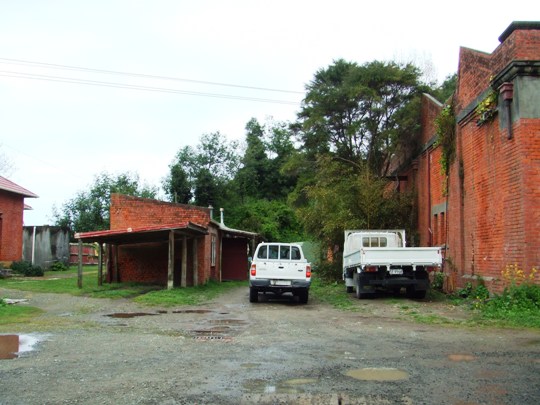
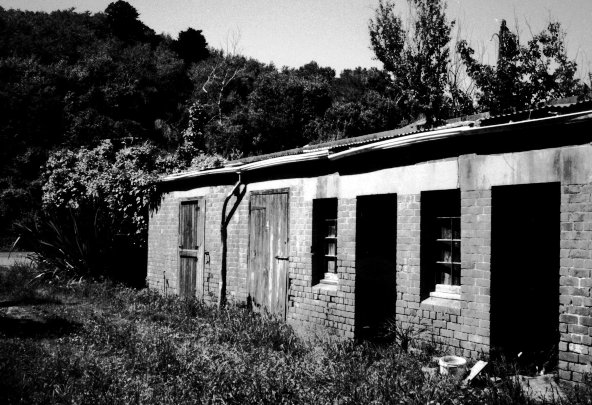
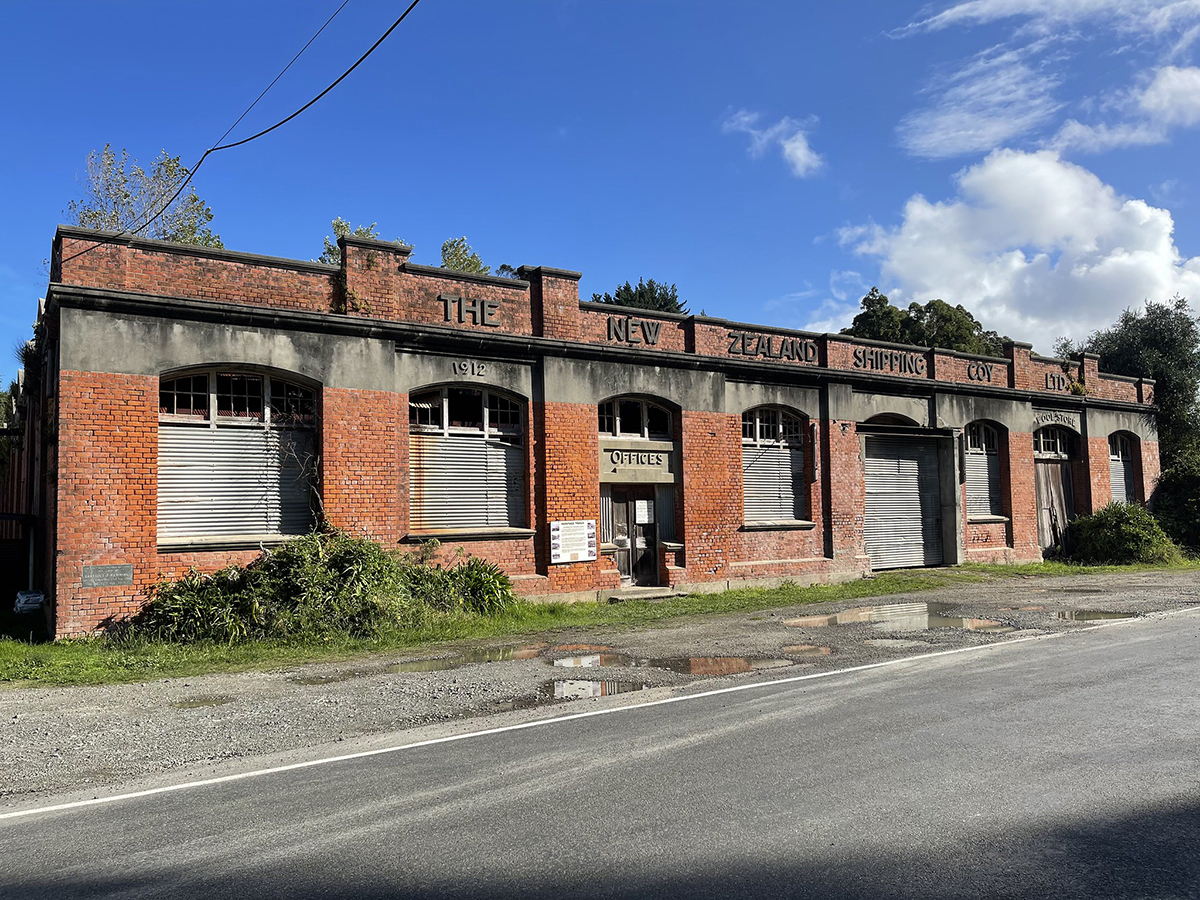
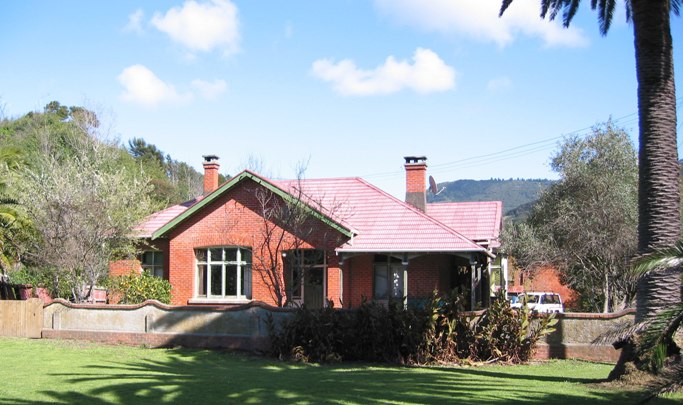
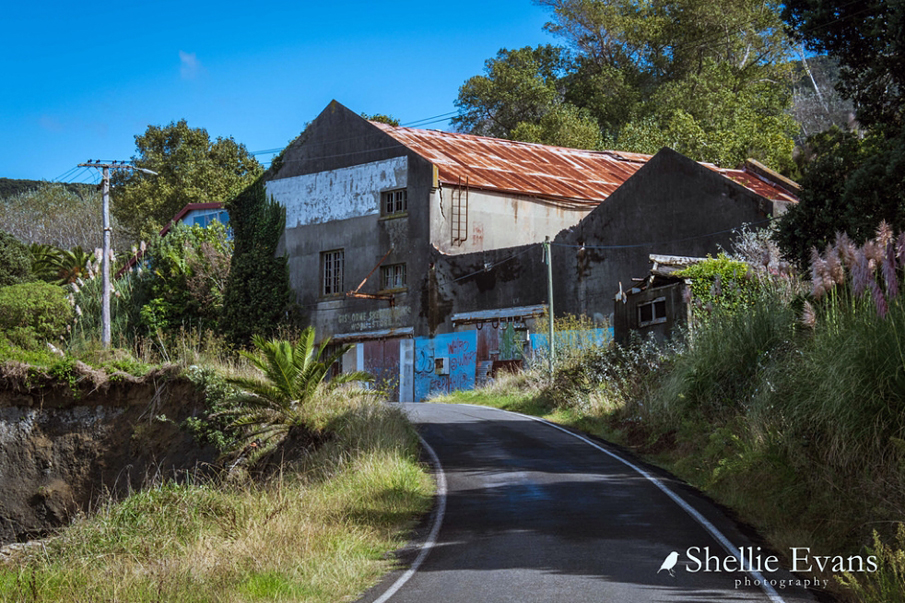
The New Zealand Shipping Company Stables (Former) in Waima are thought to have been erected in 1912 alongside the New Zealand Shipping Company Offices and Wool Store (Former) (Register No. 3480) and the New Zealand Shipping Company Manager’s House (Former) (Register No. 3479) as part of an integrated transport system for commercial purposes. The New Zealand Shipping Company Stables (Former) are historically important as a physical reminder of the reliance of local business on horse transport, and the value placed on housing and maintaining the horses by the provision of this purpose-built stable. They have historic and social significance as part of an interrelated group of structures which testify to the large-scale export industry that provided employment in Tokomaru Bay; one of the largest such industries on the East Coast.
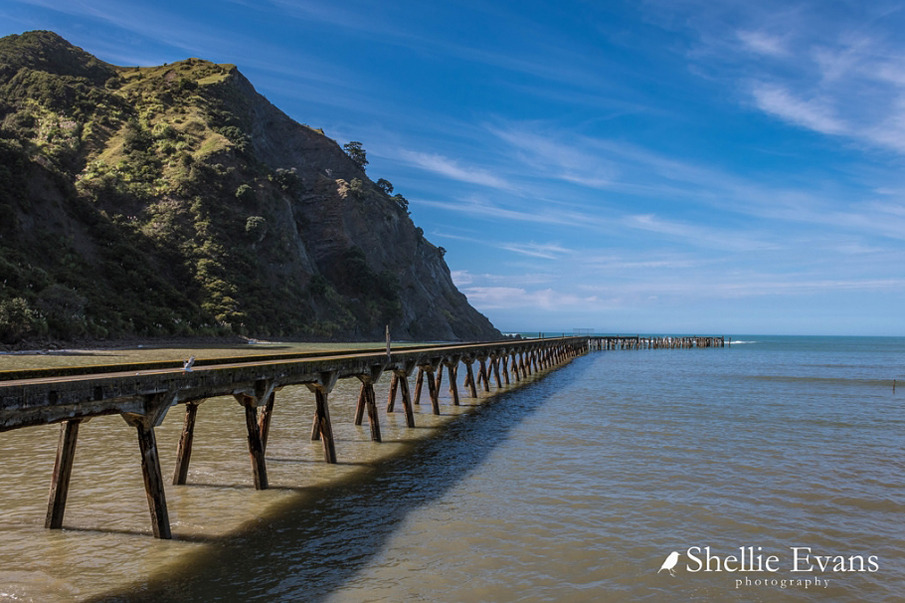
Waima is a small bay situated in the north-eastern curve of Tokomaru Bay. The district was once called Toka-a-Namu, (abundance of sandflies - namu). The principal hapu is Ngati Porou and the first people who settled in the district were tribal groups thought to be descended from ancestor Toi te Huatahi. Henare Potae (?-1895) was a prominent leader in the area. He encouraged settlement at Tokomaru Bay by granting long-term leases to graze blocks of land as sheep runs. Farming was to become the primary enterprise within the Tairawhiti region, and there was an almost total reliance on shipping and horses for transport due to poor road networks. Waima was transformed in early 1911 with the erection of the Tokomaru Bay Freezing Works. At the same time the existing wharf was extended and improved and the Tokomaru Harbour Board was established. By 1912 the New Zealand Shipping Company Offices and Wool Store had also been erected at the Waima end of Tokomaru Bay.
The New Zealand Shipping Company Stables (Former) were constructed at a similar time to the wool store and were built with the same type of bricks. Bull Bros., a Napier company, won the contract to erect a large ‘wool-shed’ for the New Zealand Shipping Company and it is believed that Bull Bros. also constructed the stables. Both the freezing works and the wool store utilised the wharf in order to ship their produce overseas, with horses being an integral part of getting much of that cargo to the wharf. The Freezing Works were built on two levels on the hillside. On the lower level, a small rail ferried cargo, however the upper levels relied on horse transport to move cargo around. The poor quality of East Coast roads and uneven terrain meant that horse transport was still being used extensively throughout the East Coast region long after other areas were utilising motor transport.
In 1927 the Tokomaru Harbour Board purchased all the New Zealand Shipping Company property at Waima, including the New Zealand Shipping Company Stables (Former). In 1963 the Harbour Board was dissolved and its powers were transferred to the Waiapu County Council (amalgamated into the Gisborne District Council in 1989). The New Zealand Shipping Company Stables (Former) are on the same title as the New Zealand Shipping Company Offices and Wool Store (Former) and were sold in 1992. The stables are currently used as a storage area by the inhabitants of the New Zealand Shipping Company Manager’s House (Former) (Register No. 3479).
Waima is a small bay situated in the north-eastern curve of Tokomaru Bay. The district was once called Toka-a-Namu, (abundance of sandflies - namu). The principal hapu is Ngati Porou and the first people who settled in the district were tribal groups thought to be descended from ancestor Toi te Huatahi. Henare Potae (?-1895) was a prominent leader in the area. He encouraged settlement at Tokomaru Bay by granting long-term leases to graze blocks of land as sheep runs. Farming was to become the primary enterprise within the Tairawhiti region, and there was an almost total reliance on shipping and horses for transport due to poor road networks. Waima was transformed in early 1911 with the erection of the Tokomaru Bay Freezing Works. At the same time the existing wharf was extended and improved and the Tokomaru Harbour Board was established. By 1912 the New Zealand Shipping Company Offices and Wool Store had also been erected at the Waima end of Tokomaru Bay.
The New Zealand Shipping Company Stables (Former) were constructed at a similar time to the wool store and were built with the same type of bricks. Bull Bros., a Napier company, won the contract to erect a large ‘wool-shed’ for the New Zealand Shipping Company and it is believed that Bull Bros. also constructed the stables. Both the freezing works and the wool store utilised the wharf in order to ship their produce overseas, with horses being an integral part of getting much of that cargo to the wharf. The Freezing Works were built on two levels on the hillside. On the lower level, a small rail ferried cargo, however the upper levels relied on horse transport to move cargo around. The poor quality of East Coast roads and uneven terrain meant that horse transport was still being used extensively throughout the East Coast region long after other areas were utilising motor transport.
In 1927 the Tokomaru Harbour Board purchased all the New Zealand Shipping Company property at Waima, including the New Zealand Shipping Company Stables (Former). In 1963 the Harbour Board was dissolved and its powers were transferred to the Waiapu County Council (amalgamated into the Gisborne District Council in 1989). The New Zealand Shipping Company Stables (Former) are on the same title as the New Zealand Shipping Company Offices and Wool Store (Former) and were sold in 1992. The stables are currently used as a storage area by the inhabitants of the New Zealand Shipping Company Manager’s House (Former) (Register No. 3479).