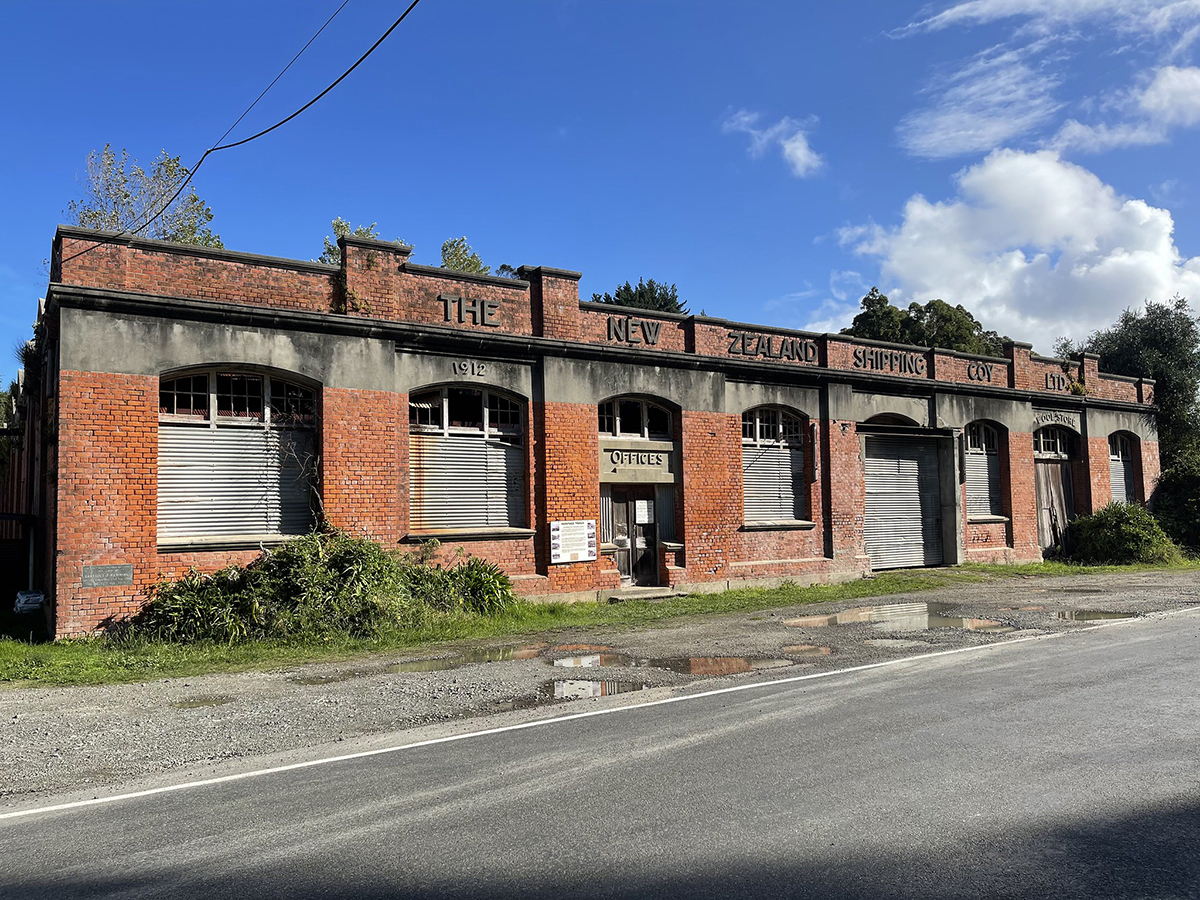
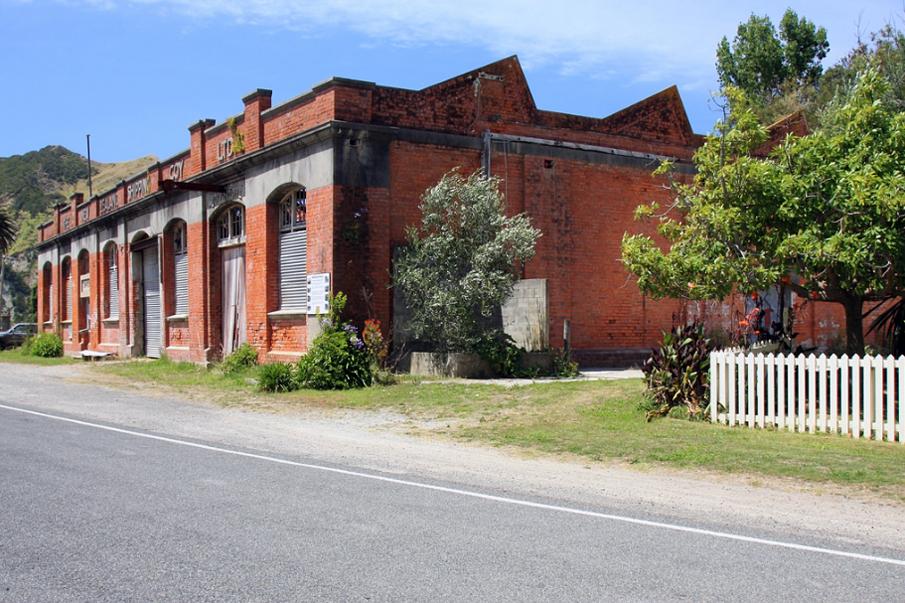
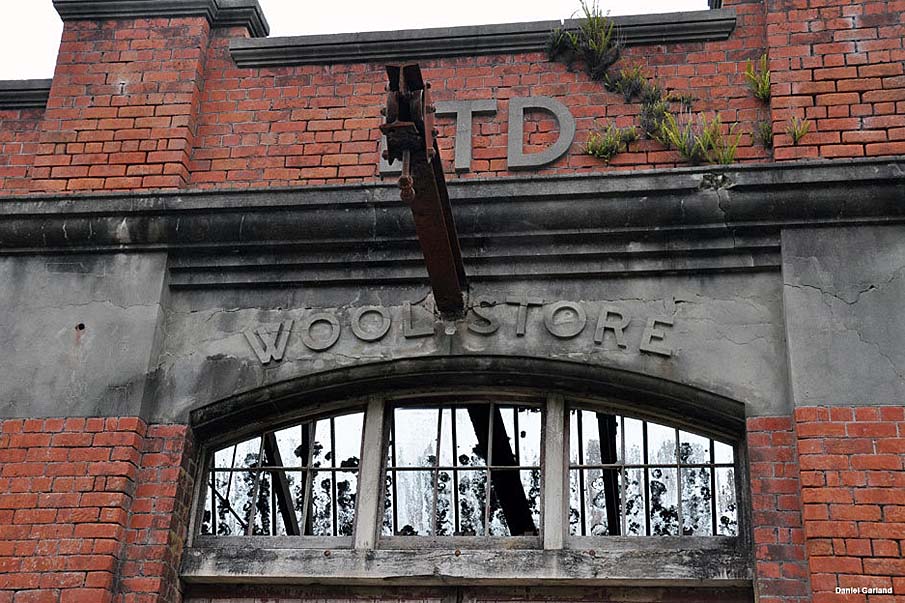
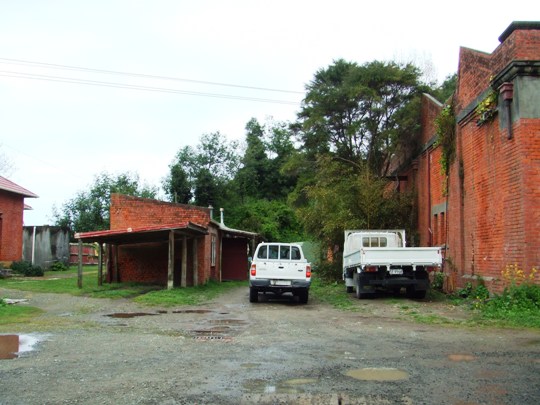
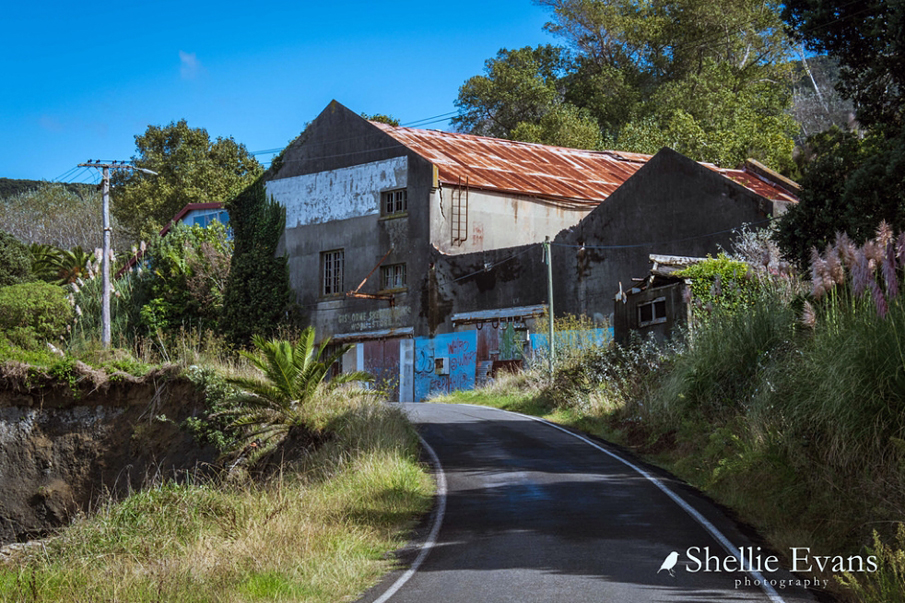
The New Zealand Shipping Company Offices and Wool Store (Former) in Waima was erected in 1912, taking advantage of the newly built wharf and export opportunities generated by the new Tokomaru Freezing Works. The New Zealand Shipping Company Offices and Wool Store (Former) has aesthetic, historical and social significance as part of an interrelated group of structures that testify to the large-scale industry which provided employment in Tokomaru Bay. The New Zealand Shipping Company was one of the largest industries on the East Coast and was nationally significant, being one of the primary frozen meat transport firms. The building shows how commercial activity relied on good shipping links in the area. The New Zealand Shipping Company Offices and Wool Store (Former) provided a social function room on occasion for the community. The building is an imposing landmark in the area with the red brick providing a striking contrast to its surroundings.
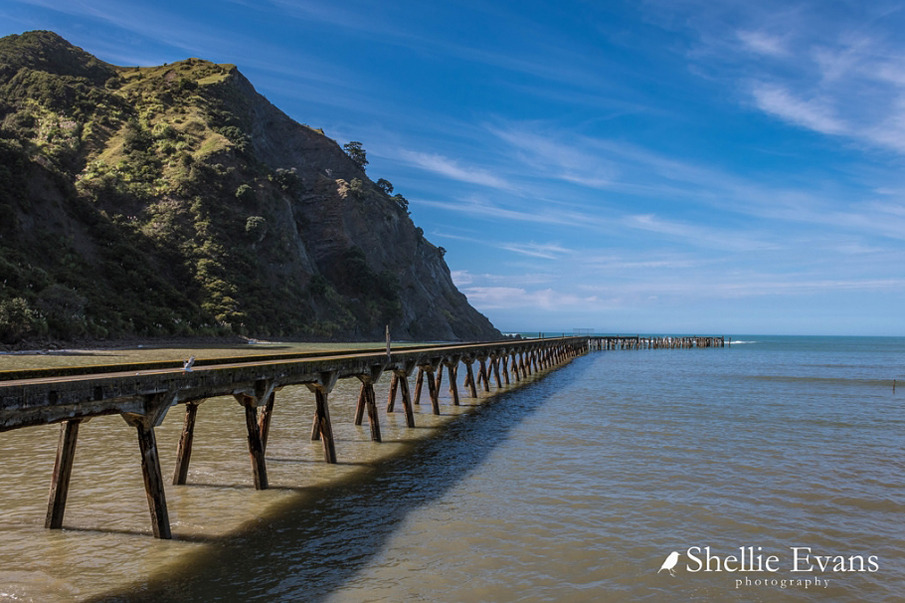
Waima is a small bay situated in the north-eastern curve of Tokomaru Bay. The district was once called Toka-a-Namu, (abundance of sandflies - namu). The principal hapu is Ngati Porou and the first people who settled in the district were tribal groups thought to be descended from ancestor Toi te Huatahi. Henare Potae (?-1895) was a prominent leader in the area. He encouraged settlement at Tokomaru Bay by granting long-term leases to graze blocks of land as sheep runs. Farming was to become the primary enterprise within the Tairawhiti region, and there was an almost total reliance on shipping for transport due to poor road networks. Waima was transformed in early 1911 with the erection of the Tokomaru Bay Freezing Works. At the same time the existing wharf was extended and improved and the Tokomaru Harbour Board was established.
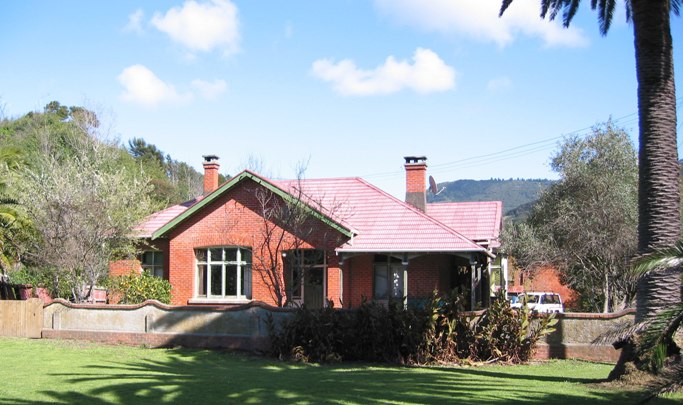
In June 1911 Bull Bros., a Napier company, won the contract to erect a large ‘wool-shed’ for the New Zealand Shipping Company and by October was underway with construction. An article in the Poverty Bay Herald described the highly anticipated building as being constructed from brick. In May 1912 the paper stated that owing to a labour shortage work was not progressing quickly; however, that same month the first brick for the Wool Store was laid by Captain Hemming of the Rimutaka in a ceremony. It is thought that the Wool Store and adjacent New Zealand Shipping Company Manager’s House (Register No. 3479) and Stable Block (Register No. 3478) were completed in 1912. The building also housed offices for the Tokomaru Harbour Board. The Wool Store was soon pressed into service as a function room, hosting a dance and supper in aid of the English Church fund in July 1913. Further social functions were held on the premises later in the year. The building was also used by the Bishop of Waiapu as a place to preach in 1914 and that same year as a meeting place for a Reform Party candidate committee meeting.
In 1927 the Tokomaru Harbour Board purchased all the New Zealand Shipping Company property at Waima, including the New Zealand Shipping Company Offices and Wool Store (Former). A lean-to (no longer extant) was erected in 1942 on the southwest of the building and a door was cut in the side of the building. The Harbour Board continued using the building until 1963 when the Harbour Board was dissolved and its powers were transferred to the Waiapu County Council (amalgamated into the Gisborne District Council in 1989). The council installed a maize dryer in the building. Subsequently the building was used for superphosphate storage by Chaffrey’s Transport who leased it from the council. The building was sold in 1992 and is currently used by locals for overflow storage and a workshop.
Waima is a small bay situated in the north-eastern curve of Tokomaru Bay. The district was once called Toka-a-Namu, (abundance of sandflies - namu). The principal hapu is Ngati Porou and the first people who settled in the district were tribal groups thought to be descended from ancestor Toi te Huatahi. Henare Potae (?-1895) was a prominent leader in the area. He encouraged settlement at Tokomaru Bay by granting long-term leases to graze blocks of land as sheep runs. Farming was to become the primary enterprise within the Tairawhiti region, and there was an almost total reliance on shipping for transport due to poor road networks. Waima was transformed in early 1911 with the erection of the Tokomaru Bay Freezing Works. At the same time the existing wharf was extended and improved and the Tokomaru Harbour Board was established.
In June 1911 Bull Bros., a Napier company, won the contract to erect a large ‘wool-shed’ for the New Zealand Shipping Company and by October was underway with construction. An article in the Poverty Bay Herald described the highly anticipated building as being constructed from brick. In May 1912 the paper stated that owing to a labour shortage work was not progressing quickly; however, that same month the first brick for the Wool Store was laid by Captain Hemming of the Rimutaka in a ceremony. It is thought that the Wool Store and adjacent New Zealand Shipping Company Manager’s House (Register No. 3479) and Stable Block (Register No. 3478) were completed in 1912. The building also housed offices for the Tokomaru Harbour Board. The Wool Store was soon pressed into service as a function room, hosting a dance and supper in aid of the English Church fund in July 1913. Further social functions were held on the premises later in the year. The building was also used by the Bishop of Waiapu as a place to preach in 1914 and that same year as a meeting place for a Reform Party candidate committee meeting.
In 1927 the Tokomaru Harbour Board purchased all the New Zealand Shipping Company property at Waima, including the New Zealand Shipping Company Offices and Wool Store (Former). A lean-to (no longer extant) was erected in 1942 on the southwest of the building and a door was cut in the side of the building. The Harbour Board continued using the building until 1963 when the Harbour Board was dissolved and its powers were transferred to the Waiapu County Council (amalgamated into the Gisborne District Council in 1989). The council installed a maize dryer in the building. Subsequently the building was used for superphosphate storage by Chaffrey’s Transport who leased it from the council. The building was sold in 1992 and is currently used by locals for overflow storage and a workshop.