Quick links


Quick links
Quick links
Quick links
Quick links
Quick links
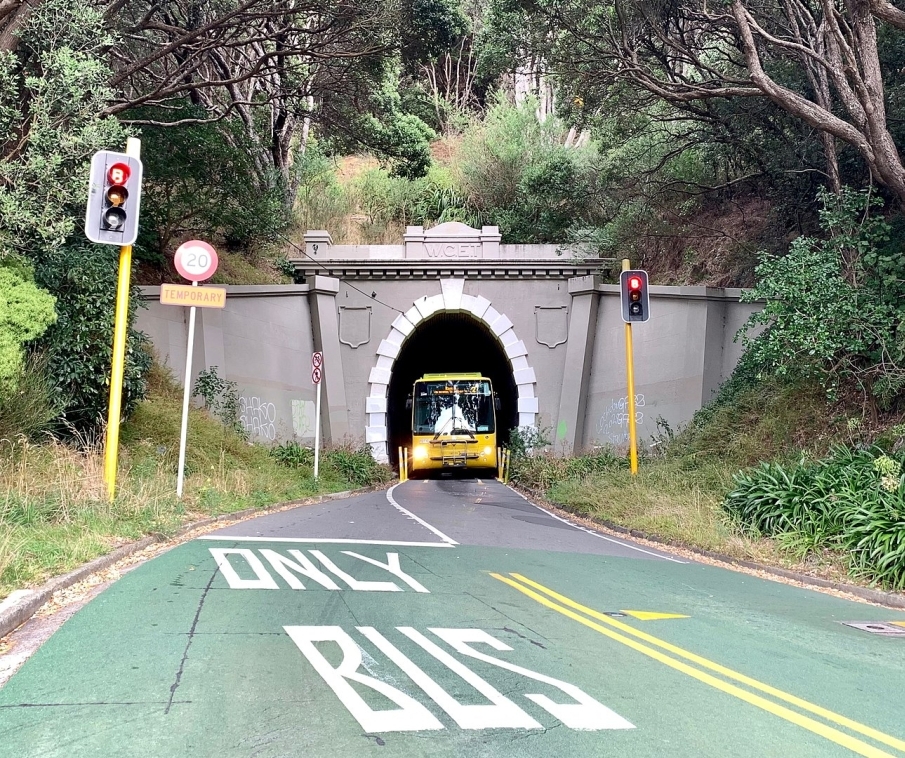
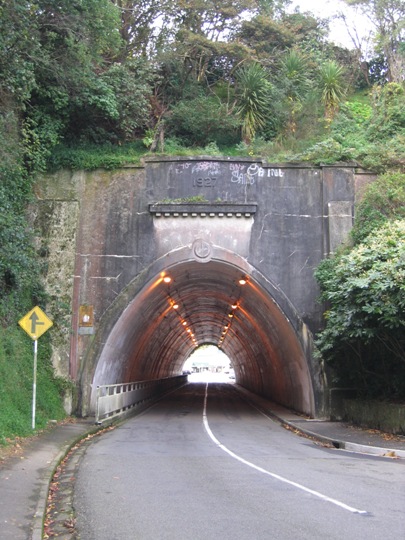
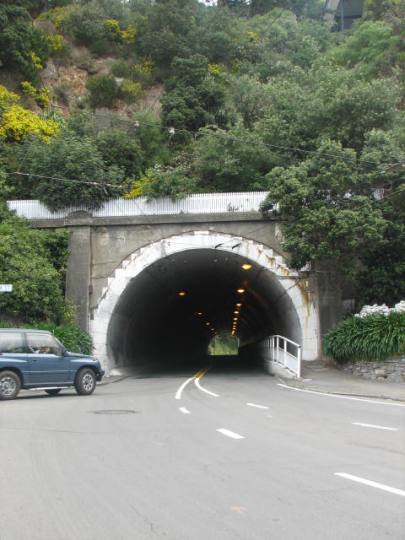
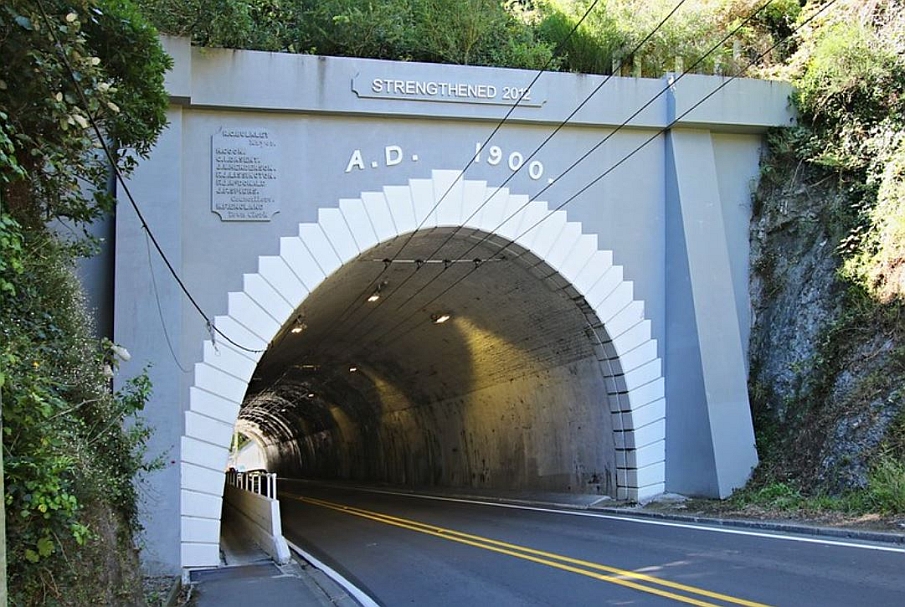
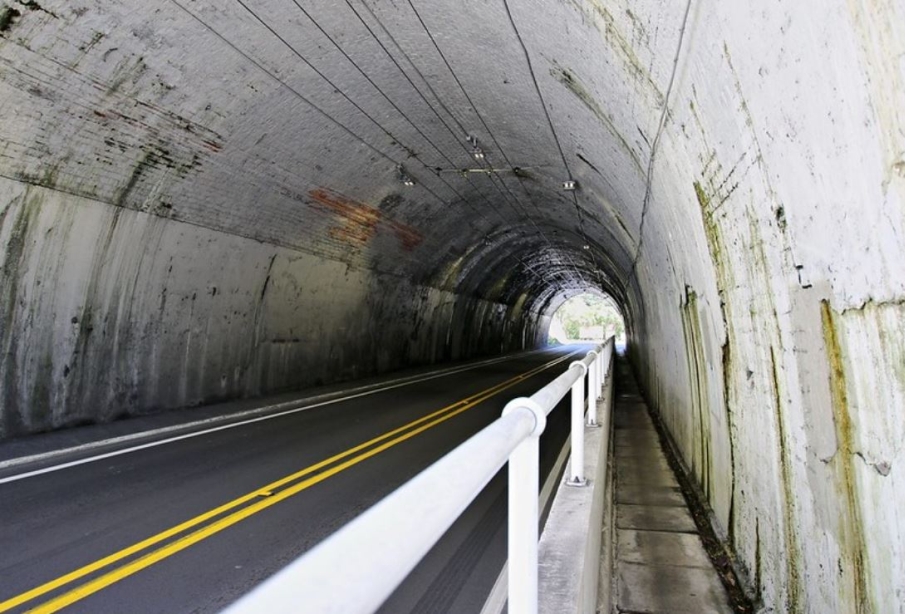
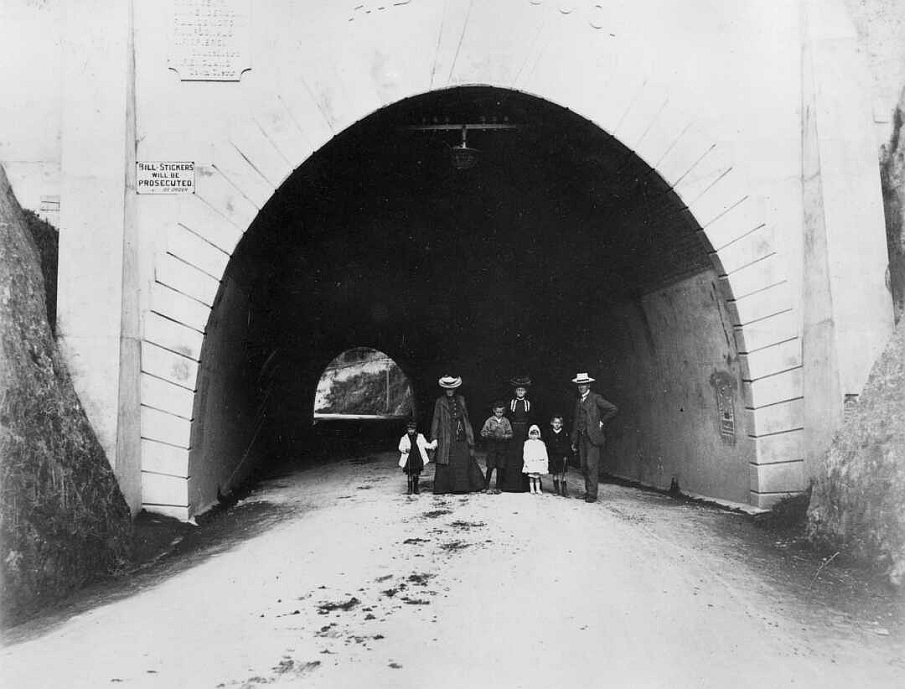
Chaytor Street and Glenmore Street, Karori, WELLINGTON
Public
Historic Place Category 2
List No. 3601
List Entry Information
Status
Listed
List Entry Status
Historic Place Category 2
Access
Able to Visit
List Number
3601
Date Entered
28th June 1984
Date of Effect
28th June 1984
City/District Council
Wellington City
Region
Wellington Region
Extent of List Entry
Extent includes part of the land described as Legal Road, Wellington Land District, and the structure known as Karori Tunnel thereon. Refer to the map tabled at the Rārangi Kōrero Committee meeting on 21 November 2024.
Legal description
Legal Road, Wellington Land District
Status
Listed
List Entry Status
Historic Place Category 2
Access
Able to Visit
List Number
3601
Date Entered
28th June 1984
Date of Effect
28th June 1984
City/District Council
Wellington City
Region
Wellington Region
Extent of List Entry
Extent includes part of the land described as Legal Road, Wellington Land District, and the structure known as Karori Tunnel thereon. Refer to the map tabled at the Rārangi Kōrero Committee meeting on 21 November 2024.
Legal description
Legal Road, Wellington Land District
Construction Professional
Name
Ward, Thomas
Type
Engineer
Biography
Name
Fulton, James Edward
Type
Engineer
Biography
Fulton (1854-1928) was one of New Zealand's most prominent engineers. Born in Dunedin in 1854 he worked for a short time as an engineer in flax mill. He was then appointed cadet in the Public Works Department. In 1875 he was transferred to Napier where in 1878 he was promoted to Assistant Engineer in 1878. In 1880 he entered private practice. In 1882 he was Resident Engineer for the Palmerston-Waikanae section of the Wellington-Manawatu Railway, and in 1889 he became manager and locomotive superintendent of the railway. From 1897 he designed and built the Kelburn Cable Tramway, the original Kelburn Viaduct across Tinakori Gully and numerous bridges, including the Ballance Bridge over the Manawatu River, and the Otaki, Ohau, Rangitikei, Lower Shotover Bridges. He designed and built railways for timber companies in the Central North Island. In 1906 he visited the United States, Great Britain, and Europe to study advances in bridge and railway engineering. He worked on the Leamington Bridge on his return. He was an active member of professional engineering bodies in New Zealand and is now commemorated by the Fulton Bequest for the present day Institution of Professional Engineers in New Zealand.
Name
Karori Borough Council
Type
Builder
Biography
Name
Fulton Hogan
Type
Builder
Biography
Name
McWilliams, John
Type
Builder
Biography
Name
Slowey, Thomas F.
Type
Builder
Biography
Construction Details
Start Year
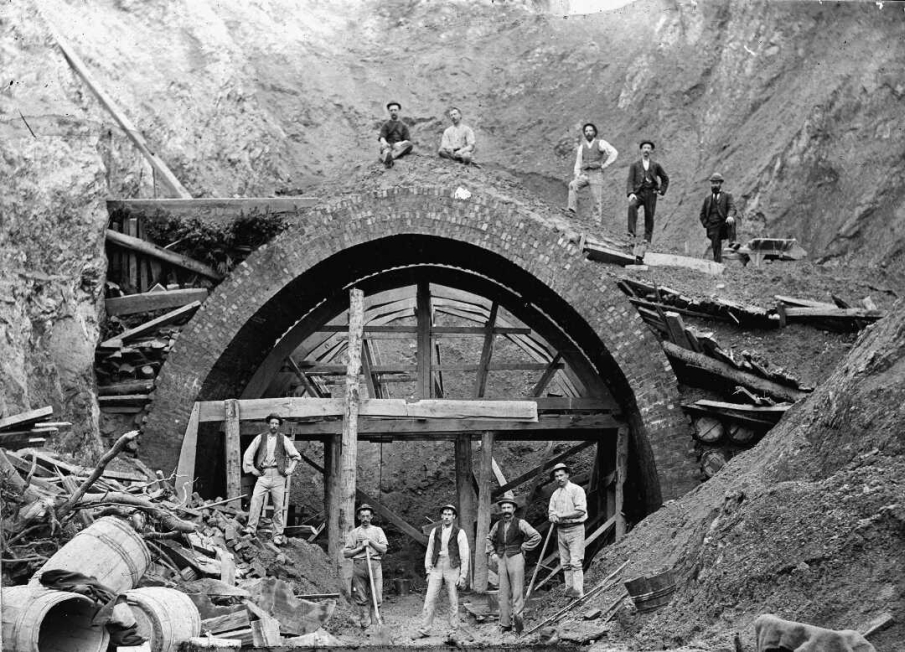
1897
Finish Year
1901
Type
Original Construction
Start Year
1914
Type
Maintenance/repairs
Description
Maintenance to tram tracks.
Start Year
1998
Type
Maintenance/repairs
Description
Installation of footpath barrier and new lights
Start Year
2003
Type
Maintenance/repairs
Description
Cleaning and painting
Start Year
2011
Finish Year
2012
Type
Maintenance/repairs
Description
Seismic Strengthening
Construction Professional
Name
Ward, Thomas
Type
Engineer
Biography
Name
Fulton, James Edward
Type
Engineer
Biography
Fulton (1854-1928) was one of New Zealand's most prominent engineers. Born in Dunedin in 1854 he worked for a short time as an engineer in flax mill. He was then appointed cadet in the Public Works Department. In 1875 he was transferred to Napier where in 1878 he was promoted to Assistant Engineer in 1878. In 1880 he entered private practice. In 1882 he was Resident Engineer for the Palmerston-Waikanae section of the Wellington-Manawatu Railway, and in 1889 he became manager and locomotive superintendent of the railway. From 1897 he designed and built the Kelburn Cable Tramway, the original Kelburn Viaduct across Tinakori Gully and numerous bridges, including the Ballance Bridge over the Manawatu River, and the Otaki, Ohau, Rangitikei, Lower Shotover Bridges. He designed and built railways for timber companies in the Central North Island. In 1906 he visited the United States, Great Britain, and Europe to study advances in bridge and railway engineering. He worked on the Leamington Bridge on his return. He was an active member of professional engineering bodies in New Zealand and is now commemorated by the Fulton Bequest for the present day Institution of Professional Engineers in New Zealand.
Name
Karori Borough Council
Type
Builder
Biography
Name
Fulton Hogan
Type
Builder
Biography
Name
McWilliams, John
Type
Builder
Biography
Name
Slowey, Thomas F.
Type
Builder
Biography
Construction Details
Start Year
1897
Finish Year
1901
Type
Original Construction
Start Year
1914
Type
Maintenance/repairs
Description
Maintenance to tram tracks.
Start Year
1998
Type
Maintenance/repairs
Description
Installation of footpath barrier and new lights
Start Year
2003
Type
Maintenance/repairs
Description
Cleaning and painting
Start Year
2011
Finish Year
2012
Type
Maintenance/repairs
Description
Seismic Strengthening
Historical and Associated Iwi / Hapū / Whānau
Completion Date
1st October 2024
Report Written By
Anna Renton-Green
Information Sources
Wellington Heritage Inventory, Karori Tunnel
Wellington City Council, Heritage Objects https://www.wellingtoncityheritage.org.nz/buildings/objects/6-karori tunnel#:~:text=The%20Karori%20Tunnel%20portals%20have%20been%20altered%20significantly
Burch, 2000
Judith Burch, Getting to Karori: Before and After the Tunnel, The Stockade, 33, 2000, Magazine of the Karori Historical Society (Inc). https://archivesonline.wcc.govt.nz/nodes/view/853921
Other Information
A copy of the fully referenced summary report is available upon request from the Central Regional Office of Heritage New Zealand Pouhere Taonga This place was identified as significant under previous legislation with different information requirements. It remains significant under the current legislation. There is opportunity under our legislation and policies to add to this information. Further information about this place may be available from the Central Regional Office of Heritage New Zealand Pouhere Taonga. Please note that entry on the New Zealand Heritage List/Rārangi Kōrero identifies only the heritage values of the property concerned, and should not be construed as advice on the state of the property, or as a comment of its soundness or safety, including in regard to earthquake risk, safety in the event of fire, or insanitary conditions.
Historical and Associated Iwi / Hapū / Whānau
Completion Date
1st October 2024
Report Written By
Anna Renton-Green
Information Sources
Wellington Heritage Inventory, Karori Tunnel
Wellington City Council, Heritage Objects https://www.wellingtoncityheritage.org.nz/buildings/objects/6-karori tunnel#:~:text=The%20Karori%20Tunnel%20portals%20have%20been%20altered%20significantly
Burch, 2000
Judith Burch, Getting to Karori: Before and After the Tunnel, The Stockade, 33, 2000, Magazine of the Karori Historical Society (Inc). https://archivesonline.wcc.govt.nz/nodes/view/853921
Other Information
A copy of the fully referenced summary report is available upon request from the Central Regional Office of Heritage New Zealand Pouhere Taonga This place was identified as significant under previous legislation with different information requirements. It remains significant under the current legislation. There is opportunity under our legislation and policies to add to this information. Further information about this place may be available from the Central Regional Office of Heritage New Zealand Pouhere Taonga. Please note that entry on the New Zealand Heritage List/Rārangi Kōrero identifies only the heritage values of the property concerned, and should not be construed as advice on the state of the property, or as a comment of its soundness or safety, including in regard to earthquake risk, safety in the event of fire, or insanitary conditions.
Current Usages
Uses: Transport
Specific Usage: Tunnel
Current Usages
Uses: Transport
Specific Usage: Tunnel
Location
Get the latest heritage news, features and events delivered
straight to your inbox.