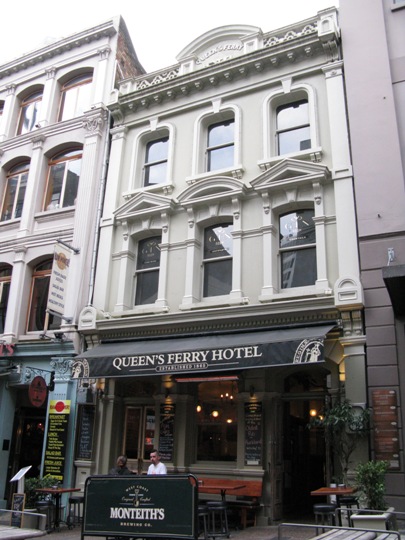
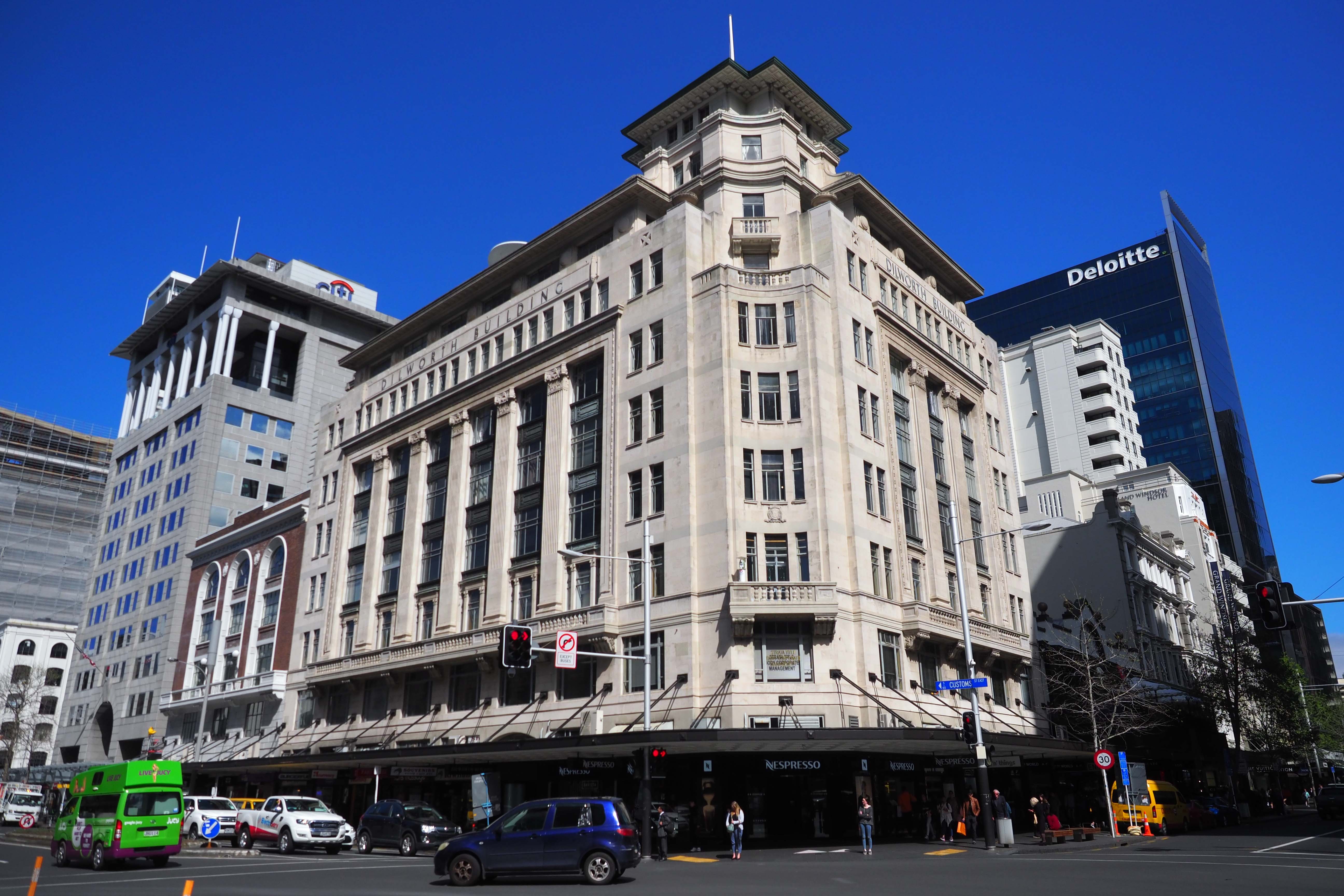
The Vulcan Buildings complex is a medium-sized office block in central Auckland, whose high-quality and visually eclectic style reflects the prosperity of the 1920s. Prominently positioned on the corner of Queen Street and Vulcan Lane, it was erected in 1928 on vacant land created by the widening of Vulcan Lane. The lane is one of Auckland's earliest colonial side streets, that became a desirable location for new offices as economic activity in the city centre boomed. Numerous high-profile offices were constructed in the area, particularly where the smaller lanes met major commercial thoroughfares.
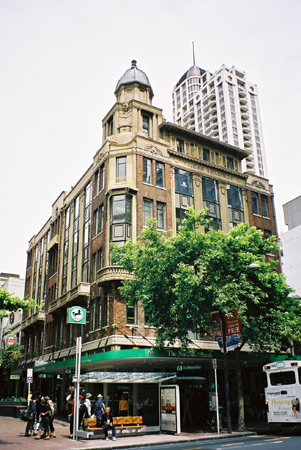
The external appearance of the five-storey building is much as it was when first constructed. Designed by Holman, Moses and Watkins, it has highly decorated external facades, including a distinctive corner turret with cupola, and ornate public interiors. The building was constructed to accommodate shops on the ground floor, with different-sized offices and caretaker's accommodation above. Occupied by a variety of small businesses, the building emphasised conservative architectural styles such as Stripped Classical and Baroque, while displaying 'modernity' through the use of Chicago-style and Art Nouveau imagery. Its up-to-date construction technology was similarly underplayed, with its reinforced concrete frame either being detailed to look like masonry or faced with brick. This approach differed considerably from the monolithic appearance of larger office blocks and later Modernist design in the area, which sought to reduce the cost of structures as well as convey messages about commercial imperatives and corporate power through the steamlining of ornamentation. Restored in the 1980s, the building retains its external impact and original public interiors, although many of its other internal spaces have been replaced by open-plan offices.
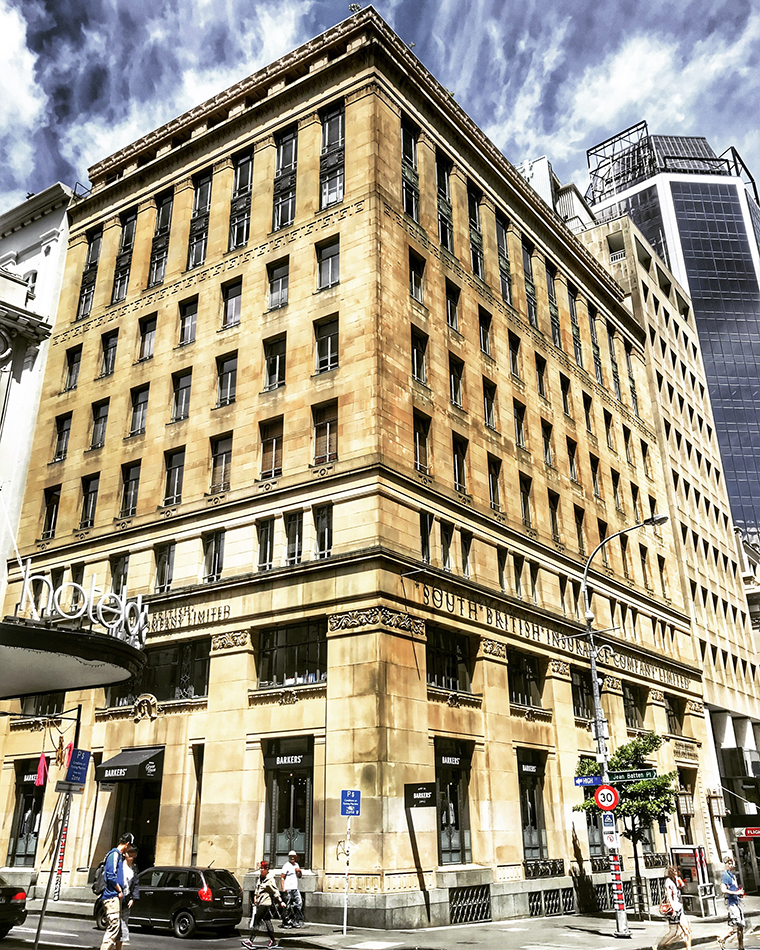
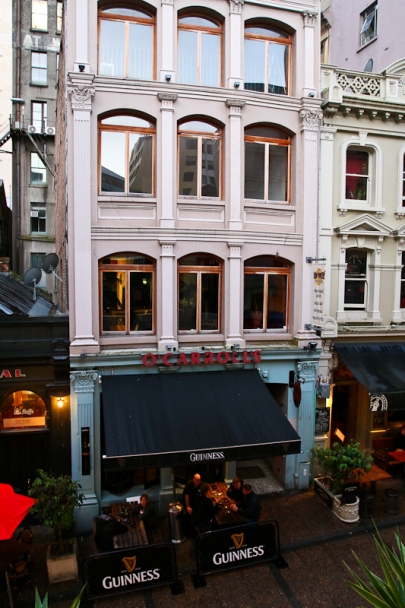
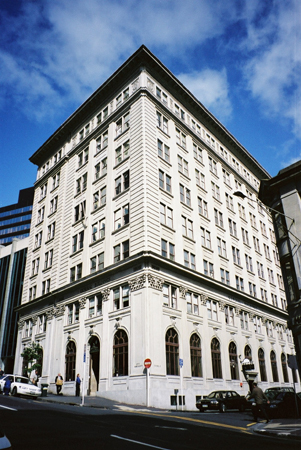
The Vulcan Buildings complex is significant as one of the most distinctive office blocks in Auckland, reflecting the economic wealth and artistic freedom of the 1920s. It is a reminder of the importance of small businesses to urban centres in the early twentieth century, and the scale of much development at that time. It provides a valuable contrast to the larger Chicago-style office blocks of the same period, such as the South British Insurance Company Building, that were built in adjacent streets. It forms an important group with these structures, demonstrating considerable variety in the appearance and use of office space in 1920s Auckland. The building is particularly important for its contribution to the local streetscape and character of the area, having high visibility and aesthetic qualities. It is a prominent landmark at the main entrance of Vulcan Lane, which is both one of the most intact early twentieth-century commercial thoroughfares in the historic centre of Auckland and a popular pedestrian precinct.
The external appearance of the five-storey building is much as it was when first constructed. Designed by Holman, Moses and Watkins, it has highly decorated external facades, including a distinctive corner turret with cupola, and ornate public interiors. The building was constructed to accommodate shops on the ground floor, with different-sized offices and caretaker's accommodation above. Occupied by a variety of small businesses, the building emphasised conservative architectural styles such as Stripped Classical and Baroque, while displaying 'modernity' through the use of Chicago-style and Art Nouveau imagery. Its up-to-date construction technology was similarly underplayed, with its reinforced concrete frame either being detailed to look like masonry or faced with brick. This approach differed considerably from the monolithic appearance of larger office blocks and later Modernist design in the area, which sought to reduce the cost of structures as well as convey messages about commercial imperatives and corporate power through the steamlining of ornamentation. Restored in the 1980s, the building retains its external impact and original public interiors, although many of its other internal spaces have been replaced by open-plan offices.
The Vulcan Buildings complex is significant as one of the most distinctive office blocks in Auckland, reflecting the economic wealth and artistic freedom of the 1920s. It is a reminder of the importance of small businesses to urban centres in the early twentieth century, and the scale of much development at that time. It provides a valuable contrast to the larger Chicago-style office blocks of the same period, such as the South British Insurance Company Building, that were built in adjacent streets. It forms an important group with these structures, demonstrating considerable variety in the appearance and use of office space in 1920s Auckland. The building is particularly important for its contribution to the local streetscape and character of the area, having high visibility and aesthetic qualities. It is a prominent landmark at the main entrance of Vulcan Lane, which is both one of the most intact early twentieth-century commercial thoroughfares in the historic centre of Auckland and a popular pedestrian precinct.