DonateMembershipVisit Heritage
  • Tūrangawaewae
    Places
  • Tira Māori
    Māori Heritage
  • Poutairangahia
    Archaeology
  • Rauemi
    Resources
  • Mō Tātou
    About Us
  • New Zealand Heritage List
  • Nominate and submit
  • Explore the List
  • National Historic Landmarks
  • Plaques
  • Rainbow List Project
  • Lost heritage
  • Visit Heritage
  • Our properties
  • Turnbull House Project
  • Collections
  • Shop
  • Tohu Whenua
  • Tira Māori
  • Conserving Māori heritage
  • Marae built heritage
  • Māori heritage on the List
  • Hinemihi—Te Hokinga Mai
  • What is archaeology?
  • Is there a site on my property?
  • What are my legal requirements?
  • Affecting an archaeological site
  • Declaring an archaeological site
  • Archaeology FAQs
  • Archaeology Digital Library
  • Archaeology guidelines and templates
  • Resources
  • Funding
  • Publications
  • Sustainable management guides
  • Disaster recovery
  • Podcasts & digital resources
  • Education Hub
  • Conservation plans
  • About
  • Board
  • Māori Heritage Council
  • Senior Staff
  • Offices
  • Contact us
  • Careers
  • Covenants
  • Fast-track
  • Corporate documents
  • Currently consulting on
  • Our submissions
  • News
  • Covid-19 response
Quick links
Rārangi Kōrero | The List
Explore the List
National Historic Landmarks
Ngā Manawhenua o Aotearoa me ōna Kōrero Tūturu
Quick links
Tapuwae
A Vision for Places of Māori Heritage
Funding for Māori Heritage
Resources
Quick links
Archaeological Authority Portal
Applying for an archaeological authority
Archaeology FAQs
Browse the most frequently asked questions about archaeological authorities and the archaeological process.
Quick links
Quick links
News
News Keep up to date with Heritage New Zealand Pouhere Taonga
Membership
Membership Find out more and sign up today
DonateMembershipVisit Heritage
  • Tūrangawaewae
    Places
  • Tira Māori
    Māori Heritage
  • Poutairangahia
    Archaeology
  • Rauemi
    Resources
  • Mō Tātou
    About Us
  • New Zealand Heritage List
  • Nominate and submit
  • Explore the List
  • National Historic Landmarks
  • Plaques
  • Rainbow List Project
  • Lost heritage
  • Visit Heritage
  • Our properties
  • Turnbull House Project
  • Collections
  • Shop
  • Tohu Whenua
  • Tira Māori
  • Conserving Māori heritage
  • Marae built heritage
  • Māori heritage on the List
  • Hinemihi—Te Hokinga Mai
  • What is archaeology?
  • Is there a site on my property?
  • What are my legal requirements?
  • Affecting an archaeological site
  • Declaring an archaeological site
  • Archaeology FAQs
  • Archaeology Digital Library
  • Archaeology guidelines and templates
  • Resources
  • Funding
  • Publications
  • Sustainable management guides
  • Disaster recovery
  • Podcasts & digital resources
  • Education Hub
  • Conservation plans
  • About
  • Board
  • Māori Heritage Council
  • Senior Staff
  • Offices
  • Contact us
  • Careers
  • Covenants
  • Fast-track
  • Corporate documents
  • Currently consulting on
  • Our submissions
  • News
  • Covid-19 response
Quick links
Rārangi Kōrero | The List
Explore the List
National Historic Landmarks
Ngā Manawhenua o Aotearoa me ōna Kōrero Tūturu
Quick links
Tapuwae
A Vision for Places of Māori Heritage
Funding for Māori Heritage
Resources
Quick links
Archaeological Authority Portal
Applying for an archaeological authority
Archaeology FAQs
Browse the most frequently asked questions about archaeological authorities and the archaeological process.
Quick links
Quick links
News
News Keep up to date with Heritage New Zealand Pouhere Taonga
Membership
Membership Find out more and sign up today
  • Places
  • Nominate and submit
  • National Historic Landmarks
  • Places
  • Nominate and submit
  • National Historic Landmarks
  • Tira Māori
  • Conserving Māori heritage
  • Marae built heritage
  • Tira Māori
  • Conserving Māori heritage
  • Marae built heritage
  • Archaeological authorities
  • Archaeology Digital Library
  • Archaeological authorities
  • Archaeology Digital Library
  • All resources
  • Publications
  • Funding
  • All resources
  • Publications
  • Funding
  • FAQs
  • FAQs
Follow us on:
Places
  • Places
  • Nominate and submit
  • National Historic Landmarks
Tira Māori
  • Tira Māori
  • Conserving Māori heritage
  • Marae built heritage
Archaeology
  • Archaeological authorities
  • Archaeology Digital Library
Resources
  • All resources
  • Publications
  • Funding
FAQs
  • FAQs
Follow us on
HomePrivacyTerms and conditionsAbout this site
© Heritage New Zealand Pouhere Taonga 2026.
 
Ballarat Street Historic Area

Ballarat Street, QUEENSTOWN

Private

Historic Area

List No. 7070

Quick links:
List GalleryLocationDetails
In November 1862 the first gold discoveries were made at the Shotover River (now Arthur's Point) by Thomas Arthur and Harry Redfern. The two men were employed as shearers by runholder William Gilbert Rees. Rees had settled with his family on the run known as The Camp (on Queenstown Bay) two years earlier. Further discoveries were made along the Shotover during the next year with approximately two thousand prospectors arriving at the property. Initially, Rees supplied them with provisions and transport but as the population swelled and makeshift canvas buildings were erected the whole area was declared a gold field. A dispute over compensation of his land with the government followed. Rees was finally given £10,000 which did not fully compensate for the loss of his run.

By 1863 the town sections had been surveyed and sold and Queenstown was firmly established. It was constituted a borough in 1866. The town's greatest gold year was 1863 and for many years gold mining was its principal industry. By the end of the 1870's the population had begun to disperse and at the turn of the century the small remaining population had turned to various types of farming.

Ballarat St, Queenstown's main thoroughfare, has several stone buildings, erected during the town's heyday as a mining centre in the 1870's and 1880's. Today these buildings retain their historic character in a town which plays a major role in New Zealand's tourist industry.
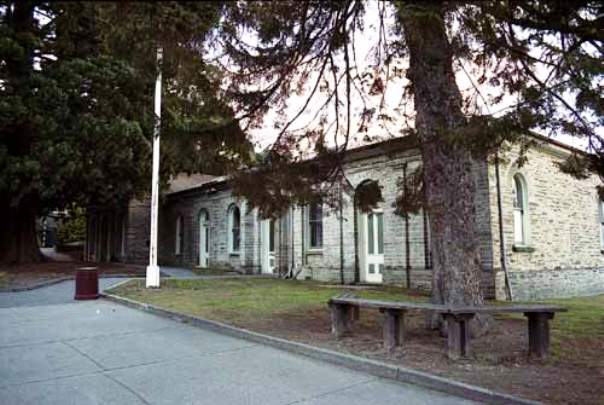
Ballarat Street Historic Area | NZ Historic Places Trust
null | NZ Historic Places Trust
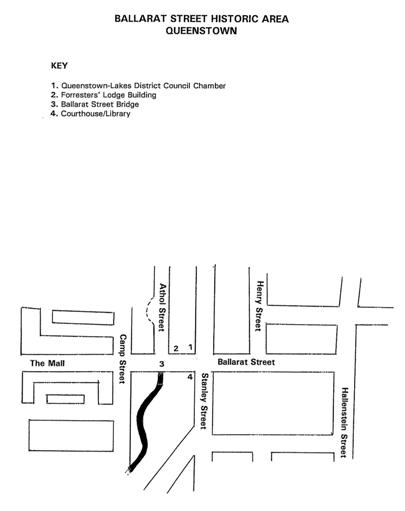
Plan of Historic Area from registration report. | 28/04/1995 | NZ Historic Places Trust
Ballarat Street Historic Area | NZ Historic Places Trust
null | NZ Historic Places Trust
Plan of Historic Area from registration report. | 28/04/1995 | NZ Historic Places Trust

List Entry Information

Overview

Status
Listed

List Entry Status
Historic Area

Access
Private/No Public Access

List Number
7070

Date Entered
28th April 1995

Date of Effect
28th April 1995

City/District Council
Queenstown-Lakes District

Region
Otago Region

Extent of List Entry

The area comprises the Courthouse; Library and Reading Room; Lake County Office; Ballarat Street Bridge; and Forresters Lodge.

Detailed List Entry
Significance

Historic Significance

Historical Significance or Value This historic place was registered under the Historic Places Act 1993. The following text is from the original Recommendation for Registration considered by the NZHPT Board at the time of registration. The construction of permanent material buildings, replacing the early timber and canvas shelters, illustrates the prosperity and confidence of Queenstown in the 1870's and 1880's. The courthouse was particularly significant during the early years in a mining town when there was a great demand for justice in criminal cases and mining disputes.

Physical Significance

This historic place was registered under the Historic Places Act 1993. The following text is from the original Recommendation for Registration considered by the NZHPT Board at the time of registration. Architectural: Due to the abundance of schist and scarcity of timber in Central Otago a wide range of building types and structures were erected in the area using this material. The District Council chamber and Courthouse/Library were both designed by architect F.W. Burwell and together with the other structures form a pleasing group compatible in scale, style and age. The main street in Queenstown, Ballarat St, with its heritage stone buildings and attractive avenue of trees has great architectural and aesthetic appeal. The area also has historical significance consisting of public buildings erected to serve the growing population in a Central Otago gold mining town. Aesthetic: Ballarat St is one of Queenstown's main thoroughfares and holds an extremely prominent position within the town. The street with its heritage buildings constructed of local schist is lined with historic trees which add to the area's aesthetic appeal. Archaeological: All the structures within the defined area are more then one hundred years old and therefore have archaeological significance.

Reference

Report Written By

NZHPT

Information Sources

Miller, 1973

F.W.G Miller, Golden Days of Lake County, 5th edn, Christchurch, 1973

Report Written By

A copy of the original report is available from the NZHPT Southern region office. Please note that entry on the New Zealand Heritage List/Rarangi Korero identifies only the heritage values of the property concerned, and should not be construed as advice on the state of the property, or as a comment of its soundness or safety, including in regard to earthquake risk, safety in the event of fire, or insanitary conditions. This historic place was registered under the Historic Places Act 1993. The following text is from the original Recommendation for Registration considered by the NZHPT Board at the time of registration.

Further Information

Current Usages

Former Usages

General Usage:: Civic Facilities

Specific Usage: Library

General Usage:: Civic Facilities

Specific Usage: Masonic Lodge

General Usage:: Government

Specific Usage: Council/local government building

General Usage:: Law Enforcement

Specific Usage: Courthouse

General Usage:: Transport

Specific Usage: Bridge/ Viaduct

Themes

Web Links

Overview

Status

Listed

List Entry Status

Historic Area

Access

Private/No Public Access

List Number

7070

Date Entered

28th April 1995

Date of Effect

28th April 1995

City/District Council

Queenstown-Lakes District

Region

Otago Region

Extent of List Entry

The area comprises the Courthouse; Library and Reading Room; Lake County Office; Ballarat Street Bridge; and Forresters Lodge.

Status

Listed

List Entry Status

Historic Area

Access

Private/No Public Access

List Number

7070

Date Entered

28th April 1995

Date of Effect

28th April 1995

City/District Council

Queenstown-Lakes District

Region

Otago Region

Extent of List Entry

The area comprises the Courthouse; Library and Reading Room; Lake County Office; Ballarat Street Bridge; and Forresters Lodge.

Significance

Why is this place significant?

Historic Significance

Historical Significance or Value This historic place was registered under the Historic Places Act 1993. The following text is from the original Recommendation for Registration considered by the NZHPT Board at the time of registration. The construction of permanent material buildings, replacing the early timber and canvas shelters, illustrates the prosperity and confidence of Queenstown in the 1870's and 1880's. The courthouse was particularly significant during the early years in a mining town when there was a great demand for justice in criminal cases and mining disputes.

Physical Significance

This historic place was registered under the Historic Places Act 1993. The following text is from the original Recommendation for Registration considered by the NZHPT Board at the time of registration. Architectural: Due to the abundance of schist and scarcity of timber in Central Otago a wide range of building types and structures were erected in the area using this material. The District Council chamber and Courthouse/Library were both designed by architect F.W. Burwell and together with the other structures form a pleasing group compatible in scale, style and age. The main street in Queenstown, Ballarat St, with its heritage stone buildings and attractive avenue of trees has great architectural and aesthetic appeal. The area also has historical significance consisting of public buildings erected to serve the growing population in a Central Otago gold mining town. Aesthetic: Ballarat St is one of Queenstown's main thoroughfares and holds an extremely prominent position within the town. The street with its heritage buildings constructed of local schist is lined with historic trees which add to the area's aesthetic appeal. Archaeological: All the structures within the defined area are more then one hundred years old and therefore have archaeological significance.

Why is this place significant?

Historic Significance

Historical Significance or Value This historic place was registered under the Historic Places Act 1993. The following text is from the original Recommendation for Registration considered by the NZHPT Board at the time of registration. The construction of permanent material buildings, replacing the early timber and canvas shelters, illustrates the prosperity and confidence of Queenstown in the 1870's and 1880's. The courthouse was particularly significant during the early years in a mining town when there was a great demand for justice in criminal cases and mining disputes.

Physical Significance

This historic place was registered under the Historic Places Act 1993. The following text is from the original Recommendation for Registration considered by the NZHPT Board at the time of registration. Architectural: Due to the abundance of schist and scarcity of timber in Central Otago a wide range of building types and structures were erected in the area using this material. The District Council chamber and Courthouse/Library were both designed by architect F.W. Burwell and together with the other structures form a pleasing group compatible in scale, style and age. The main street in Queenstown, Ballarat St, with its heritage stone buildings and attractive avenue of trees has great architectural and aesthetic appeal. The area also has historical significance consisting of public buildings erected to serve the growing population in a Central Otago gold mining town. Aesthetic: Ballarat St is one of Queenstown's main thoroughfares and holds an extremely prominent position within the town. The street with its heritage buildings constructed of local schist is lined with historic trees which add to the area's aesthetic appeal. Archaeological: All the structures within the defined area are more then one hundred years old and therefore have archaeological significance.

Reference

Historical and Associated Iwi / Hapū / Whānau

Report Written By

NZHPT

Information Sources

Miller, 1973

F.W.G Miller, Golden Days of Lake County, 5th edn, Christchurch, 1973

Other Information

A copy of the original report is available from the NZHPT Southern region office. Please note that entry on the New Zealand Heritage List/Rarangi Korero identifies only the heritage values of the property concerned, and should not be construed as advice on the state of the property, or as a comment of its soundness or safety, including in regard to earthquake risk, safety in the event of fire, or insanitary conditions. This historic place was registered under the Historic Places Act 1993. The following text is from the original Recommendation for Registration considered by the NZHPT Board at the time of registration.

Historical and Associated Iwi / Hapū / Whānau

Report Written By

NZHPT

Information Sources

Miller, 1973

F.W.G Miller, Golden Days of Lake County, 5th edn, Christchurch, 1973

Other Information

A copy of the original report is available from the NZHPT Southern region office. Please note that entry on the New Zealand Heritage List/Rarangi Korero identifies only the heritage values of the property concerned, and should not be construed as advice on the state of the property, or as a comment of its soundness or safety, including in regard to earthquake risk, safety in the event of fire, or insanitary conditions. This historic place was registered under the Historic Places Act 1993. The following text is from the original Recommendation for Registration considered by the NZHPT Board at the time of registration.

Further Information

Former Usages

General Usage: Civic Facilities

Specific Usage: Library

General Usage: Civic Facilities

Specific Usage: Masonic Lodge

General Usage: Government

Specific Usage: Council/local government building

General Usage: Law Enforcement

Specific Usage: Courthouse

General Usage: Transport

Specific Usage: Bridge/ Viaduct

Former Usages

General Usage: Civic Facilities

Specific Usage: Library

General Usage: Civic Facilities

Specific Usage: Masonic Lodge

General Usage: Government

Specific Usage: Council/local government building

General Usage: Law Enforcement

Specific Usage: Courthouse

General Usage: Transport

Specific Usage: Bridge/ Viaduct

Location

Loading
Related listings
Forresters Lodge (Former), Queenstown. Image courtesy of Jo Boyd, Riverlea Photography. Taken 2012
Forresters Lodge (Former)
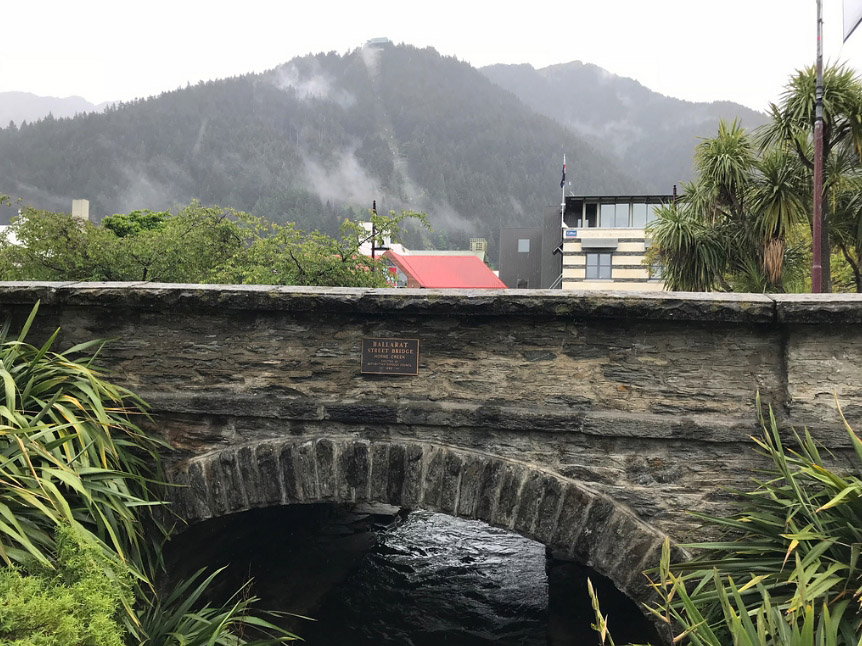
Ballarat St Bridge, Queenstown. Image courtesy of www.flickr.com
Ballarat Street Bridge
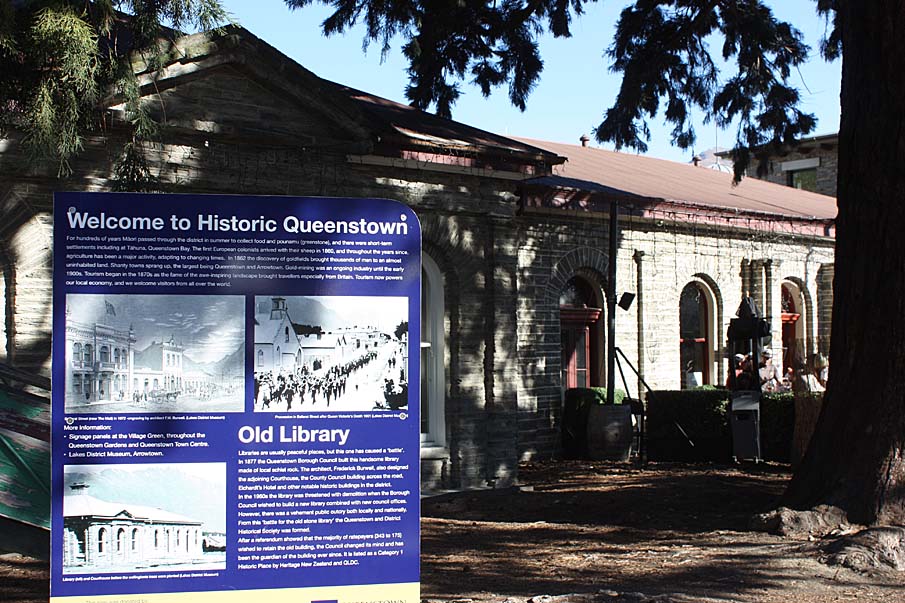
Queenstown Library and Reading Room (Former), Queenstown
Queenstown Library and Reading Room (Former)
Lake County Council Chambers (Former) from Ballarat Street
Lake County Council Chambers (Former)
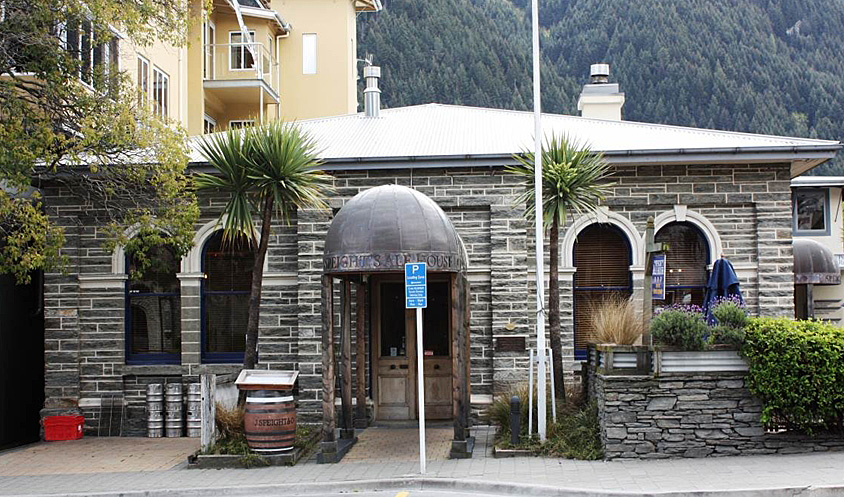
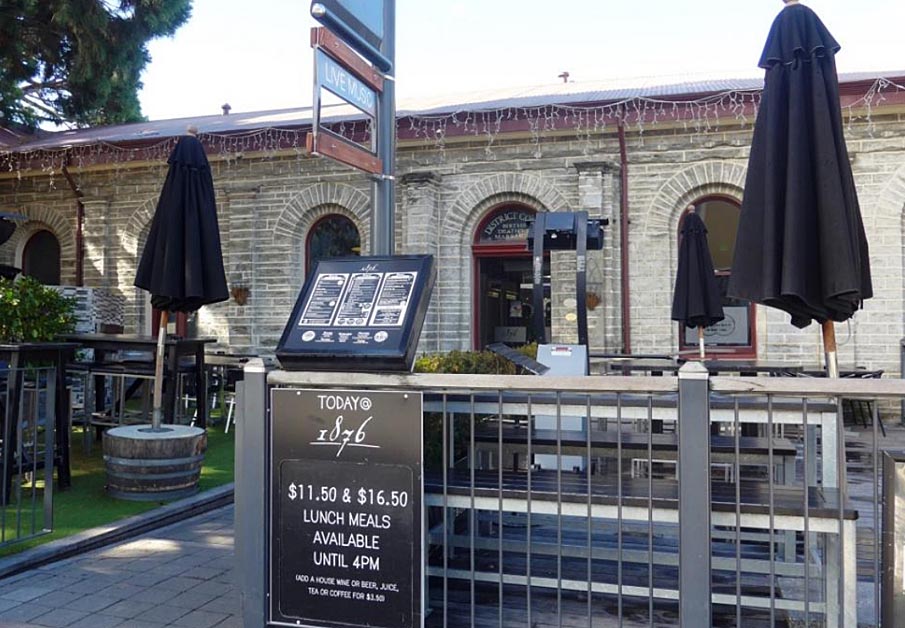
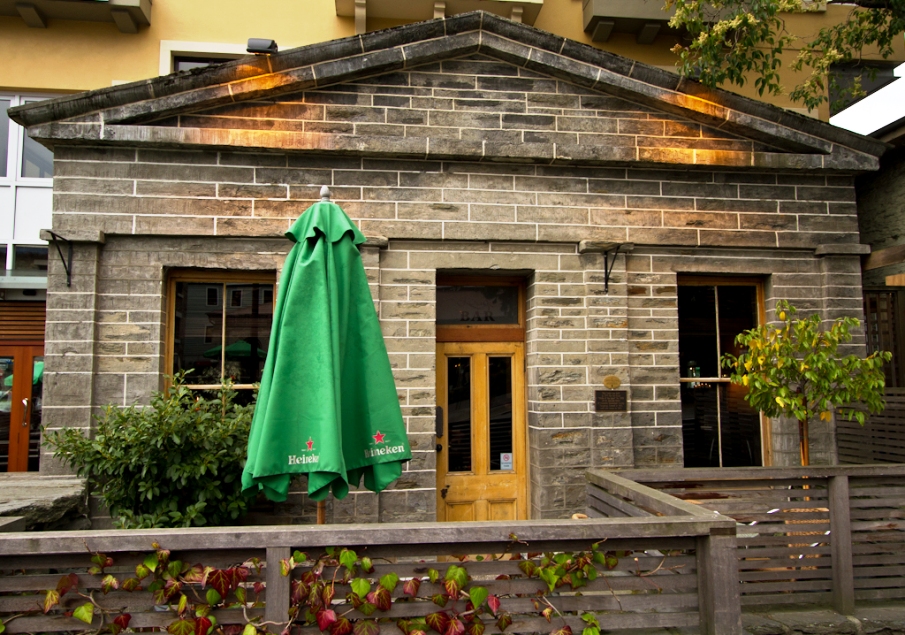
Courthouse, Queenstown. Also known as the 1876 Bar & Restaurant. 2016 Image courtesy of Wikimapia
Courthouse
Queenstown Library and Reading Room (Former), Queenstown
Queenstown Library and Reading Room (Former)
Forresters Lodge (Former), Queenstown. Image courtesy of Jo Boyd, Riverlea Photography. Taken 2012
Forresters Lodge (Former)
Lake County Council Chambers (Former) from Ballarat Street
Lake County Council Chambers (Former)
Ballarat St Bridge, Queenstown. Image courtesy of www.flickr.com
Ballarat Street Bridge
Courthouse, Queenstown. Also known as the 1876 Bar & Restaurant. 2016 Image courtesy of Wikimapia
Courthouse
Stay up to date with Heritage this month