In November 1862 the first gold discoveries were made at the Shotover River (now Arthur's Point) by Thomas Arthur and Harry Redfern. The two men were employed as shearers by runholder William Gilbert Rees. Rees had settled with his family on the run known as The Camp (on Queenstown Bay) two years earlier. Further discoveries were made along the Shotover during the next year with approximately two thousand prospectors arriving at the property. Initially, Rees supplied them with provisions and transport but as the population swelled and makeshift canvas buildings were erected the whole area was declared a goldfield. A dispute over compensation of his land with the government followed. Rees was finally given £10,000 which did not fully recompense for the loss of his run.
By 1863 the town sections had been surveyed and sold and Queenstown was firmly established. It was constituted a borough in 1866. The town's greatest gold year was 1863 and for a many years gold mining was its principal industry. By the end of the 1870's the population had begun to disperse and at the turn of the century the small remaining population had turned to various types of farming.
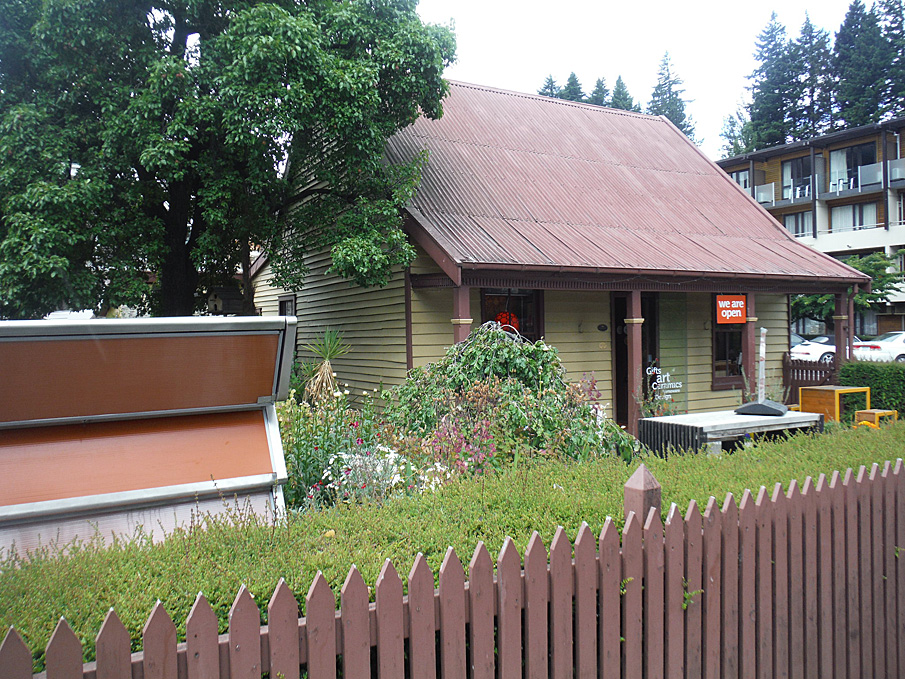
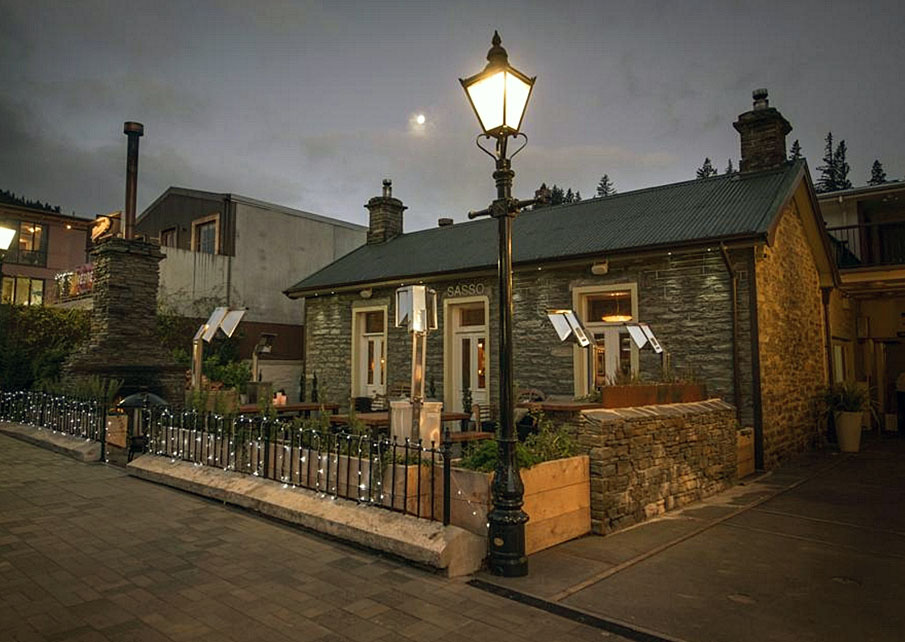
The group of buildings which comprise the historic area range in age from Williams cottage built in 1866, at the time Queenstown was constituted a borough, to the bungalow built in the 1920s. The buildings are representative of a range of activities undertaken in the community during the Victorian/Edwardian eras - domestic life and social activities.
List Entry Information
Status
Listed
List Entry Status
Historic Area
Access
Private/No Public Access
List Number
7225
Date Entered
3rd March 1995
Date of Effect
3rd March 1995
City/District Council
Queenstown-Lakes District
Region
Otago Region
Extent of List Entry
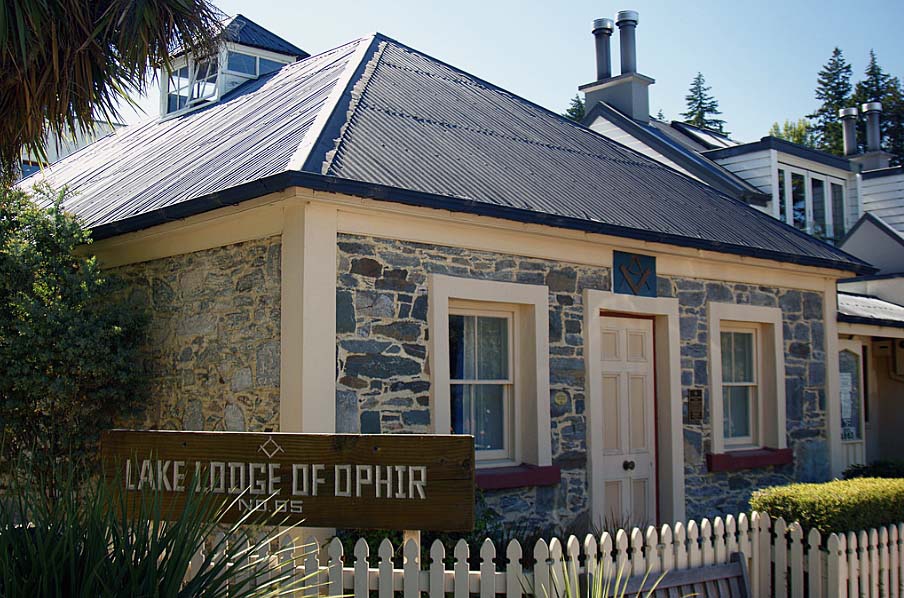
The area comprises the buildings on Marine Parade: Masonic Lodge, 1920s bungalow, Archers Cottage, Williams Cottage, and McNeill Cottage on Church St.
Legal description
Lot 2 DP 24375, Lot 15 DP 302022, Lot 1 DP 300301, Sec 6 Blk III Town of Queenstown, Sec 5 Blk III Town of Queenstown, and Sec 4 Blk III Town of Queenstown, Otago Land District
Status
Listed
List Entry Status
Historic Area
Access
Private/No Public Access
List Number
7225
Date Entered
3rd March 1995
Date of Effect
3rd March 1995
City/District Council
Queenstown-Lakes District
Region
Otago Region
Extent of List Entry
The area comprises the buildings on Marine Parade: Masonic Lodge, 1920s bungalow, Archers Cottage, Williams Cottage, and McNeill Cottage on Church St.
Legal description
Lot 2 DP 24375, Lot 15 DP 302022, Lot 1 DP 300301, Sec 6 Blk III Town of Queenstown, Sec 5 Blk III Town of Queenstown, and Sec 4 Blk III Town of Queenstown, Otago Land District
Why is this place significant?
Historic Significance
Historical Significance or Value This historic area was registered under the Historic Places Act 1993. The following text is from the original Recommendation for Registration considered by the NZHPT Board at the time of registration. Most of the buildings in the area date from the time of the establishment of Queenstown as a borough and a settlement, and they represent the growth of the settlement into a permanent town with all the associated activities of a town. The Masonic Lodge is claimed to be the oldest stone building in New Zealand still used for its original purpose. Williams Cottage and Archers Cottage have historical links with John Williams and his brother-in law-George Archer, who built each cottage respectively. Williams and Archer acquired the Government escort service for transporting gold across the lake, and they also ran several other boat services for transporting timber and other goods.
Physical Significance
This historic area was registered under the Historic Places Act 1993. The following text is from the original Recommendation for Registration considered by the NZHPT Board at the time of registration. Aesthetic: The five buildings located along or near Marine Parade - Williams Cottage, Archers Cottage, the 1920s bungalow, the Masonic Lodge and NcNeills Cottage, form a closely associated group of historical interest, and of similar scale and materials. Architectural: Due to the abundance of schist (and scarcity of timber) in Central Otago most buildings were erected in the area using this material. The cottages in the historic area are notable for their use of timber. Williams Cottage has particular interest as one of the oldest wooden houses in Queenstown, and as one of the very few houses in New Zealand built in the 1860s which remains completely original and unmodified. CONCLUSION: This group of buildings represent the development of Queenstown and the associated activities of a growing settlement. The cottages have aesthetic appeal through their lakefront location, and their similar scale and materials. The area also has historical significance, being comprised of public buildings erected to serve the growing population in a Central Otago gold mining town.
Why is this place significant?
Historic Significance
Historical Significance or Value This historic area was registered under the Historic Places Act 1993. The following text is from the original Recommendation for Registration considered by the NZHPT Board at the time of registration. Most of the buildings in the area date from the time of the establishment of Queenstown as a borough and a settlement, and they represent the growth of the settlement into a permanent town with all the associated activities of a town. The Masonic Lodge is claimed to be the oldest stone building in New Zealand still used for its original purpose. Williams Cottage and Archers Cottage have historical links with John Williams and his brother-in law-George Archer, who built each cottage respectively. Williams and Archer acquired the Government escort service for transporting gold across the lake, and they also ran several other boat services for transporting timber and other goods.
Physical Significance
This historic area was registered under the Historic Places Act 1993. The following text is from the original Recommendation for Registration considered by the NZHPT Board at the time of registration. Aesthetic: The five buildings located along or near Marine Parade - Williams Cottage, Archers Cottage, the 1920s bungalow, the Masonic Lodge and NcNeills Cottage, form a closely associated group of historical interest, and of similar scale and materials. Architectural: Due to the abundance of schist (and scarcity of timber) in Central Otago most buildings were erected in the area using this material. The cottages in the historic area are notable for their use of timber. Williams Cottage has particular interest as one of the oldest wooden houses in Queenstown, and as one of the very few houses in New Zealand built in the 1860s which remains completely original and unmodified. CONCLUSION: This group of buildings represent the development of Queenstown and the associated activities of a growing settlement. The cottages have aesthetic appeal through their lakefront location, and their similar scale and materials. The area also has historical significance, being comprised of public buildings erected to serve the growing population in a Central Otago gold mining town.
Construction Details
Start Year
1864
Type
Original Construction
Description
Construction of cottage
Construction Details
Start Year
1864
Type
Original Construction
Description
Construction of cottage
Historical and Associated Iwi / Hapū / Whānau
Public NZAA Number
E41/274
Information Sources
Gilkison, 1978
R. Gilkison, Early Days in Central Otago Whitcoulls, Christchurch, 1978
Olssen, 1984
Erik Olssen, A History of Otago, John McIndoe, Dunedin, 1984
Other Information
Heritage Order exists for Williams Cottage, 21 Marine Parade, Queenstown which is within the Historic Area. A copy of the original report is available from the NZHPT Southern region office. Please note that entry on the New Zealand Heritage List/Rarangi Korero identifies only the heritage values of the property concerned, and should not be construed as advice on the state of the property, or as a comment of its soundness or safety, including in regard to earthquake risk, safety in the event of fire, or insanitary conditions.
Historical and Associated Iwi / Hapū / Whānau
Public NZAA Number
E41/274
Information Sources
Gilkison, 1978
R. Gilkison, Early Days in Central Otago Whitcoulls, Christchurch, 1978
Olssen, 1984
Erik Olssen, A History of Otago, John McIndoe, Dunedin, 1984
Other Information
Heritage Order exists for Williams Cottage, 21 Marine Parade, Queenstown which is within the Historic Area. A copy of the original report is available from the NZHPT Southern region office. Please note that entry on the New Zealand Heritage List/Rarangi Korero identifies only the heritage values of the property concerned, and should not be construed as advice on the state of the property, or as a comment of its soundness or safety, including in regard to earthquake risk, safety in the event of fire, or insanitary conditions.