DonateMembershipVisit Heritage
  • Tūrangawaewae
    Places
  • Tira Māori
    Māori Heritage
  • Poutairangahia
    Archaeology
  • Rauemi
    Resources
  • Mō Tātou
    About Us
  • New Zealand Heritage List
  • Nominate and submit
  • Explore the List
  • National Historic Landmarks
  • Plaques
  • Rainbow List Project
  • Lost heritage
  • Visit Heritage
  • Our properties
  • Turnbull House Project
  • Collections
  • Shop
  • Tohu Whenua
  • Tira Māori
  • Conserving Māori heritage
  • Marae built heritage
  • Māori heritage on the List
  • Hinemihi—Te Hokinga Mai
  • What is archaeology?
  • Is there a site on my property?
  • What are my legal requirements?
  • Affecting an archaeological site
  • Declaring an archaeological site
  • Archaeology FAQs
  • Archaeology Digital Library
  • Archaeology guidelines and templates
  • Resources
  • Funding
  • Publications
  • Sustainable management guides
  • Disaster recovery
  • Podcasts & digital resources
  • Education Hub
  • Conservation plans
  • About
  • Board
  • Māori Heritage Council
  • Senior Staff
  • Offices
  • Contact us
  • Careers
  • Covenants
  • Fast-track
  • Corporate documents
  • Currently consulting on
  • Our submissions
  • News
  • Covid-19 response
Quick links
Rārangi Kōrero | The List
Explore the List
National Historic Landmarks
Ngā Manawhenua o Aotearoa me ōna Kōrero Tūturu
Quick links
Tapuwae
A Vision for Places of Māori Heritage
Funding for Māori Heritage
Resources
Quick links
Archaeological Authority Portal
Applying for an archaeological authority
Archaeology FAQs
Browse the most frequently asked questions about archaeological authorities and the archaeological process.
Quick links
Quick links
News
News Keep up to date with Heritage New Zealand Pouhere Taonga
Membership
Membership Find out more and sign up today
DonateMembershipVisit Heritage
  • Tūrangawaewae
    Places
  • Tira Māori
    Māori Heritage
  • Poutairangahia
    Archaeology
  • Rauemi
    Resources
  • Mō Tātou
    About Us
  • New Zealand Heritage List
  • Nominate and submit
  • Explore the List
  • National Historic Landmarks
  • Plaques
  • Rainbow List Project
  • Lost heritage
  • Visit Heritage
  • Our properties
  • Turnbull House Project
  • Collections
  • Shop
  • Tohu Whenua
  • Tira Māori
  • Conserving Māori heritage
  • Marae built heritage
  • Māori heritage on the List
  • Hinemihi—Te Hokinga Mai
  • What is archaeology?
  • Is there a site on my property?
  • What are my legal requirements?
  • Affecting an archaeological site
  • Declaring an archaeological site
  • Archaeology FAQs
  • Archaeology Digital Library
  • Archaeology guidelines and templates
  • Resources
  • Funding
  • Publications
  • Sustainable management guides
  • Disaster recovery
  • Podcasts & digital resources
  • Education Hub
  • Conservation plans
  • About
  • Board
  • Māori Heritage Council
  • Senior Staff
  • Offices
  • Contact us
  • Careers
  • Covenants
  • Fast-track
  • Corporate documents
  • Currently consulting on
  • Our submissions
  • News
  • Covid-19 response
Quick links
Rārangi Kōrero | The List
Explore the List
National Historic Landmarks
Ngā Manawhenua o Aotearoa me ōna Kōrero Tūturu
Quick links
Tapuwae
A Vision for Places of Māori Heritage
Funding for Māori Heritage
Resources
Quick links
Archaeological Authority Portal
Applying for an archaeological authority
Archaeology FAQs
Browse the most frequently asked questions about archaeological authorities and the archaeological process.
Quick links
Quick links
News
News Keep up to date with Heritage New Zealand Pouhere Taonga
Membership
Membership Find out more and sign up today
  • Places
  • Nominate and submit
  • National Historic Landmarks
  • Places
  • Nominate and submit
  • National Historic Landmarks
  • Tira Māori
  • Conserving Māori heritage
  • Marae built heritage
  • Tira Māori
  • Conserving Māori heritage
  • Marae built heritage
  • Archaeological authorities
  • Archaeology Digital Library
  • Archaeological authorities
  • Archaeology Digital Library
  • All resources
  • Publications
  • Funding
  • All resources
  • Publications
  • Funding
  • FAQs
  • FAQs
Follow us on:
Places
  • Places
  • Nominate and submit
  • National Historic Landmarks
Tira Māori
  • Tira Māori
  • Conserving Māori heritage
  • Marae built heritage
Archaeology
  • Archaeological authorities
  • Archaeology Digital Library
Resources
  • All resources
  • Publications
  • Funding
FAQs
  • FAQs
Follow us on
HomePrivacyTerms and conditionsAbout this site
© Heritage New Zealand Pouhere Taonga 2026.
 
Naseby Historic Area

NASEBY

Private

Historic Area

List No. 7365
Quick links:
List GalleryLocationDetails
From 1858, the area was part of the Eweburn run (No. 219). The nucleus of the town was established, at the northern end, after the 1863 gold rush. Many substantial buildings were constructed during the relatively stable period of the 1870s.

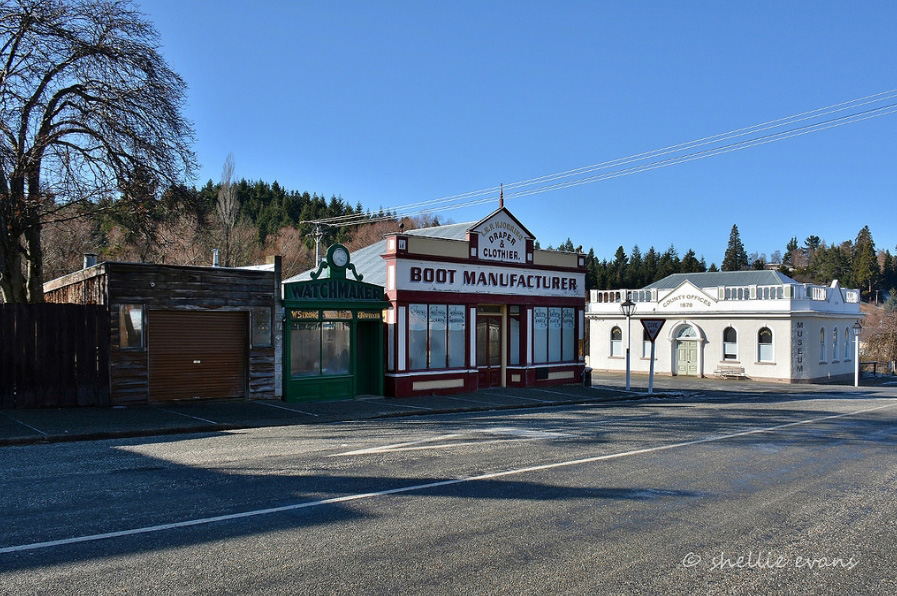
The gold rushes of the 1860s more than doubled the population of the colony of New Zealand and produced £21worth of export in the first decade alone. Central Otago was the scene of the first such rush in 1861. Naseby's history as a mining centre was not special or outstanding but it developed an additional layer of historical importance through being one of the mining towns that developed a permanence as a servicing centre for the remaining miners, runholders and subsistence farmers. Protected by the poor state of surface transport from competition from larger centres, Naseby developed a servicing and light industrial role typified by buildings such as the All Nations Store, the watchmaker's shop, the former country council chambers and the former borough clerk's offices. By being bypassed by the railway line, Naseby was condemned to a long period of stagnation and decline. For several decades the town has tried to turn that decline to its advantage by emphasizing its heritage values. Naseby's historical buildings, together with its autumnal displays of colour, have become iconography images of Central Otago's gold mining past; interestingly, even recent structures such as the Jubilee Museum (1988) have mimicked that aesthetic image. Before the 1989 local government reforms, Naseby was New Zeeland's smallest borough.
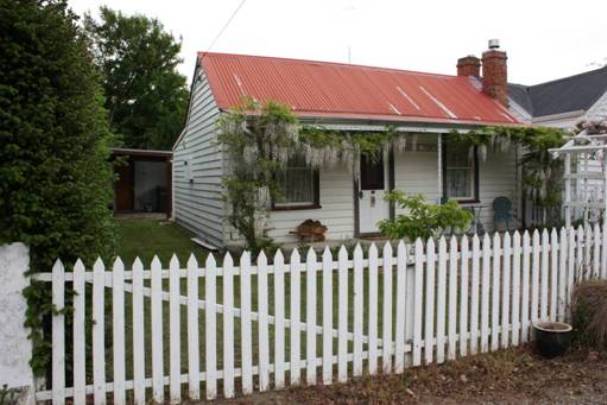
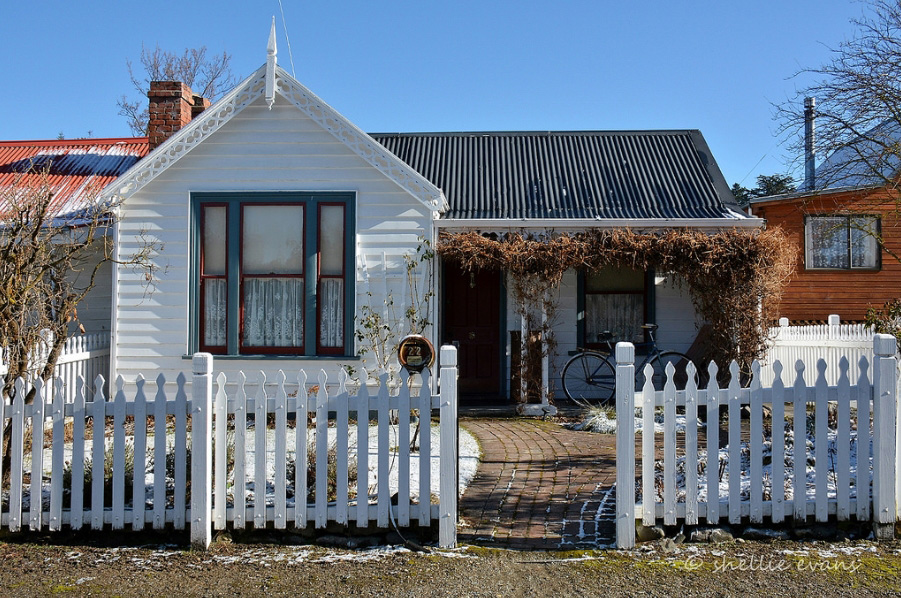
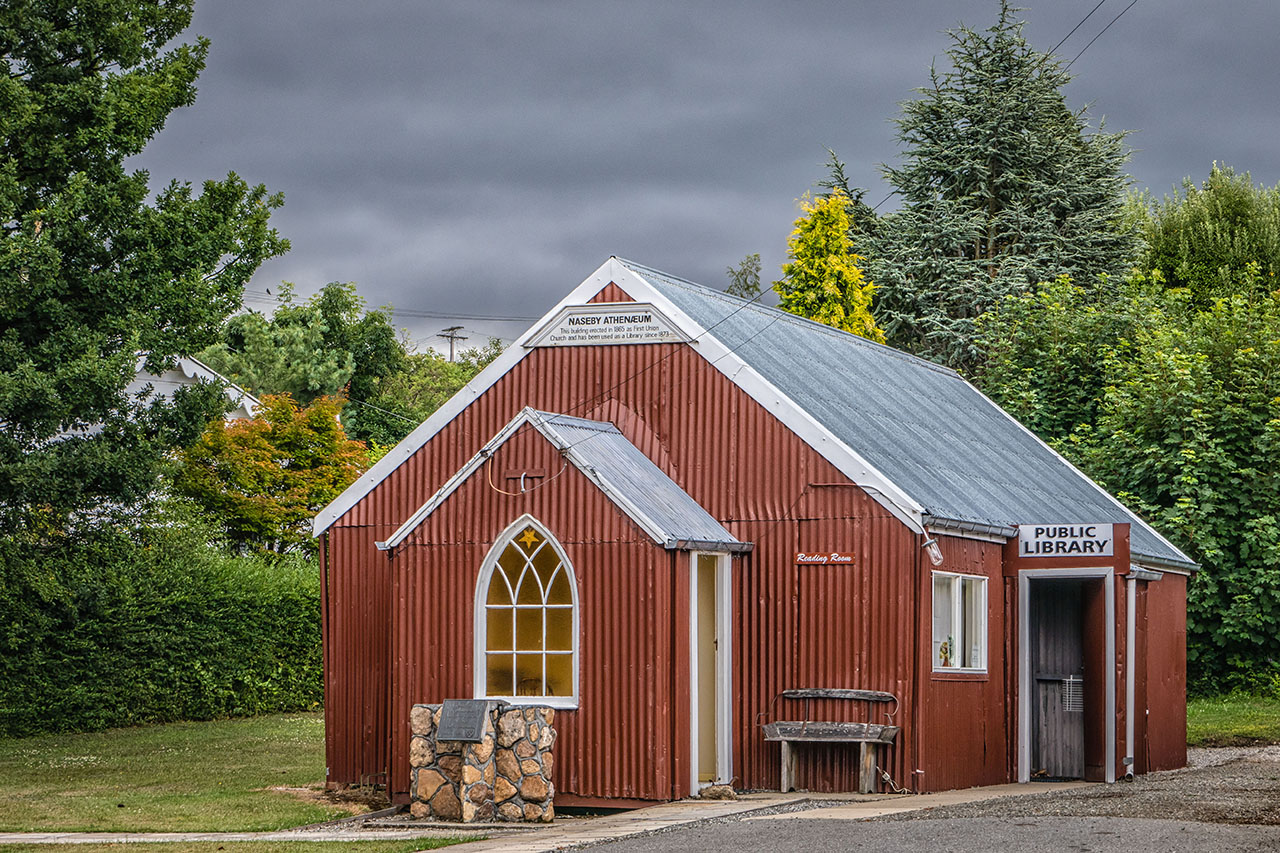
Naseby Historic Area. CC BY-NC-ND 2.0 Image courtesy of www.flickr.com | Shellie Evans – flyingkiwigirl | 05/08/2015 | Shellie Evans
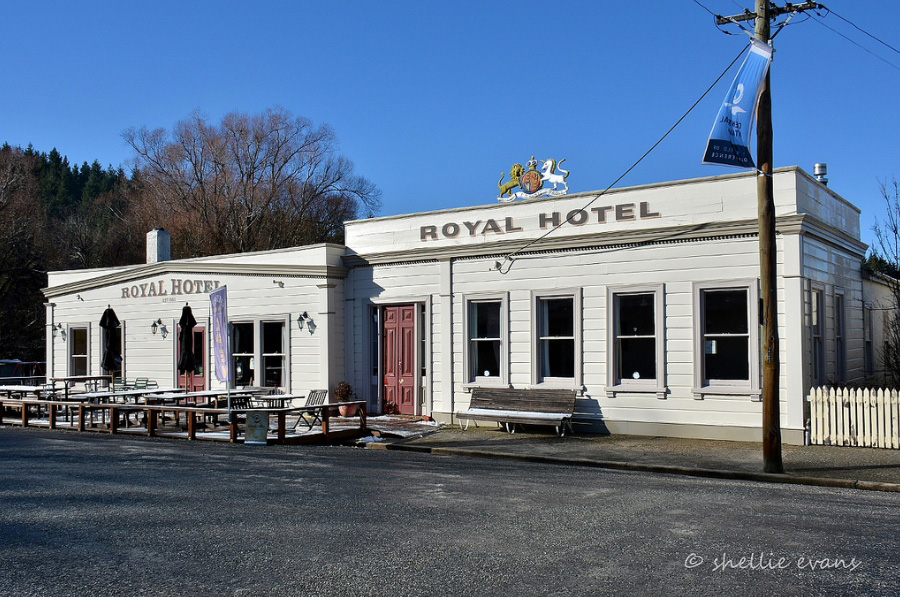
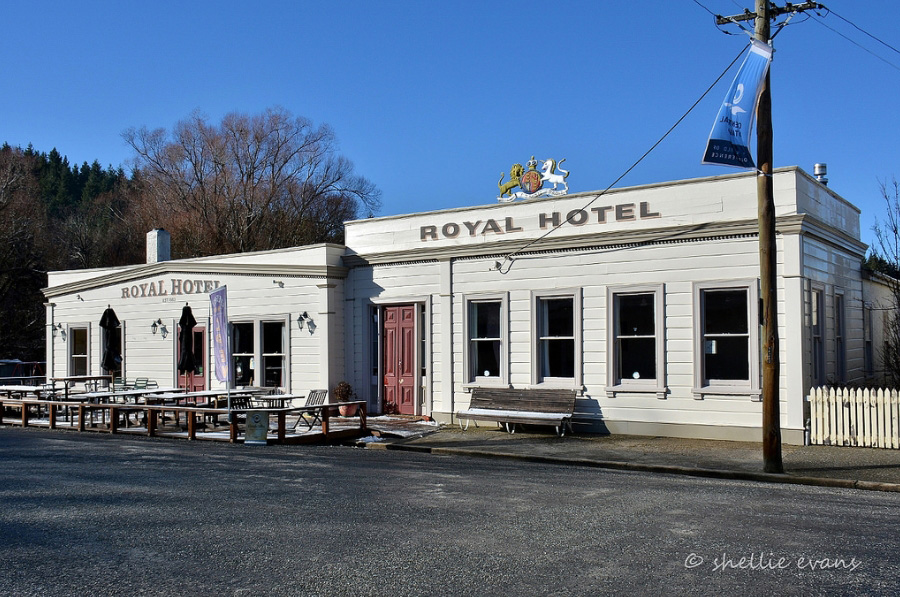
Naseby Hstoric Area. Royal Hotel. CC BY-NC-ND 2.0 Image courtesy of www.flickr.com | Shellie Evans – flyingkiwigirl | 15/04/2024 | Shellie Evans
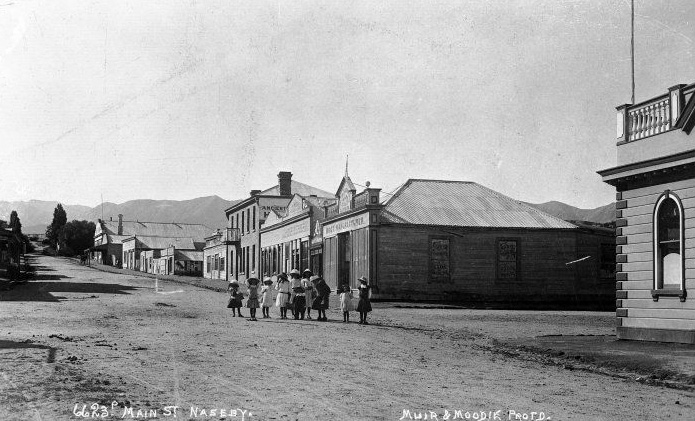
Naseby Historic Area. Main Street, Naseby, showing shops and other businesses, including a boot manufacturer. A group of children stand in the middle of the road. National Library of NZ. Reference Number: 1/2-002959-F | Muir and Moodie | No known copyright restrictions
Naseby Historic Area. CC BY-NC-ND 2.0 Image courtesy of www.flickr.com | Shellie Evans – flyingkiwigirl | 05/08/2015 | Shellie Evans
Naseby Hstoric Area. Royal Hotel. CC BY-NC-ND 2.0 Image courtesy of www.flickr.com | Shellie Evans – flyingkiwigirl | 15/04/2024 | Shellie Evans
Naseby Historic Area. Main Street, Naseby, showing shops and other businesses, including a boot manufacturer. A group of children stand in the middle of the road. National Library of NZ. Reference Number: 1/2-002959-F | Muir and Moodie | No known copyright restrictions

List Entry Information

Overview

Status
Listed

List Entry Status
Historic Area

Access
Private/No Public Access

List Number
7365

Date Entered
13th December 1996

Date of Effect
13th December 1996

City/District Council
Central Otago District

Region
Otago Region

Extent of List Entry

The area lies in the gully of the Hogburn and comprises part of Derwent Street and all of Earne Street in the town of Naseby. It also includes areas visible from these streets. The axis of the area runs roughly north and south with an eastward curve at the northern end. The southern most part of the area is the junction of the main road from Ranfurly with the road from Duntroon via Dansey Pass. The northern termination is the willow-covered wasteland of the Hogburn riverbed. The area includes all the historic buildings listed in the assessment report and in the Building Record forms and key to map.

Detailed List Entry
Significance

Cultural Significance

SOCIAL SIGNIFICANCE Naseby School: the school has an important social significance for people bred in the area. SPIRITUAL SIGNIFICANCE Lodge Hall, 1869: of significance to local (and visiting) Freemasons. CULTURAL SIGNIFICANCE: Lodge Hall, 1869: first lodge in Naseby, also used as church and meeting hail; Survey Office (former) Vacant Section, pre-1876: once a focus of surveying registration, which played an important part in the development of the area; Watchmaker's Cottages, 1860s: These cottages have a long-established link. with the town's historic watchmaker's shop; Street Furniture, (Lamp Post, Stone Curbing, Bridge Parapets): electricity did not come to Naseby until 1946. Before that, the streets were lit with kerosene lamps such as the one listed here, The stones, called : "Chinaman Stones" have a strong local association and a link with the mining operations of the past.

Physical Significance

TECHNOLOGICAL SIGNIFICANCE Garage (former Livery and Bait Stables), pre-1890: this is possibly where sluicing pipes and fittings were made and repaired. AESTHETIC SIGNIFICANCE Naseby School, [nd]: trees and lawn form a pleasant entrance to the precinct; House, Trees, Fences, (Former Surveyor's House), 1910: apparently forms a pleasing visual group; the trees are visually linked to those in the domain opposite; Borough Clerk's House (former): 1889: house, trees, fence and mounting block apparently combine to give a pleasing view of a late-Victorian middle-class dwelling. Mudbrick Shop, (former Chemists) pre-1890: the mudbrick (south) wall of the buildings is apparently important as a backdrop to the War Memorial; Street Furniture, (Lamp Post, Stone Curbing, Bridge Parapets): combine to give the area an "old world" look, the stones also have a "pleasant pink. tint". ARCHITECTURAL SIGNIFICANCE: The following buildings contribute to the historic area. Some are also separately Listed, as noted: Athenaeum, 1873, Category 1 Guffie Cottage, 1860-70, Category 2 Inder Cottage, 1860-70, Category 2 Museum, 1878, Category 2 Post Office, 1900, Category 2 Royal Hotel, 1865 (1879), Category 2 All Nations Store (original portion), 1888 Lodge Hall, 1869: an early example of mudbrick construction (now plastered); House, Trees, Fences, (Former Surveyor's House), 1910: the framing for this house is of Baltic pine, and the weatherboards and joinery are of Kauri and were made on site; Watchmaker's Cottages, 1860's: made of Baltic Pine, and said to be prefabricated; Borough Clerk's House (Former), 1889: this is the most substantial residence in the precinct; Mudbrick Shop (former Chemists), pre-1890: demonstrates the structural qualities of mudbrick construction;

Reference

Completion Date

1st November 1996

Report Written By

C. Orsman and G. McLean

Report Written By

A copy of the original registration report can be obtained from the NZHPT Otago/Southland Area Office. Please note that entry on the New Zealand Heritage List/Rarangi Korero identifies only the heritage values of the property concerned, and should not be construed as advice on the state of the property, or as a comment of its soundness or safety, including in regard to earthquake risk, safety in the event of fire, or insanitary conditions. This historic area was registered under the Historic Places Act 1993. The following text is from the original Recommendation for Registration considered by the NZHPT Board at the time of registration.

Further Information

Current Usages

Former Usages

General Usage:: Accommodation

Specific Usage: Hotel

General Usage:: Accommodation

Specific Usage: House

General Usage:: Accommodation

Specific Usage: Shed/store - Residential out-building

General Usage:: Civic Facilities

Specific Usage: Domain

General Usage:: Civic Facilities

Specific Usage: Masonic Lodge

General Usage:: Civic Facilities

Specific Usage: Museum

General Usage:: Commemoration

Specific Usage: Memorial - World War One

General Usage:: Communication

Specific Usage: Post Office

General Usage:: Education

Specific Usage: School

General Usage:: Law Enforcement

Specific Usage: Courthouse

General Usage:: Trade

Specific Usage: Shop

General Usage:: Utilities

Specific Usage: Street light

Themes

War Memorial

Web Links

Overview

Status

Listed

List Entry Status

Historic Area

Access

Private/No Public Access

List Number

7365

Date Entered

13th December 1996

Date of Effect

13th December 1996

City/District Council

Central Otago District

Region

Otago Region

Extent of List Entry

The area lies in the gully of the Hogburn and comprises part of Derwent Street and all of Earne Street in the town of Naseby. It also includes areas visible from these streets. The axis of the area runs roughly north and south with an eastward curve at the northern end. The southern most part of the area is the junction of the main road from Ranfurly with the road from Duntroon via Dansey Pass. The northern termination is the willow-covered wasteland of the Hogburn riverbed. The area includes all the historic buildings listed in the assessment report and in the Building Record forms and key to map.

Status

Listed

List Entry Status

Historic Area

Access

Private/No Public Access

List Number

7365

Date Entered

13th December 1996

Date of Effect

13th December 1996

City/District Council

Central Otago District

Region

Otago Region

Extent of List Entry

The area lies in the gully of the Hogburn and comprises part of Derwent Street and all of Earne Street in the town of Naseby. It also includes areas visible from these streets. The axis of the area runs roughly north and south with an eastward curve at the northern end. The southern most part of the area is the junction of the main road from Ranfurly with the road from Duntroon via Dansey Pass. The northern termination is the willow-covered wasteland of the Hogburn riverbed. The area includes all the historic buildings listed in the assessment report and in the Building Record forms and key to map.

Significance

Why is this place significant?

Cultural Significance

SOCIAL SIGNIFICANCE Naseby School: the school has an important social significance for people bred in the area. SPIRITUAL SIGNIFICANCE Lodge Hall, 1869: of significance to local (and visiting) Freemasons. CULTURAL SIGNIFICANCE: Lodge Hall, 1869: first lodge in Naseby, also used as church and meeting hail; Survey Office (former) Vacant Section, pre-1876: once a focus of surveying registration, which played an important part in the development of the area; Watchmaker's Cottages, 1860s: These cottages have a long-established link. with the town's historic watchmaker's shop; Street Furniture, (Lamp Post, Stone Curbing, Bridge Parapets): electricity did not come to Naseby until 1946. Before that, the streets were lit with kerosene lamps such as the one listed here, The stones, called : "Chinaman Stones" have a strong local association and a link with the mining operations of the past.

Physical Significance

TECHNOLOGICAL SIGNIFICANCE Garage (former Livery and Bait Stables), pre-1890: this is possibly where sluicing pipes and fittings were made and repaired. AESTHETIC SIGNIFICANCE Naseby School, [nd]: trees and lawn form a pleasant entrance to the precinct; House, Trees, Fences, (Former Surveyor's House), 1910: apparently forms a pleasing visual group; the trees are visually linked to those in the domain opposite; Borough Clerk's House (former): 1889: house, trees, fence and mounting block apparently combine to give a pleasing view of a late-Victorian middle-class dwelling. Mudbrick Shop, (former Chemists) pre-1890: the mudbrick (south) wall of the buildings is apparently important as a backdrop to the War Memorial; Street Furniture, (Lamp Post, Stone Curbing, Bridge Parapets): combine to give the area an "old world" look, the stones also have a "pleasant pink. tint". ARCHITECTURAL SIGNIFICANCE: The following buildings contribute to the historic area. Some are also separately Listed, as noted: Athenaeum, 1873, Category 1 Guffie Cottage, 1860-70, Category 2 Inder Cottage, 1860-70, Category 2 Museum, 1878, Category 2 Post Office, 1900, Category 2 Royal Hotel, 1865 (1879), Category 2 All Nations Store (original portion), 1888 Lodge Hall, 1869: an early example of mudbrick construction (now plastered); House, Trees, Fences, (Former Surveyor's House), 1910: the framing for this house is of Baltic pine, and the weatherboards and joinery are of Kauri and were made on site; Watchmaker's Cottages, 1860's: made of Baltic Pine, and said to be prefabricated; Borough Clerk's House (Former), 1889: this is the most substantial residence in the precinct; Mudbrick Shop (former Chemists), pre-1890: demonstrates the structural qualities of mudbrick construction;

Why is this place significant?

Cultural Significance

SOCIAL SIGNIFICANCE Naseby School: the school has an important social significance for people bred in the area. SPIRITUAL SIGNIFICANCE Lodge Hall, 1869: of significance to local (and visiting) Freemasons. CULTURAL SIGNIFICANCE: Lodge Hall, 1869: first lodge in Naseby, also used as church and meeting hail; Survey Office (former) Vacant Section, pre-1876: once a focus of surveying registration, which played an important part in the development of the area; Watchmaker's Cottages, 1860s: These cottages have a long-established link. with the town's historic watchmaker's shop; Street Furniture, (Lamp Post, Stone Curbing, Bridge Parapets): electricity did not come to Naseby until 1946. Before that, the streets were lit with kerosene lamps such as the one listed here, The stones, called : "Chinaman Stones" have a strong local association and a link with the mining operations of the past.

Physical Significance

TECHNOLOGICAL SIGNIFICANCE Garage (former Livery and Bait Stables), pre-1890: this is possibly where sluicing pipes and fittings were made and repaired. AESTHETIC SIGNIFICANCE Naseby School, [nd]: trees and lawn form a pleasant entrance to the precinct; House, Trees, Fences, (Former Surveyor's House), 1910: apparently forms a pleasing visual group; the trees are visually linked to those in the domain opposite; Borough Clerk's House (former): 1889: house, trees, fence and mounting block apparently combine to give a pleasing view of a late-Victorian middle-class dwelling. Mudbrick Shop, (former Chemists) pre-1890: the mudbrick (south) wall of the buildings is apparently important as a backdrop to the War Memorial; Street Furniture, (Lamp Post, Stone Curbing, Bridge Parapets): combine to give the area an "old world" look, the stones also have a "pleasant pink. tint". ARCHITECTURAL SIGNIFICANCE: The following buildings contribute to the historic area. Some are also separately Listed, as noted: Athenaeum, 1873, Category 1 Guffie Cottage, 1860-70, Category 2 Inder Cottage, 1860-70, Category 2 Museum, 1878, Category 2 Post Office, 1900, Category 2 Royal Hotel, 1865 (1879), Category 2 All Nations Store (original portion), 1888 Lodge Hall, 1869: an early example of mudbrick construction (now plastered); House, Trees, Fences, (Former Surveyor's House), 1910: the framing for this house is of Baltic pine, and the weatherboards and joinery are of Kauri and were made on site; Watchmaker's Cottages, 1860's: made of Baltic Pine, and said to be prefabricated; Borough Clerk's House (Former), 1889: this is the most substantial residence in the precinct; Mudbrick Shop (former Chemists), pre-1890: demonstrates the structural qualities of mudbrick construction;

Reference

Historical and Associated Iwi / Hapū / Whānau

Completion Date

1st November 1996

Report Written By

C. Orsman and G. McLean

Other Information

A copy of the original registration report can be obtained from the NZHPT Otago/Southland Area Office. Please note that entry on the New Zealand Heritage List/Rarangi Korero identifies only the heritage values of the property concerned, and should not be construed as advice on the state of the property, or as a comment of its soundness or safety, including in regard to earthquake risk, safety in the event of fire, or insanitary conditions. This historic area was registered under the Historic Places Act 1993. The following text is from the original Recommendation for Registration considered by the NZHPT Board at the time of registration.

Historical and Associated Iwi / Hapū / Whānau

Completion Date

1st November 1996

Report Written By

C. Orsman and G. McLean

Other Information

A copy of the original registration report can be obtained from the NZHPT Otago/Southland Area Office. Please note that entry on the New Zealand Heritage List/Rarangi Korero identifies only the heritage values of the property concerned, and should not be construed as advice on the state of the property, or as a comment of its soundness or safety, including in regard to earthquake risk, safety in the event of fire, or insanitary conditions. This historic area was registered under the Historic Places Act 1993. The following text is from the original Recommendation for Registration considered by the NZHPT Board at the time of registration.

Further Information

Former Usages

General Usage: Accommodation

Specific Usage: Hotel

General Usage: Accommodation

Specific Usage: House

General Usage: Accommodation

Specific Usage: Shed/store - Residential out-building

General Usage: Civic Facilities

Specific Usage: Domain

General Usage: Civic Facilities

Specific Usage: Masonic Lodge

General Usage: Civic Facilities

Specific Usage: Museum

General Usage: Commemoration

Specific Usage: Memorial - World War One

General Usage: Communication

Specific Usage: Post Office

General Usage: Education

Specific Usage: School

General Usage: Law Enforcement

Specific Usage: Courthouse

General Usage: Trade

Specific Usage: Shop

General Usage: Utilities

Specific Usage: Street light

Themes

War Memorial

Former Usages

General Usage: Accommodation

Specific Usage: Hotel

General Usage: Accommodation

Specific Usage: House

General Usage: Accommodation

Specific Usage: Shed/store - Residential out-building

General Usage: Civic Facilities

Specific Usage: Domain

General Usage: Civic Facilities

Specific Usage: Masonic Lodge

General Usage: Civic Facilities

Specific Usage: Museum

General Usage: Commemoration

Specific Usage: Memorial - World War One

General Usage: Communication

Specific Usage: Post Office

General Usage: Education

Specific Usage: School

General Usage: Law Enforcement

Specific Usage: Courthouse

General Usage: Trade

Specific Usage: Shop

General Usage: Utilities

Specific Usage: Street light

Themes

War Memorial

Location
Loading
Related listings
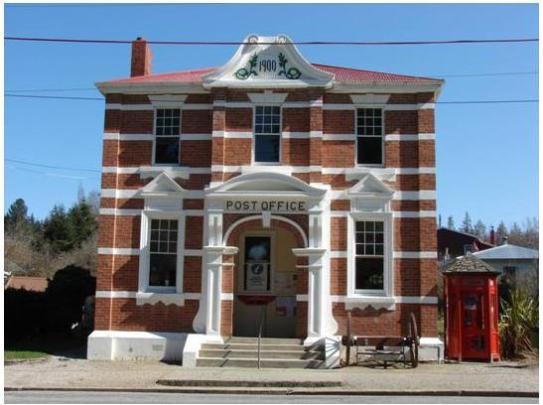
Naseby Post Office (Former)
Royal Hotel, Naseby. CC BY-NC-ND 2.0 Image courtesy of www.flickr.com
Royal Hotel
Guffie Cottage. Image courtesy of www.flickr.com
Guffie Cottage
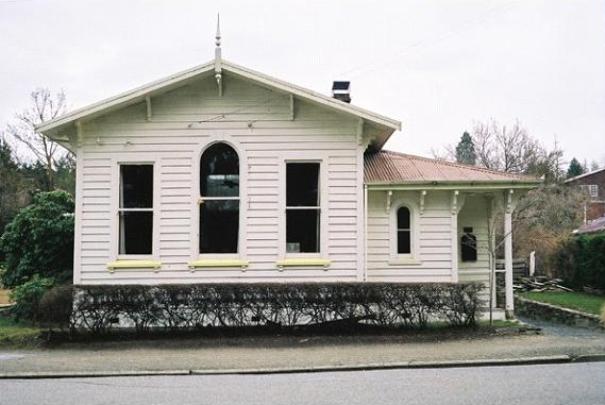
Naseby Athenaeum. CC BY-NC-SA 2.0 Image courtesy of www.flickr.com
Naseby Athenaeum
Naseby Courthouse (Former)
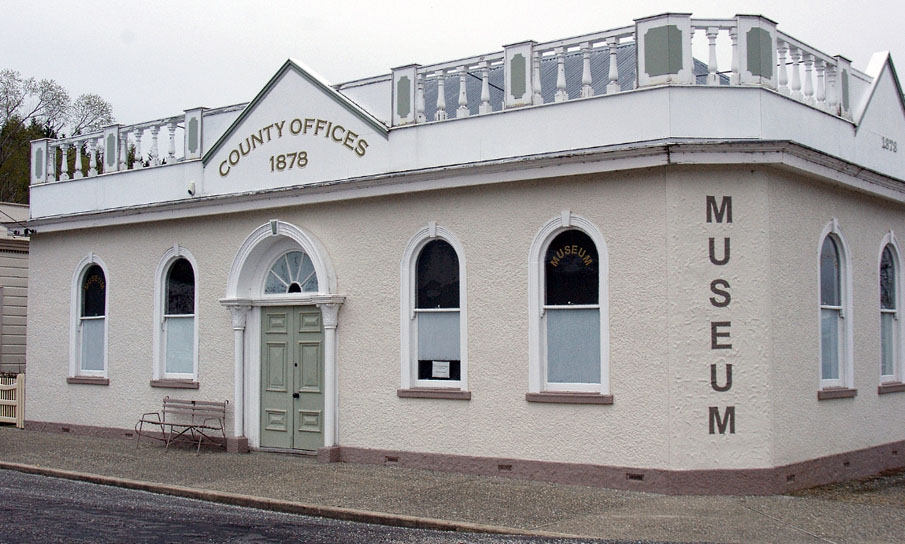
Maniototo County Council Offices (Former), Naseby. CC BY-NC-ND 2.0 Image courtesy of www.flickr.com
Maniototo County Council Offices (Former)
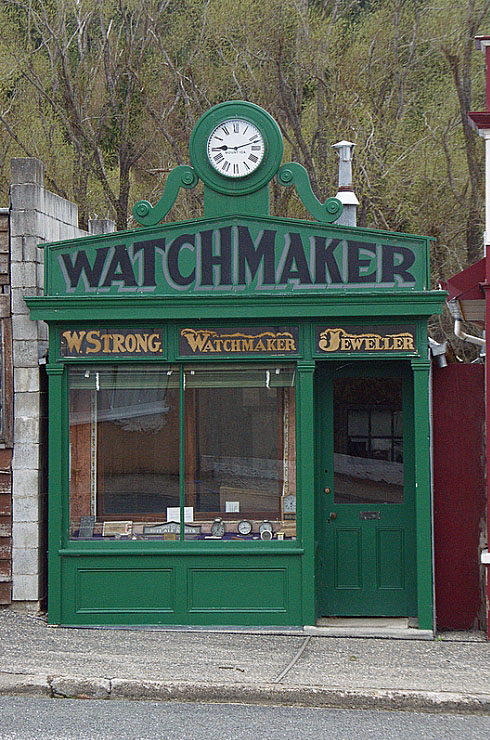
Strong’s Watchmaker Shop, Naseby. Image courtesy of www.flickr.com
Strong's Watchmaker Shop
Inder Cottage
Inder Cottage
Naseby Courthouse (Former)
Naseby Post Office (Former)
Maniototo County Council Offices (Former), Naseby. CC BY-NC-ND 2.0 Image courtesy of www.flickr.com
Maniototo County Council Offices (Former)
Royal Hotel, Naseby. CC BY-NC-ND 2.0 Image courtesy of www.flickr.com
Royal Hotel
Strong’s Watchmaker Shop, Naseby. Image courtesy of www.flickr.com
Strong's Watchmaker Shop
Guffie Cottage. Image courtesy of www.flickr.com
Guffie Cottage
Inder Cottage
Inder Cottage
Naseby Athenaeum. CC BY-NC-SA 2.0 Image courtesy of www.flickr.com
Naseby Athenaeum
Stay up to date with Heritage this month