DonateSupporterVisit Heritage
  • Tūrangawaewae
    Places
  • Tira Māori
    Māori Heritage
  • Poutairangahia
    Archaeology
  • Rauemi
    Resources
  • Mō Tātou
    About Us
  • New Zealand Heritage List
  • Nominate and submit
  • Explore the List
  • National Historic Landmarks
  • Plaques
  • Rainbow List Project
  • Lost heritage
  • Visit Heritage
  • Our properties
  • Turnbull House Project
  • Collections
  • Shop
  • Tohu Whenua
  • Tira Māori
  • Conserving Māori heritage
  • Marae built heritage
  • Māori heritage on the List
  • Hinemihi—Te Hokinga Mai
  • What is archaeology?
  • Is there a site on my property?
  • What are my legal requirements?
  • Affecting an archaeological site
  • Declaring an archaeological site
  • Archaeology FAQs
  • Archaeology Digital Library
  • Archaeology guidelines and templates
  • Resources
  • Funding
  • Publications
  • Sustainable management guides
  • Disaster recovery
  • Podcasts & digital resources
  • Education Hub
  • Conservation plans
  • About
  • Board
  • Māori Heritage Council
  • Senior Staff
  • Offices
  • Contact us
  • Careers
  • Covenants
  • Fast-track
  • Corporate documents
  • Currently consulting on
  • Our submissions
  • News
Quick links
Rārangi Kōrero | The List
Explore the List
National Historic Landmarks
Ngā Manawhenua o Aotearoa me ōna Kōrero Tūturu
Quick links
Tapuwae
A Vision for Places of Māori Heritage
Funding for Māori Heritage
Resources
Quick links
Archaeological Authority Portal
Applying for an archaeological authority
Archaeology FAQs
Browse the most frequently asked questions about archaeological authorities and the archaeological process.
Quick links
Quick links
Contact us
Offices
DonateSupporterVisit Heritage
  • Tūrangawaewae
    Places
  • Tira Māori
    Māori Heritage
  • Poutairangahia
    Archaeology
  • Rauemi
    Resources
  • Mō Tātou
    About Us
  • New Zealand Heritage List
  • Nominate and submit
  • Explore the List
  • National Historic Landmarks
  • Plaques
  • Rainbow List Project
  • Lost heritage
  • Visit Heritage
  • Our properties
  • Turnbull House Project
  • Collections
  • Shop
  • Tohu Whenua
  • Tira Māori
  • Conserving Māori heritage
  • Marae built heritage
  • Māori heritage on the List
  • Hinemihi—Te Hokinga Mai
  • What is archaeology?
  • Is there a site on my property?
  • What are my legal requirements?
  • Affecting an archaeological site
  • Declaring an archaeological site
  • Archaeology FAQs
  • Archaeology Digital Library
  • Archaeology guidelines and templates
  • Resources
  • Funding
  • Publications
  • Sustainable management guides
  • Disaster recovery
  • Podcasts & digital resources
  • Education Hub
  • Conservation plans
  • About
  • Board
  • Māori Heritage Council
  • Senior Staff
  • Offices
  • Contact us
  • Careers
  • Covenants
  • Fast-track
  • Corporate documents
  • Currently consulting on
  • Our submissions
  • News
Quick links
Rārangi Kōrero | The List
Explore the List
National Historic Landmarks
Ngā Manawhenua o Aotearoa me ōna Kōrero Tūturu
Quick links
Tapuwae
A Vision for Places of Māori Heritage
Funding for Māori Heritage
Resources
Quick links
Archaeological Authority Portal
Applying for an archaeological authority
Archaeology FAQs
Browse the most frequently asked questions about archaeological authorities and the archaeological process.
Quick links
Quick links
Contact us
Offices
  • Places
  • Nominate and submit
  • National Historic Landmarks
  • Places
  • Nominate and submit
  • National Historic Landmarks
  • Tira Māori
  • Conserving Māori heritage
  • Marae built heritage
  • Tira Māori
  • Conserving Māori heritage
  • Marae built heritage
  • Archaeological authorities
  • Archaeology Digital Library
  • Archaeological authorities
  • Archaeology Digital Library
  • All resources
  • Publications
  • Funding
  • All resources
  • Publications
  • Funding
  • FAQs
  • FAQs
Follow us on:
Places
  • Places
  • Nominate and submit
  • National Historic Landmarks
Tira Māori
  • Tira Māori
  • Conserving Māori heritage
  • Marae built heritage
Archaeology
  • Archaeological authorities
  • Archaeology Digital Library
Resources
  • All resources
  • Publications
  • Funding
FAQs
  • FAQs
Follow us on
HomePrivacyTerms and conditionsAbout this site
© Heritage New Zealand Pouhere Taonga 2026.
 
Mornington Post Office (Former)

10 Mailer Street, Mornington, DUNEDIN

Private

Historic Place Category 2

List No. 2196

Quick links:
List GalleryLocationDetails
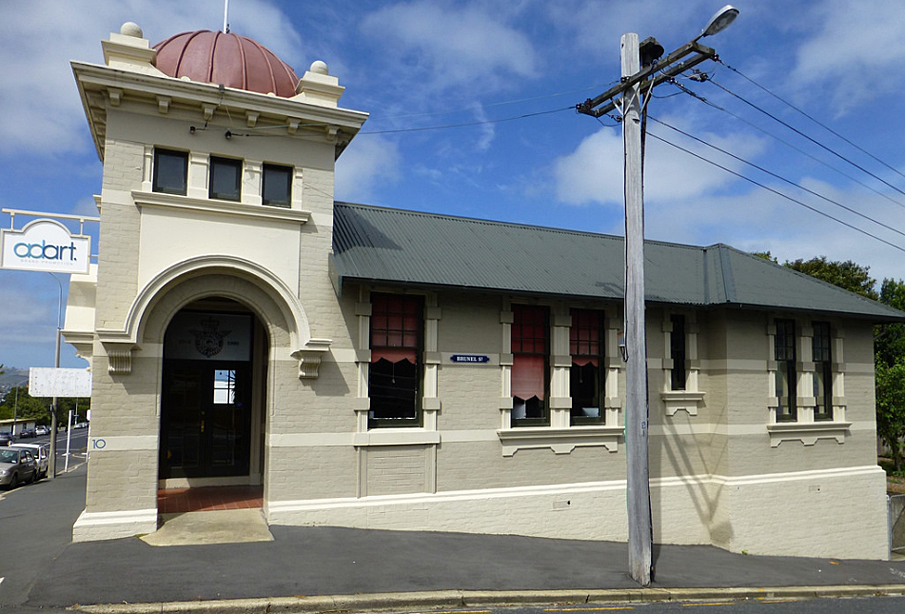
Mornington Post Office was built in 1905 after replacing an earlier iteration. The building is historically and architecturally significant for the Borough of Mornington at a time when postal communication was paramount for New Zealand. It was built during a post office building boom between 1900 and 1914 and is one of the remaining smaller post offices which, with some variation, were built all over New Zealand. Built with a striking tower in Edwardian Baroque style, it remains a little-altered focal point in the suburb of Mornington.

Both iwi history and archaeological evidence show Māori occupation in the Ōtākou / Otago region since the 12th century. Today, Kāi Tahu mana whenua is recognised over a large part of Te Wai Pounamu. Kāti Māmoe and Waitaha shared occupation are always acknowledged. The principal hapū Kāi Te Pahi, Kāti Moki, and Kāti Taoka still maintain their presence and responsibility as kaitiaki in this region.

The postal service in New Zealand began in 1840 and the first post office in Dunedin opened in 1855. By the early twentieth century the Post and Telegraph Department had become one of the major government departments, with branches in all the main centres. Mornington in Dunedin operated as a Borough, complete with its own Mayor and Council, which was formed in 1877.

John Campbell (1857-1942), Government Architect, designed the Post Office, along with many other offices. Campbell oversaw the architectural design of government buildings until his retirement in 1922, holding the title of ‘government architect’ from 1909. Campbell established the architectural style of Edwardian Baroque as the official architectural style for government buildings in New Zealand in the early twentieth century. Between 1900 and 1914 a post office boom occurred and due to the large amount of work, Campbell developed two models for smaller post offices which were built throughout New Zealand. Erecting new Post Offices was influenced by the completion of the main trunk line in the North Island along with the replacement of old timber buildings and building in more permanent materials and the spread of telegraphic communication throughout New Zealand.

The Public Works Department approved plans for the Mornington Post Office, and the Minister of Public Works consented to lay the foundation stone. The Post Office was constructed in 1905 at a cost of £1, 026 ($224,944 today). The contractor however, is unclear as multiple sources have the name recorded differently. Construction was completed at the end of 1905, although unusually no article can be found in the local papers about its official opening. Mornington’s Post Office was built of brick with cement facings and had a public room for letters, stamps and money orders, and a mailroom with a postmaster’s room, with sitting room, bedroom and kitchen. There were two telephones - one for telegraph services and one for the public bureau telephone. Most of the towers of the post offices of this design no longer exist with the Mornington Post Office being one of six that remains.

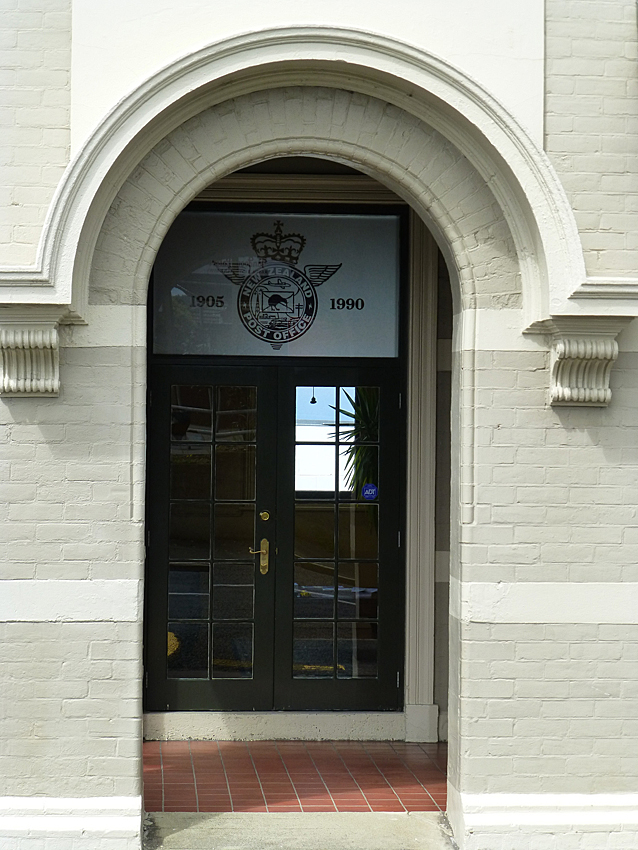
Mornington postal services ceased on 27 July 1990 and various modifications to the interior have been carried out since. The building has housed a real estate office for three separate operators, a graphic design studio, and a security company. It underwent a restoration in 2002 under the company ‘Advertising and Art’ and now houses a beauty salon. These Post Offices for many decades represented the archetypal New Zealand post office building. This building, with its rich Baroque decoration, remains a focal point of Mornington and provides an important contribution to the streetscape.
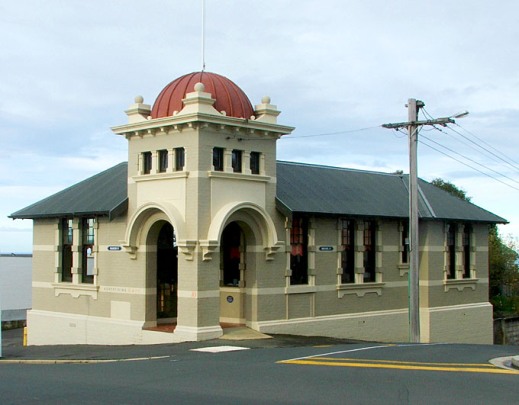
Mornington Post Office, Dunedin | A Breese | 01/11/2024 | Heritage New Zealand Pouhere Taonga
Mornington Post Office, Dunedin. Image courtesy of www.flickr.com | Shelley Morris – Shells | 17/02/2013 | Shelley Morris
Mornington Post Office, Dunedin. Building detail. Image courtesy of www.flickr.com | Shelley Morris – Shells | 12/03/2013 | Shelley Morris
Mornington Post Office, Dunedin | A Breese | 01/11/2024 | Heritage New Zealand Pouhere Taonga
Mornington Post Office, Dunedin. Image courtesy of www.flickr.com | Shelley Morris – Shells | 17/02/2013 | Shelley Morris
Mornington Post Office, Dunedin. Building detail. Image courtesy of www.flickr.com | Shelley Morris – Shells | 12/03/2013 | Shelley Morris

List Entry Information

Overview

Status
Listed

List Entry Status
Historic Place Category 2

Access
Private/No Public Access

List Number
2196

Date Entered
2nd July 1982

Date of Effect
2nd July 1982

City/District Council
Dunedin City

Region
Otago Region

Extent of List Entry

Extent includes the land described as Sec 1 SO 23009 (RT OT12C/1255), Otago Land District, and the building known as Mornington Post Office (Former), thereon.

Legal description

Sec 1 SO 23009 (RT OT12C/1255), Otago Land District

Detailed List Entry

Construction Professional

Name

Campbell, John

Type

Architect

Biography

Queenstown builder

Name

F. W Lyders

Type

Builder

Construction Details

Start Year

1905

Type

Original Construction

Start Year

2002

Type

Modification

Description

Restoration

Reference

Completion Date

27th September 2024

Report Written By

Alison Breese

Information Sources

Richardson, 1988

Peter Richardson, 'An Architecture of Empire: The Government Buildings of John Campbell in New Zealand', MA Thesis, University of Canterbury, 1988

Robinson, 1964

Howard Robinson, A History of the Post Office in New Zealand, RE Owen, Government Printer, Wellington, 1964

Wellington City Council

Wellington City Council

Hargreaves, 1983

Ray Hargreaves, On Top of the Hill: The Story of Mornington as seen through its streets and buildings, Otago Regional Committee New Zealand Historic Places Trust and John McIndoe, Dunedin, 1983

Heritage New Zealand Pouhere Taonga Property File

12005-050

Report Written By

A fully referenced copy of the Upgrade Report is available upon request from the Southern Area Office of Heritage New Zealand Pouhere Taonga Disclaimer Please note that entry on the New Zealand Heritage List/Rārangi Kōrero identifies only the heritage values of the property concerned, and should not be construed as advice on the state of the property, or as a comment of its soundness or safety, including in regard to earthquake risk, safety in the event of fire, or insanitary conditions. Archaeological sites are protected by the Heritage New Zealand Pouhere Taonga Act 2014, regardless of whether they are entered on the New Zealand Heritage List/Rārangi Kōrero or not. Archaeological sites include ‘places associated with pre-1900 human activity, where there may be evidence relating to the history of New Zealand’. This List entry report should not be read as a statement on whether or not the archaeological provisions of the Act apply to the property (s) concerned. Please contact your local Heritage New Zealan

Further Information

Current Usages

Uses: Accommodation

Specific Usage: House

Uses: Trade

Specific Usage: Retail and Commercial - other

Former Usages

General Usage:: Communication

Specific Usage: Post Office

General Usage:: Communication

Specific Usage: Postal & Telecommunications - Other

Themes

Web Links

Overview

Status

Listed

List Entry Status

Historic Place Category 2

Access

Private/No Public Access

List Number

2196

Date Entered

2nd July 1982

Date of Effect

2nd July 1982

City/District Council

Dunedin City

Region

Otago Region

Extent of List Entry

Extent includes the land described as Sec 1 SO 23009 (RT OT12C/1255), Otago Land District, and the building known as Mornington Post Office (Former), thereon.

Legal description

Sec 1 SO 23009 (RT OT12C/1255), Otago Land District

Status

Listed

List Entry Status

Historic Place Category 2

Access

Private/No Public Access

List Number

2196

Date Entered

2nd July 1982

Date of Effect

2nd July 1982

City/District Council

Dunedin City

Region

Otago Region

Extent of List Entry

Extent includes the land described as Sec 1 SO 23009 (RT OT12C/1255), Otago Land District, and the building known as Mornington Post Office (Former), thereon.

Legal description

Sec 1 SO 23009 (RT OT12C/1255), Otago Land District

Construction Information

Construction Professional

Name

Campbell, John

Type

Architect

Biography

Queenstown builder

Name

F. W Lyders

Type

Builder

Biography

Construction Details

Start Year

1905

Type

Original Construction

Start Year

2002

Type

Modification

Description

Restoration

Construction Professional

Name

Campbell, John

Type

Architect

Biography

Queenstown builder

Name

F. W Lyders

Type

Builder

Biography

Construction Details

Start Year

1905

Type

Original Construction

Start Year

2002

Type

Modification

Description

Restoration

Reference

Historical and Associated Iwi / Hapū / Whānau

Completion Date

27th September 2024

Report Written By

Alison Breese

Information Sources

Richardson, 1988

Peter Richardson, 'An Architecture of Empire: The Government Buildings of John Campbell in New Zealand', MA Thesis, University of Canterbury, 1988

Robinson, 1964

Howard Robinson, A History of the Post Office in New Zealand, RE Owen, Government Printer, Wellington, 1964

Wellington City Council

Wellington City Council

Hargreaves, 1983

Ray Hargreaves, On Top of the Hill: The Story of Mornington as seen through its streets and buildings, Otago Regional Committee New Zealand Historic Places Trust and John McIndoe, Dunedin, 1983

Heritage New Zealand Pouhere Taonga Property File

12005-050

Other Information

A fully referenced copy of the Upgrade Report is available upon request from the Southern Area Office of Heritage New Zealand Pouhere Taonga Disclaimer Please note that entry on the New Zealand Heritage List/Rārangi Kōrero identifies only the heritage values of the property concerned, and should not be construed as advice on the state of the property, or as a comment of its soundness or safety, including in regard to earthquake risk, safety in the event of fire, or insanitary conditions. Archaeological sites are protected by the Heritage New Zealand Pouhere Taonga Act 2014, regardless of whether they are entered on the New Zealand Heritage List/Rārangi Kōrero or not. Archaeological sites include ‘places associated with pre-1900 human activity, where there may be evidence relating to the history of New Zealand’. This List entry report should not be read as a statement on whether or not the archaeological provisions of the Act apply to the property (s) concerned. Please contact your local Heritage New Zealan

Historical and Associated Iwi / Hapū / Whānau

Completion Date

27th September 2024

Report Written By

Alison Breese

Information Sources

Richardson, 1988

Peter Richardson, 'An Architecture of Empire: The Government Buildings of John Campbell in New Zealand', MA Thesis, University of Canterbury, 1988

Robinson, 1964

Howard Robinson, A History of the Post Office in New Zealand, RE Owen, Government Printer, Wellington, 1964

Wellington City Council

Wellington City Council

Hargreaves, 1983

Ray Hargreaves, On Top of the Hill: The Story of Mornington as seen through its streets and buildings, Otago Regional Committee New Zealand Historic Places Trust and John McIndoe, Dunedin, 1983

Heritage New Zealand Pouhere Taonga Property File

12005-050

Other Information

A fully referenced copy of the Upgrade Report is available upon request from the Southern Area Office of Heritage New Zealand Pouhere Taonga Disclaimer Please note that entry on the New Zealand Heritage List/Rārangi Kōrero identifies only the heritage values of the property concerned, and should not be construed as advice on the state of the property, or as a comment of its soundness or safety, including in regard to earthquake risk, safety in the event of fire, or insanitary conditions. Archaeological sites are protected by the Heritage New Zealand Pouhere Taonga Act 2014, regardless of whether they are entered on the New Zealand Heritage List/Rārangi Kōrero or not. Archaeological sites include ‘places associated with pre-1900 human activity, where there may be evidence relating to the history of New Zealand’. This List entry report should not be read as a statement on whether or not the archaeological provisions of the Act apply to the property (s) concerned. Please contact your local Heritage New Zealan

Further Information

Current Usages

Uses: Accommodation

Specific Usage: House

Uses: Trade

Specific Usage: Retail and Commercial - other

Former Usages

General Usage: Communication

Specific Usage: Post Office

General Usage: Communication

Specific Usage: Postal & Telecommunications - Other

Current Usages

Uses: Accommodation

Specific Usage: House

Uses: Trade

Specific Usage: Retail and Commercial - other

Former Usages

General Usage: Communication

Specific Usage: Post Office

General Usage: Communication

Specific Usage: Postal & Telecommunications - Other

Location

Loading
Related listings
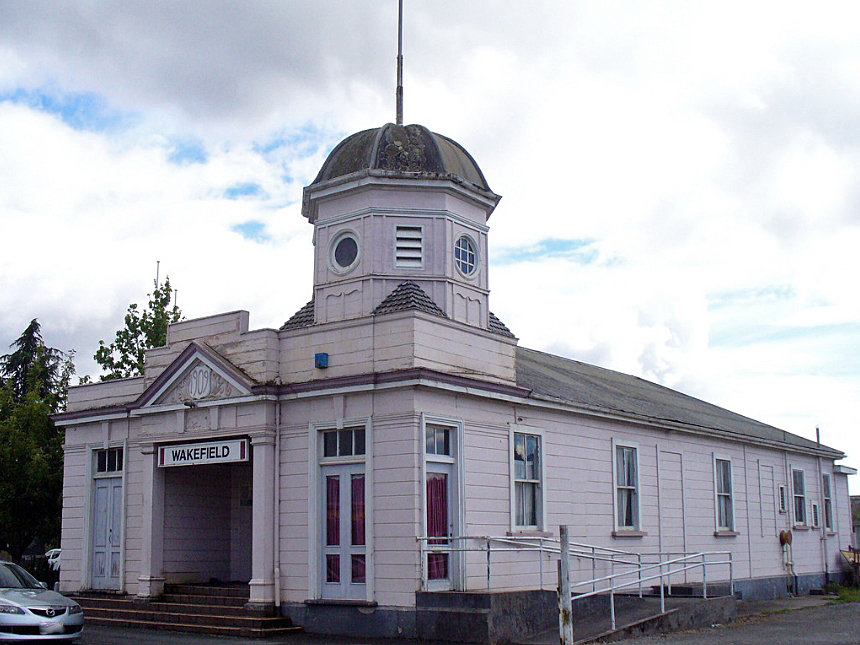
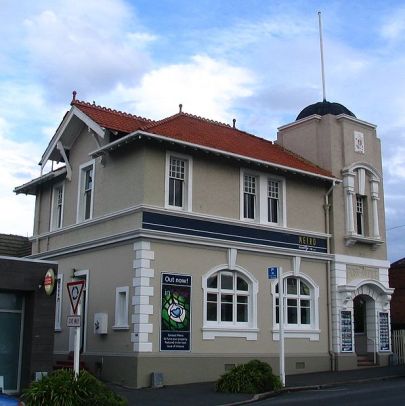
Post Office (Former), Wakefield. Image courtesy of www.flickr.com
Post Office (Former)
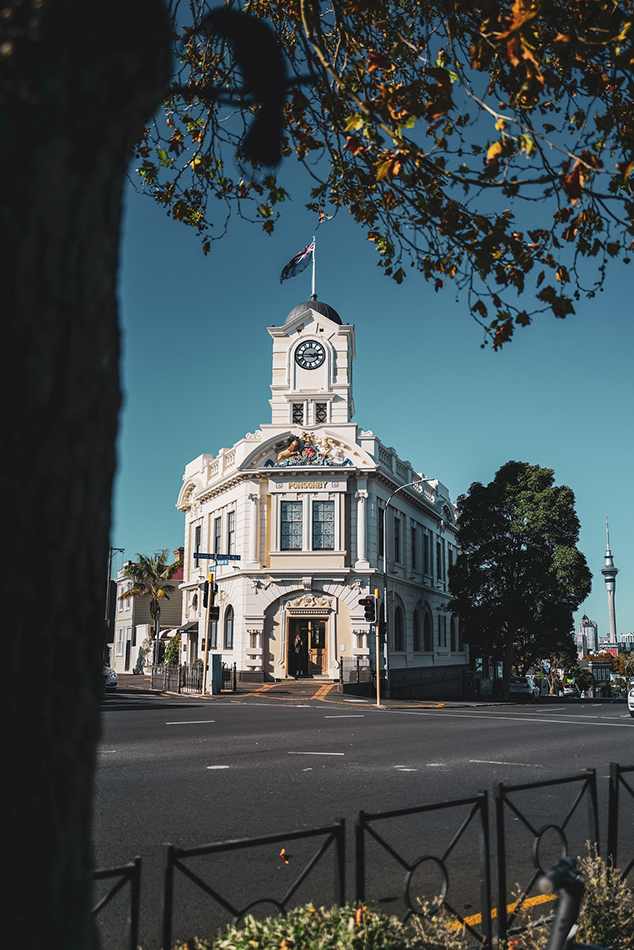
Ponsonby Post Office (Former), Auckland. Image courtesy of www.flickr.com
Ponsonby Post Office (Former)
Roslyn Post Office, Dunedin
Roslyn Post Office (Former)
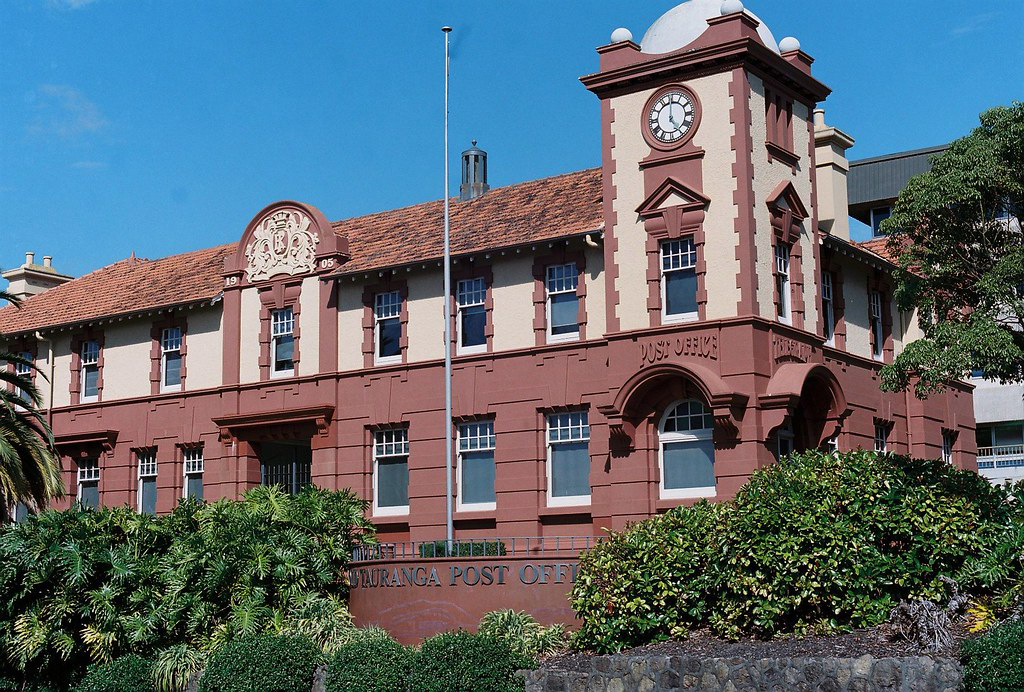
Post Office/Government Building (Former), Tauranga. CC BY-NC-ND 2.0 Image courtesy of www.flickr.com
Post Office/Government Building (Former)
Ponsonby Post Office (Former), Auckland. Image courtesy of www.flickr.com
Ponsonby Post Office (Former)
Post Office (Former), Wakefield. Image courtesy of www.flickr.com
Post Office (Former)
Roslyn Post Office, Dunedin
Roslyn Post Office (Former)
Post Office (Former)
Post Office/Government Building (Former), Tauranga. CC BY-NC-ND 2.0 Image courtesy of www.flickr.com
Post Office/Government Building (Former)
Sign up to hear more

Get the latest heritage news, features and events delivered
straight to your inbox.

Subscribe