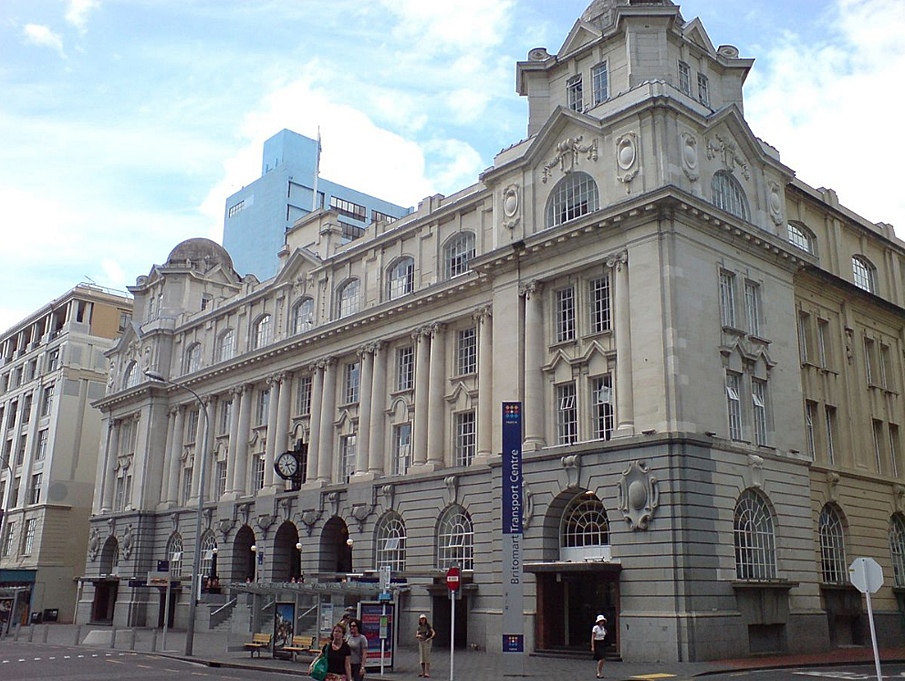
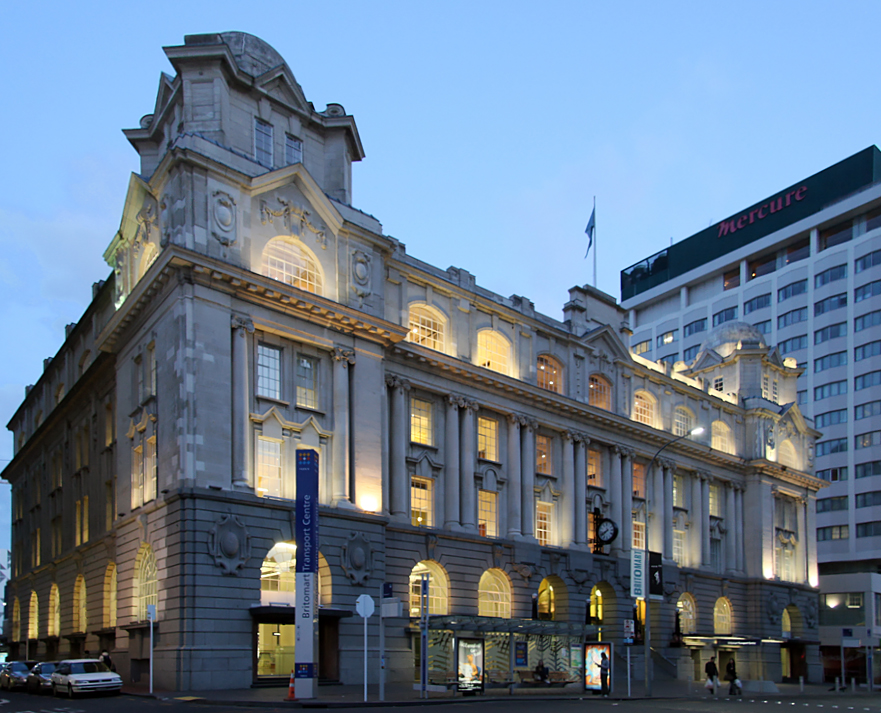
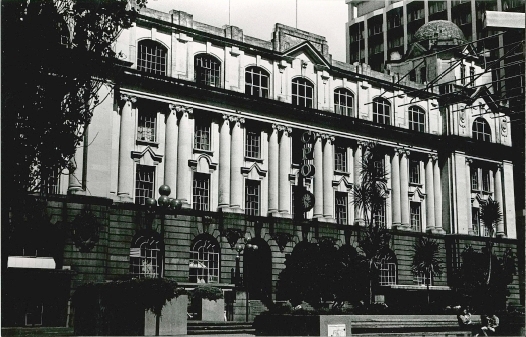
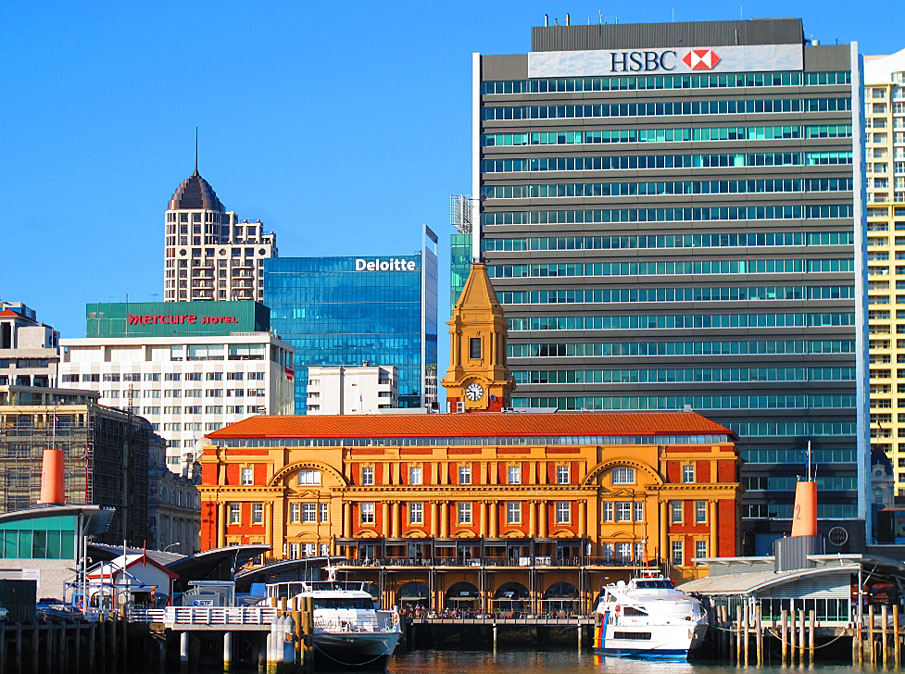
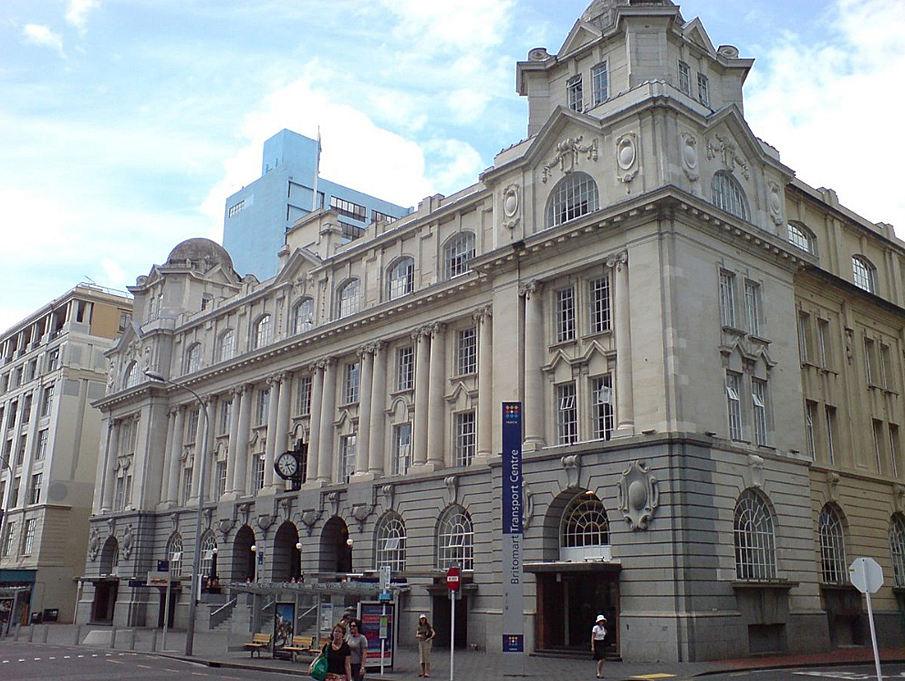
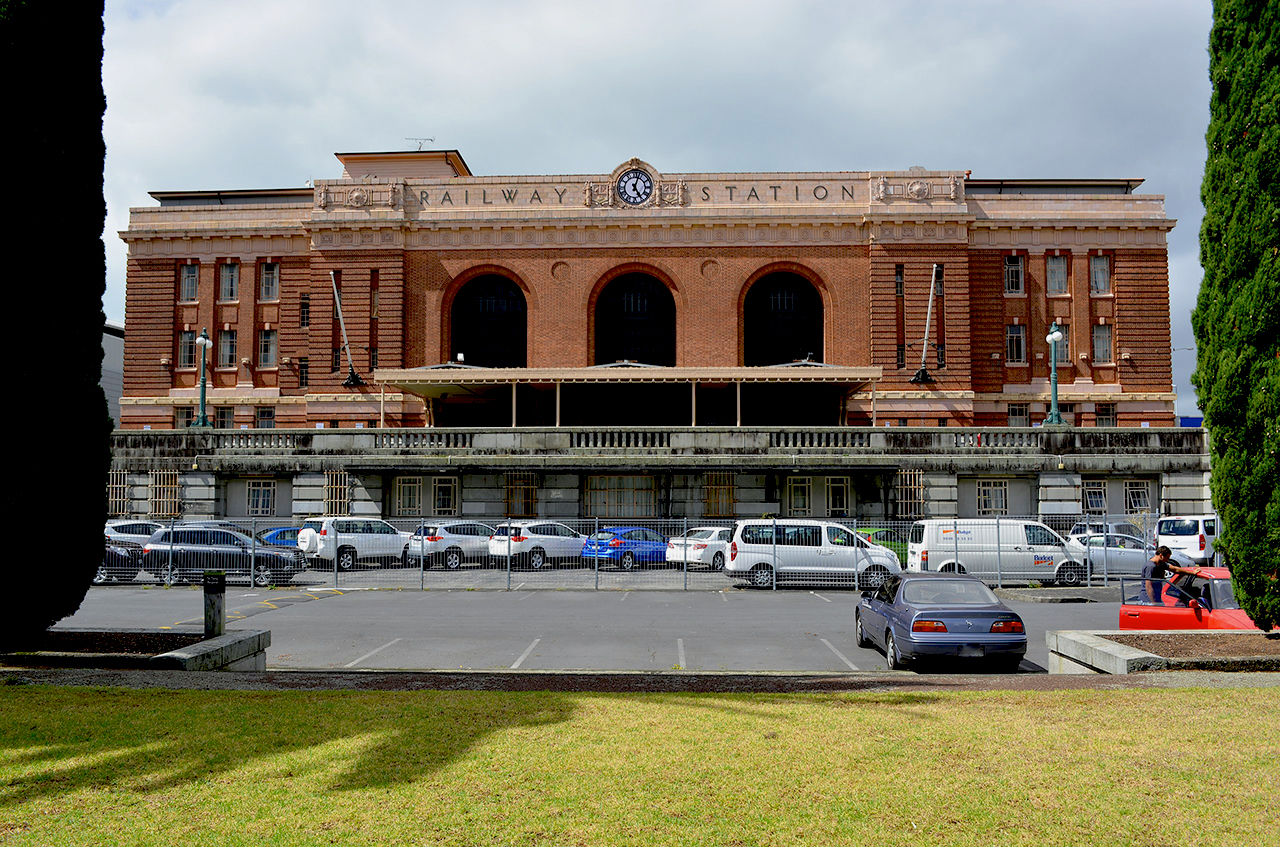
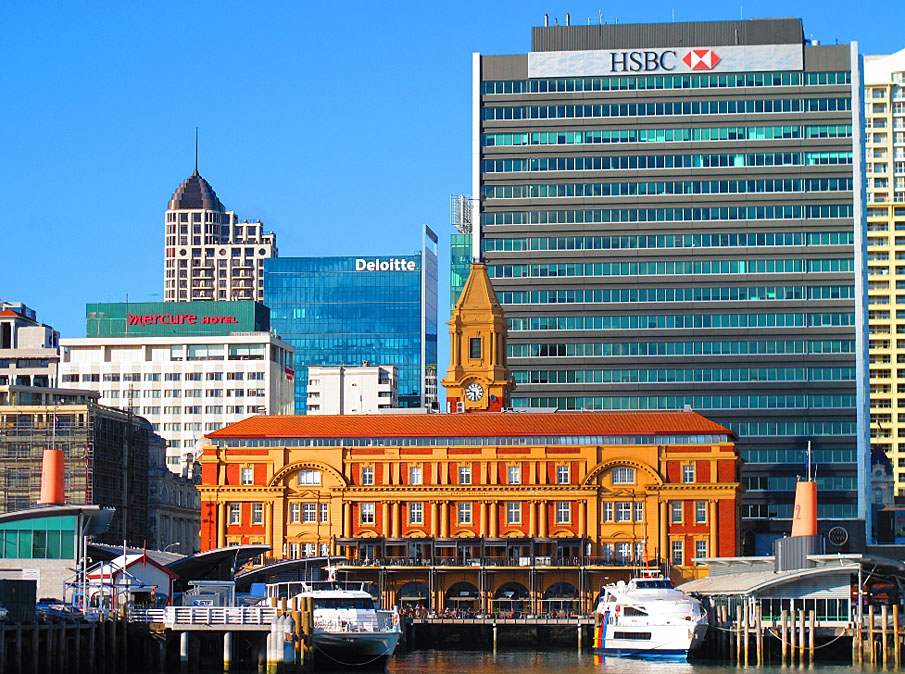
The Auckland Chief Post Office (CPO) is an imposing public building at the foot of Queen Street, the main commercial thoroughfare in the city. Built in 1909-1912, it indicates the importance of the postal service as a state-run network for public welfare and communication. The building was constructed at the hub of the city's transport system, next to the ferry building, tram terminus and original railway building, as well as the commercial wharves. It was heralded as a milestone in the progress of the city, and opened by the Prime Minister, William Massey (1856-1925), in front of a crowd of 8,000-10,000 people in 1912.
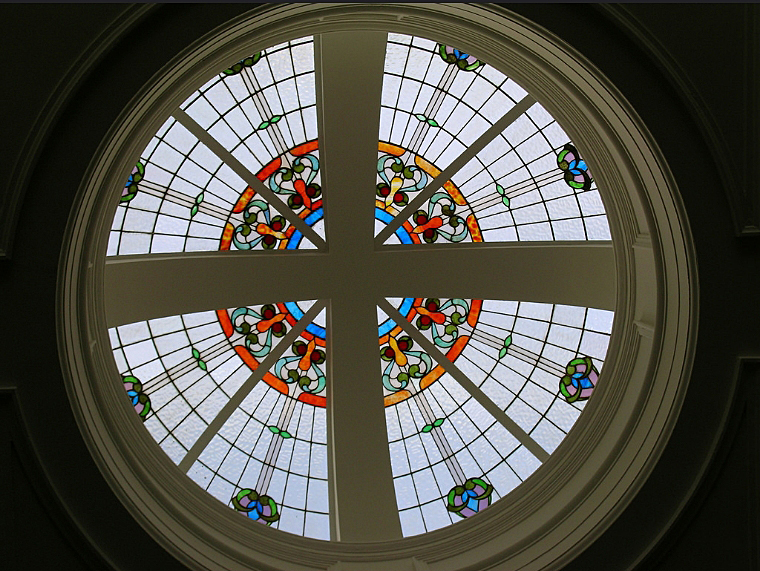
The building was constructed at the same time, and to similar specifications, as the Wellington Post Office, which has since been destroyed. It was designed in an Imperial Baroque style, which was used for many public buildings of the time, including the Auckland Town Hall. White Oamaru stone and Coromandel granite emphasised the grandeur of its main facades, while a large light well and imported fittings did the same for its interior. The Post Office provided a variety of services, such as postage, banking and the payment of pensions on its ground floor, while its first floor contained offices, including those of the district engineer and traffic manager. The building also housed an electoral office for MPs to conduct constituency business, which was used by the Prime Minister, Robert Muldoon, in the 1970s. The Post Office occupied the building until the early 1990s, making a number of modifications to the structure. An Art Deco rear extension, built in the 1930s, was demolished by the City Council in 2001 in preparation for the building's conversion to a transport terminal.
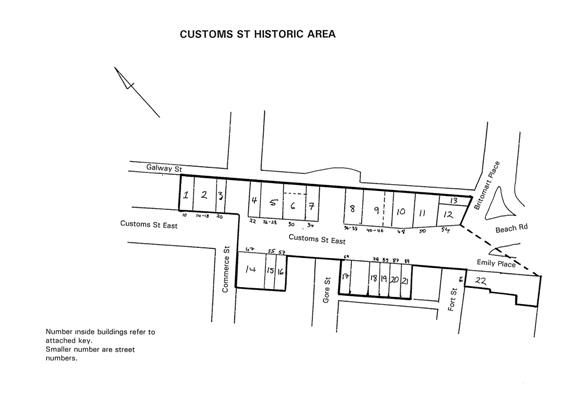
The Chief Post Office is nationally significant as one of the largest post offices in the country when built. It handled the biggest volume of mail in the region at a time when the postal service was an important symbol of beneficial state involvement in everyday life. The Chief Post Office was a flagship for such services, and maintains an impressive appearance with its Baroque style and lavish interiors. Its prominence encouraged the surrounding area to become a focus of major social events, such as the welcoming of returning troops and of royalty. The building is a visible and tangible part of the city's history as a centre for regional communication and has considerable landmark qualities at the lower end of Queen Street. It is an Auckland icon, located in the very centre of the city and continues to enjoy high public esteem. It has additional landmark and historical value for its proximity to other historic buildings nearby, being located at the junction of three registered historic areas - Harbour Historic Area, Quay Street Historic Area and Customs Street Historic Area.
The building was constructed at the same time, and to similar specifications, as the Wellington Post Office, which has since been destroyed. It was designed in an Imperial Baroque style, which was used for many public buildings of the time, including the Auckland Town Hall. White Oamaru stone and Coromandel granite emphasised the grandeur of its main facades, while a large light well and imported fittings did the same for its interior. The Post Office provided a variety of services, such as postage, banking and the payment of pensions on its ground floor, while its first floor contained offices, including those of the district engineer and traffic manager. The building also housed an electoral office for MPs to conduct constituency business, which was used by the Prime Minister, Robert Muldoon, in the 1970s. The Post Office occupied the building until the early 1990s, making a number of modifications to the structure. An Art Deco rear extension, built in the 1930s, was demolished by the City Council in 2001 in preparation for the building's conversion to a transport terminal.
The Chief Post Office is nationally significant as one of the largest post offices in the country when built. It handled the biggest volume of mail in the region at a time when the postal service was an important symbol of beneficial state involvement in everyday life. The Chief Post Office was a flagship for such services, and maintains an impressive appearance with its Baroque style and lavish interiors. Its prominence encouraged the surrounding area to become a focus of major social events, such as the welcoming of returning troops and of royalty. The building is a visible and tangible part of the city's history as a centre for regional communication and has considerable landmark qualities at the lower end of Queen Street. It is an Auckland icon, located in the very centre of the city and continues to enjoy high public esteem. It has additional landmark and historical value for its proximity to other historic buildings nearby, being located at the junction of three registered historic areas - Harbour Historic Area, Quay Street Historic Area and Customs Street Historic Area.