The Domain Wintergardens combine New Zealand's natural and cultural heritage, consisting of structures displaying a variety of native and exotic flora in the Auckland Domain. They were originally started during the First World War to commemorate the success of the Industrial, Agricultural and Mining Exhibition of 1913-1914, held on the same site. Profits from the exhibition were used to create sports fields, and to erect a Temperate - or Cool - House in 1916-1921 for the year-round display of flowering plants. Other parts of the Wintergardens were planned at the same time, but not carried out until the late 1920s, when a Tropical House, Fernery and connecting courtyard were added. The gardens provided a focus for promenades in the winter months and were part of the gentrification of the park, which had earlier been seen as a haunt of 'undesirables'. The Domain had been set aside as Crown land in 1841 and enshrined as a place of public recreation in 1844.
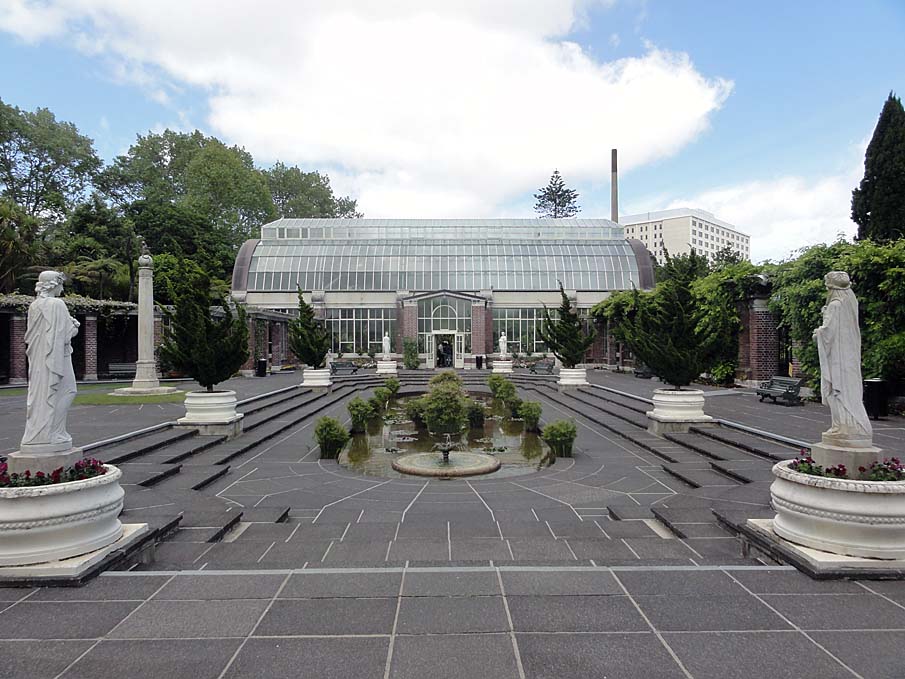
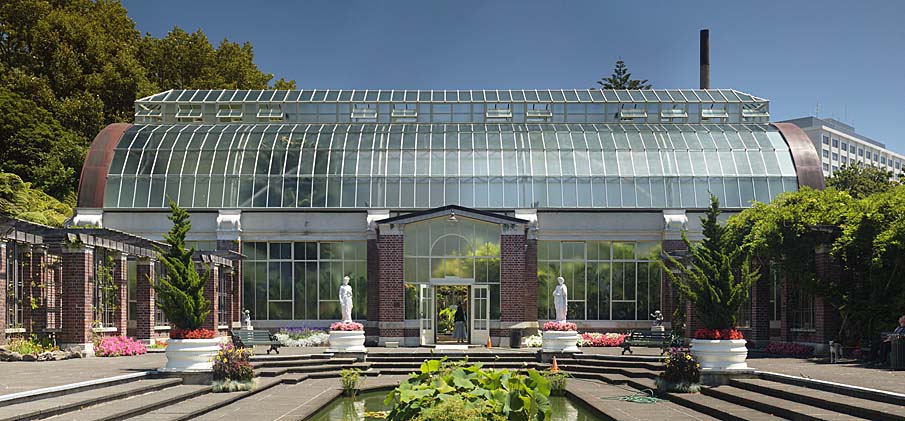
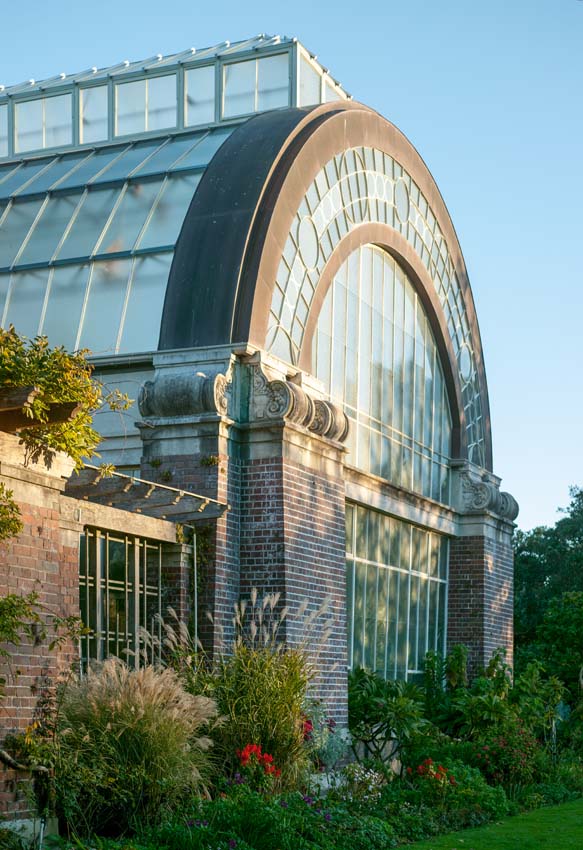
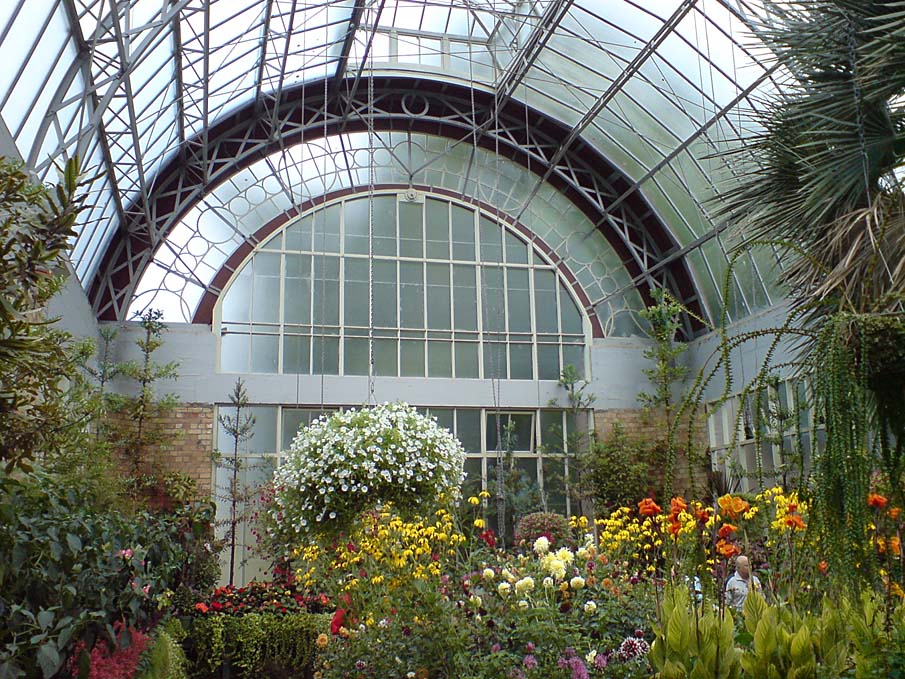
The structures were designed by William Henry Gummer and Charles Reginald Ford, who were among the leading architects of their day. The Temperate and Tropical houses are barrel-vaulted steel and glass structures, arranged symmetrically on either side of the complex. They are separated by the enclosed courtyard, while the Fernery occupies a more irregular grotto setting to the rear. The courtyard contains a number of statues, added in 1945, and a sunken pond that was modified in 1954. Each structure within the Wintergardens was designed to display different types of flora, the Temperate House having exotic potted plants and the Tropical House more permanent plantings, such as banana and ravanela (traveller's palm). The fernery is notable for its display of New Zealand plants, some of which may have come from a collection that won the first Loder Cup in 1926. The cup was established by the New Zealand Institute of Horticulture to encourage the appreciation and cultivation of native flora.
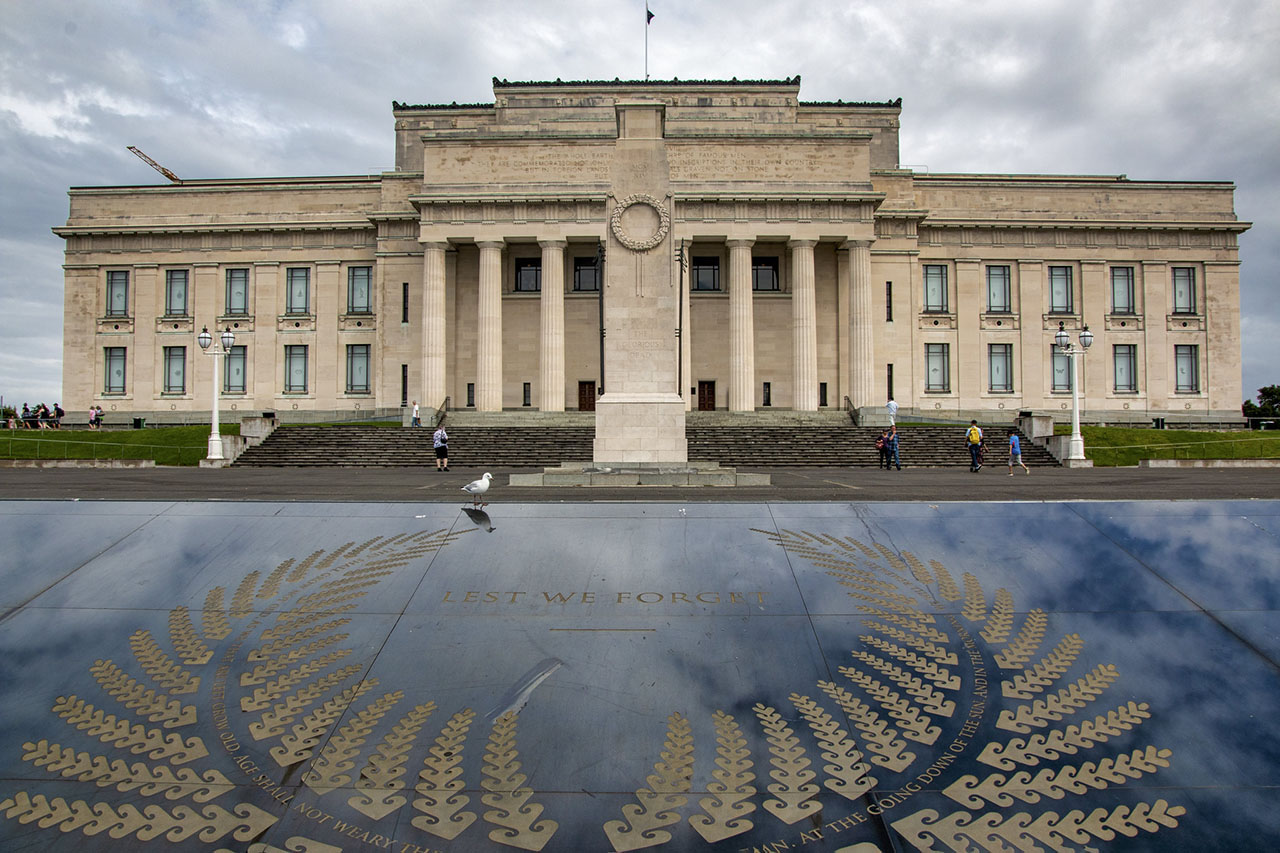
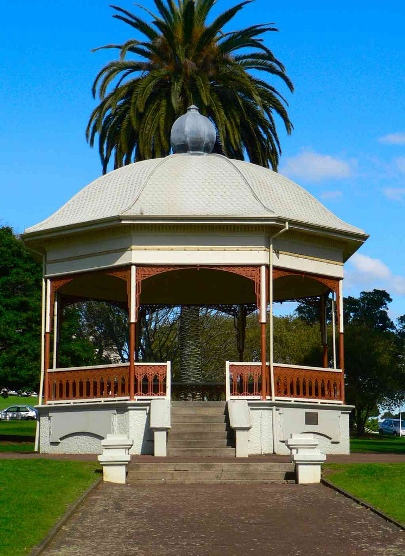
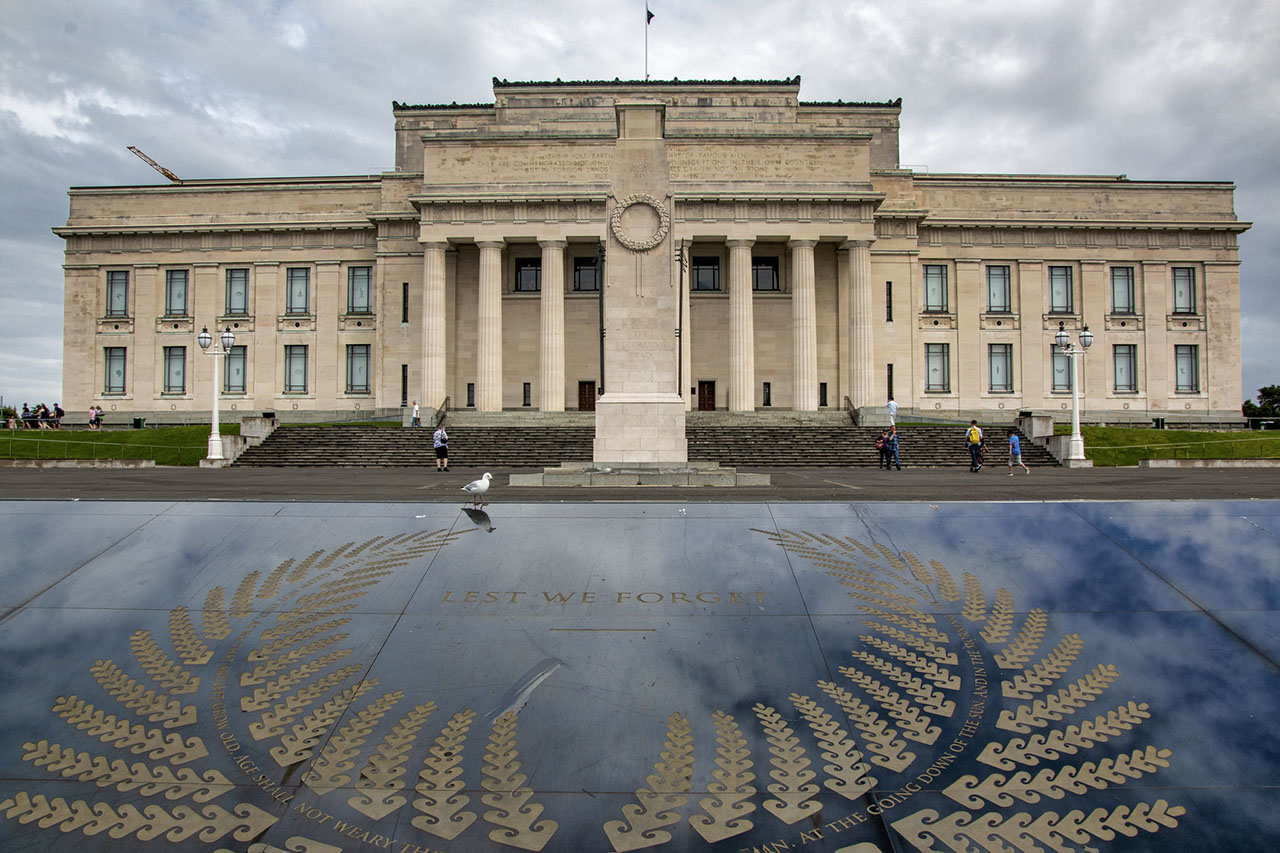
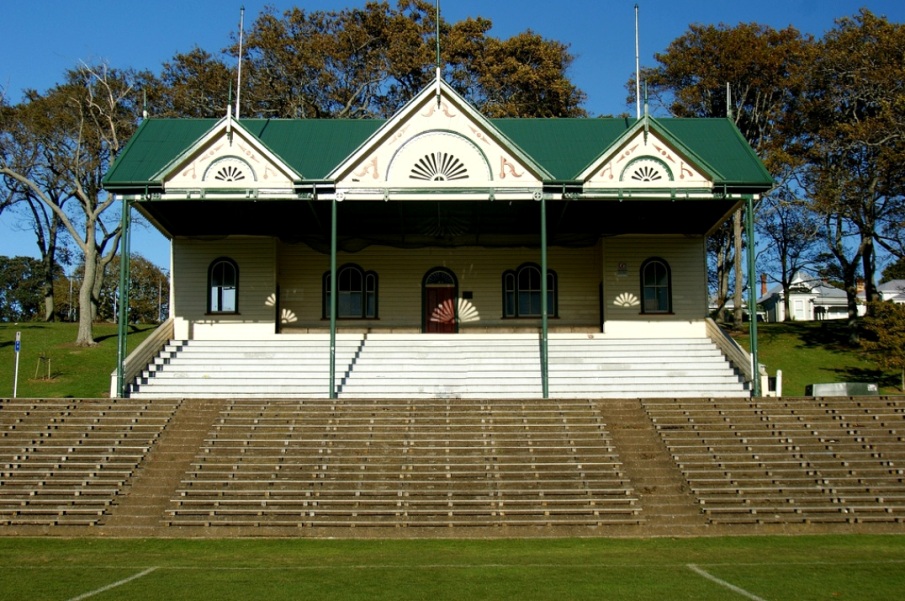
The Domain Wintergardens are among the best-preserved examples of their kind in the country and are nationally significant for demonstrating early twentieth-century garden design. They demonstrate attitudes to the natural world at that time, including an interest in exotic flora 'discovered' during European colonial expansion. They are particularly important for reflecting changes in approach to flora during the 1920s, with a growing emphasis on New Zealand plants. The Wintergardens are also significant for their association with the Auckland Industrial, Agricultural and Mining Exhibition, and the role of public parks as places of education and recreation. They are important for showing the architectural versatility of Gummer and Ford, and the value placed on public buildings in the early twentieth century. They have connections with other historic structures in the park - including the nearby rotunda, tea kiosk and Auckland War Memorial Museum - and enjoy high public esteem as popular and much-visited buildings.
The structures were designed by William Henry Gummer and Charles Reginald Ford, who were among the leading architects of their day. The Temperate and Tropical houses are barrel-vaulted steel and glass structures, arranged symmetrically on either side of the complex. They are separated by the enclosed courtyard, while the Fernery occupies a more irregular grotto setting to the rear. The courtyard contains a number of statues, added in 1945, and a sunken pond that was modified in 1954. Each structure within the Wintergardens was designed to display different types of flora, the Temperate House having exotic potted plants and the Tropical House more permanent plantings, such as banana and ravanela (traveller's palm). The fernery is notable for its display of New Zealand plants, some of which may have come from a collection that won the first Loder Cup in 1926. The cup was established by the New Zealand Institute of Horticulture to encourage the appreciation and cultivation of native flora.
The Domain Wintergardens are among the best-preserved examples of their kind in the country and are nationally significant for demonstrating early twentieth-century garden design. They demonstrate attitudes to the natural world at that time, including an interest in exotic flora 'discovered' during European colonial expansion. They are particularly important for reflecting changes in approach to flora during the 1920s, with a growing emphasis on New Zealand plants. The Wintergardens are also significant for their association with the Auckland Industrial, Agricultural and Mining Exhibition, and the role of public parks as places of education and recreation. They are important for showing the architectural versatility of Gummer and Ford, and the value placed on public buildings in the early twentieth century. They have connections with other historic structures in the park - including the nearby rotunda, tea kiosk and Auckland War Memorial Museum - and enjoy high public esteem as popular and much-visited buildings.