

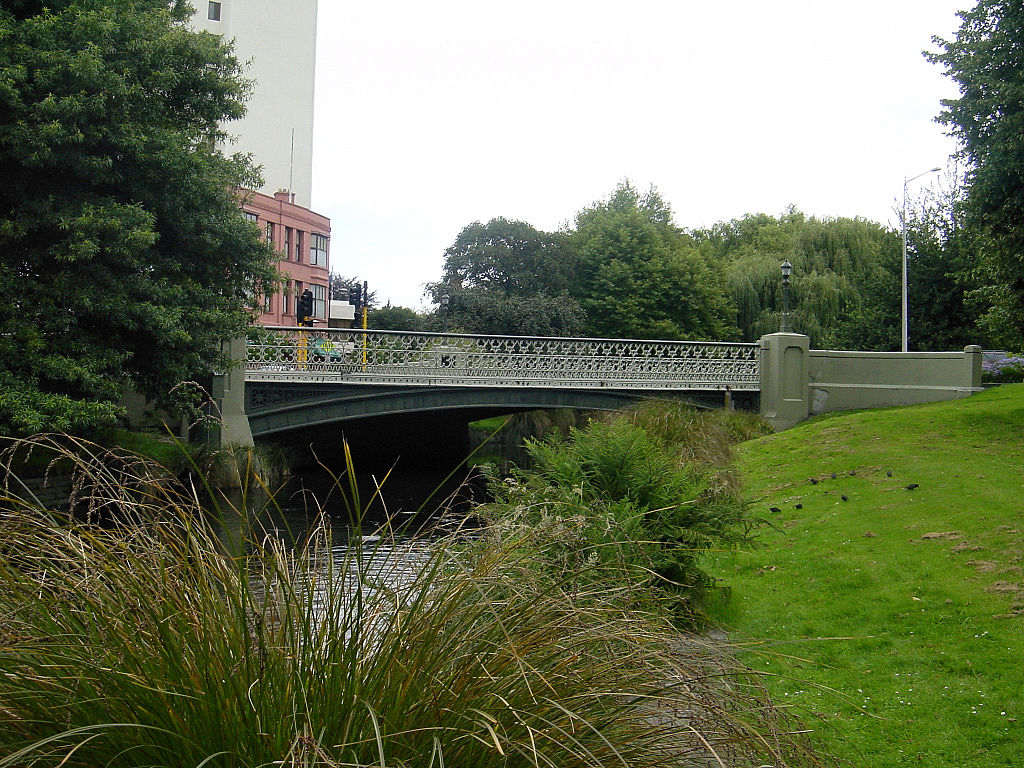
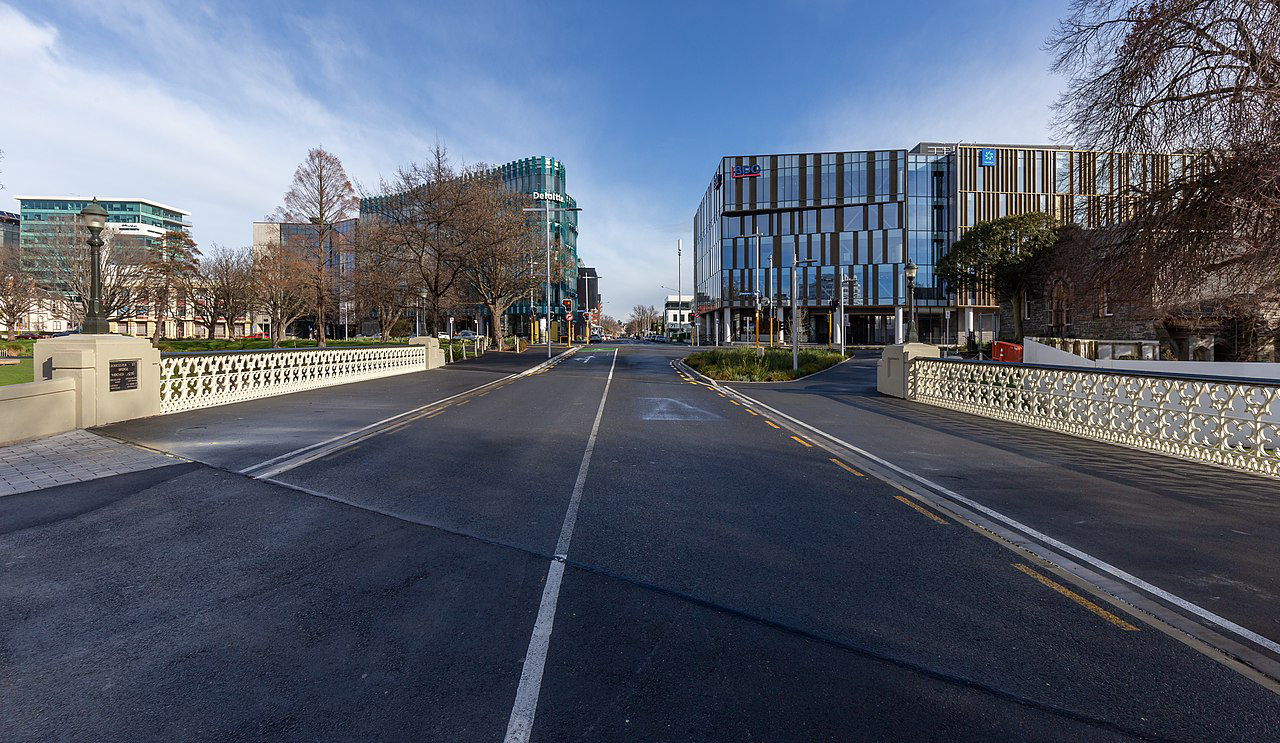
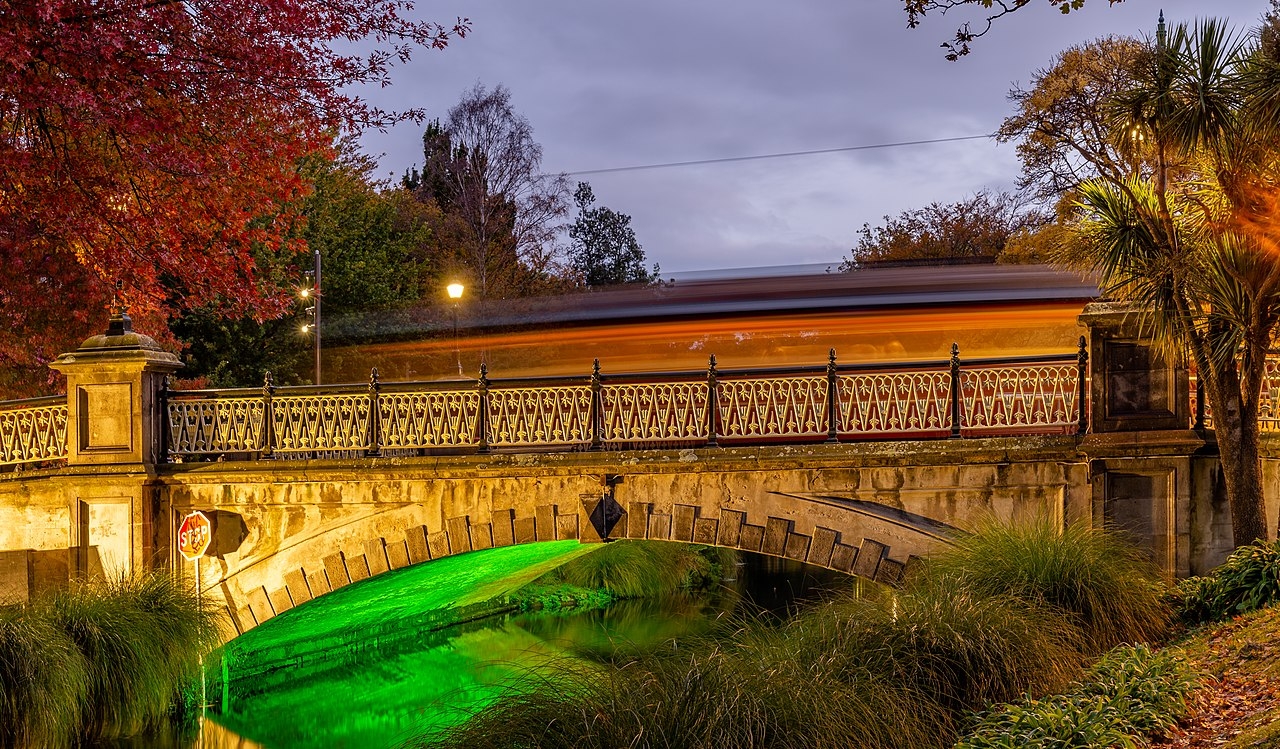
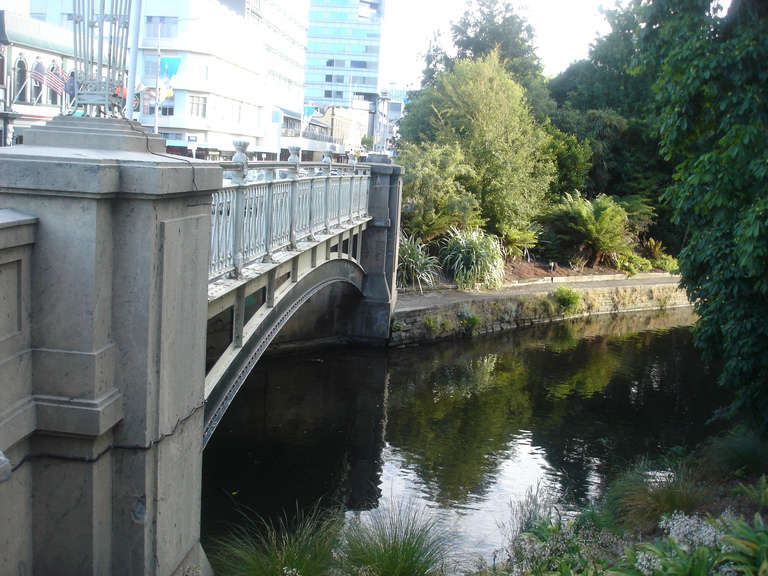
A suspension footbridge was erected at the Gloucester St crossing of the Avon in 1862. Gothic in style to match the adjacent Provincial Government Buildings, the bridge may also have been designed by B.W. Mountfort. In 1886-7 it was replaced with a new iron road bridge at a cost of £1, 888. This bridge was designed by City Surveyor Charles Walkden, and built by William Stocks. Walkden gave the City Council two options for the railing pattern; that selected was identical to the Victoria St Bridge. The ironwork was fabricated by Scott Bros. In 1936 the City Council decided to widen the bridge 14 ft. on the south side, making it level with the building line on that side of the street. The work was carried out in 1937, with the original Mt Somers stone wing walls and piers being replaced in concrete.
Surveyor and engineer Charles Walkden (1824-1908) had worked in Austria and Denmark for a number of years before arriving in Christchurch in 1871. In 1874 he was appointed City Surveyor to the City Council, a position he held for 22 years. During this time, Walkden was responsible for building or rebuilding many of the bridges in central Christchurch. He retired in 1896 on an allowance of £375 p.a.
William Stocks (1837-94) was born in Huddersfield, England, coming to the Otago goldfields in 1858. He became a building contractor in Dunedin, and continued in this work after moving to Christchurch in 1878. He was responsible for many important public buildings and works in Canterbury, including the Waimakariri Gorge Bridge, the Hurunui Bridge, and a number of railway lines.
List Entry Information
Status
Listed
List Entry Status
Historic Place Category 2
Access
Able to Visit
List Number
1831
Date Entered
2nd April 2004
Date of Effect
2nd April 2004
City/District Council
Christchurch City
Region
Canterbury Region
Extent of List Entry
Registration includes the bridge and the land the bridge sits on.
Legal description
There is no legal description or Certificate of Title for the Avon River and its banks.
Status
Listed
List Entry Status
Historic Place Category 2
Access
Able to Visit
List Number
1831
Date Entered
2nd April 2004
Date of Effect
2nd April 2004
City/District Council
Christchurch City
Region
Canterbury Region
Extent of List Entry
Registration includes the bridge and the land the bridge sits on.
Legal description
There is no legal description or Certificate of Title for the Avon River and its banks.
Why is this place significant?
Historic Significance
Historical Significance or Value The construction of the bridge has historical significance as an indication of the desire of the Victorian citizens of the city to use the Avon's bridges to ornament Christchurch whilst also providing evidence of permanency and progress.
Physical Significance
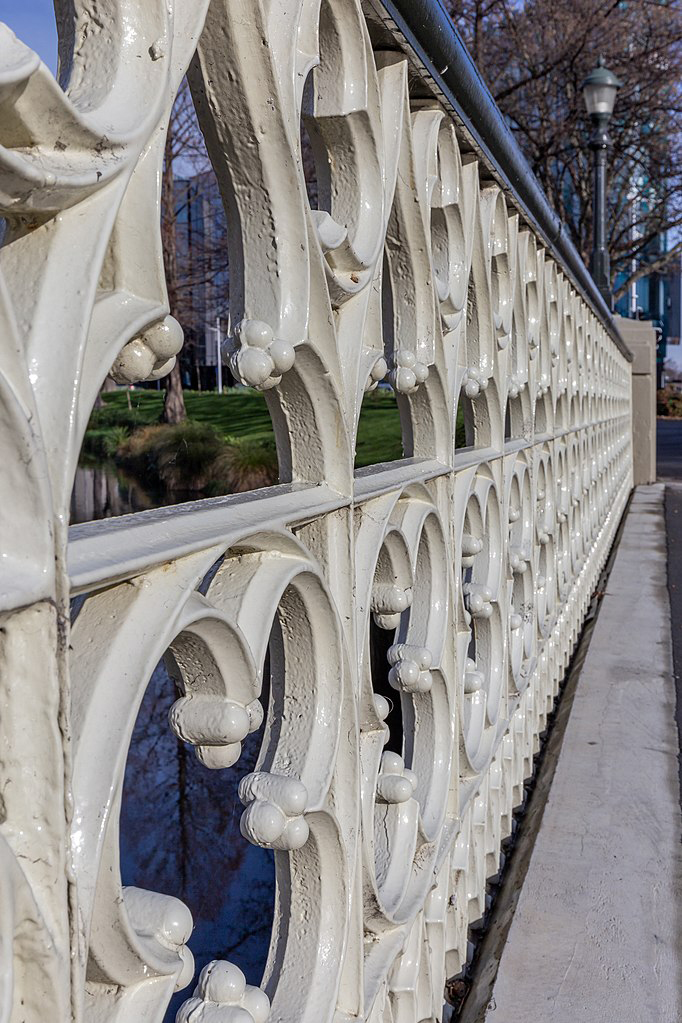
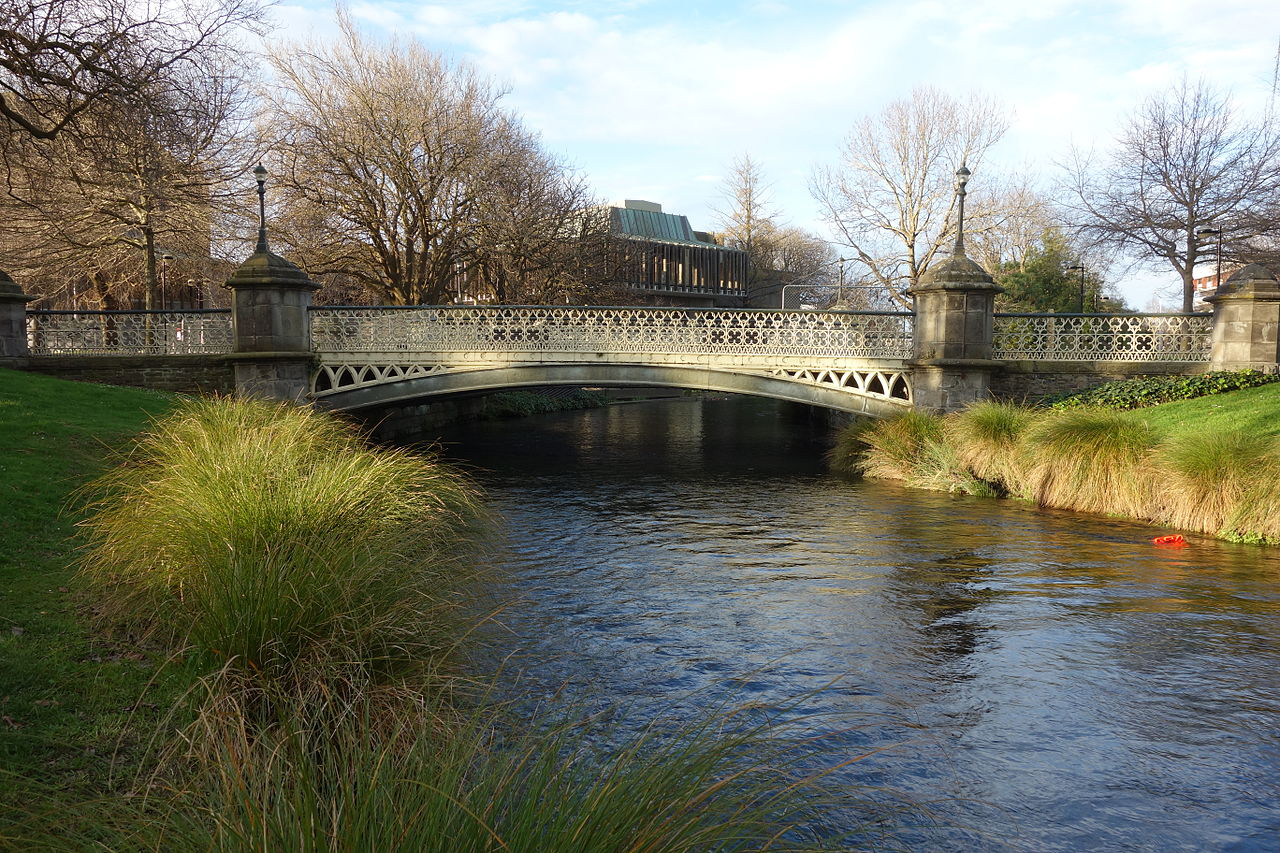
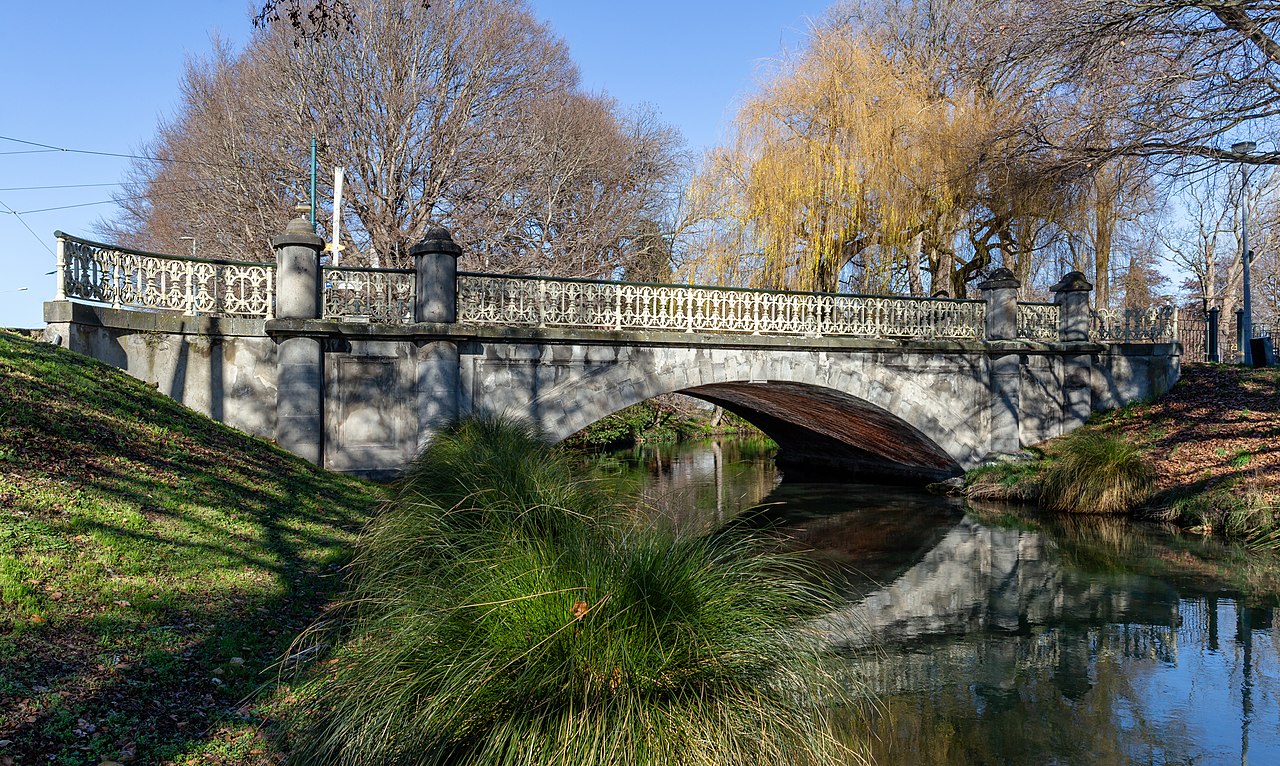
The Gloucester St Bridge has aesthetic significance in the graceful form of the bridge arch, and the neo-gothic ornamentation of its balustrading. These add to the attractive riverside environs of the Avon as it winds through the central city, and complement the adjacent neo-gothic Canterbury Provincial Council Buildings. This was acknowledged in the 1936 reconstruction, when the Victorian decorative elements were integrated into the rebuilt structure. The bridge is architecturally significant for the manner in which it coheres with and contributes to both the pattern established for central city bridges, and the neo-gothic idiom broadly characteristic of public architecture in Christchurch.
Why is this place Category 1 / Category 2?
Detail Of Assessed Criteria
(a) reflects the economic and social importance of the establishment of an effective transport network in the fledgling city; (e) is held in high esteem by the public of Christchurch, which ensured that its significant decorative elements survived the 1936 reconstruction; (g) is an aesthetically pleasing but practical design enhanced by fine ornamentation; (k) is an integral part of the collection of historic bridges in the central city, and a contributor to the neo-gothic tone of central Christchurch.
Why is this place significant?
Historic Significance
Historical Significance or Value The construction of the bridge has historical significance as an indication of the desire of the Victorian citizens of the city to use the Avon's bridges to ornament Christchurch whilst also providing evidence of permanency and progress.
Physical Significance
The Gloucester St Bridge has aesthetic significance in the graceful form of the bridge arch, and the neo-gothic ornamentation of its balustrading. These add to the attractive riverside environs of the Avon as it winds through the central city, and complement the adjacent neo-gothic Canterbury Provincial Council Buildings. This was acknowledged in the 1936 reconstruction, when the Victorian decorative elements were integrated into the rebuilt structure. The bridge is architecturally significant for the manner in which it coheres with and contributes to both the pattern established for central city bridges, and the neo-gothic idiom broadly characteristic of public architecture in Christchurch.
Why is this place Category 1 / Category 2?
Detail Of Assessed Criteria
(a) reflects the economic and social importance of the establishment of an effective transport network in the fledgling city; (e) is held in high esteem by the public of Christchurch, which ensured that its significant decorative elements survived the 1936 reconstruction; (g) is an aesthetically pleasing but practical design enhanced by fine ornamentation; (k) is an integral part of the collection of historic bridges in the central city, and a contributor to the neo-gothic tone of central Christchurch.
Construction Professional
Name
Walkden, Charles
Type
Engineer
Biography
No biography is currently available for this construction professional
Name
Stocks, W.B
Type
Builder
Biography
No biography is currently available for this construction professional
Name
Scott Bros.
Type
Engineer
Biography
Scott Bros. Ltd, Christchurch This firm was owned by brothers John Lee (1844-1913) and George (1851-1930) Scott who both immigrated to New Zealand in 1870 from Derby, England, their hometown where they underwent their engineering training. They set up a large foundry and workshop in Christchurch in 1876 and the business manufactured farming machinery, locomotives, and other items such as the street lamps in central Christchurch. Aside from their work manufacturing steelwork for, or constructing, several prominent railway and combined bridges, the company's staple business was manufacturing Atlas ranges. Both brothers were prominent Christchurch citizens with John Lee sitting on the board of, and occasionally lecturing at, Canterbury College, and George being a member of the Christchurch City Council.
Construction Details
Start Year
1886
Type
Original Construction
Start Year
1936
Type
Addition
Description
Widened, new abutments.
Construction Materials
Concrete and cast iron.
Construction Professional
Name
Walkden, Charles
Type
Engineer
Biography
No biography is currently available for this construction professional
Name
Stocks, W.B
Type
Builder
Biography
No biography is currently available for this construction professional
Name
Scott Bros.
Type
Engineer
Biography
Scott Bros. Ltd, Christchurch This firm was owned by brothers John Lee (1844-1913) and George (1851-1930) Scott who both immigrated to New Zealand in 1870 from Derby, England, their hometown where they underwent their engineering training. They set up a large foundry and workshop in Christchurch in 1876 and the business manufactured farming machinery, locomotives, and other items such as the street lamps in central Christchurch. Aside from their work manufacturing steelwork for, or constructing, several prominent railway and combined bridges, the company's staple business was manufacturing Atlas ranges. Both brothers were prominent Christchurch citizens with John Lee sitting on the board of, and occasionally lecturing at, Canterbury College, and George being a member of the Christchurch City Council.
Construction Details
Start Year
1886
Type
Original Construction
Start Year
1936
Type
Addition
Description
Widened, new abutments.
Construction Materials
Concrete and cast iron.
Single span cast iron bridge with cast iron railings, and concrete abutments and deck.
Single span cast iron bridge with cast iron railings, and concrete abutments and deck.
Historical and Associated Iwi / Hapū / Whānau
Completion Date
7th September 2004
Report Written By
Pam Wilson
Information Sources
Ince, 1998
John A. Ince, A City of Bridges. A History of Bridges over the Avon and Heathcote Rivers in Christchurch, Christchurch, 1998
New Zealand Historic Places Trust (NZHPT)
New Zealand Historic Places Trust
Other Information
A fully referenced version of this report is available from the NZHPT Southern Region Office. Please note that entry on the New Zealand Heritage List/Rarangi Korero identifies only the heritage values of the property concerned, and should not be construed as advice on the state of the property, or as a comment of its soundness or safety, including in regard to earthquake risk, safety in the event of fire, or insanitary conditions.
Historical and Associated Iwi / Hapū / Whānau
Completion Date
7th September 2004
Report Written By
Pam Wilson
Information Sources
Ince, 1998
John A. Ince, A City of Bridges. A History of Bridges over the Avon and Heathcote Rivers in Christchurch, Christchurch, 1998
New Zealand Historic Places Trust (NZHPT)
New Zealand Historic Places Trust
Other Information
A fully referenced version of this report is available from the NZHPT Southern Region Office. Please note that entry on the New Zealand Heritage List/Rarangi Korero identifies only the heritage values of the property concerned, and should not be construed as advice on the state of the property, or as a comment of its soundness or safety, including in regard to earthquake risk, safety in the event of fire, or insanitary conditions.
Current Usages
Uses: Transport
Specific Usage: Bridge/ Viaduct
Former Usages
General Usage: Transport
Specific Usage: Bridge/ Viaduct
Current Usages
Uses: Transport
Specific Usage: Bridge/ Viaduct
Former Usages
General Usage: Transport
Specific Usage: Bridge/ Viaduct
Location
Related listings
Sign up to hear more
Get the latest heritage news, features and events delivered
straight to your inbox.
