Quick links


Quick links
Quick links
Quick links
Quick links
Quick links
Victoria Square (bound by Colombo, Armagh, Durham and Kilmore Streets) crossing the Avon River, CHRISTCHURCH
Public
Historic Place Category 2
List No. 1832


List Entry Information
Status
Listed
List Entry Status
Historic Place Category 2
Access
Able to Visit
List Number
1832
Date Entered
2nd April 2004
Date of Effect
2nd April 2004
City/District Council
Christchurch City
Region
Canterbury Region
Extent of List Entry
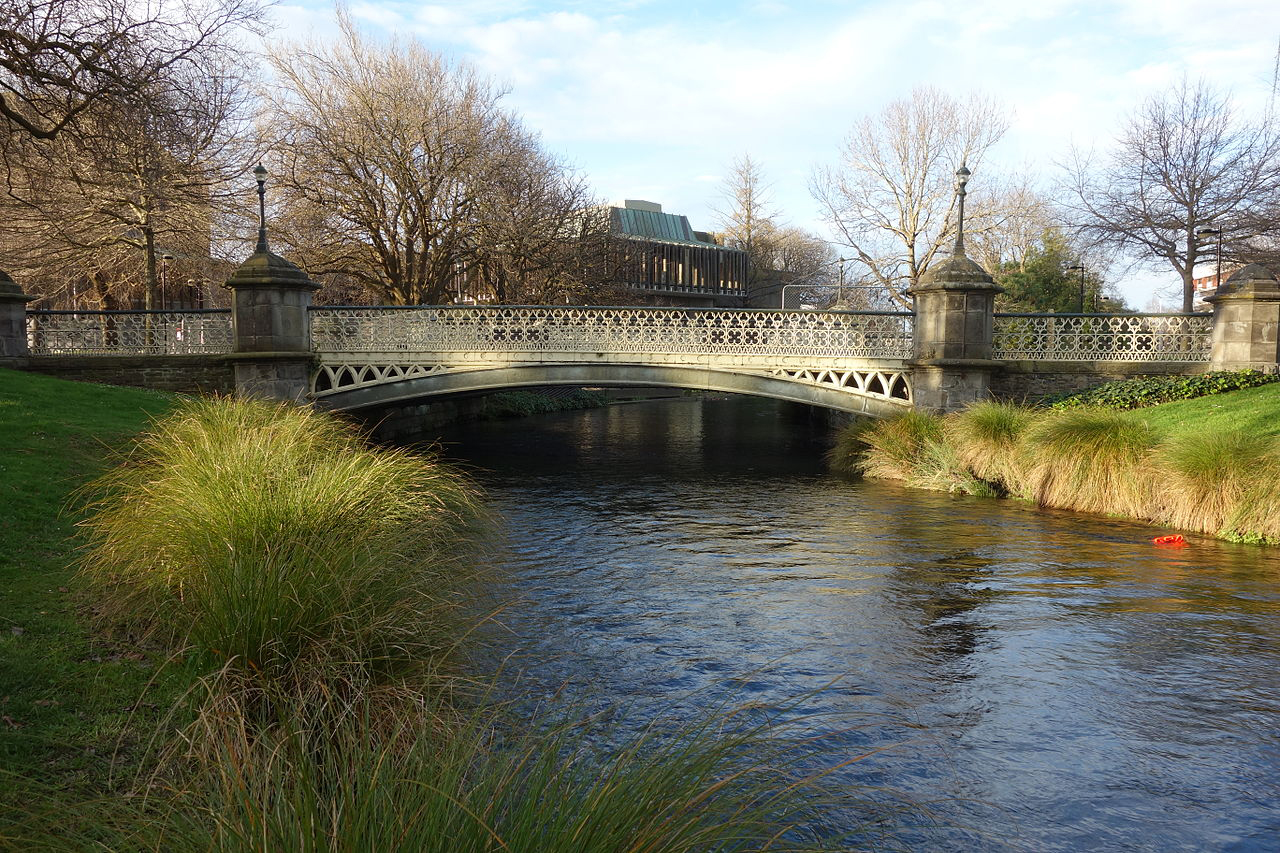
Registration includes the bridge and land the bridge sits on.
Legal description
There is no legal description or Certificate of Title for the Avon River and its banks.
Why is this place significant?
Historic Significance
Historical Significance or Value Historical significance as an indicator of the importance of the Victoria Square/Market Square area in early Christchurch, and as a symbol of permanency and progress - an expression of the confidence of Christchurch's settlers in the prospects of their young town.
Physical Significance
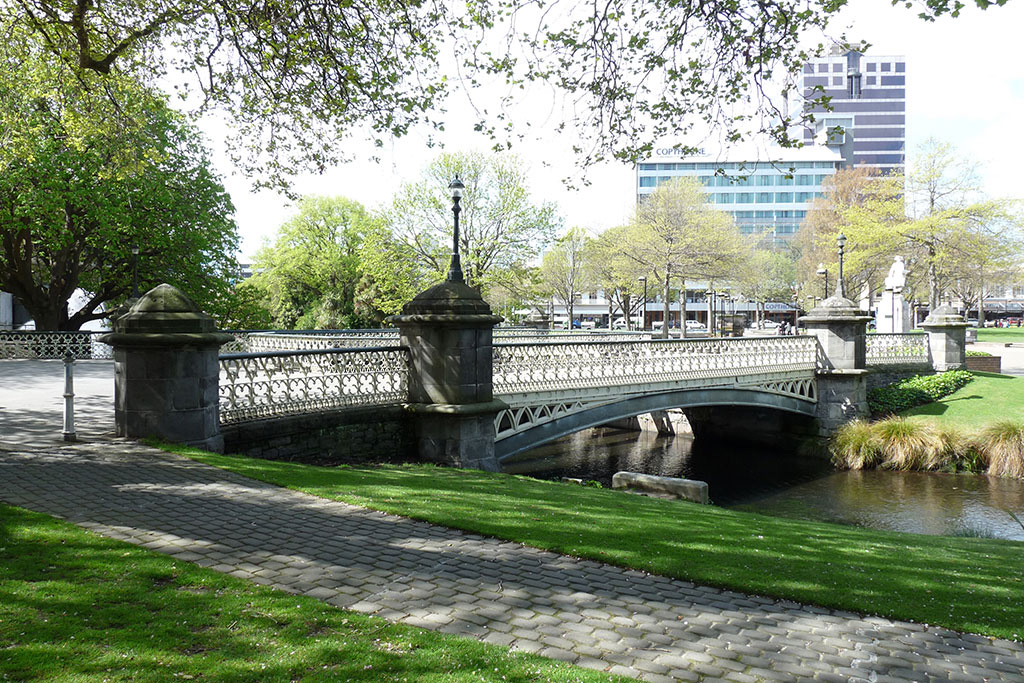
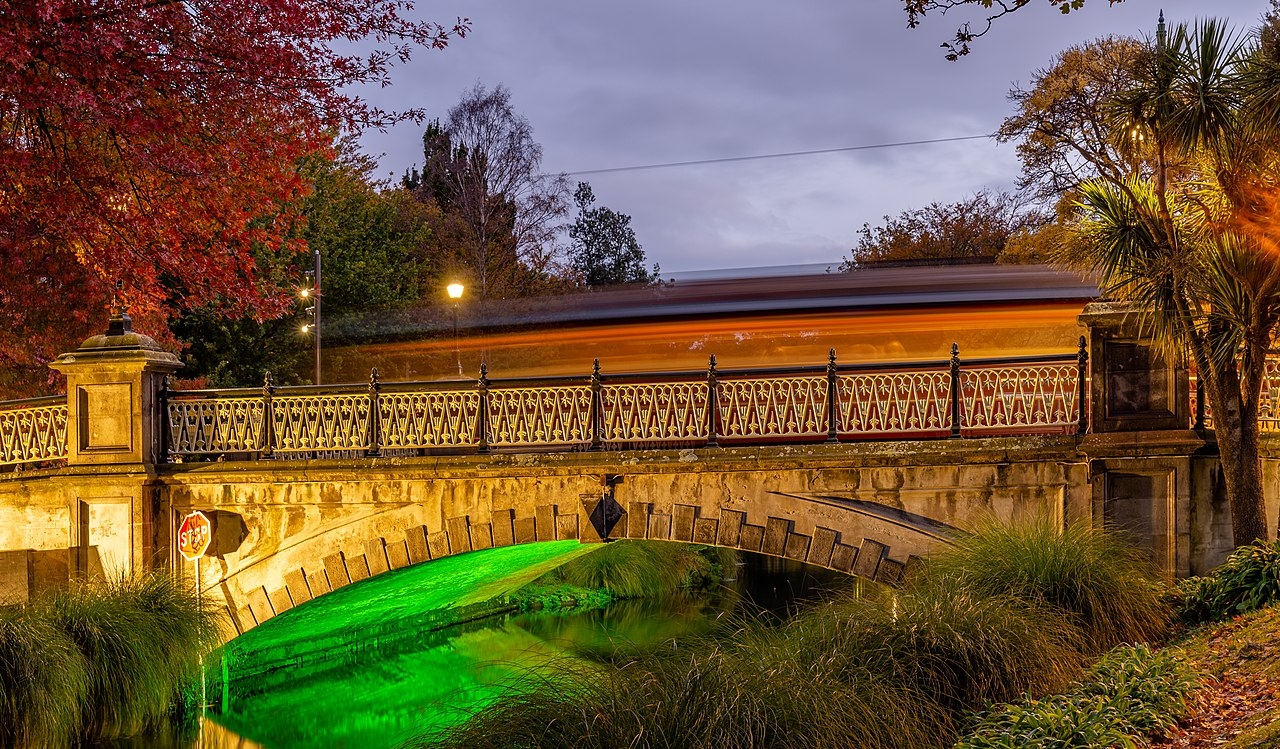
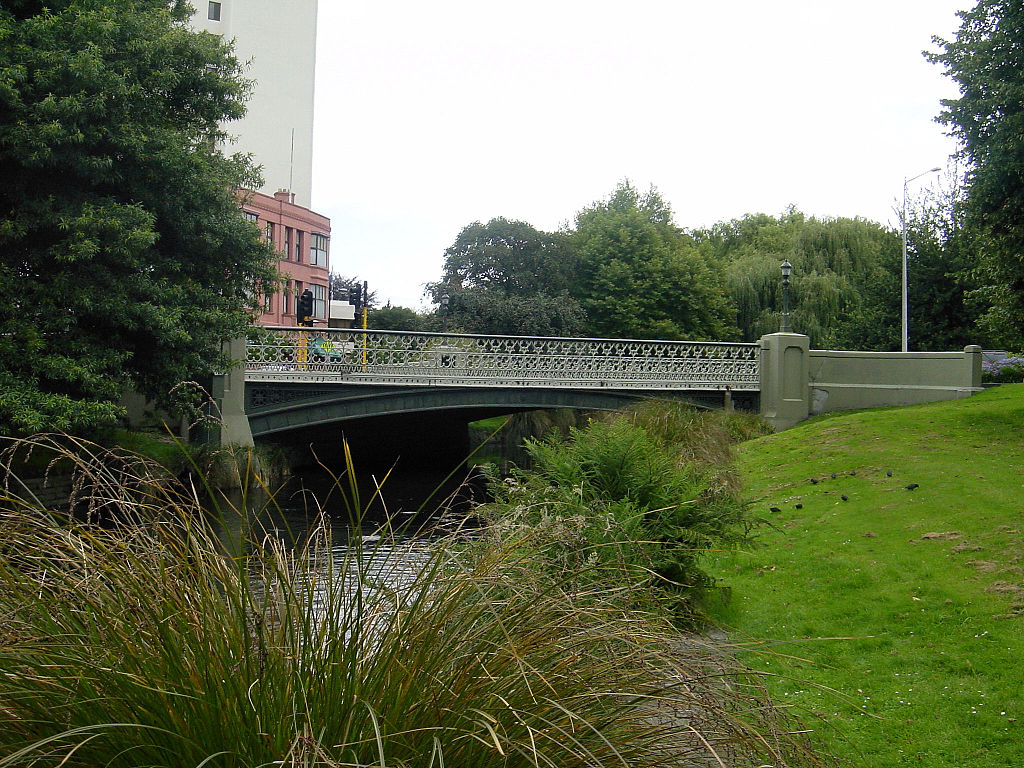
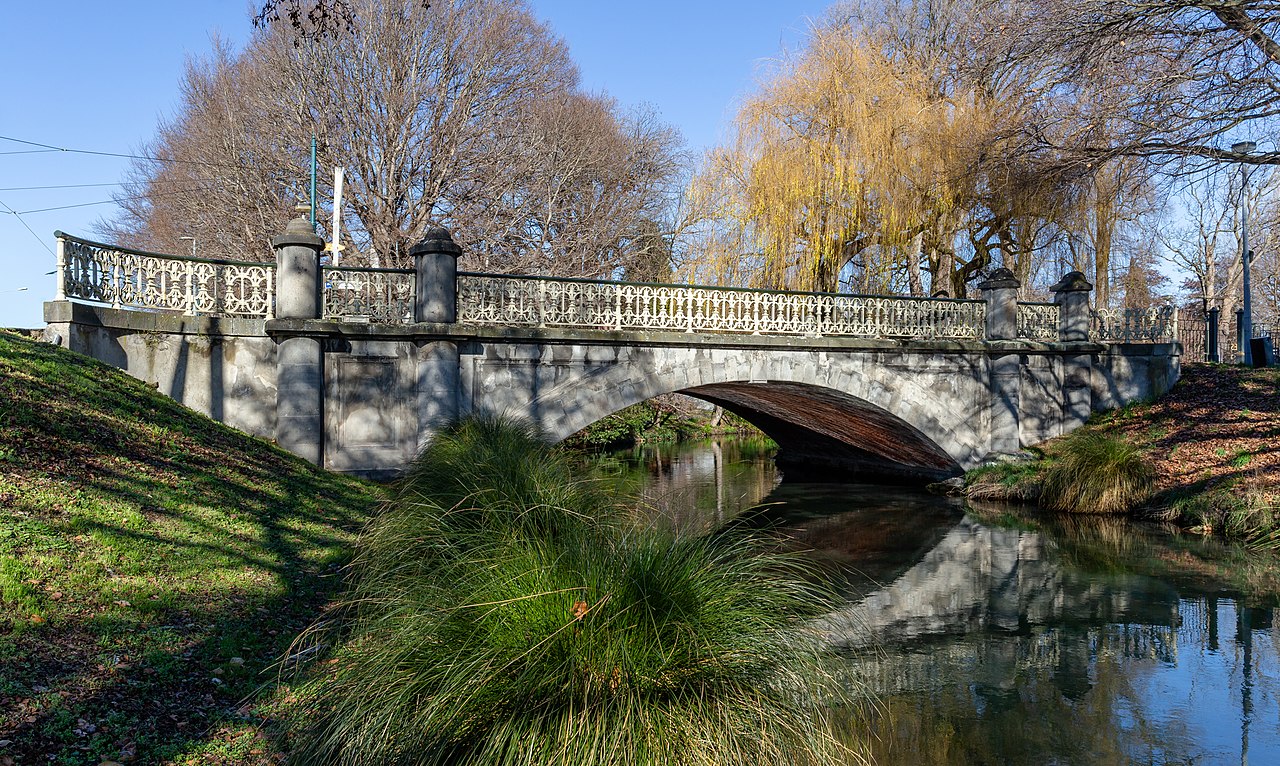
The Hamish Hay/Victoria Bridge has technological significance as the first cast iron bridge in New Zealand; aesthetic significance for the graceful form of the bridge arch and the neo-gothic ornamentation of its balustrading, which add to the attractive riverside environs of the Avon as it winds through the central city; architectural significance for the manner in which it established the pattern for the majority of later central city bridges, and tied the bridges into the neo-gothic idiom characteristic of public architecture in Christchurch.
Why is this place Category 1 / Category 2?
Detail Of Assessed Criteria
(a) reflects the economic and social importance of the establishment of a transport network in the fledgling city; (b) is associated with a number of early engineers in Christchurch, particularly Anderson, whose company was later of national significance; (e) is held in high esteem by the public of Christchurch, which saw it become central to the redevelopment of Victoria Square in the 1980s; (g) is of technical value as the first cast iron bridge in New Zealand; (h) commemorates the significance of Victoria Square in early Christchurch; and (with plaques) the tramway system in the city and Sir Hamish Hay, mayor 1974-89; (k) established the style for the six historic neo-gothic bridges in the central city, and more broadly contributed to the neo-gothic tone of central Christchurch.
Construction Professional
Name
Wylde, James
Type
Architect
Biography
No biography is currently available for this construction professional
Name
Fox, Charles
Type
Architect
Biography
No biography is currently available for this construction professional
Name
Anderson, John
Type
Engineer
Biography
The information below is from the registration report for the North Island Main Trunk Line Historic Area (Revised 16 November 2009). J & A Anderson Ltd J & A Anderson Ltd was founded in 1850 by John Anderson Senior (1820-97) who was one of the earliest settlers in Christchurch and a prominent citizen having founded, or been a director, of large boards and companies in the region, and he was also an original member of the Christchurch Town Board, 1862. His sons, John (1850-1934) and Andrew (1851-1927), were sent back to John Senior's native Scotland for their education and engineering training. John Junior joined the company in 1873, and Andrew followed later in 1881 after working for the PWD and then the Christchurch Drainage Works. John Junior and Andrew were partners in the firm during the time that the company was responsible for the construction of the Waiteti, Makatote, Mangaturuturu, and Manganui-o-te-ao Viaducts on the NIMT.
Name
Wright, Edward G (1831-1902)
Type
Engineer
Biography
Edward George Wright was born in England in 1831. In 1847 he joined Fox, Henderson and Company, a firm of engineers and contractors and in 1853 he was appointed engineer in charge of the construction of Rome's gasworks. He later worked in England on the naval dockyards. In 1857 Wright and his family emigrated to New Zealand following his engagement by the Wellington Provincial Government to oversee the construction of the Pencarrow Lighthouse. When the lighthouse was completed in 1859, Wright took up the position of director of harbour improvements and public works at Hawke's Bay. In 1862 he moved to Christchurch setting up in business as a private engineer and contractor. In that same year Wright help found the Christchurch Gas Coal and Coke Company, and, as its first engineer, was responsible for the switch from oil to gas for lighting Christchurch. He was the company's chairman from 1877 until his death in 1902. Wright was also responsible for building many of Canterbury's roads and bridges, as well as the West Coast Road, and the Ashburton to Rangitata section of the South Island main trunk line. Wright became a large landowner in the Ashburton area and in 1879 became the member of the House of Representatives for Coleridge (1879-81) and, later, Ashburton (1881-84, 1890-93 and 1896-99). He was also involved in a number of local bodies and other organisations, including a member of the Lyttelton Harbour Board, the Ashburton County Council, North Canterbury Education Board and the Christchurch Drainage Board. He died at his Windermere property on 12 August 1902.
Name
A'Court, Samuel
Type
Builder
Biography
No biography is currently available for this construction professional
Name
Scott, Walter Bory
Type
Builder
Biography
No biography is currently available for this construction professional
Name
Ashby, Head
Type
Engineer
Biography
No biography is currently available for this construction professional
Construction Details
Start Year
1863
Finish Year
1864
Type
Original Construction
Start Year
1875
Type
Modification
Description
Widened
Start Year
1885
Type
Modification
Description
Widened
Start Year
1989
Type
Modification
Description
Alterations, including lifting of portion of deck.
Construction Materials
Cast iron and stone.
A single span cast iron bridge with decorative cast iron railings and stone abutments and piers.
A single span cast iron bridge with decorative cast iron railings and stone abutments and piers.
Historical and Associated Iwi / Hapū / Whānau
Completion Date
7th September 2004
Report Written By
Pam Wilson
Information Sources
Dictionary of New Zealand Biography
Dictionary of New Zealand Biography
Wilson, 1999
P Wilson, Let's Cross that Bridge: Christchurch Heritage Week Walks 1999.
Ince, 1994
John A. Ince, 'An Historic Bridge Lives On' Old Ways in a New Land: The First Australasian Conference on Engineering Heritage Christchurch, 1994.
Ince, 1998
John A. Ince, A City of Bridges. A History of Bridges over the Avon and Heathcote Rivers in Christchurch, Christchurch, 1998
New Zealand Historic Places Trust (NZHPT)
New Zealand Historic Places Trust
Other Information
A fully referenced version of this report is available from the NZHPT Southern Region Office. Please note that entry on the New Zealand Heritage List/Rarangi Korero identifies only the heritage values of the property concerned, and should not be construed as advice on the state of the property, or as a comment of its soundness or safety, including in regard to earthquake risk, safety in the event of fire, or insanitary conditions.
Current Usages
Uses: Transport
Specific Usage: Bridge/ Viaduct
Former Usages
General Usage: Transport
Specific Usage: Bridge/ Viaduct
Current Usages
Uses: Transport
Specific Usage: Bridge/ Viaduct
Former Usages
General Usage: Transport
Specific Usage: Bridge/ Viaduct
Location
Get the latest heritage news, features and events delivered
straight to your inbox.
