DonateMembershipVisit Heritage
  • Tūrangawaewae
    Places
  • Tira Māori
    Māori Heritage
  • Poutairangahia
    Archaeology
  • Rauemi
    Resources
  • Mō Tātou
    About Us
  • New Zealand Heritage List
  • Nominate and submit
  • Explore the List
  • National Historic Landmarks
  • Plaques
  • Rainbow List Project
  • Lost heritage
  • Visit Heritage
  • Our properties
  • Turnbull House Project
  • Collections
  • Shop
  • Tohu Whenua
  • Tira Māori
  • Conserving Māori heritage
  • Marae built heritage
  • Māori heritage on the List
  • Hinemihi—Te Hokinga Mai
  • What is archaeology?
  • Is there a site on my property?
  • What are my legal requirements?
  • Affecting an archaeological site
  • Declaring an archaeological site
  • Archaeology FAQs
  • Archaeology Digital Library
  • Archaeology guidelines and templates
  • Resources
  • Funding
  • Publications
  • Sustainable management guides
  • Disaster recovery
  • Podcasts & digital resources
  • Education Hub
  • Conservation plans
  • About
  • Board
  • Māori Heritage Council
  • Senior Staff
  • Offices
  • Contact us
  • Careers
  • Covenants
  • Fast-track
  • Corporate documents
  • Currently consulting on
  • Our submissions
  • News
  • Covid-19 response
Quick links
Rārangi Kōrero | The List
Explore the List
National Historic Landmarks
Ngā Manawhenua o Aotearoa me ōna Kōrero Tūturu
Quick links
Tapuwae
A Vision for Places of Māori Heritage
Funding for Māori Heritage
Resources
Quick links
Archaeological Authority Portal
Applying for an archaeological authority
Archaeology FAQs
Browse the most frequently asked questions about archaeological authorities and the archaeological process.
Quick links
Quick links
News
News Keep up to date with Heritage New Zealand Pouhere Taonga
Membership
Membership Find out more and sign up today
DonateMembershipVisit Heritage
  • Tūrangawaewae
    Places
  • Tira Māori
    Māori Heritage
  • Poutairangahia
    Archaeology
  • Rauemi
    Resources
  • Mō Tātou
    About Us
  • New Zealand Heritage List
  • Nominate and submit
  • Explore the List
  • National Historic Landmarks
  • Plaques
  • Rainbow List Project
  • Lost heritage
  • Visit Heritage
  • Our properties
  • Turnbull House Project
  • Collections
  • Shop
  • Tohu Whenua
  • Tira Māori
  • Conserving Māori heritage
  • Marae built heritage
  • Māori heritage on the List
  • Hinemihi—Te Hokinga Mai
  • What is archaeology?
  • Is there a site on my property?
  • What are my legal requirements?
  • Affecting an archaeological site
  • Declaring an archaeological site
  • Archaeology FAQs
  • Archaeology Digital Library
  • Archaeology guidelines and templates
  • Resources
  • Funding
  • Publications
  • Sustainable management guides
  • Disaster recovery
  • Podcasts & digital resources
  • Education Hub
  • Conservation plans
  • About
  • Board
  • Māori Heritage Council
  • Senior Staff
  • Offices
  • Contact us
  • Careers
  • Covenants
  • Fast-track
  • Corporate documents
  • Currently consulting on
  • Our submissions
  • News
  • Covid-19 response
Quick links
Rārangi Kōrero | The List
Explore the List
National Historic Landmarks
Ngā Manawhenua o Aotearoa me ōna Kōrero Tūturu
Quick links
Tapuwae
A Vision for Places of Māori Heritage
Funding for Māori Heritage
Resources
Quick links
Archaeological Authority Portal
Applying for an archaeological authority
Archaeology FAQs
Browse the most frequently asked questions about archaeological authorities and the archaeological process.
Quick links
Quick links
News
News Keep up to date with Heritage New Zealand Pouhere Taonga
Membership
Membership Find out more and sign up today
  • Nominate and submit
  • National Historic Landmarks
  • Nominate and submit
  • National Historic Landmarks
  • Conserving Māori heritage
  • Marae built heritage
  • Conserving Māori heritage
  • Marae built heritage
  • Archaeological authorities
  • Archaeology Digital Library
  • Archaeological authorities
  • Archaeology Digital Library
  • All resources
  • Publications
  • Funding
  • All resources
  • Publications
  • Funding
  • FAQs
  • FAQs
Follow us on:
Places
  • Nominate and submit
  • National Historic Landmarks
Tira Māori
  • Conserving Māori heritage
  • Marae built heritage
Archaeology
  • Archaeological authorities
  • Archaeology Digital Library
Resources
  • All resources
  • Publications
  • Funding
FAQs
  • FAQs
Follow us on
HomePrivacyTerms and conditionsAbout this site
© Heritage New Zealand Pouhere Taonga 2026.
 
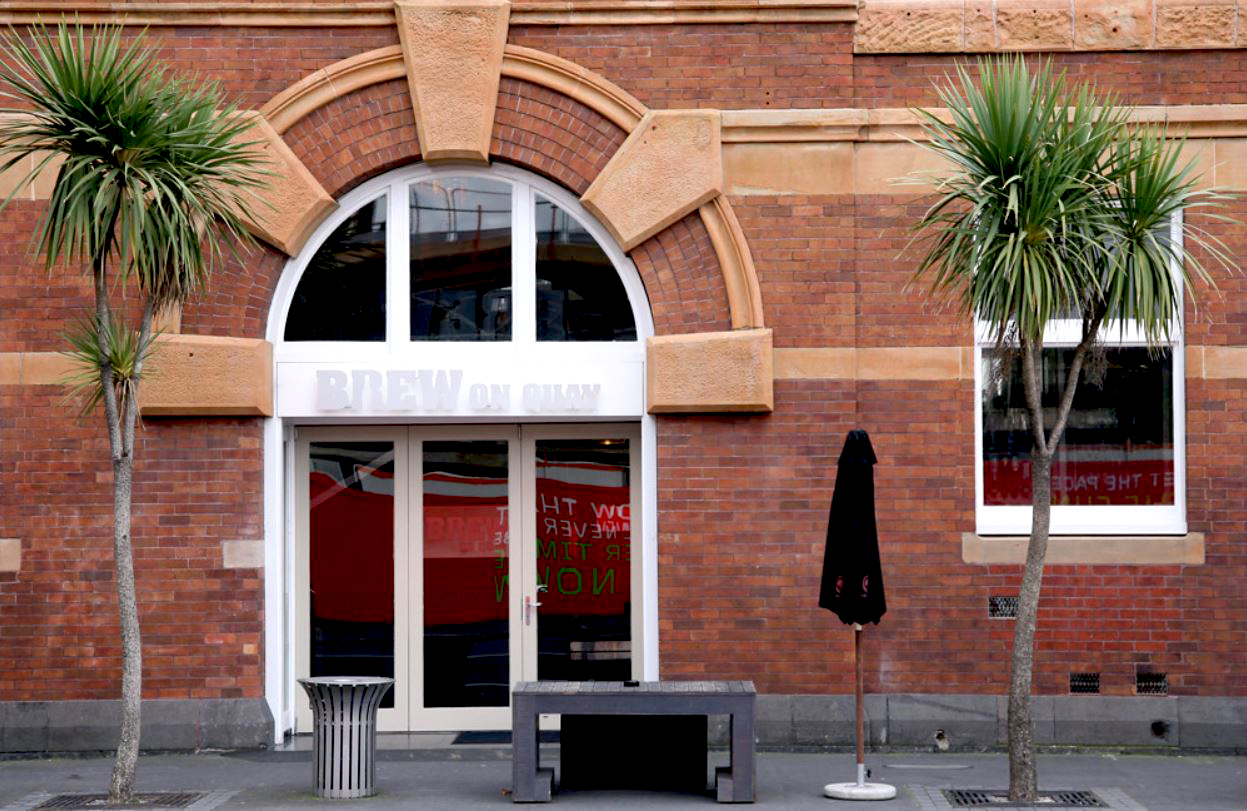
Wharf Police Building

102 Quay Street, Britomart Place and Tyler Street, AUCKLAND

Private

Historic Place Category 1

List No. 4575

Quick links:
List GalleryLocationDetails
This building is an important remnant of Auckland's industrial and commercial history, and of the town's role as the only producer of refined sugar in New Zealand. Surviving in a remarkably intact condition, the single-storey structure was erected as the head office of the New Zealand branch of the Colonial Sugar Refining (CSR) Company in 1903, on newly reclaimed land between the docks and railway line. The Australian-based company had established their only industrial works in the country, now known as the Chelsea Sugar Refinery, on the other side of the Waitemata Harbour in 1884. The refinery processed cane sugar from Fiji and elsewhere, producing finished products such as refined sugar, treacle and molasses. Many of these goods were transported across the harbour to Auckland, and stored in the CSR Company Building for further distribution.

The building was designed by the architect Charles Arnold in conjunction with the CSR Company headquarters in Sydney, and was constructed largely of brick. The Australian origins of the parent company are reflected in the use of Sydney sandstone for ornamental detail. The layout initially included rooms for a manager and accountant at the front, while a sugar store and enclosed yard were located to the rear. Sugar was brought across from the refinery three times a day in lighters for temporary safekeeping in the compound, before being distributed via a cart entrance in its eastern wall. Virtually all of its original internal features still survive, including unusual elements such as an ornately carved front counter. The building's function became redundant with the construction of the Auckland Harbour Bridge in the late 1950s, when road distribution was carried out directly from the refinery. Vacated by the CSR Company in 1960, the office was subsequently occupied by the wharf police, who installed cells. The police vacated the building in the 1990s, and it has since been in occasional use as a commercial office.

The Wharf Police, or CSR Company, building is significant for its links with the colonial sugar industry, and is the only known early twentieth-century office with such connections in New Zealand. The sugar industry had a major impact on nineteenth-century settlement in the Pacific, and formed an important part of colonial trade. The building reflects New Zealand's developing role as a processor of raw materials from other countries, and its connection with Australian industries. The structure is important as part of a wider historic land- and waterscape, with the CSR Company refinery and grounds surviving as industrial sites across the Waitemata Harbour. The building interior is extremely significant for its well-preserved nature, offering insights into the organisation and appearance of the early twentieth century workplace. Its use as a wharf police station is of value to the history of law and order, reflecting the continuing use and importance of Auckland as a commercial port.
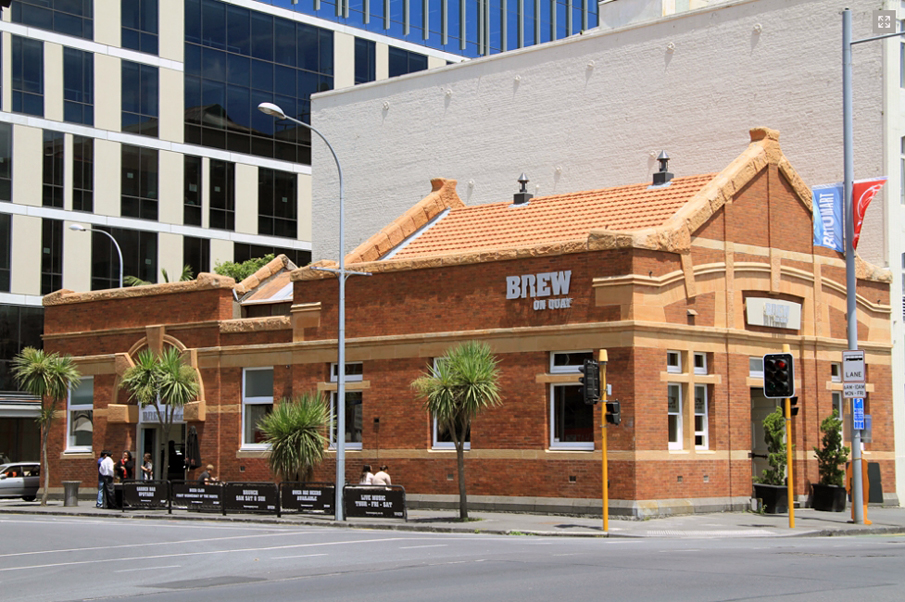
Wharf Police Building (aka Brew on Quay), 102 Quay St, Auckland. Image courtesy of ‘Sir George Grey Special Collections, Auckland Libraries Record ID 1477-2511 | Brian Cairns | 09/12/2010 | Auckland Libraries
Wharf Police Building (aka Brew on Quay), Auckland. Image courtesy of www.flickr.com | 32 Blocks | 31/07/2010 | 32 Blocks
Wharf Police Building (aka Brew on Quay), 102 Quay St, Auckland. Image courtesy of ‘Sir George Grey Special Collections, Auckland Libraries Record ID 1477-2511 | Brian Cairns | 09/12/2010 | Auckland Libraries
Wharf Police Building (aka Brew on Quay), Auckland. Image courtesy of www.flickr.com | 32 Blocks | 31/07/2010 | 32 Blocks

List Entry Information

Overview

Status
Listed

List Entry Status
Historic Place Category 1

Access
Private/No Public Access

List Number
4575

Date Entered
27th July 1988

Date of Effect
27th July 1988

City/District Council
Auckland Council

Region
Auckland Council

Extent of List Entry

Extent includes the land described as Lot 1 DP 366067 (RT 485302), North Auckland Land District, and the building known as the Wharf Police Building thereon, and its fittings and fixtures.

Legal description

Lot 1 DP 366067 (RT 485302), North Auckland Land District

Detailed List Entry

Construction Professional

Name

Arnold, Charles

Type

Architect

Biography

Charles Le Neve Arnold The Campbell Free Kindergarten is the work of a noted Auckland architect, Charles Le Neve Arnold, who was involved in the development of the Arts and Crafts movement in New Zealand. He had joined the Auckland Institute of Architects in 1885. In 1886, Arnold supervised the erection of St Mary's Church in Parnell. He designed a number of important works over the coming years including the Mackelvie annexe to the Auckland City Council building (1892), the Admiralty House (1901), Great Northern Brewery, Colonial Sugar Refining Company Office (1903), Auckland Chamber of Commerce (1903) and the Ante-park at Cornwall Park (1903). He later formed a partnership with Mr Atkinson Abbott and this partnership was responsible for such notable designs as the Dilworth Ulster Institute (1916), the Auckland Grammar School (1913) and the Kings College Memorial Chapel (1922). Arnold died in 1955 at the age of 100. Arnold established a relationship with John Logan Campbell in the early years of the twentieth century when he was appointed architect to the Cornwall Park Trust Board. In 1903 he designed the Ante-park at Cornwall Park which was completed in 1906. He also designed the Arts and Crafts-style Huia Lodge in Cornwall Park, which originally housed the caretaker and his wife. Campbell had a strong interest in architectural design and proved himself to be a competent amateur architect. In 1869, Campbell had personally drawn up plans for extensive alterations to his home, Logan Bank, to be built in poured concrete using a special patent process. In 1878, he designed a new home to be known as Kilbryde and sent his plans to the architectural firm of Edward Mahoney & Son where they were revised and working drawings prepared. Arnold, in his design of the Cornwall Park Ante-park, was said to have 'to a great extent carried out the desires' of Campbell. However, it is unlikely that Campbell had such a significant role in the design of the Campbell Free Kindergarten. The building was designed late in Campbell's life and at a time that his eyesight and health were failing. In June 1906 his eyesight suddenly deteriorated and he was unable to read thereafter or write anything more than his signature.

Construction Details

Start Year

1960

Type

Modification

Description

Installation of cells

Start Year

1879

Finish Year

1885

Type

Other

Description

Reclamation of land

Start Year

1903

Type

Original Construction

Description

Construction of the Colonial Sugar Refinery Head Office (later known as the Wharf Police building)

Start Year

1921

Type

Modification

Description

Conversion of yard to office space, and other modifications

Construction Materials

Single storey cavity brick, steel roof construction. Eclectic Edwardian brick and stone

Notable Features

Registration covers the building, its fixtures and finishes. It also includes recent modifications. The building lies on nineteenth-century reclaimed land in Commercial Bay, next to the original Britomart Point.

Reference

Completion Date

12th December 2001

Report Written By

Martin Jones

Information Sources

Barnes, 1995

Tony Barnes, 'Wharf Police Station: Heritage Inventory', Auckland, 1995 (held by NZHPT, Auckland)

Clough, 1996

Rod Clough, 'Britomart Transport Terminal Project: Archaeological Assessment, Site R11/1379', Auckland, 1996 (held by NZHPT, Auckland)

Cooper, 1988 (4)

Mary Cooper and Noni Boyd, 'The Wharf Police Building, formerly the Colonial Sugar Company Refining Co. Building, 2 Quay Street, Auckland', NZHPT Buildings Classification Committee Report, Wellington, 1988 (held by NZHPT, Auckland)

Salmond Architects, 1995

Salmond Architects, 'Britomart Heritage Assessment: An Analysis of Heritage Values Relating to Existing Buildings in the Britomart Development Project', Auckland, 1995 (held by NZHPT, Auckland)

Report Written By

This place was identified as significant under previous legislation with different information requirements. It remains significant under the current legislation. There is opportunity under our legislation and policies to add to this information. Further information about this place may be available from the Northern Regional Office of Heritage New Zealand Pouhere Taonga. Please note that entry on the New Zealand Heritage List/Rarangi Korero identifies only the heritage values of the property concerned, and should not be construed as advice on the state of the property, or as a comment of its soundness or safety, including in regard to earthquake risk, safety in the event of fire, or insanitary conditions.

Further Information

Current Usages

Uses: Trade

Specific Usage: Pub/bar/tavern/public hotel

Former Usages

General Usage:: Law Enforcement

Specific Usage: Police station

General Usage:: Trade

Specific Usage: Office building/Offices

General Usage:: Trade

Specific Usage: Warehouse/storage area

Themes

Web Links

Overview

Status

Listed

List Entry Status

Historic Place Category 1

Access

Private/No Public Access

List Number

4575

Date Entered

27th July 1988

Date of Effect

27th July 1988

City/District Council

Auckland Council

Region

Auckland Council

Extent of List Entry

Extent includes the land described as Lot 1 DP 366067 (RT 485302), North Auckland Land District, and the building known as the Wharf Police Building thereon, and its fittings and fixtures.

Legal description

Lot 1 DP 366067 (RT 485302), North Auckland Land District

Status

Listed

List Entry Status

Historic Place Category 1

Access

Private/No Public Access

List Number

4575

Date Entered

27th July 1988

Date of Effect

27th July 1988

City/District Council

Auckland Council

Region

Auckland Council

Extent of List Entry

Extent includes the land described as Lot 1 DP 366067 (RT 485302), North Auckland Land District, and the building known as the Wharf Police Building thereon, and its fittings and fixtures.

Legal description

Lot 1 DP 366067 (RT 485302), North Auckland Land District

Construction Information

Construction Professional

Name

Arnold, Charles

Type

Architect

Biography

Charles Le Neve Arnold The Campbell Free Kindergarten is the work of a noted Auckland architect, Charles Le Neve Arnold, who was involved in the development of the Arts and Crafts movement in New Zealand. He had joined the Auckland Institute of Architects in 1885. In 1886, Arnold supervised the erection of St Mary's Church in Parnell. He designed a number of important works over the coming years including the Mackelvie annexe to the Auckland City Council building (1892), the Admiralty House (1901), Great Northern Brewery, Colonial Sugar Refining Company Office (1903), Auckland Chamber of Commerce (1903) and the Ante-park at Cornwall Park (1903). He later formed a partnership with Mr Atkinson Abbott and this partnership was responsible for such notable designs as the Dilworth Ulster Institute (1916), the Auckland Grammar School (1913) and the Kings College Memorial Chapel (1922). Arnold died in 1955 at the age of 100. Arnold established a relationship with John Logan Campbell in the early years of the twentieth century when he was appointed architect to the Cornwall Park Trust Board. In 1903 he designed the Ante-park at Cornwall Park which was completed in 1906. He also designed the Arts and Crafts-style Huia Lodge in Cornwall Park, which originally housed the caretaker and his wife. Campbell had a strong interest in architectural design and proved himself to be a competent amateur architect. In 1869, Campbell had personally drawn up plans for extensive alterations to his home, Logan Bank, to be built in poured concrete using a special patent process. In 1878, he designed a new home to be known as Kilbryde and sent his plans to the architectural firm of Edward Mahoney & Son where they were revised and working drawings prepared. Arnold, in his design of the Cornwall Park Ante-park, was said to have 'to a great extent carried out the desires' of Campbell. However, it is unlikely that Campbell had such a significant role in the design of the Campbell Free Kindergarten. The building was designed late in Campbell's life and at a time that his eyesight and health were failing. In June 1906 his eyesight suddenly deteriorated and he was unable to read thereafter or write anything more than his signature.

Construction Details

Start Year

1960

startYearCirca

Type

Modification

Description

Installation of cells

Start Year

1879

Finish Year

1885

Type

Other

Description

Reclamation of land

Start Year

1903

Type

Original Construction

Description

Construction of the Colonial Sugar Refinery Head Office (later known as the Wharf Police building)

Start Year

1921

startYearCirca

Type

Modification

Description

Conversion of yard to office space, and other modifications

Construction Materials

Single storey cavity brick, steel roof construction. Eclectic Edwardian brick and stone

Notable Features

Registration covers the building, its fixtures and finishes. It also includes recent modifications. The building lies on nineteenth-century reclaimed land in Commercial Bay, next to the original Britomart Point.

Construction Professional

Name

Arnold, Charles

Type

Architect

Biography

Charles Le Neve Arnold The Campbell Free Kindergarten is the work of a noted Auckland architect, Charles Le Neve Arnold, who was involved in the development of the Arts and Crafts movement in New Zealand. He had joined the Auckland Institute of Architects in 1885. In 1886, Arnold supervised the erection of St Mary's Church in Parnell. He designed a number of important works over the coming years including the Mackelvie annexe to the Auckland City Council building (1892), the Admiralty House (1901), Great Northern Brewery, Colonial Sugar Refining Company Office (1903), Auckland Chamber of Commerce (1903) and the Ante-park at Cornwall Park (1903). He later formed a partnership with Mr Atkinson Abbott and this partnership was responsible for such notable designs as the Dilworth Ulster Institute (1916), the Auckland Grammar School (1913) and the Kings College Memorial Chapel (1922). Arnold died in 1955 at the age of 100. Arnold established a relationship with John Logan Campbell in the early years of the twentieth century when he was appointed architect to the Cornwall Park Trust Board. In 1903 he designed the Ante-park at Cornwall Park which was completed in 1906. He also designed the Arts and Crafts-style Huia Lodge in Cornwall Park, which originally housed the caretaker and his wife. Campbell had a strong interest in architectural design and proved himself to be a competent amateur architect. In 1869, Campbell had personally drawn up plans for extensive alterations to his home, Logan Bank, to be built in poured concrete using a special patent process. In 1878, he designed a new home to be known as Kilbryde and sent his plans to the architectural firm of Edward Mahoney & Son where they were revised and working drawings prepared. Arnold, in his design of the Cornwall Park Ante-park, was said to have 'to a great extent carried out the desires' of Campbell. However, it is unlikely that Campbell had such a significant role in the design of the Campbell Free Kindergarten. The building was designed late in Campbell's life and at a time that his eyesight and health were failing. In June 1906 his eyesight suddenly deteriorated and he was unable to read thereafter or write anything more than his signature.

Construction Details

Start Year

1960

startYearCirca

Type

Modification

Description

Installation of cells

Start Year

1879

Finish Year

1885

Type

Other

Description

Reclamation of land

Start Year

1903

Type

Original Construction

Description

Construction of the Colonial Sugar Refinery Head Office (later known as the Wharf Police building)

Start Year

1921

startYearCirca

Type

Modification

Description

Conversion of yard to office space, and other modifications

Construction Materials

Single storey cavity brick, steel roof construction. Eclectic Edwardian brick and stone

Notable Features

Registration covers the building, its fixtures and finishes. It also includes recent modifications. The building lies on nineteenth-century reclaimed land in Commercial Bay, next to the original Britomart Point.

Reference

Historical and Associated Iwi / Hapū / Whānau

Completion Date

12th December 2001

Report Written By

Martin Jones

Information Sources

Barnes, 1995

Tony Barnes, 'Wharf Police Station: Heritage Inventory', Auckland, 1995 (held by NZHPT, Auckland)

Clough, 1996

Rod Clough, 'Britomart Transport Terminal Project: Archaeological Assessment, Site R11/1379', Auckland, 1996 (held by NZHPT, Auckland)

Cooper, 1988 (4)

Mary Cooper and Noni Boyd, 'The Wharf Police Building, formerly the Colonial Sugar Company Refining Co. Building, 2 Quay Street, Auckland', NZHPT Buildings Classification Committee Report, Wellington, 1988 (held by NZHPT, Auckland)

Salmond Architects, 1995

Salmond Architects, 'Britomart Heritage Assessment: An Analysis of Heritage Values Relating to Existing Buildings in the Britomart Development Project', Auckland, 1995 (held by NZHPT, Auckland)

Other Information

This place was identified as significant under previous legislation with different information requirements. It remains significant under the current legislation. There is opportunity under our legislation and policies to add to this information. Further information about this place may be available from the Northern Regional Office of Heritage New Zealand Pouhere Taonga. Please note that entry on the New Zealand Heritage List/Rarangi Korero identifies only the heritage values of the property concerned, and should not be construed as advice on the state of the property, or as a comment of its soundness or safety, including in regard to earthquake risk, safety in the event of fire, or insanitary conditions.

Historical and Associated Iwi / Hapū / Whānau

Completion Date

12th December 2001

Report Written By

Martin Jones

Information Sources

Barnes, 1995

Tony Barnes, 'Wharf Police Station: Heritage Inventory', Auckland, 1995 (held by NZHPT, Auckland)

Clough, 1996

Rod Clough, 'Britomart Transport Terminal Project: Archaeological Assessment, Site R11/1379', Auckland, 1996 (held by NZHPT, Auckland)

Cooper, 1988 (4)

Mary Cooper and Noni Boyd, 'The Wharf Police Building, formerly the Colonial Sugar Company Refining Co. Building, 2 Quay Street, Auckland', NZHPT Buildings Classification Committee Report, Wellington, 1988 (held by NZHPT, Auckland)

Salmond Architects, 1995

Salmond Architects, 'Britomart Heritage Assessment: An Analysis of Heritage Values Relating to Existing Buildings in the Britomart Development Project', Auckland, 1995 (held by NZHPT, Auckland)

Other Information

This place was identified as significant under previous legislation with different information requirements. It remains significant under the current legislation. There is opportunity under our legislation and policies to add to this information. Further information about this place may be available from the Northern Regional Office of Heritage New Zealand Pouhere Taonga. Please note that entry on the New Zealand Heritage List/Rarangi Korero identifies only the heritage values of the property concerned, and should not be construed as advice on the state of the property, or as a comment of its soundness or safety, including in regard to earthquake risk, safety in the event of fire, or insanitary conditions.

Further Information

Current Usages

Uses: Trade

Specific Usage: Pub/bar/tavern/public hotel

Former Usages

General Usage: Law Enforcement

Specific Usage: Police station

General Usage: Trade

Specific Usage: Office building/Offices

General Usage: Trade

Specific Usage: Warehouse/storage area

Current Usages

Uses: Trade

Specific Usage: Pub/bar/tavern/public hotel

Former Usages

General Usage: Law Enforcement

Specific Usage: Police station

General Usage: Trade

Specific Usage: Office building/Offices

General Usage: Trade

Specific Usage: Warehouse/storage area

Location

Loading
Related listings
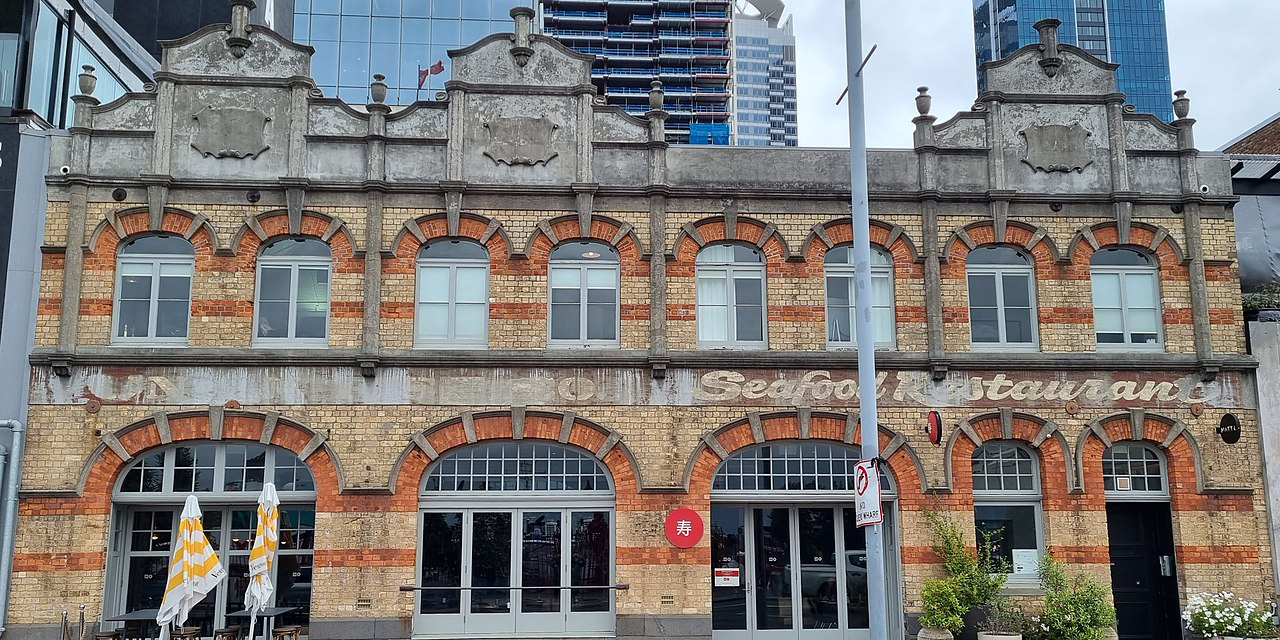
Union Fish Company Building, Auckland. CC BY-SA 4.0 Image courtesy of commons.wikimedia.org
Union Fish Company Building
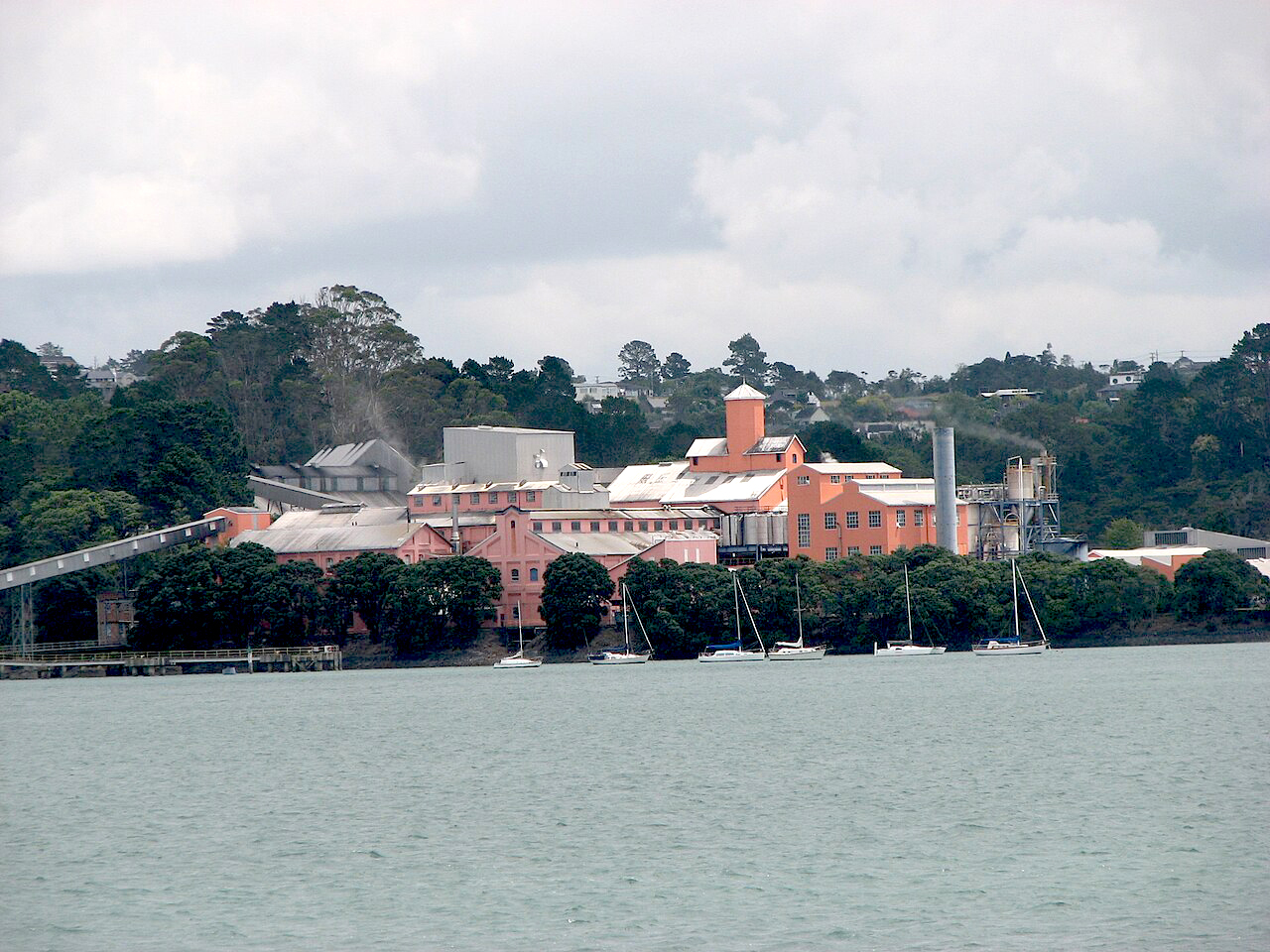
Chelsea Sugar Refinery and Estate, Birkenhead, Auckland. CC BY-SA 2.0 Image courtesy of commons.wikimedia.org
Chelsea Sugar Refinery and Estate
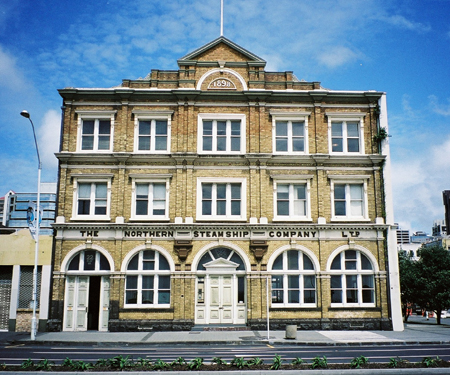
Northern Steamship Company Building, Auckland
Northern Steamship Company Building
Quay Street Historic Area, Auckland. Chief Post Office, 12 Queen St. Image courtesy of commons.wikimedia.org
Quay Street Historic Area
Northern Steamship Company Building, Auckland
Northern Steamship Company Building
Union Fish Company Building, Auckland. CC BY-SA 4.0 Image courtesy of commons.wikimedia.org
Union Fish Company Building
Quay Street Historic Area, Auckland. Chief Post Office, 12 Queen St. Image courtesy of commons.wikimedia.org
Quay Street Historic Area
Chelsea Sugar Refinery and Estate, Birkenhead, Auckland. CC BY-SA 2.0 Image courtesy of commons.wikimedia.org
Chelsea Sugar Refinery and Estate
Stay up to date with Heritage this month