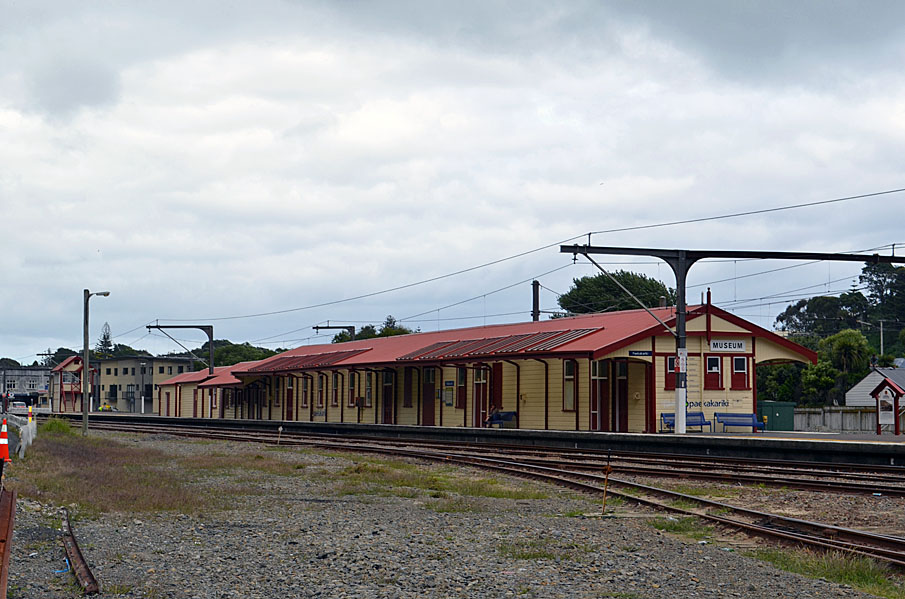
Paekākāriki Railway Station and Yard Historic Area

North Island Main Trunk Line, State Highway 59, Beach Road and Tilley Road, PAEKĀKĀRIKI

Historic Area

List No. 7026

Quick links:
The Paekākāriki Railway Station and Yards has historical, architectural, technological and social significance for demonstrating over a century of New Zealand’s rail history and its contribution to our social and economic development. Created for the Wellington and Manawatu Railway in 1886, the railyard has value for containing structures representing the completion of the North Island Main Trunk Line in 1908 and important changes in rail technology such as signalling improvements and the transition from steam to diesel and electric locomotion.

At the start of the nineteenth century Kapiti was inhabited by Rangitāne, Muaūpoko, and Ngāti Apa, who had intermarried with Ngāti Ira people. From 1822 successive waves of hapū and whanau from Kawhia and Taranaki moved to the region, led by Ngāti Toa chief Te Rauparaha who valued Kapiti’s strategic location for trading with the European whalers who were beginning to frequent Cook Strait. Conflicts between the groups resulted in tribal boundaries being redrawn and Ngāti Toa Rangatira, Ātiawa ki Whakarongotai and Ngāti Raukawa ki te Tonga became mana whenua along the Kapiti Coast. Ngāti Haumia ki Paekākāriki have maintained ahikā at Paekākāriki. European colonisation, and the sale of the Wainui Block in 1859, greatly reduced Māori lands around Paekākāriki.

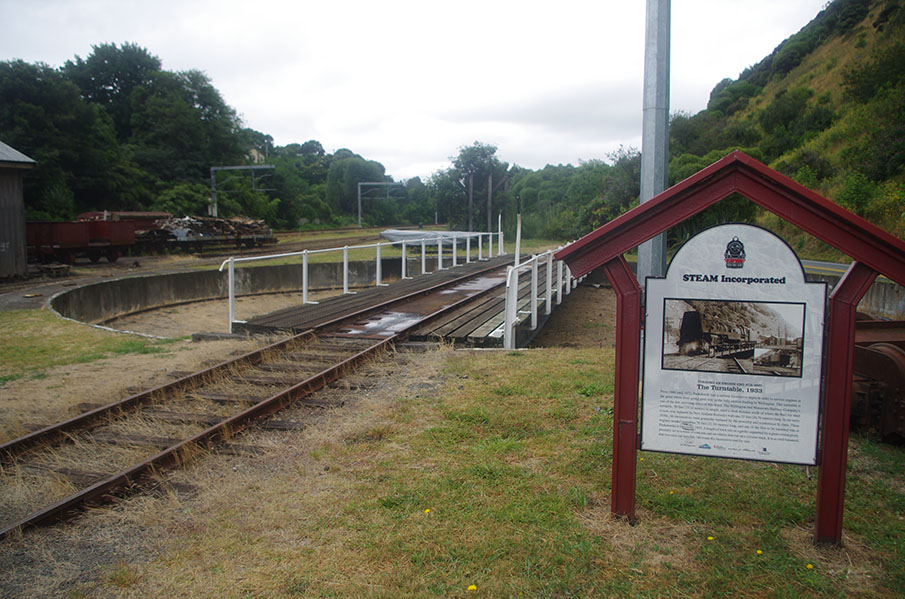
The completion of the privately-developed Wellington-Manawatū Railway (WMR) in 1886 increased accessibility to the area, and the township developed. The railway was integral to the village. Soon after the Government incorporated the WMR into the North Island Main Trunk Line in 1908, the station was replaced with a larger building on an ‘island’ platform, designed by NZ Railways Department architect George Troup. The enlarged yards could accommodate very large trains, and the complex ultimately contained two signal boxes, water vats for the steam engines, a locomotive depot, coaling stage, turntable, stationmaster’s house and workers’ cottages.

In 1940 Paekākāriki Station became the point at which trains swapped from steam (later diesel) to electric motive power, but from its beginnings Paekākāriki had always been a depot for remarshalling freight cars and changing to the larger engines needed to haul trains up the Paekākāriki Hill. The changeover time allowed the station tearooms to become an important refreshment stop for passengers, a fame which only diminished after 1967 when the floors of the five tunnels on the Paekākāriki Hill were lowered, allowing larger engines to run straight through to Wellington.

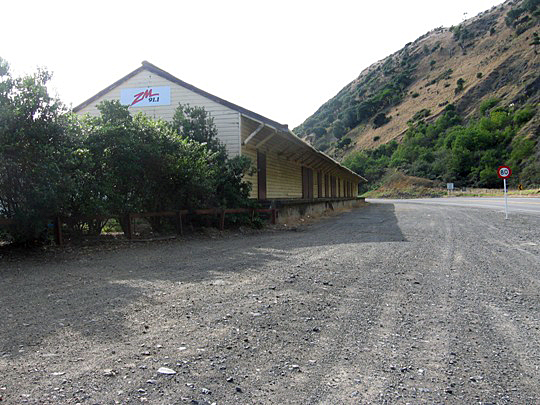
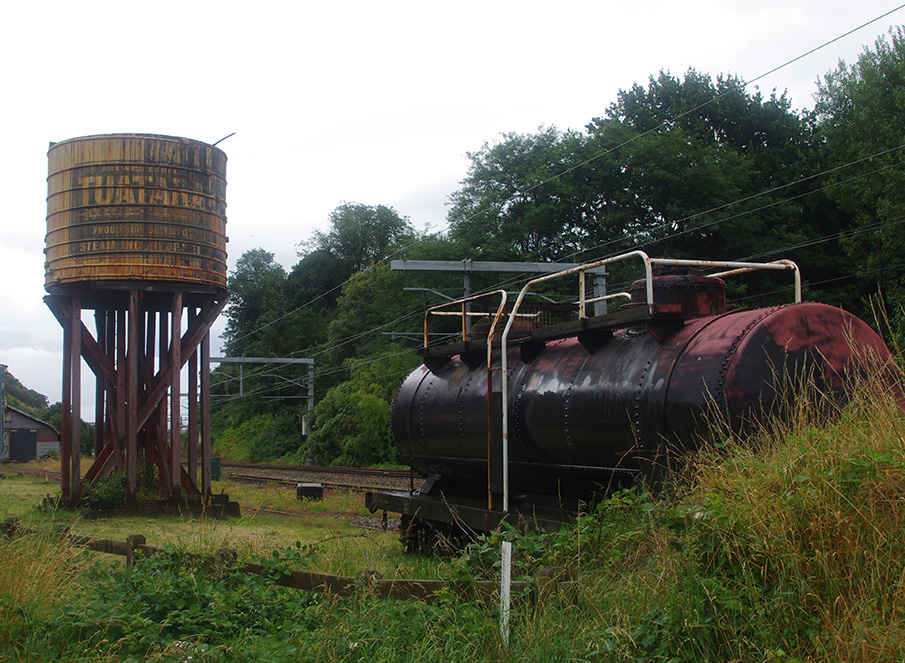
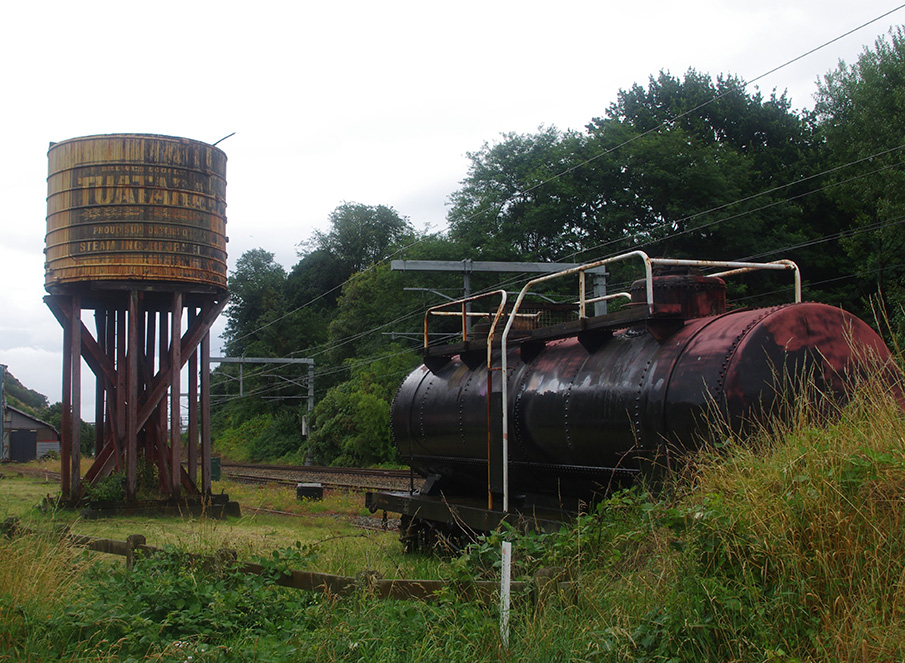
After this Paekākāriki Station diminished as a staging post and engine depot, although electric commuter units were still stabled in the yards. In subsequent years the railways system was restructured and staffing greatly reduced; the workers’ cottages west of the tracks were removed. Locomotive restoration group Steam Incorporated took advantage of the quieter station, and in 1972 began leasing the north end of the yards. The old depot sheds were replaced. Steam Inc salvaged and arranged for two water vats, now rare but once common, to be relocated to Paekākāriki. Steam Inc eventually purchased the northern part of the station yards, including the goods/commissary shed that had been built in 1942 to service the three large camps built nearby for the US Marines. This shed next became the Wellington depot for the Rail-Air inter-island freight operation, between 1947-1959.

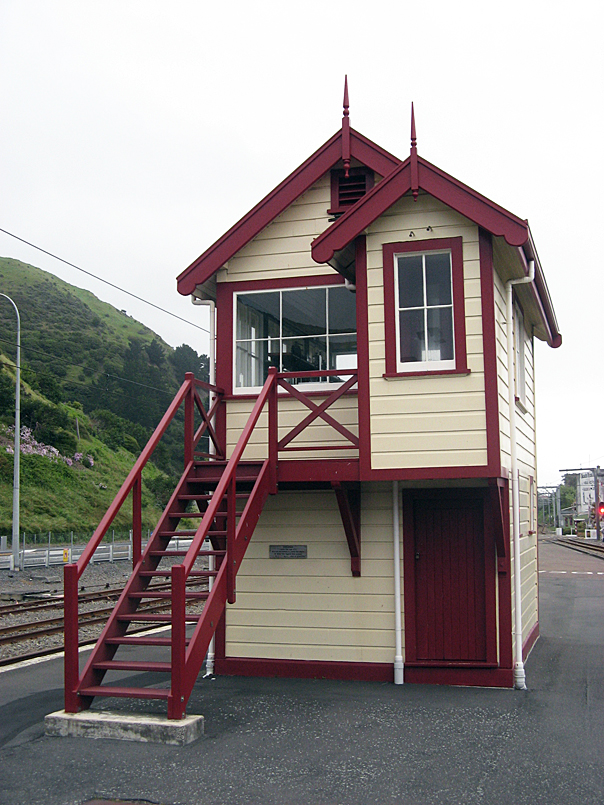
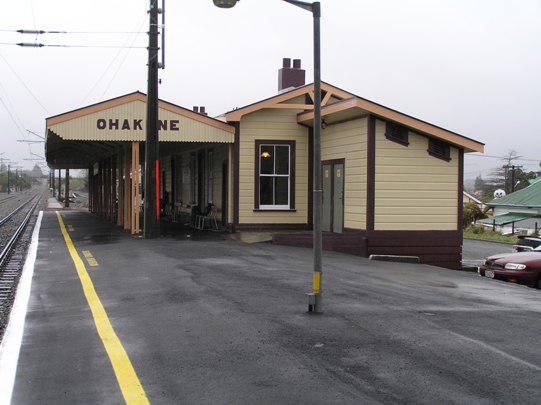
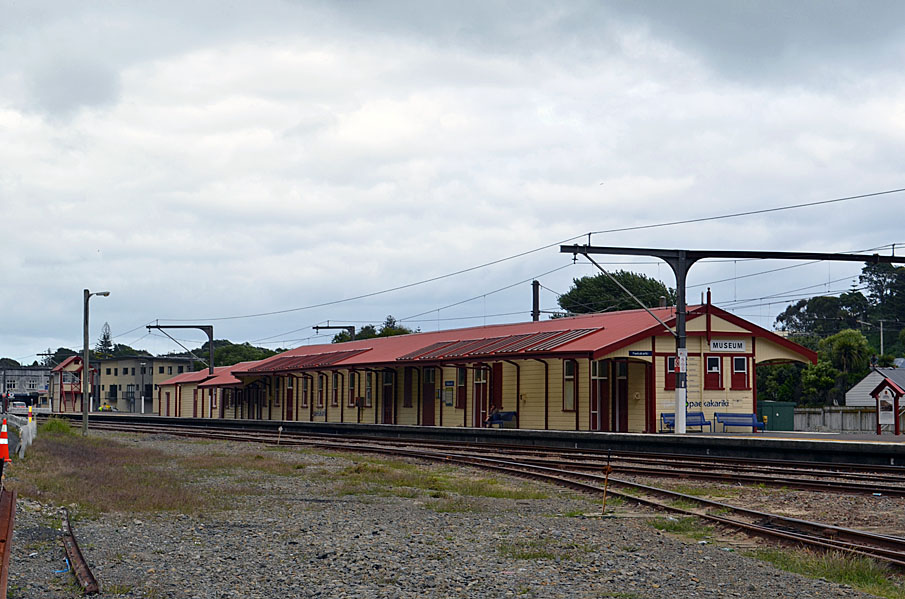
When the station building was earmarked for demolition by NZ Rail, the Paekakariki Station Precinct Trust was established in 1993 by a group of dedicated locals. Complementing Steam Inc’s heritage activities, they spearheaded the restoration of the station building for reuse as a museum, opened in 1995. Community effort also achieved the restoration of the South End Signal Box, unveiled in 2008. The signal boxes had been made redundant in 1985 by the advent of a remotely controlled system. The North End Signal Box was removed to Ohakune in 1993 and is now part of List No. 7790, Ohakune Railway Station.
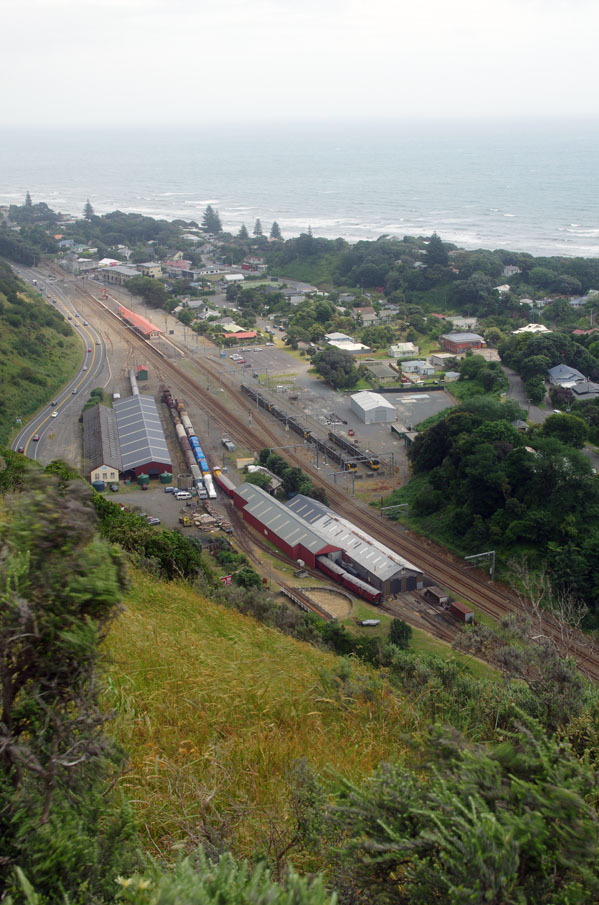
Paekakariki Railway Station and Yard Historic Area | Andy Dodd | 07/12/2019 | Andy Dodd
Paekakariki Railway Station and Yard Historic Area. Paekakariki Station | Alison Dangerfield | 19/01/2019 | Heritage New Zealand Pouhere Taonga
Paekakariki Railway Station and Yard Historic Area. Water Tower and Shed | Andy Dodd | 07/12/2019 | Andy Dodd
Paekakariki Railway Station and Yard Historic Area. Turntable | Andy Dodd | 01/01/2020 | Andy Dodd

List Entry Information

Overview

Status

Listed

List Entry Status

Historic Area

Access

Private/No Public Access

List Number

7026

Date Entered

29th November 1985

Date of Effect

29th November 1985

City/District Council

Kāpiti Coast District

Region

Wellington Region

Extent of List Entry

Extent includes part of the land described as Railway Land, and part of the land described as Pt Sec 10 Wainui Dist (RT WN54C/341), and the land described as Lot 11 DP 86286 (RT WN54A/80), Pt Sec 9 Wainui DIST (RT WN54C/342), Pt Lot 8 DP 1879 (RT WN54C/343), Wellington Land District; and the buildings and structures known as Paekākāriki Railway Station and Yard Historic Area thereon, including the South End Signal Box (List No. 4706), Paekākāriki Railway Station and island platform (List No. 4959), US Marines’ Commissary Shed (Former) (List No. 4961), the two Paekākāriki Railway Yard Water Vats (List No. 4705), turntable. Extent does not include the Engine Shed and Carriage Shed on Lot 11 DP 86286 (RT WN54A/80), Wellington Land District. Note that the North End Signal Box included in the original extent in 1985 was relocated to Ohakune Railway Station in 1992 and is now included in the extent of List No. 7790, Ohakune Railway Station. Refer to the extent map tabled at the Rārangi Kōrero Committee meeting on 30 May 2024
Legal description

Railway Land, Lot 11 DP 86286 (RT WN54A/80), Pt Sec 9 Wainui DIST (RT WN54C/342), Pt Lot 8 DP 1879 (RT WN54C/343), Pt Sec 10 Wainui Dist (RT WN54C/341), Wellington Land District.

Status

Listed

List Entry Status

Historic Area

Access

Private/No Public Access

List Number

7026

Date Entered

29th November 1985

Date of Effect

29th November 1985

City/District Council

Kāpiti Coast District

Region

Wellington Region

Extent of List Entry

Extent includes part of the land described as Railway Land, and part of the land described as Pt Sec 10 Wainui Dist (RT WN54C/341), and the land described as Lot 11 DP 86286 (RT WN54A/80), Pt Sec 9 Wainui DIST (RT WN54C/342), Pt Lot 8 DP 1879 (RT WN54C/343), Wellington Land District; and the buildings and structures known as Paekākāriki Railway Station and Yard Historic Area thereon, including the South End Signal Box (List No. 4706), Paekākāriki Railway Station and island platform (List No. 4959), US Marines’ Commissary Shed (Former) (List No. 4961), the two Paekākāriki Railway Yard Water Vats (List No. 4705), turntable. Extent does not include the Engine Shed and Carriage Shed on Lot 11 DP 86286 (RT WN54A/80), Wellington Land District. Note that the North End Signal Box included in the original extent in 1985 was relocated to Ohakune Railway Station in 1992 and is now included in the extent of List No. 7790, Ohakune Railway Station. Refer to the extent map tabled at the Rārangi Kōrero Committee meeting on 30 May 2024
Legal description

Railway Land, Lot 11 DP 86286 (RT WN54A/80), Pt Sec 9 Wainui DIST (RT WN54C/342), Pt Lot 8 DP 1879 (RT WN54C/343), Pt Sec 10 Wainui Dist (RT WN54C/341), Wellington Land District.

Construction Information

Construction Details

Start Year

1886

Type

Original Construction

Description

Railway yards developed by the Wellington-Manawatu Railway Company, tracks laid, engine shed, turntable and steam infrastructure built; first station built.

Start Year

1909

Type

Original Construction

Description

Railway station building replaced with new, larger building on island platform by new owners, NZ Railways government department.

Start Year

1909

Finish Year

1910

Type

Original Construction

Description

Signal Boxes constructed at North and South ends of island platform.

Start Year

1910

Type

Addition

Description

Railway station building enlarged.

Start Year

1913

startYearCirca

Type

Demolished - Redevelopment

Description

First engine shed demolished and rebuilt.

Type

Original Construction

Description

Water vats, coaling stage built.

Type

Demolished - Redevelopment

Description

Original turntable (located just south of where the US Marines’ Commissary Shed is now) demolished.

Start Year

1933

Type

Original Construction

Description

Larger turntable built, further north of the original.

Start Year

1942

Type

Original Construction

Description

US Marines’ Commissary Shed built.

Start Year

1960

startYearCirca

Type

Demolished - Redevelopment

Description

Second engine shed demolished and rebuilt.

Period

1960s

Start Year

1970

startYearCirca

Type

Relocation

Description

Two water vats moved on to the site by Steam Incorporated.

Period

1970s

Type

Relocation

Description

Workers’ cottages removed; carpark and level crossings constructed

Start Year

1988

Type

Relocation

Description

South End Signal Box relocated from original position to a site northwest of the tracks on Steam Incorporated’s property.

Start Year

1993

Type

Relocation

Description

North End Signal Box relocated to Ohakune Railway Station.

Start Year

2003

Type

Relocation

Description

South End Signal Box relocated to a new (temporary) position in the railyards.

Start Year

2005

Type

Refurbishment/renovation

Description

Station building reroofed; skylights installed along southbound platform awning.

Start Year

2007

Type

Relocation

Description

South End Signal Box relocated back onto its original site at the south end of the island platform and restored.

Start Year

2007

Type

Additional building added to site

Description

Carriage Shed constructed adjacent to US Marines’ Commissary Shed, by Steam Incorporated.

Construction Details

Start Year

1886

Type

Original Construction

Description

Railway yards developed by the Wellington-Manawatu Railway Company, tracks laid, engine shed, turntable and steam infrastructure built; first station built.

Start Year

1909

Type

Original Construction

Description

Railway station building replaced with new, larger building on island platform by new owners, NZ Railways government department.

Start Year

1909

Finish Year

1910

Type

Original Construction

Description

Signal Boxes constructed at North and South ends of island platform.

Start Year

1910

Type

Addition

Description

Railway station building enlarged.

Start Year

1913

startYearCirca

Type

Demolished - Redevelopment

Description

First engine shed demolished and rebuilt.

Type

Original Construction

Description

Water vats, coaling stage built.

Type

Demolished - Redevelopment

Description

Original turntable (located just south of where the US Marines’ Commissary Shed is now) demolished.

Start Year

1933

Type

Original Construction

Description

Larger turntable built, further north of the original.

Start Year

1942

Type

Original Construction

Description

US Marines’ Commissary Shed built.

Start Year

1960

startYearCirca

Type

Demolished - Redevelopment

Description

Second engine shed demolished and rebuilt.

Period

1960s

Start Year

1970

startYearCirca

Type

Relocation

Description

Two water vats moved on to the site by Steam Incorporated.

Period

1970s

Type

Relocation

Description

Workers’ cottages removed; carpark and level crossings constructed

Start Year

1988

Type

Relocation

Description

South End Signal Box relocated from original position to a site northwest of the tracks on Steam Incorporated’s property.

Start Year

1993

Type

Relocation

Description

North End Signal Box relocated to Ohakune Railway Station.

Start Year

2003

Type

Relocation

Description

South End Signal Box relocated to a new (temporary) position in the railyards.

Start Year

2005

Type

Refurbishment/renovation

Description

Station building reroofed; skylights installed along southbound platform awning.

Start Year

2007

Type

Relocation

Description

South End Signal Box relocated back onto its original site at the south end of the island platform and restored.

Start Year

2007

Type

Additional building added to site

Description

Carriage Shed constructed adjacent to US Marines’ Commissary Shed, by Steam Incorporated.

Reference

Historical and Associated Iwi / Hapū / Whānau

Completion Date

1st May 2024

Report Written By

Blyss Wagstaff

Information Sources

O’Leary, 2017

Michael O’Leary, Paekakariki Railway Station, Paekakariki Station Precinct Trust, 2017

Hoy, 1970

Douglas Hoy, Rails Out Of The Capital: Suburban Railways, Wellington, New Zealand Railways and Locomotive Society, Wellington, 1970

Parsons, 2010

David Parsons, Wellington’s Railways: Colonial Steam to Matangi, New Zealand Railways and Locomotive Society Incorporated, Wellington, 2010

Other Information

This place was identified as significant under previous legislation with different information requirements. It remains significant under the current legislation. There is opportunity under our legislation and policies to add to this information. Further information about this place may be available from the Central Regional Office of Heritage New Zealand Pouhere Taonga. A fully referenced copy of the Upgrade Report is available upon request from the Central Regional Office of Heritage New Zealand Pouhere Taonga Disclaimer Please note that entry on the New Zealand Heritage List/Rarangi Korero identifies only the heritage values of the property concerned, and should not be construed as advice on the state of the property, or as a comment of its soundness or safety, including in regard to earthquake risk, safety in the event of fire, or insanitary conditions. Archaeological sites are protected by the Heritage New Zealand Pouhere Taonga Act 2014, regardless of whether they are entered on the New Zealand Heritage List/Rarangi Korero or not. Archaeological sites include ‘places associated with pre-1900 human activity, where there may be evidence relating to the history of New Zealand’. This List entry report should not be read as a statement on whether or not the archaeological provisions of the Act apply to the property (s) concerned. Please contact your local Heritage New Zealand office for archaeological advice.

Historical and Associated Iwi / Hapū / Whānau

Completion Date

1st May 2024

Report Written By

Blyss Wagstaff

Information Sources

O’Leary, 2017

Michael O’Leary, Paekakariki Railway Station, Paekakariki Station Precinct Trust, 2017

Hoy, 1970

Douglas Hoy, Rails Out Of The Capital: Suburban Railways, Wellington, New Zealand Railways and Locomotive Society, Wellington, 1970

Parsons, 2010

David Parsons, Wellington’s Railways: Colonial Steam to Matangi, New Zealand Railways and Locomotive Society Incorporated, Wellington, 2010

Other Information

This place was identified as significant under previous legislation with different information requirements. It remains significant under the current legislation. There is opportunity under our legislation and policies to add to this information. Further information about this place may be available from the Central Regional Office of Heritage New Zealand Pouhere Taonga. A fully referenced copy of the Upgrade Report is available upon request from the Central Regional Office of Heritage New Zealand Pouhere Taonga Disclaimer Please note that entry on the New Zealand Heritage List/Rarangi Korero identifies only the heritage values of the property concerned, and should not be construed as advice on the state of the property, or as a comment of its soundness or safety, including in regard to earthquake risk, safety in the event of fire, or insanitary conditions. Archaeological sites are protected by the Heritage New Zealand Pouhere Taonga Act 2014, regardless of whether they are entered on the New Zealand Heritage List/Rarangi Korero or not. Archaeological sites include ‘places associated with pre-1900 human activity, where there may be evidence relating to the history of New Zealand’. This List entry report should not be read as a statement on whether or not the archaeological provisions of the Act apply to the property (s) concerned. Please contact your local Heritage New Zealand office for archaeological advice.

Further Information

Current Usages

Uses: Civic Facilities

Specific Usage: Museum

Uses: Trade

Specific Usage: Warehouse/storage area

Uses: Transport

Specific Usage: Rail - transport - other

Uses: Transport

Specific Usage: Railway

Uses: Transport

Specific Usage: Railway - shed

Uses: Transport

Specific Usage: Railway station/ platform/ refreshment room

Uses: Transport

Specific Usage: Railway track/siding

Uses: Transport

Specific Usage: Railway turntable

Uses: Transport

Specific Usage: Railway workshop

Former Usages

General Usage: Defence

Specific Usage: Defence - other

General Usage: Trade

Specific Usage: Shop

General Usage: Transport

Specific Usage: Railway signals/ signal box

General Usage: Transport

Specific Usage: Railway water tower/ tank

Current Usages

Uses: Civic Facilities

Specific Usage: Museum

Uses: Trade

Specific Usage: Warehouse/storage area

Uses: Transport

Specific Usage: Rail - transport - other

Uses: Transport

Specific Usage: Railway

Uses: Transport

Specific Usage: Railway - shed

Uses: Transport

Specific Usage: Railway station/ platform/ refreshment room

Uses: Transport

Specific Usage: Railway track/siding

Uses: Transport

Specific Usage: Railway turntable

Uses: Transport

Specific Usage: Railway workshop

Former Usages

General Usage: Defence

Specific Usage: Defence - other

General Usage: Trade

Specific Usage: Shop

General Usage: Transport

Specific Usage: Railway signals/ signal box

General Usage: Transport

Specific Usage: Railway water tower/ tank

Sign up to hear more

Get the latest heritage news, features and events delivered
straight to your inbox.