This historic place was registered under the Historic Places Act 1993. This report includes text from the original Recommendation for Registration considered by the NZHPT Board at the time of registration.
The gold rushes on the West Coast began in 1865 with quartz lodes or reefs (hence the name "Reefton") being discovered in the Inangahua district in 1870. By mid 1872 fifty quartz mines were registered. There were two types of gold in the region - the usual creek bed gold or the gold locked in layers of hard cemented conglomerate bedded among coal deposits. This has to be crushed with stamping batteries in order to separate out the gold.
The central location of Reefton meant that the town rapidly grew and by 1873 the thriving town had a bi-weekly newspaper, two banks, telegraph communication with Westport and Greymouth, a coach service to Greymouth and three religious denominations. By 1900 the population of the district exceeded 4,000. The town prospered until 1914 then went into gradual decline. By this stage the Reefton mines had produced over a million and a quarter ounces of gold.
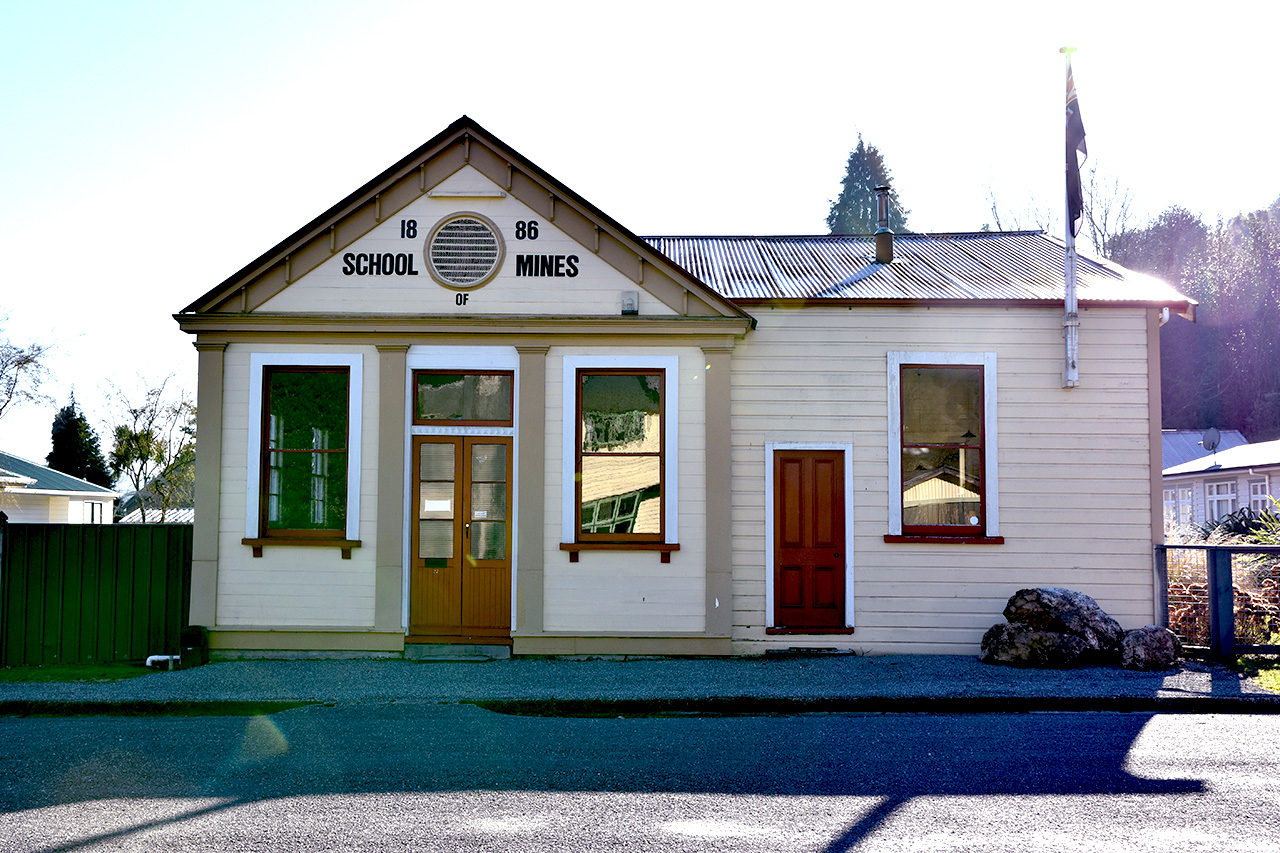
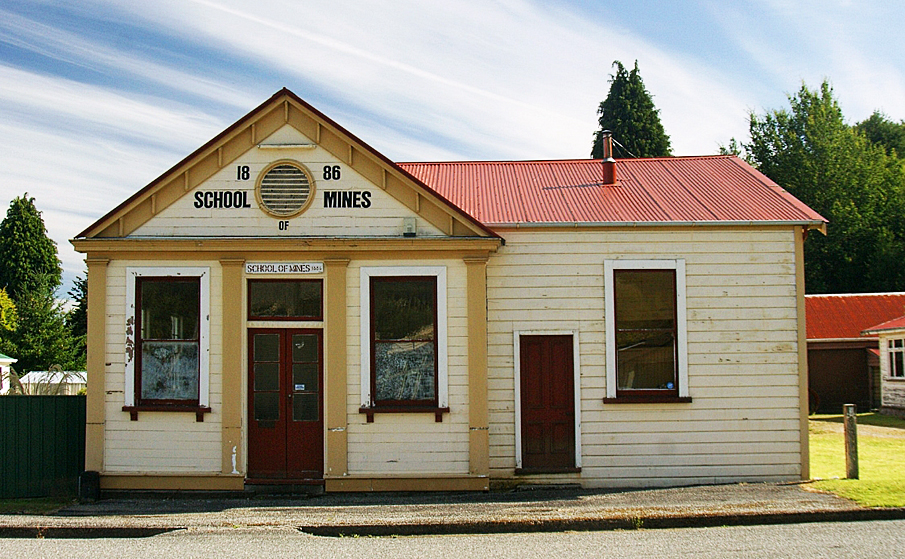
The Reefton School of Mines was the centre for mining education in the Inangahua District. It was established in 1886 to promote a more scientific and less speculative approach to quartz gold mining and later coal mining. As well as the School of Mines, Reefton was also renowned as the first place in the Southern Hemisphere to have commercial power and electric lighting.
Most of the surviving buildings associated with Reefton's gold mining past are located in a compact area where the three main roads entering the town converge.
Reefton Historic Area | Brodie Grave | 04/01/2025 | Brodie Grave

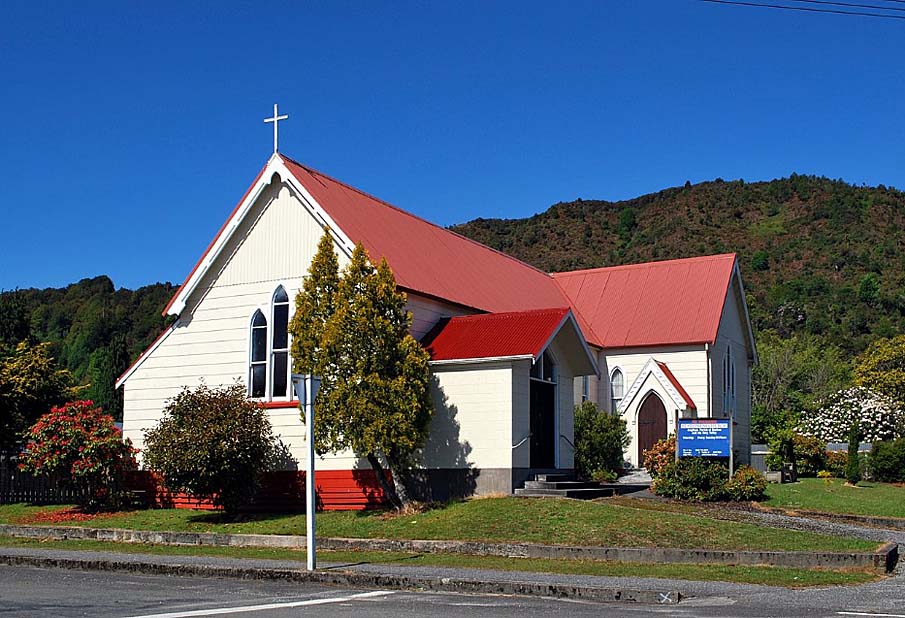
Reefton Historic Area. St Stephen's Church. CC BY-SA 3.0 Image courtesy of commons.wikimedia.org | Mattinbgn | 29/11/2011 | Mattinbgn - Wikimedia Commons

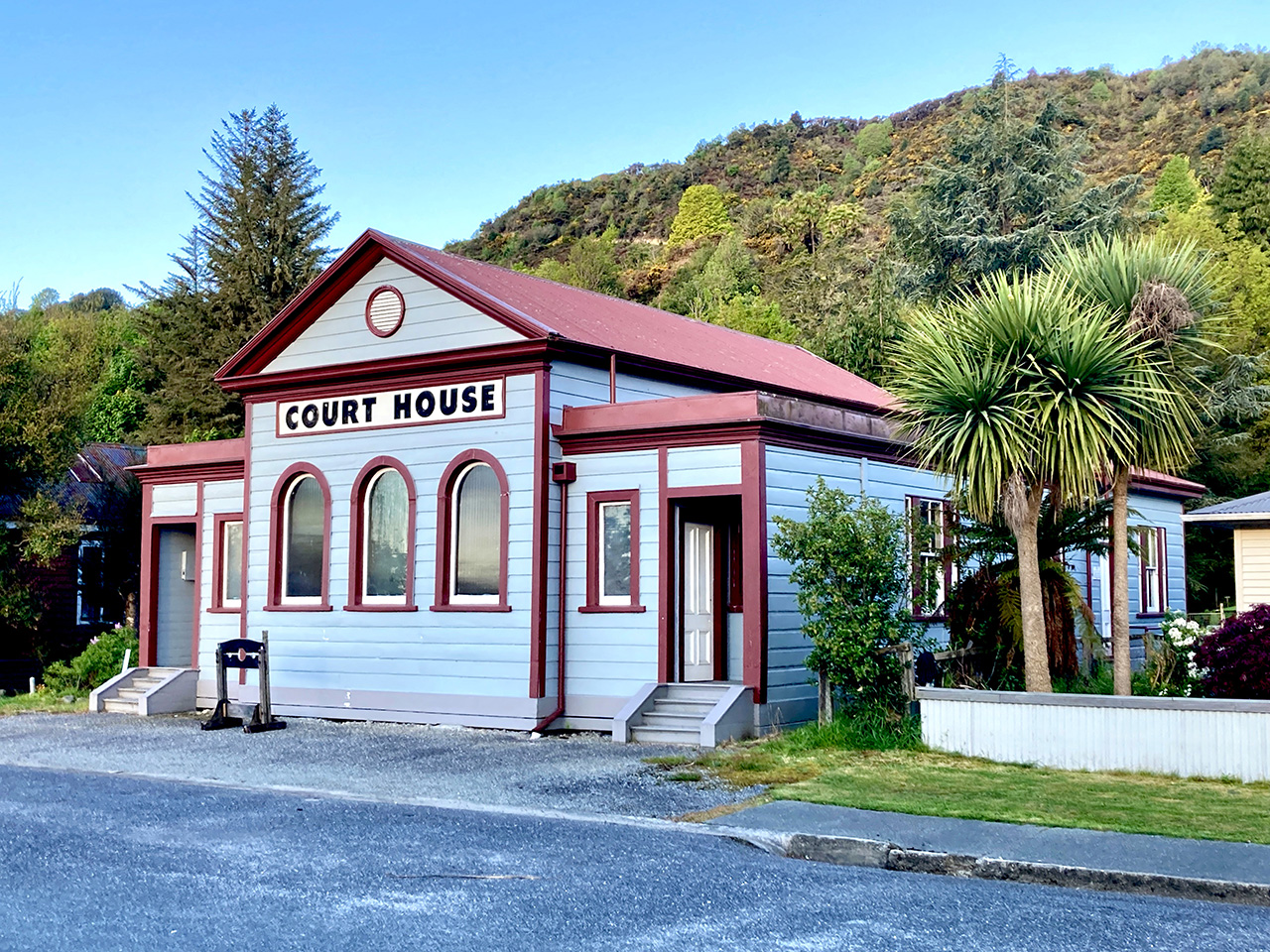
Reefton Historic Area. Reefton Courthouse (Former). CC BY-SA 3.0 Image courtesy of commons.wikimedia.org | Mattinbgn | 29/11/2011 | Mattinbgn - Wikimedia Commons

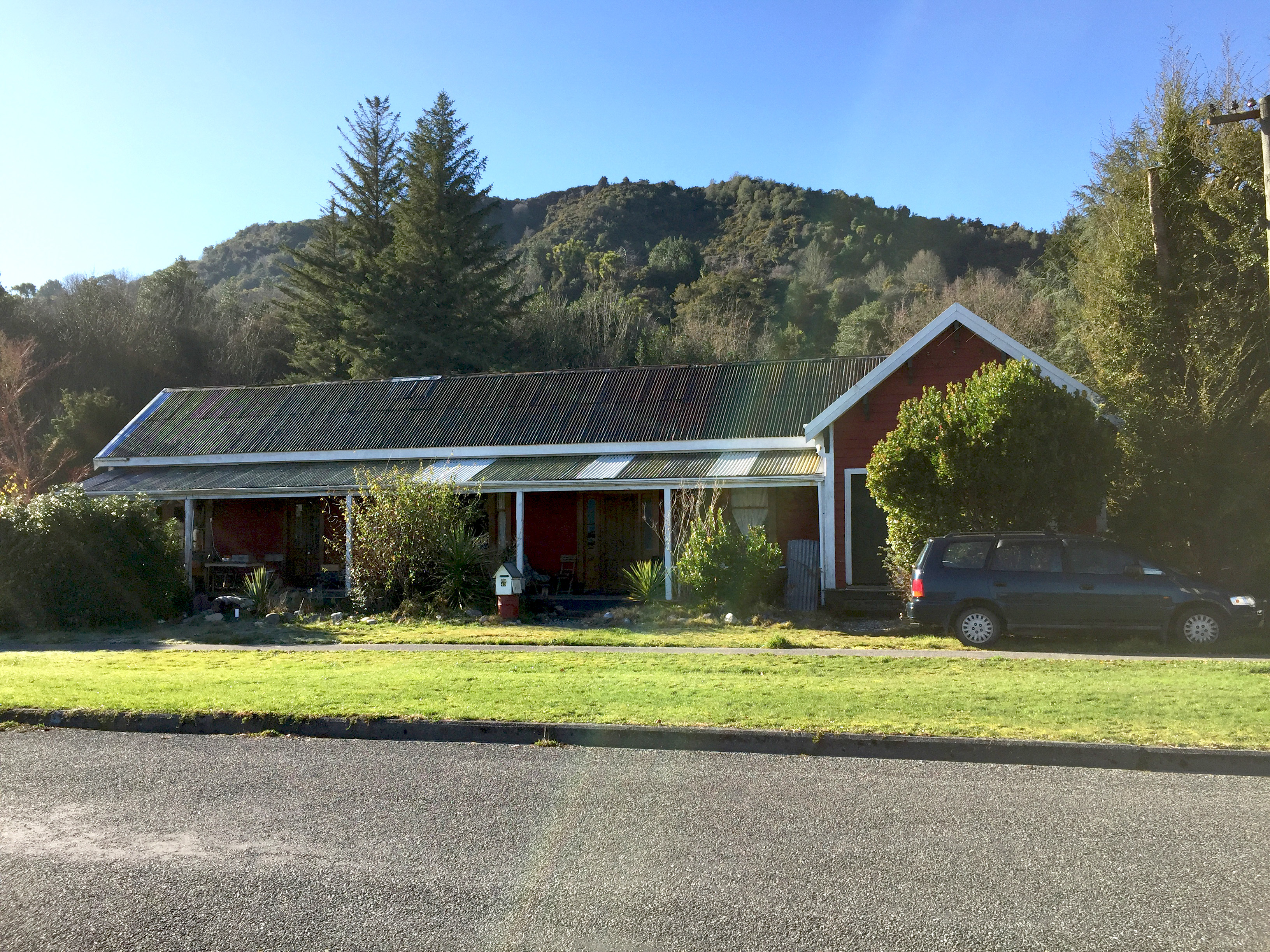
Reefton Historic Area. Oddfellows Hall. Image courtesy of www.flickr.com | Derek Smith - travelling-light | 17/11/2011 | Derek Smith

Reefton Historic Area. School of Mines building. Image courtesy of www.flickr.com | PhilBee NZ - Phil Braithwaite | 30/01/2012 | Phil Braithwaite
Reefton Historic Area | Brodie Grave | 04/01/2025 | Brodie Grave
Reefton Historic Area. St Stephen's Church. CC BY-SA 3.0 Image courtesy of commons.wikimedia.org | Mattinbgn | 29/11/2011 | Mattinbgn - Wikimedia Commons
Reefton Historic Area. Reefton Courthouse (Former). CC BY-SA 3.0 Image courtesy of commons.wikimedia.org | Mattinbgn | 29/11/2011 | Mattinbgn - Wikimedia Commons
Reefton Historic Area. Oddfellows Hall. Image courtesy of www.flickr.com | Derek Smith - travelling-light | 17/11/2011 | Derek Smith
Reefton Historic Area. School of Mines building. Image courtesy of www.flickr.com | PhilBee NZ - Phil Braithwaite | 30/01/2012 | Phil Braithwaite