DonateSupporterVisit Heritage
  • Tūrangawaewae
    Places
  • Tira Māori
    Māori Heritage
  • Poutairangahia
    Archaeology
  • Rauemi
    Resources
  • Mō Tātou
    About Us
  • New Zealand Heritage List
  • Nominate and submit
  • Explore the List
  • National Historic Landmarks
  • Plaques
  • Rainbow List Project
  • Lost heritage
  • Visit Heritage
  • Our properties
  • Turnbull House Project
  • Collections
  • Shop
  • Tohu Whenua
  • Tira Māori
  • Conserving Māori heritage
  • Marae built heritage
  • Māori heritage on the List
  • Hinemihi—Te Hokinga Mai
  • What is archaeology?
  • Is there a site on my property?
  • What are my legal requirements?
  • Affecting an archaeological site
  • Declaring an archaeological site
  • Archaeology FAQs
  • Archaeology Digital Library
  • Archaeology guidelines and templates
  • Resources
  • Funding
  • Publications
  • Sustainable management guides
  • Disaster recovery
  • Podcasts & digital resources
  • Education Hub
  • Conservation plans
  • About
  • Board
  • Māori Heritage Council
  • Senior Staff
  • Offices
  • Contact us
  • Careers
  • Covenants
  • Fast-track
  • Corporate documents
  • Currently consulting on
  • Our submissions
  • News
Quick links
Rārangi Kōrero | The List
Explore the List
National Historic Landmarks
Ngā Manawhenua o Aotearoa me ōna Kōrero Tūturu
Quick links
Tapuwae
A Vision for Places of Māori Heritage
Funding for Māori Heritage
Resources
Quick links
Archaeological Authority Portal
Applying for an archaeological authority
Archaeology FAQs
Browse the most frequently asked questions about archaeological authorities and the archaeological process.
Quick links
Quick links
Contact us
Offices
DonateSupporterVisit Heritage
  • Tūrangawaewae
    Places
  • Tira Māori
    Māori Heritage
  • Poutairangahia
    Archaeology
  • Rauemi
    Resources
  • Mō Tātou
    About Us
  • New Zealand Heritage List
  • Nominate and submit
  • Explore the List
  • National Historic Landmarks
  • Plaques
  • Rainbow List Project
  • Lost heritage
  • Visit Heritage
  • Our properties
  • Turnbull House Project
  • Collections
  • Shop
  • Tohu Whenua
  • Tira Māori
  • Conserving Māori heritage
  • Marae built heritage
  • Māori heritage on the List
  • Hinemihi—Te Hokinga Mai
  • What is archaeology?
  • Is there a site on my property?
  • What are my legal requirements?
  • Affecting an archaeological site
  • Declaring an archaeological site
  • Archaeology FAQs
  • Archaeology Digital Library
  • Archaeology guidelines and templates
  • Resources
  • Funding
  • Publications
  • Sustainable management guides
  • Disaster recovery
  • Podcasts & digital resources
  • Education Hub
  • Conservation plans
  • About
  • Board
  • Māori Heritage Council
  • Senior Staff
  • Offices
  • Contact us
  • Careers
  • Covenants
  • Fast-track
  • Corporate documents
  • Currently consulting on
  • Our submissions
  • News
Quick links
Rārangi Kōrero | The List
Explore the List
National Historic Landmarks
Ngā Manawhenua o Aotearoa me ōna Kōrero Tūturu
Quick links
Tapuwae
A Vision for Places of Māori Heritage
Funding for Māori Heritage
Resources
Quick links
Archaeological Authority Portal
Applying for an archaeological authority
Archaeology FAQs
Browse the most frequently asked questions about archaeological authorities and the archaeological process.
Quick links
Quick links
Contact us
Offices
  • Places
  • Nominate and submit
  • National Historic Landmarks
  • Places
  • Nominate and submit
  • National Historic Landmarks
  • Tira Māori
  • Conserving Māori heritage
  • Marae built heritage
  • Tira Māori
  • Conserving Māori heritage
  • Marae built heritage
  • Archaeological authorities
  • Archaeology Digital Library
  • Archaeological authorities
  • Archaeology Digital Library
  • All resources
  • Publications
  • Funding
  • All resources
  • Publications
  • Funding
  • FAQs
  • FAQs
Follow us on:
Places
  • Places
  • Nominate and submit
  • National Historic Landmarks
Tira Māori
  • Tira Māori
  • Conserving Māori heritage
  • Marae built heritage
Archaeology
  • Archaeological authorities
  • Archaeology Digital Library
Resources
  • All resources
  • Publications
  • Funding
FAQs
  • FAQs
Follow us on
HomePrivacyTerms and conditionsAbout this site
© Heritage New Zealand Pouhere Taonga 2026.
 
Roslyn Post Office (Former)

308 Highgate, DUNEDIN

Private

Historic Place Category 2

List No. 2209

Quick links:
List GalleryLocationDetails
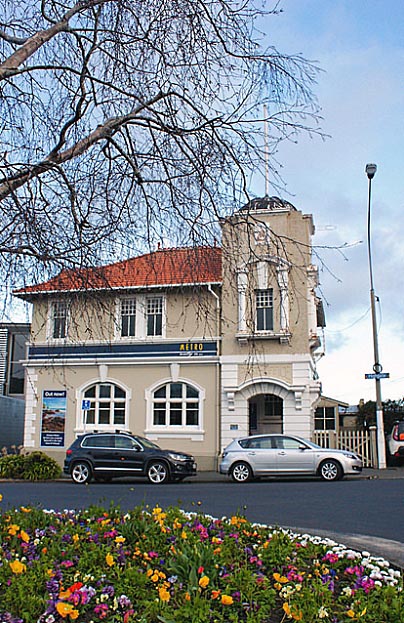
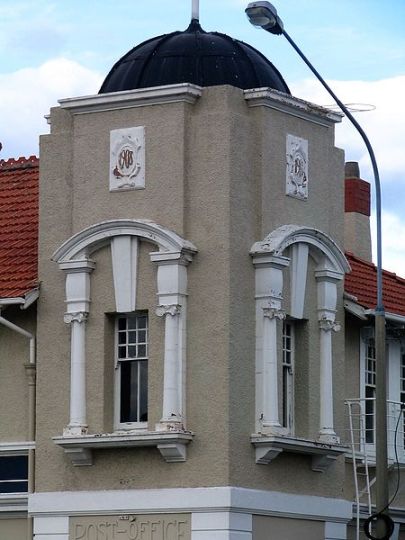
Roslyn Post Office was built in 1907 and officially opened in 1908. It is historically and architecturally significant for the Borough of Roslyn at a time when postal communication was paramount for New Zealand. It was built during a post office building boom between 1900 and 1914 and is one of the remaining smaller post offices which, with some variation, were built all over New Zealand. Built with a striking tower in Edwardian Baroque style, it remains in the suburb of Roslyn, little altered.

Both iwi history and archaeological evidence show Māori occupation in the Ōtākou / Otago region since the 12th century. Today, Kāi Tahu mana whenua is recognised over a large part of Te Wai Pounamu. Kāti Māmoe and Waitaha shared occupation is always acknowledged. The hapū Kāi Te Pahi, Kāti Moki, and Kāti Taoka still maintain their presence and responsibility as kaitiaki in this region.

The postal service in New Zealand began in 1840, and the first post office in Dunedin opened in 1855. By the early twentieth century the Post and Telegraph Department had become one of the major government departments, with branches in all the main centres. Roslyn in Dunedin operated as a Borough, complete with its own mayor and council, which was formed in 1877. An early post office operated on High Street (later renamed Highgate) until 1907. The need of a new post office for Roslyn was discussed at a council meeting where the mayor labelled the current post office as a “disgrace”. The council decided to write to the Hon J. A Millar, to request a new post office. Millar successfully managed to secure a surplus of money for the Roslyn Post Office in 1905. The Public Works Department was asked to submit plans for a “suitable building on the vacant land in front of the old building”.

John Campbell (1857-1942), Government Architect, designed the Post Office, along with many other commercial buildings. Campbell oversaw the architectural design of government buildings until his retirement in 1922, holding the title of ‘government architect’ from 1909. Campbell established the architectural style of Edwardian Baroque as the official architectural style for government buildings in New Zealand in the early twentieth century. Between 1900 and 1914 a post office boom occurred and due to the large amount of work, Campbell developed two models for smaller post offices which, with some variation, were built throughout New Zealand. Erecting new post offices was influenced by the completion of the main trunk line in the North Island along with the replacement of old timber buildings and building in more permanent materials and the spread of telegraphic communication throughout New Zealand.

The Roslyn Post Office was constructed in 1907 by contractor Robert Orr at a cost of £1344 ($278,916 today). Construction was completed on 18December 1907 and it officially opened on 25 February 1908. Roslyn’s post office was built with an “imposing” clock tower and most of the towers of the post offices of this design no longer exist with the Roslyn Post Office being one of six that remains. The roof was originally Marseilles tiles. The space included a telephone bureau, a mail room and the postmaster's room with a permanent postmistress. Accommodation was on the first floor.

Postal services ceased on 5 February 1988 but the building continued to house a Post Bank until 20 March 1992. Since the 1990s, it has housed a Real Estate’s office downstairs, and the second floor has remained as residential accommodation. In 2018, the building had an exterior repaint and a new roof, as well as kitchen and bathroom upgrades. The building with its rich Baroque decoration became a focal point of Roslyn and these post offices for many New Zealanders represent the archetypal New Zealand post office building.
Roslyn Post Office, Dunedin | Alison Breese | 01/11/2024 | Heritage New Zealand Pouhere Taonga
Roslyn Post Office, Dunedin. CC BY-SA 3.0 Image courtesy of commons.wikimedia.org | Benchill | 14/08/2009 | Ben Hill - Wikimedia Commons
Roslyn Post Office, Dunedin. Building detail. CC BY-SA 3.0 Image courtesy of commons.wikimedia.org | Benchill | 14/08/2009 | Ben Hill - Wikimedia Commons
Roslyn Post Office, Dunedin | Alison Breese | 01/11/2024 | Heritage New Zealand Pouhere Taonga
Roslyn Post Office, Dunedin. CC BY-SA 3.0 Image courtesy of commons.wikimedia.org | Benchill | 14/08/2009 | Ben Hill - Wikimedia Commons
Roslyn Post Office, Dunedin. Building detail. CC BY-SA 3.0 Image courtesy of commons.wikimedia.org | Benchill | 14/08/2009 | Ben Hill - Wikimedia Commons

List Entry Information

Overview

Status
Listed

List Entry Status
Historic Place Category 2

Access
Private/No Public Access

List Number
2209

Date Entered
2nd July 1982

Date of Effect
2nd July 1982

City/District Council
Dunedin City

Region
Otago Region

Extent of List Entry

Extent includes the land described as Sec 1 SO 14453 (RT OT12C/619), Otago Land District, and the building known as Roslyn Post Office (Former), thereon.

Legal description

Sec 1 SO 14453 (RT OT12C/6019), Otago Land District

Detailed List Entry

Construction Professional

Name

Orr, Robert

Type

Builder

Name

Campbell, John

Type

Architect

Biography

John Campbell (1857-1942) served his articles under John Gordon (c1835-1912) in Glasgow. He arrived in Dunedin in 1882 and after a brief period as a draughtsman with Mason and Wales joined the Dunedin branch of the Public Works Department in 1883. His first known work, an unbuilt design for the Dunedin Railway Station, reveals an early interest in Baroque architecture. In November 1888 Campbell was transferred to Wellington where in 1889 he took up the position of draughtsman in charge of the Public Buildings Division of the Public Works Department. He remained in charge of the design of government buildings throughout New Zealand until his retirement in 1922, becoming in 1909 the first person to hold the position of Government Architect. Government architecture designed under his aegis evidences a change in style from Queen Anne to Edwardian Baroque. His best-known Queen Anne design is the Dunedin Police Station (1895-8), modelled on Richard Norman Shaw's New Scotland Yard (1887-90). Among his most exuberant Edwardian Baroque buildings is the Public Trust Office, Wellington (1905-09). Although Campbell designed the Dunedin Law Courts (1899-1902) in the Gothic style with a Scottish Baronial inflection, he established Edwardian Baroque as the government style for police stations, courthouses and post offices throughout New Zealand. In 1911 Campbell won the nation-wide architectural competition for the design of Parliament Buildings, Wellington. Although only partially completed, Parliament House is the crowning achievement of Campbell's career.

Construction Details

Start Year

1907

Type

Original Construction

Description

Opened 1908

Start Year

2002

Type

Restoration

Description

New roof and exterior paintwork

Reference

Information Sources

Evening Star

Evening Star

Richardson, 1988

Peter Richardson, 'An Architecture of Empire: The Government Buildings of John Campbell in New Zealand', MA Thesis, University of Canterbury, 1988

Robinson, 1964

Howard Robinson, A History of the Post Office in New Zealand, RE Owen, Government Printer, Wellington, 1964

Heritage New Zealand Pouhere Taonga Property File

12005-052

Wellington City Council Heritage Inventory, 2016

Wellington City Council, ‘Government Architect – John Campbell’, 2016 https://www.wellingtoncityheritage.org.nz/architects/government-architect-john-campbell

Report Written By

This place was identified as significant under previous legislation with different information requirements. It remains significant under the current legislation. There is opportunity under our legislation and policies to add to this information. Further information about this place may be available from the Otago/Southland Office of Heritage New Zealand Pouhere Taonga. Please note that entry on the New Zealand Heritage List/Rarangi Korero identifies only the heritage values of the property concerned, and should not be construed as advice on the state of the property, or as a comment of its soundness or safety, including in regard to earthquake risk, safety in the event of fire, or insanitary conditions.

Further Information

Current Usages

Uses: Accommodation

Specific Usage: Apartment

Former Usages

General Usage:: Communication

Specific Usage: Post Office

General Usage:: Communication

Specific Usage: Postal & Telecommunications - Other

General Usage:: Trade

Specific Usage: Retail and Commercial - other

Themes

Web Links

Overview

Status

Listed

List Entry Status

Historic Place Category 2

Access

Private/No Public Access

List Number

2209

Date Entered

2nd July 1982

Date of Effect

2nd July 1982

City/District Council

Dunedin City

Region

Otago Region

Extent of List Entry

Extent includes the land described as Sec 1 SO 14453 (RT OT12C/619), Otago Land District, and the building known as Roslyn Post Office (Former), thereon.

Legal description

Sec 1 SO 14453 (RT OT12C/6019), Otago Land District

Status

Listed

List Entry Status

Historic Place Category 2

Access

Private/No Public Access

List Number

2209

Date Entered

2nd July 1982

Date of Effect

2nd July 1982

City/District Council

Dunedin City

Region

Otago Region

Extent of List Entry

Extent includes the land described as Sec 1 SO 14453 (RT OT12C/619), Otago Land District, and the building known as Roslyn Post Office (Former), thereon.

Legal description

Sec 1 SO 14453 (RT OT12C/6019), Otago Land District

Construction Information

Construction Professional

Name

Orr, Robert

Type

Builder

Biography

Name

Campbell, John

Type

Architect

Biography

John Campbell (1857-1942) served his articles under John Gordon (c1835-1912) in Glasgow. He arrived in Dunedin in 1882 and after a brief period as a draughtsman with Mason and Wales joined the Dunedin branch of the Public Works Department in 1883. His first known work, an unbuilt design for the Dunedin Railway Station, reveals an early interest in Baroque architecture. In November 1888 Campbell was transferred to Wellington where in 1889 he took up the position of draughtsman in charge of the Public Buildings Division of the Public Works Department. He remained in charge of the design of government buildings throughout New Zealand until his retirement in 1922, becoming in 1909 the first person to hold the position of Government Architect. Government architecture designed under his aegis evidences a change in style from Queen Anne to Edwardian Baroque. His best-known Queen Anne design is the Dunedin Police Station (1895-8), modelled on Richard Norman Shaw's New Scotland Yard (1887-90). Among his most exuberant Edwardian Baroque buildings is the Public Trust Office, Wellington (1905-09). Although Campbell designed the Dunedin Law Courts (1899-1902) in the Gothic style with a Scottish Baronial inflection, he established Edwardian Baroque as the government style for police stations, courthouses and post offices throughout New Zealand. In 1911 Campbell won the nation-wide architectural competition for the design of Parliament Buildings, Wellington. Although only partially completed, Parliament House is the crowning achievement of Campbell's career.

Construction Details

Start Year

1907

Type

Original Construction

Description

Opened 1908

Start Year

2002

Type

Restoration

Description

New roof and exterior paintwork

Construction Professional

Name

Orr, Robert

Type

Builder

Biography

Name

Campbell, John

Type

Architect

Biography

John Campbell (1857-1942) served his articles under John Gordon (c1835-1912) in Glasgow. He arrived in Dunedin in 1882 and after a brief period as a draughtsman with Mason and Wales joined the Dunedin branch of the Public Works Department in 1883. His first known work, an unbuilt design for the Dunedin Railway Station, reveals an early interest in Baroque architecture. In November 1888 Campbell was transferred to Wellington where in 1889 he took up the position of draughtsman in charge of the Public Buildings Division of the Public Works Department. He remained in charge of the design of government buildings throughout New Zealand until his retirement in 1922, becoming in 1909 the first person to hold the position of Government Architect. Government architecture designed under his aegis evidences a change in style from Queen Anne to Edwardian Baroque. His best-known Queen Anne design is the Dunedin Police Station (1895-8), modelled on Richard Norman Shaw's New Scotland Yard (1887-90). Among his most exuberant Edwardian Baroque buildings is the Public Trust Office, Wellington (1905-09). Although Campbell designed the Dunedin Law Courts (1899-1902) in the Gothic style with a Scottish Baronial inflection, he established Edwardian Baroque as the government style for police stations, courthouses and post offices throughout New Zealand. In 1911 Campbell won the nation-wide architectural competition for the design of Parliament Buildings, Wellington. Although only partially completed, Parliament House is the crowning achievement of Campbell's career.

Construction Details

Start Year

1907

Type

Original Construction

Description

Opened 1908

Start Year

2002

Type

Restoration

Description

New roof and exterior paintwork

Reference

Historical and Associated Iwi / Hapū / Whānau

Information Sources

Evening Star

Evening Star

Richardson, 1988

Peter Richardson, 'An Architecture of Empire: The Government Buildings of John Campbell in New Zealand', MA Thesis, University of Canterbury, 1988

Robinson, 1964

Howard Robinson, A History of the Post Office in New Zealand, RE Owen, Government Printer, Wellington, 1964

Heritage New Zealand Pouhere Taonga Property File

12005-052

Wellington City Council Heritage Inventory, 2016

Wellington City Council, ‘Government Architect – John Campbell’, 2016 https://www.wellingtoncityheritage.org.nz/architects/government-architect-john-campbell

Other Information

This place was identified as significant under previous legislation with different information requirements. It remains significant under the current legislation. There is opportunity under our legislation and policies to add to this information. Further information about this place may be available from the Otago/Southland Office of Heritage New Zealand Pouhere Taonga. Please note that entry on the New Zealand Heritage List/Rarangi Korero identifies only the heritage values of the property concerned, and should not be construed as advice on the state of the property, or as a comment of its soundness or safety, including in regard to earthquake risk, safety in the event of fire, or insanitary conditions.

Historical and Associated Iwi / Hapū / Whānau

Information Sources

Evening Star

Evening Star

Richardson, 1988

Peter Richardson, 'An Architecture of Empire: The Government Buildings of John Campbell in New Zealand', MA Thesis, University of Canterbury, 1988

Robinson, 1964

Howard Robinson, A History of the Post Office in New Zealand, RE Owen, Government Printer, Wellington, 1964

Heritage New Zealand Pouhere Taonga Property File

12005-052

Wellington City Council Heritage Inventory, 2016

Wellington City Council, ‘Government Architect – John Campbell’, 2016 https://www.wellingtoncityheritage.org.nz/architects/government-architect-john-campbell

Other Information

This place was identified as significant under previous legislation with different information requirements. It remains significant under the current legislation. There is opportunity under our legislation and policies to add to this information. Further information about this place may be available from the Otago/Southland Office of Heritage New Zealand Pouhere Taonga. Please note that entry on the New Zealand Heritage List/Rarangi Korero identifies only the heritage values of the property concerned, and should not be construed as advice on the state of the property, or as a comment of its soundness or safety, including in regard to earthquake risk, safety in the event of fire, or insanitary conditions.

Further Information

Current Usages

Uses: Accommodation

Specific Usage: Apartment

Former Usages

General Usage: Communication

Specific Usage: Post Office

General Usage: Communication

Specific Usage: Postal & Telecommunications - Other

General Usage: Trade

Specific Usage: Retail and Commercial - other

Current Usages

Uses: Accommodation

Specific Usage: Apartment

Former Usages

General Usage: Communication

Specific Usage: Post Office

General Usage: Communication

Specific Usage: Postal & Telecommunications - Other

General Usage: Trade

Specific Usage: Retail and Commercial - other

Location

Loading
Related listings
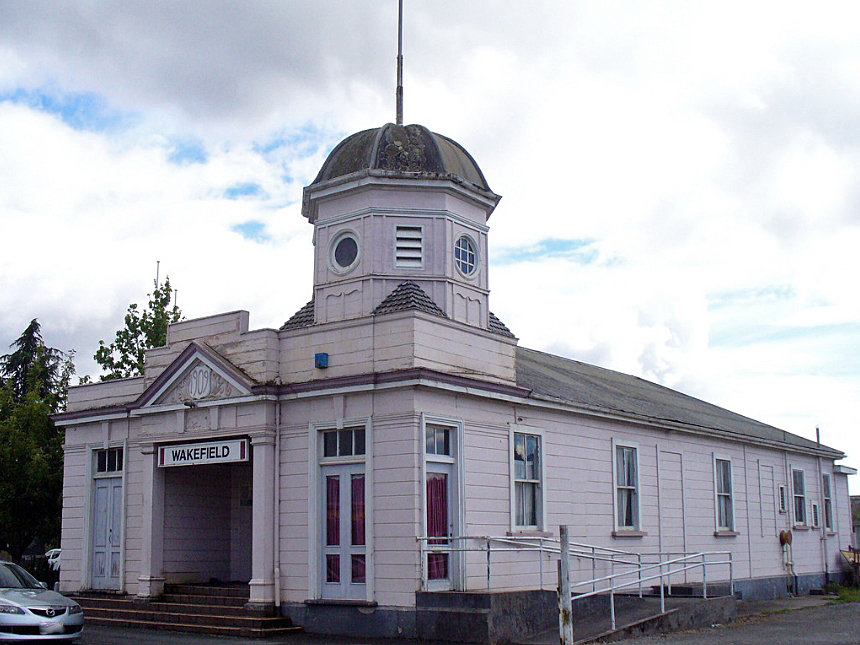
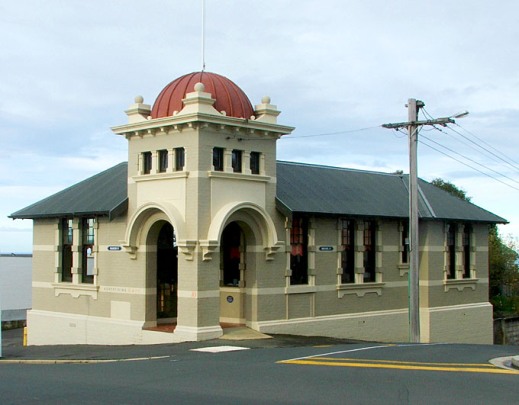
Post Office (Former), Wakefield. Image courtesy of www.flickr.com
Post Office (Former)
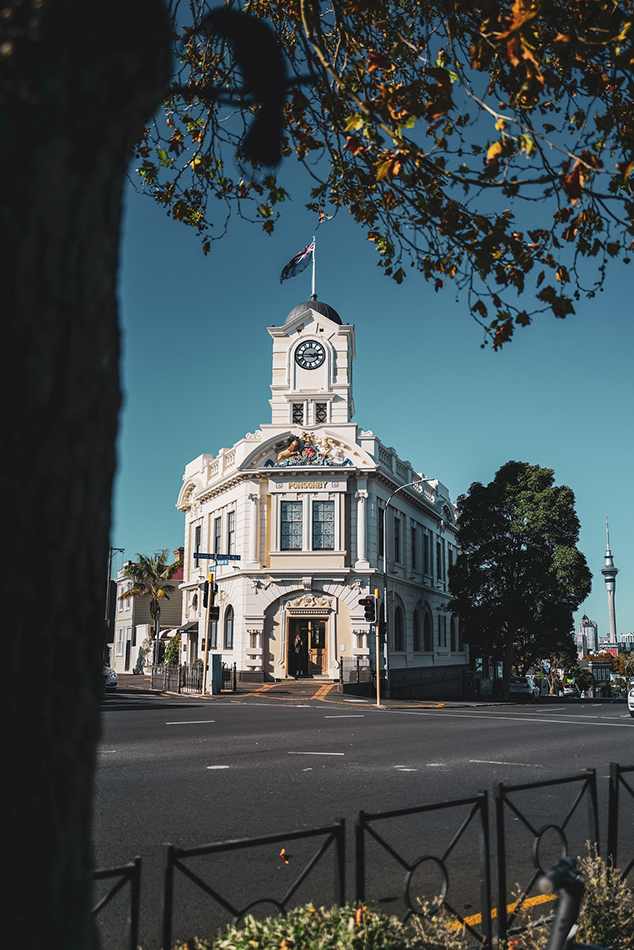
Ponsonby Post Office (Former), Auckland. Image courtesy of www.flickr.com
Ponsonby Post Office (Former)
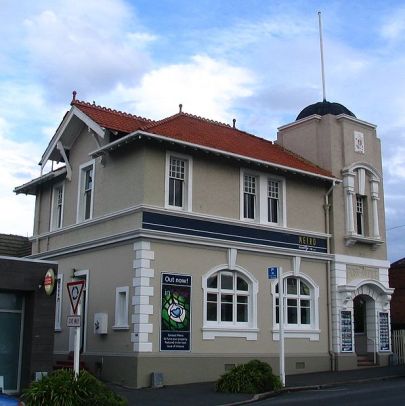
Mornington Post Office, Dunedin
Mornington Post Office (Former)
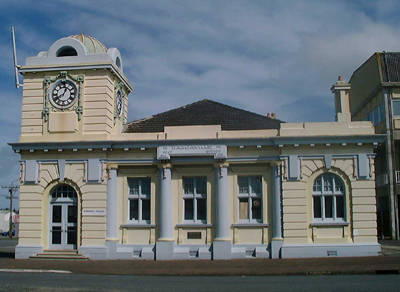
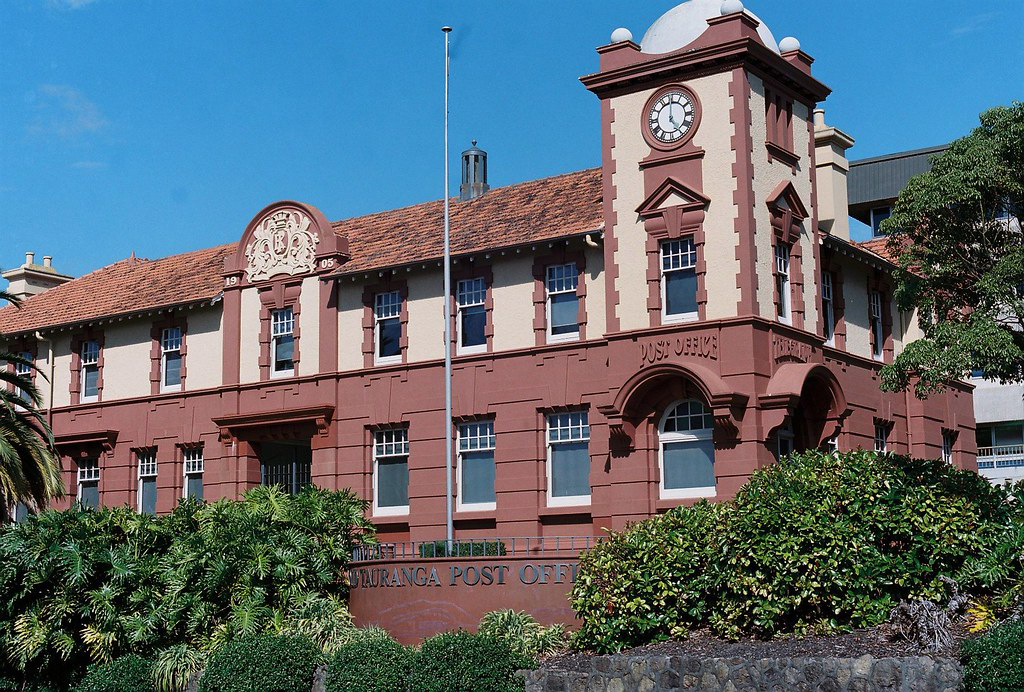
Post Office/Government Building (Former), Tauranga. CC BY-NC-ND 2.0 Image courtesy of www.flickr.com
Post Office/Government Building (Former)
Ponsonby Post Office (Former), Auckland. Image courtesy of www.flickr.com
Ponsonby Post Office (Former)
Post Office (Former), Wakefield. Image courtesy of www.flickr.com
Post Office (Former)
Mornington Post Office, Dunedin
Mornington Post Office (Former)
Post Office (Former)
Post Office/Government Building (Former), Tauranga. CC BY-NC-ND 2.0 Image courtesy of www.flickr.com
Post Office/Government Building (Former)
Sign up to hear more

Get the latest heritage news, features and events delivered
straight to your inbox.

Subscribe