Quick links


Quick links
Quick links
Quick links
Quick links
Quick links
Government Buildings (Former)
55 Lambton Quay, WELLINGTON
Public
Historic Place Category 1
List No. 37
Quick links:
List GalleryLocationDetails
55 Lambton Quay, WELLINGTON
Public
Historic Place Category 1
List No. 37
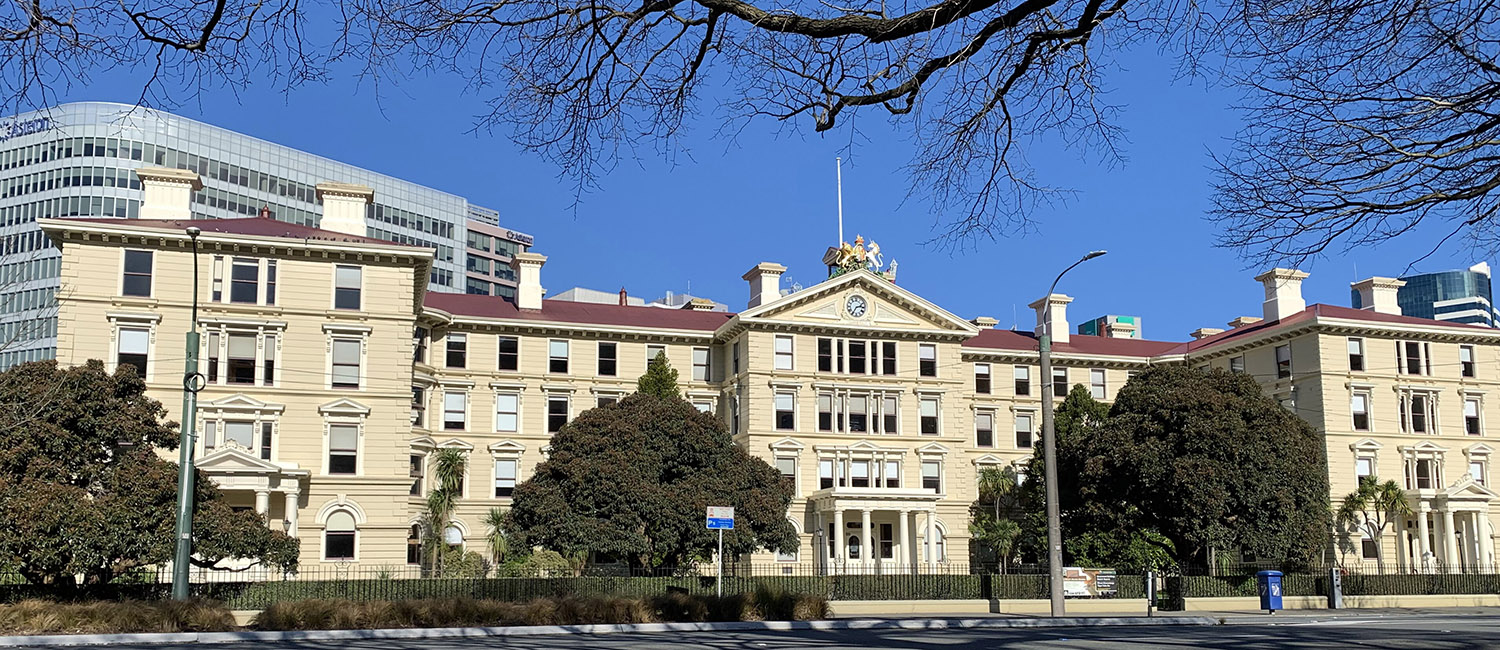
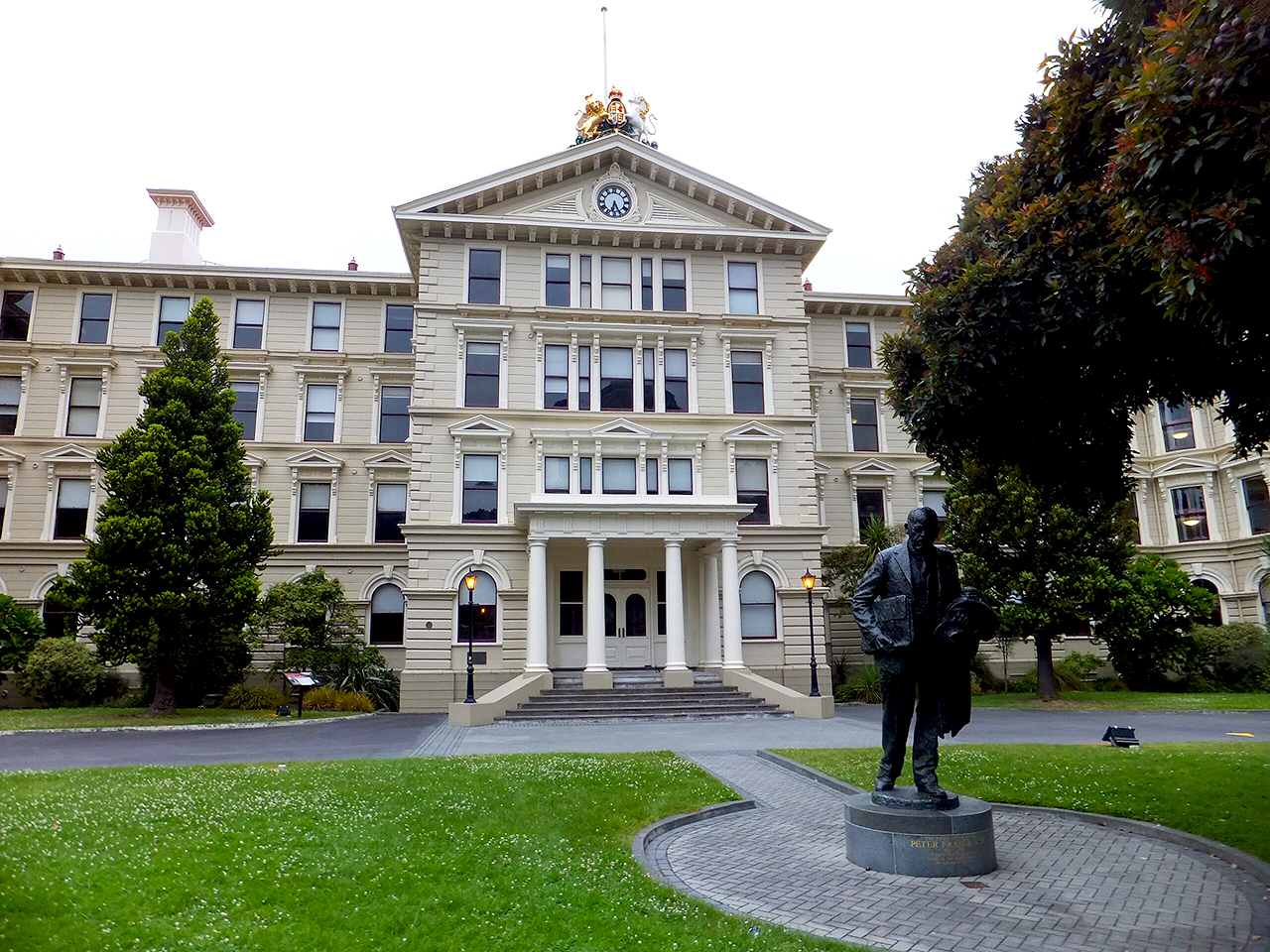
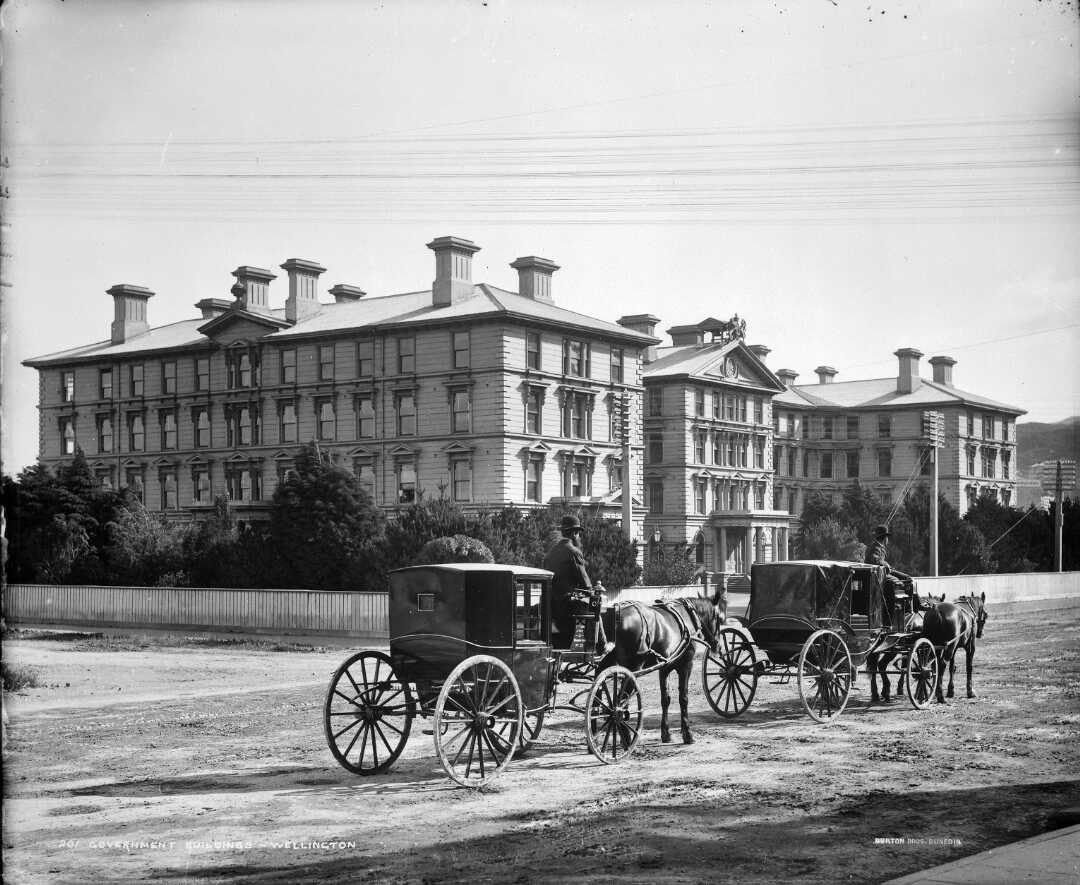
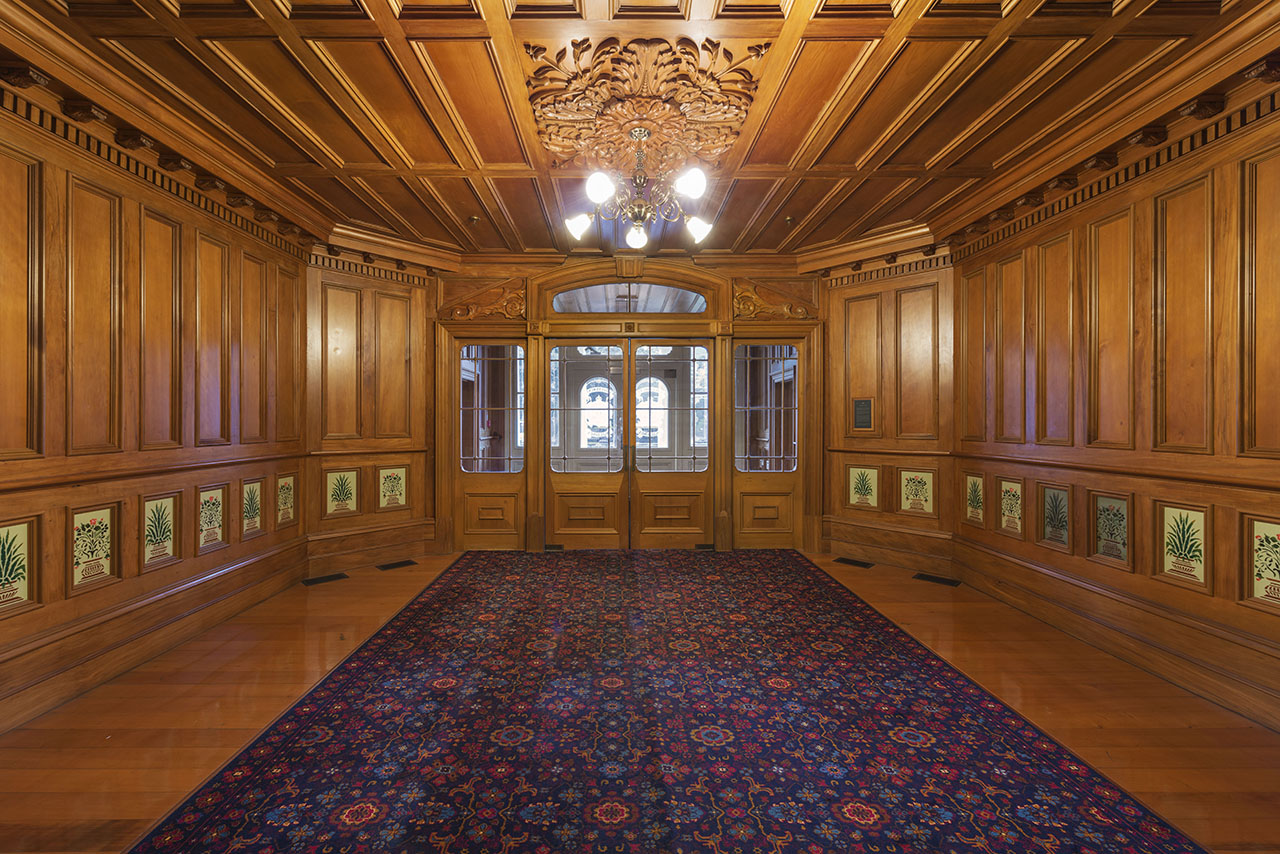
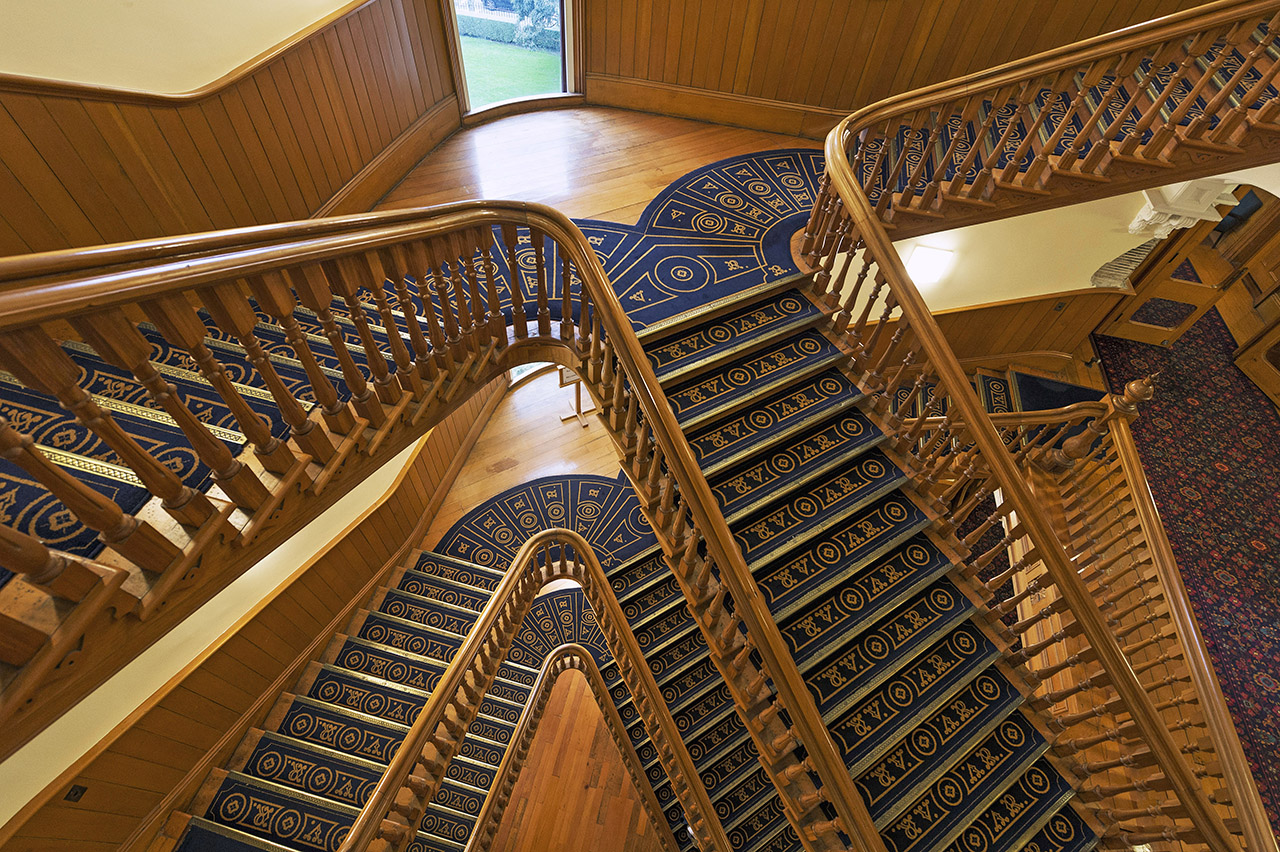
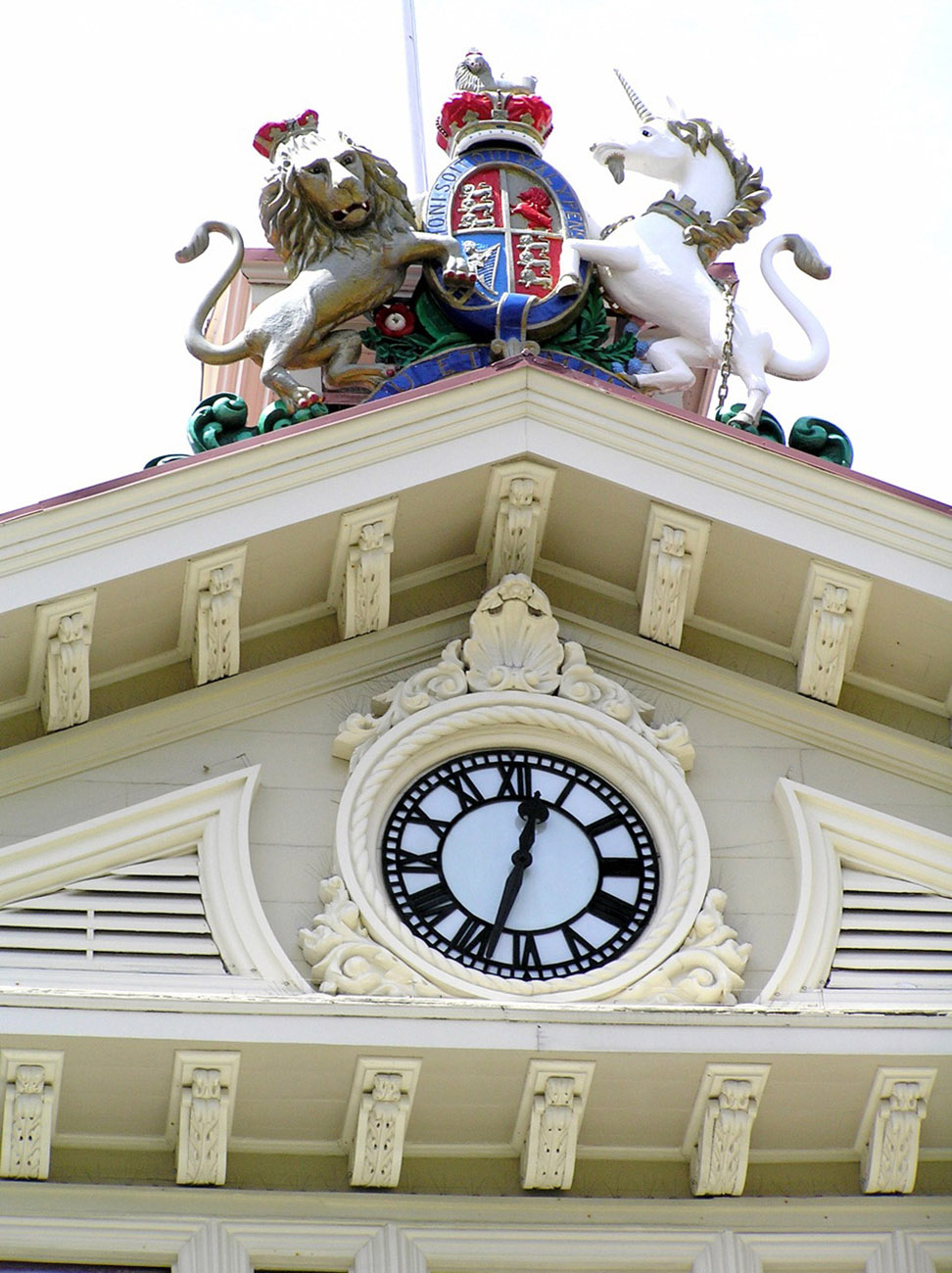
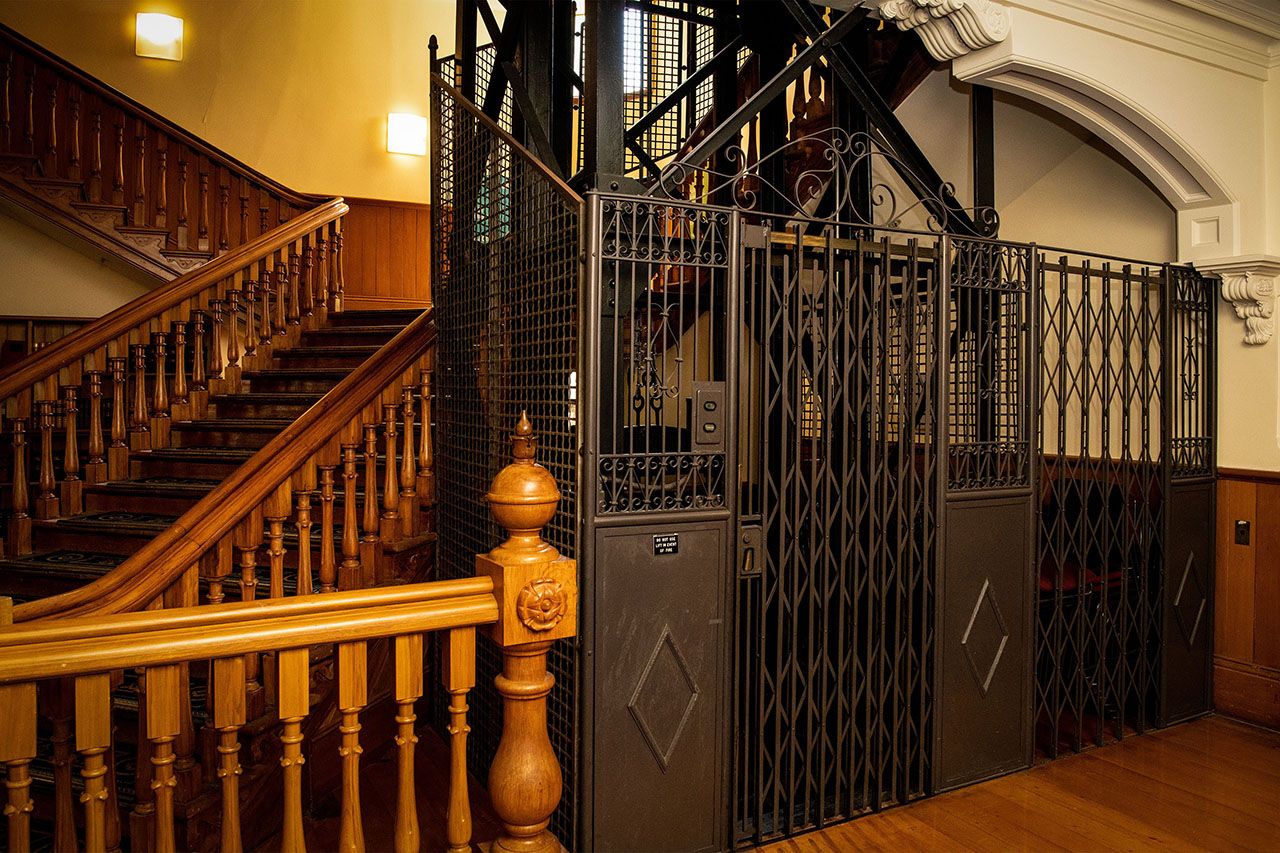
List Entry Information
Status
Listed
List Entry Status
Historic Place Category 1
Access
Able to Visit
List Number
37
Date Entered
2nd July 1982
Date of Effect
2nd July 1982
City/District Council
Wellington City
Region
Wellington Region
Extent of List Entry
Extent of registration includes the land described as Sec 1 SO 37161 (NZ Gazette 1993, p. 3015), Wellington Land Districtand the building known as Government Buildings (Former) thereon, and its fittings and fixtures.
Legal description
Sec 1 SO 37161 (NZ Gazette 1993, p. 3015), Wellington Land District
Status
Listed
List Entry Status
Historic Place Category 1
Access
Able to Visit
List Number
37
Date Entered
2nd July 1982
Date of Effect
2nd July 1982
City/District Council
Wellington City
Region
Wellington Region
Extent of List Entry
Extent of registration includes the land described as Sec 1 SO 37161 (NZ Gazette 1993, p. 3015), Wellington Land Districtand the building known as Government Buildings (Former) thereon, and its fittings and fixtures.
Legal description
Sec 1 SO 37161 (NZ Gazette 1993, p. 3015), Wellington Land District
Construction Professional
Name
Scoular and Archibald
Type
Builder
Biography
Name
Clayton, William Henry
Type
Architect
Biography
Born in Tasmania, Clayton (1823-1877) travelled to Europe with his family in 1842. He studied architecture in Brussells and was then articled to Sir John Rennie, engineer to the Admiralty, in London. He returned to Tasmania in 1848 and worked in private practice until he was appointed Government Surveyor in 1852. He resumed private practice in 1855 and was involved with surveying in the Launceston area. In 1857 he was elected an alderman on the Launceston Municipal Council. By the time Clayton immigrated to Dunedin in 1863 he had been responsible for the design of many buildings including churches, banks, a mechanics' institute, a theatre, steam and water mills, breweries, bridges, mansions and villas, in addition to being a land surveyor and road engineer. In 1864 he entered partnership with William Mason. Mason and Clayton were responsible for some important buildings in Dunedin including All Saints Church (1865) and The Exchange (former Post Office) (1865) as well as the Colonial Museum, Wellington (1865). These were two of the most prominent architects of their day in New Zealand. In 1869 Clayton became the first and only Colonial Architect and was responsible for the design of Post and Telegraph offices, courthouses, customhouses, Government department offices and ministerial residences. His acknowledged masterpiece is Government Buildings, Wellington (1876) a stone-simulated wooden building and the largest timber framed building in the Southern Hemisphere. Clayton was a prolific and highly accomplished architect both within the Public Service and in private practice, in New Zealand and Australia. See https://teara.govt.nz/en/biographies/2c20/clayton-william-henry
Construction Details
Start Year
1916
Type
Addition
Description
Stout Street Annexe constructed
Start Year
1918
Type
Addition
Description
Whitmore Street Annexe constructed
Start Year
1927
Type
Modification
Description
Electric heating replaced open fires
Start Year
1931
Type
Modification
Description
Chimneys taken down to third-floor ceiling level after earthquakes; water heating system installed
Start Year
1939
Finish Year
1940
Type
Modification
Description
Remedial work on foundations
Start Year
1943
Finish Year
1944
Type
Modification
Description
Repairs after earthquakes
Start Year
1939
Finish Year
1940
Type
Maintenance/repairs
Description
Remedial work on foundations
Start Year
1943
Finish Year
1944
Type
Maintenance/repairs
Description
Repairs after earthquakes
Start Year
1946
Finish Year
1947
Type
Maintenance/repairs
Description
Remedial work on foundations
Start Year
1956
Finish Year
1958
Type
Restoration
Description
Limited restoration and repainting
Start Year
1967
Type
Demolished - Other
Description
Demolition of Whitmore Street Annexe
Start Year
1974
Type
Demolished - Other
Description
Demolition of Stout Street Annexe
Start Year
1980
Finish Year
1989
Type
Restoration
Description
Limited restoration occurred of building piles
Start Year
1994
Finish Year
1996
Type
Restoration
Description
Restored and refurbished
Start Year
2020
Finish Year
2022
Type
Maintenance/repairs
Description
Sash window refurbishment
Start Year
1875
Finish Year
1876
Type
Original Construction
Start Year
1897
Type
Addition
Description
Extensions to the south wing made
Start Year
1907
Type
Addition
Description
Extensions to the north wing made
Start Year
1980
startYearCirca
Finish Year
1989
finishYearCirca
Type
Modification
Description
Limited restoration occurred
Start Year
1994
Finish Year
1996
Type
Modification
Description
Restored and refurbished
Construction Professional
Name
Scoular and Archibald
Type
Builder
Biography
Name
Clayton, William Henry
Type
Architect
Biography
Born in Tasmania, Clayton (1823-1877) travelled to Europe with his family in 1842. He studied architecture in Brussells and was then articled to Sir John Rennie, engineer to the Admiralty, in London. He returned to Tasmania in 1848 and worked in private practice until he was appointed Government Surveyor in 1852. He resumed private practice in 1855 and was involved with surveying in the Launceston area. In 1857 he was elected an alderman on the Launceston Municipal Council. By the time Clayton immigrated to Dunedin in 1863 he had been responsible for the design of many buildings including churches, banks, a mechanics' institute, a theatre, steam and water mills, breweries, bridges, mansions and villas, in addition to being a land surveyor and road engineer. In 1864 he entered partnership with William Mason. Mason and Clayton were responsible for some important buildings in Dunedin including All Saints Church (1865) and The Exchange (former Post Office) (1865) as well as the Colonial Museum, Wellington (1865). These were two of the most prominent architects of their day in New Zealand. In 1869 Clayton became the first and only Colonial Architect and was responsible for the design of Post and Telegraph offices, courthouses, customhouses, Government department offices and ministerial residences. His acknowledged masterpiece is Government Buildings, Wellington (1876) a stone-simulated wooden building and the largest timber framed building in the Southern Hemisphere. Clayton was a prolific and highly accomplished architect both within the Public Service and in private practice, in New Zealand and Australia. See https://teara.govt.nz/en/biographies/2c20/clayton-william-henry
Construction Details
Start Year
1916
Type
Addition
Description
Stout Street Annexe constructed
Start Year
1918
Type
Addition
Description
Whitmore Street Annexe constructed
Start Year
1927
Type
Modification
Description
Electric heating replaced open fires
Start Year
1931
Type
Modification
Description
Chimneys taken down to third-floor ceiling level after earthquakes; water heating system installed
Start Year
1939
Finish Year
1940
Type
Modification
Description
Remedial work on foundations
Start Year
1943
Finish Year
1944
Type
Modification
Description
Repairs after earthquakes
Start Year
1939
Finish Year
1940
Type
Maintenance/repairs
Description
Remedial work on foundations
Start Year
1943
Finish Year
1944
Type
Maintenance/repairs
Description
Repairs after earthquakes
Start Year
1946
Finish Year
1947
Type
Maintenance/repairs
Description
Remedial work on foundations
Start Year
1956
Finish Year
1958
Type
Restoration
Description
Limited restoration and repainting
Start Year
1967
Type
Demolished - Other
Description
Demolition of Whitmore Street Annexe
Start Year
1974
Type
Demolished - Other
Description
Demolition of Stout Street Annexe
Start Year
1980
Finish Year
1989
Type
Restoration
Description
Limited restoration occurred of building piles
Start Year
1994
Finish Year
1996
Type
Restoration
Description
Restored and refurbished
Start Year
2020
Finish Year
2022
Type
Maintenance/repairs
Description
Sash window refurbishment
Start Year
1875
Finish Year
1876
Type
Original Construction
Start Year
1897
Type
Addition
Description
Extensions to the south wing made
Start Year
1907
Type
Addition
Description
Extensions to the north wing made
Start Year
1980
startYearCirca
Finish Year
1989
finishYearCirca
Type
Modification
Description
Limited restoration occurred
Start Year
1994
Finish Year
1996
Type
Modification
Description
Restored and refurbished
Historical and Associated Iwi / Hapū / Whānau
Completion Date
25th June 2024
Report Written By
Anna Renton-Green
Information Sources
Dictionary of New Zealand Biography
Dictionary of New Zealand Biography
New Zealand Historic Places
New Zealand Historic Places
Other Information
This place was identified as significant under previous legislation with different information requirements. It remains significant under the current legislation. There is opportunity under our legislation and policies to add to this information. Further information about this place may be available from the Central Regional Office of Heritage New Zealand Pouhere Taonga. A fully referenced copy of the Upgrade Report is available upon request from the Central Regional Office of Heritage New Zealand Pouhere Taonga Disclaimer Please note that entry on the New Zealand Heritage List/Rarangi Korero identifies only the heritage values of the property concerned, and should not be construed as advice on the state of the property, or as a comment of its soundness or safety, including in regard to earthquake risk, safety in the event of fire, or insanitary conditions. Archaeological sites are protected by the Heritage New Zealand Pouhere Taonga Act 2014, regardless of whether they are entered on the New Zealand Heritage List/Rarangi Korero or not. Archaeological sites include ‘places associated with pre-1900 human activity, where there may be evidence relating to the history of New Zealand’. This List entry report should not be read as a statement on whether or not the archaeological provisions of the Act apply to the property (s) concerned. Please contact your local Heritage New Zealand office for archaeological advice.
Historical and Associated Iwi / Hapū / Whānau
Completion Date
25th June 2024
Report Written By
Anna Renton-Green
Information Sources
Dictionary of New Zealand Biography
Dictionary of New Zealand Biography
New Zealand Historic Places
New Zealand Historic Places
Other Information
This place was identified as significant under previous legislation with different information requirements. It remains significant under the current legislation. There is opportunity under our legislation and policies to add to this information. Further information about this place may be available from the Central Regional Office of Heritage New Zealand Pouhere Taonga. A fully referenced copy of the Upgrade Report is available upon request from the Central Regional Office of Heritage New Zealand Pouhere Taonga Disclaimer Please note that entry on the New Zealand Heritage List/Rarangi Korero identifies only the heritage values of the property concerned, and should not be construed as advice on the state of the property, or as a comment of its soundness or safety, including in regard to earthquake risk, safety in the event of fire, or insanitary conditions. Archaeological sites are protected by the Heritage New Zealand Pouhere Taonga Act 2014, regardless of whether they are entered on the New Zealand Heritage List/Rarangi Korero or not. Archaeological sites include ‘places associated with pre-1900 human activity, where there may be evidence relating to the history of New Zealand’. This List entry report should not be read as a statement on whether or not the archaeological provisions of the Act apply to the property (s) concerned. Please contact your local Heritage New Zealand office for archaeological advice.
Current Usages
Uses: Education
Specific Usage: University
Former Usages
General Usage: Government
Specific Usage: Government - other
General Usage: Government
Specific Usage: Government office building
Current Usages
Uses: Education
Specific Usage: University
Former Usages
General Usage: Government
Specific Usage: Government - other
General Usage: Government
Specific Usage: Government office building
Location
Get the latest heritage news, features and events delivered
straight to your inbox.
