DonateMembershipVisit Heritage
  • Tūrangawaewae
    Places
  • Tira Māori
    Māori Heritage
  • Poutairangahia
    Archaeology
  • Rauemi
    Resources
  • Mō Tātou
    About Us
  • New Zealand Heritage List
  • Nominate and submit
  • Explore the List
  • National Historic Landmarks
  • Plaques
  • Rainbow List Project
  • Lost heritage
  • Visit Heritage
  • Our properties
  • Turnbull House Project
  • Collections
  • Shop
  • Tohu Whenua
  • Tira Māori
  • Conserving Māori heritage
  • Marae built heritage
  • Māori heritage on the List
  • Hinemihi—Te Hokinga Mai
  • What is archaeology?
  • Is there a site on my property?
  • What are my legal requirements?
  • Affecting an archaeological site
  • Declaring an archaeological site
  • Archaeology FAQs
  • Archaeology Digital Library
  • Archaeology guidelines and templates
  • Resources
  • Funding
  • Publications
  • Sustainable management guides
  • Disaster recovery
  • Podcasts & digital resources
  • Education Hub
  • Conservation plans
  • About
  • Board
  • Māori Heritage Council
  • Senior Staff
  • Offices
  • Contact us
  • Careers
  • Covenants
  • Fast-track
  • Corporate documents
  • Currently consulting on
  • Our submissions
  • News
  • Covid-19 response
Quick links
Rārangi Kōrero | The List
Explore the List
National Historic Landmarks
Ngā Manawhenua o Aotearoa me ōna Kōrero Tūturu
Quick links
Tapuwae
A Vision for Places of Māori Heritage
Funding for Māori Heritage
Resources
Quick links
Archaeological Authority Portal
Applying for an archaeological authority
Archaeology FAQs
Browse the most frequently asked questions about archaeological authorities and the archaeological process.
Quick links
Quick links
News
News Keep up to date with Heritage New Zealand Pouhere Taonga
Membership
Membership Find out more and sign up today
DonateMembershipVisit Heritage
  • Tūrangawaewae
    Places
  • Tira Māori
    Māori Heritage
  • Poutairangahia
    Archaeology
  • Rauemi
    Resources
  • Mō Tātou
    About Us
  • New Zealand Heritage List
  • Nominate and submit
  • Explore the List
  • National Historic Landmarks
  • Plaques
  • Rainbow List Project
  • Lost heritage
  • Visit Heritage
  • Our properties
  • Turnbull House Project
  • Collections
  • Shop
  • Tohu Whenua
  • Tira Māori
  • Conserving Māori heritage
  • Marae built heritage
  • Māori heritage on the List
  • Hinemihi—Te Hokinga Mai
  • What is archaeology?
  • Is there a site on my property?
  • What are my legal requirements?
  • Affecting an archaeological site
  • Declaring an archaeological site
  • Archaeology FAQs
  • Archaeology Digital Library
  • Archaeology guidelines and templates
  • Resources
  • Funding
  • Publications
  • Sustainable management guides
  • Disaster recovery
  • Podcasts & digital resources
  • Education Hub
  • Conservation plans
  • About
  • Board
  • Māori Heritage Council
  • Senior Staff
  • Offices
  • Contact us
  • Careers
  • Covenants
  • Fast-track
  • Corporate documents
  • Currently consulting on
  • Our submissions
  • News
  • Covid-19 response
Quick links
Rārangi Kōrero | The List
Explore the List
National Historic Landmarks
Ngā Manawhenua o Aotearoa me ōna Kōrero Tūturu
Quick links
Tapuwae
A Vision for Places of Māori Heritage
Funding for Māori Heritage
Resources
Quick links
Archaeological Authority Portal
Applying for an archaeological authority
Archaeology FAQs
Browse the most frequently asked questions about archaeological authorities and the archaeological process.
Quick links
Quick links
News
News Keep up to date with Heritage New Zealand Pouhere Taonga
Membership
Membership Find out more and sign up today
  • Nominate and submit
  • National Historic Landmarks
  • Nominate and submit
  • National Historic Landmarks
  • Conserving Māori heritage
  • Marae built heritage
  • Conserving Māori heritage
  • Marae built heritage
  • Archaeological authorities
  • Archaeology Digital Library
  • Archaeological authorities
  • Archaeology Digital Library
  • All resources
  • Publications
  • Funding
  • All resources
  • Publications
  • Funding
  • FAQs
  • FAQs
Follow us on:
Places
  • Nominate and submit
  • National Historic Landmarks
Tira Māori
  • Conserving Māori heritage
  • Marae built heritage
Archaeology
  • Archaeological authorities
  • Archaeology Digital Library
Resources
  • All resources
  • Publications
  • Funding
FAQs
  • FAQs
Follow us on
HomePrivacyTerms and conditionsAbout this site
© Heritage New Zealand Pouhere Taonga 2026.
 
Gazebo over No 15 Spring

Whitaker Street, Te Aroha Hot Springs Domain, TE AROHA

Public

Historic Place Category 2

List No. 2697

Quick links:
List GalleryLocationDetails
During the late nineteenth and early twentieth centuries, the Hot Springs Domain at Te Aroha was the most popular geothermal resort in New Zealand. The Domain was initially established as a reserve in 1881, incorporating an area of 9.1 hectares (20 acres) on the lower slopes of Mount Te Aroha. The many hot springs in this area lay within the traditional territory of Ngati Rahiri, a hapu of Ngati Maru of Hauraki, and had long been frequented by Maori for their perceived healing qualities. By the late 1870s the site had become a popular destination for Pakeha visitors, with tourist numbers increasing after the discovery of gold on Mount Te Aroha in 1880 and the development of Te Aroha township as a mining settlement. The Domain was acquired by the government soon after the passing of the 1881 Thermal Springs District Act, with local Maori - who had played an instrumental role in initially promoting the resort - retaining the right of free access to the waters. The 1881 Act had been introduced to promote Crown ownership of New Zealand's thermal resources, partly in response to their increasing purchase and commercial exploitation by private entrepreneurs.

The earliest permanent buildings in the Domain were erected soon after the reserve was brought under the Public Domains Act in 1882, and were overseen by the Te Aroha Hot Springs Board. By 1887, there were seven bath houses and a drinking fountain, with extensive grounds laid out to plans drawn up by Henry Crump, a local engineer and architect. Government money largely financed the development of the facilities, as well as the establishment of a railway from Auckland in 1886. As the centrepiece of the now-burgeoning town of Te Aroha, the spa became the first geothermal resort in the country to receive thousands of visitors on an annual basis. People came to bathe or ingest its waters for health reasons, but also to promenade, listen to music or play genteel forms of sport such as tennis, croquet and bowls. Spas had important associations in nineteenth-century European society as places where the well-to-do could relax and congregate in refined and beautiful surroundings.

Although the health and leisure aspects of the reserve were heavily promoted when it was taken over by the Department of Tourism and Health Resorts in 1903, the facilities went into a slow decline after government funding and visitor attention were steadily drawn to Rotorua. The Domain nevertheless remained an extremely popular destination until after the First World War (1914-1918), and continued in a reduced capacity as a spa thereafter. Following closure of many of its facilities in the 1950s and 1960s, the Domain was transferred to the control of the local council (now Matamata-Piako District Council) in 1979, while formally remaining in Crown ownership.

The No.15 spring was one of numerous sources of water in the Domain whose properties were believed to be medicinal. Water from the spring was considered particularly good for curing dyspepsia and for liver complaints, and was also held to be the most palatable in the reserve. It was bottled and sold throughout New Zealand by various companies from 1886, sometimes with lemon added as flavour. Water from the No.8 spring was also sold, although it was believed to hold different properties. The reputation built by these springs helped to create a situation whereby Te Aroha water was the most popular mineral or table water in New Zealand until the 1970s.

The physical development of the No.15 spring had already begun by 1886, when it is said to have been covered in like a well. In 1898 a small concrete tank was put around the spring and a hand pump was probably also installed. The latter occurred during a period of great development in the Domain, which took place under the supervision of the District Engineer, Charles Vickerman. By 1904, surplus water from the spring was going into the main reservoir situated near the No.2 Bath House.

From 1908, the Tourist Department controlled the franchise for selling water from the spring at the new Rotorua Bath House, where it retailed for a penny a cup in the foyer. This commodity was conveyed in bulk cans, before being siphoned and aerated at Rotorua. In 1910, the spring's status as an attraction was reinforced with the construction of a rustic octagonal-shaped structure around the pump. This was erected of ti-tree lattice and some oak ornamental work with a nikau thatched roof. Built at a cost of £6.16.0, it included a concrete floor with a three inch fall from the centre. Manuka trellis seating was provided and a rockery formed around its base, with ferns and shrubs planted.

In 1936 this structure was considered to be inadequate for dealing with rain, and its replacement by a more substantial structure at an estimated cost of £15 was suggested. A new solid wooden structure was then built probably by the early 1940s, forming the current octagonal structure on the site. In spite of the decline of ingesting spa water as a medicinal cure, the spring retained its adherents and in 1949-1950, 72 quarts of water were exported to Australia for the use of a visitor who had benefited from its qualities. In the 1970s, however, the Health Department removed the hand pump after the water was found to contain traces of arsenic and other harmful chemicals. A pump and basin were reinstated in 1990 on the understanding that only small quantities of the water should be consumed. The building has recently been enclosed within the compound of a new open-air pool and has had its corrugated iron roof replaced.
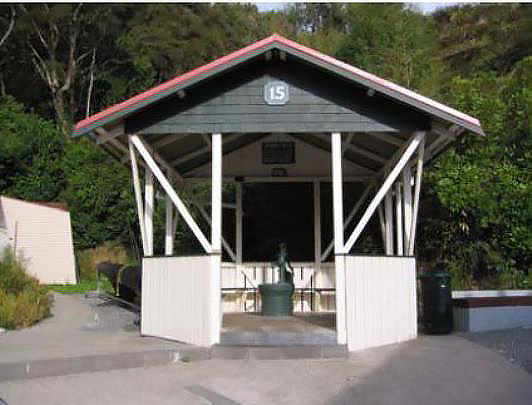
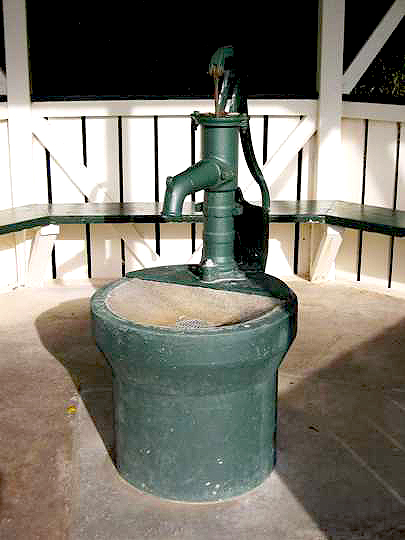
Gazebo over No.15 Spring, Aroha Hot Springs Domain, Te Aroha | Matamata-Piako District Council

List Entry Information

Overview

Status
Listed

List Entry Status
Historic Place Category 2

Access
Able to Visit

List Number
2697

Date Entered
11th December 2003

Date of Effect
11th December 2003

City/District Council
Matamata-Piako District

Region
Waikato Region

Extent of List Entry

Registration includes the structure, its footings and the ground beneath its footprint. It includes all fixtures and finishes. Including its hand pump and basin.

Legal description

Sec 16 Blk IX Aroha SD (Recreation Reserve NZ Gazette 1882 p.1860)

Detailed List Entry
Significance

Historic Significance

Historical Significance or Value The Gazebo over the No.15 Spring has aesthetic significance for adding to the Picturesque appearance of the Domain. It is historically significant for its association with the development of Te Aroha as a spa resort, the popularity of 'taking the waters', and attitudes to health and medicine in late nineteenth- and early twentieth-century New Zealand.

Physical Significance

The Gazebo over the No.15 Spring has aesthetic significance for adding to the Picturesque appearance of the Domain.

Detail Of Assessed Criteria

The Gazebo reflects important and representative aspects of New Zealand history, particularly attitudes to medicine and the commercial use of natural resources. As a functioning spring in a public park and tourist destination, it has considerable potential for public education. The structure forms an important part of the wider historical and cultural landscape at Te Aroha Domain, which is considered to be the best-preserved Victorian and Edwardian spa in New Zealand. The significance of this landscape has been recognised by the NZHPT/Pouhere Taonga in its registration of the Domain as a Historic Area (#7012).

Construction Professional

Name

Vickerman, Charles

Type

Engineer

Biography

Charles Ranken Vickerman, District Engineer of the Public Works Department.

Construction Details

Start Year

1886

Type

Other

Description

Site of cover over No.15 Spring

Start Year

1898

Type

Other

Description

Site of water pump and basin

Start Year

1910

Type

Other

Description

Site of first gazebo

Type

Original Construction

Description

Original construction of current gazebo

Period

Late 1930s - late 1940s

Start Year

1990

Type

Addition

Description

Pump and basin added after the removal of earlier facilities in the 1970s

Start Year

2003

Type

Modification

Description

Replacement of corrugated iron roof

Construction Materials

Timber frame and balusters, with a concrete floor and corrugated iron roof. Cast iron pump and concrete basin.

Physical Description

The Gazebo over the No.15 Spring is located close to the southern boundary of the original 1881-1882 Te Aroha Hot Springs Domain. It lies immediately to the east of the No.2 Bath House, at the junction between the formal part of the park and the 'wilderness' area on the lower slopes of Bald Spur. The structure is currently contained within the enclosure of a recently constructed outdoor leisure pool. It is fully visible from outside the enclosure. The gazebo is octagonal in plan, with an entrance in its western side. It is largely open-sided, with a baluster of vertical timber planking enclosing the lower third of the structure. The enclosed area contains a central cast iron water pump and concrete basin, and has a low bench around the inside of the walls, sitting on a concrete floor. The rectangular roof is gabled towards the front (west) and back (east), and is supported by a framework of eight plain timber posts with diagonal bracing at each roof corner. The roof is covered with corrugated iron. The structure may be associated with the archaeological remains of earlier structures and evidence of nineteenth-century water supply, although the area to its north and west has been heavily modified by building activity in recent years.

Reference

Information Sources

Mackay, 1993

Jamie Mackay, 'The Te Aroha Hot Springs Domain Conservation Area, Te Aroha, New Zealand', NZHPT report, Wellington, 1993.

Rockel, 1986

Ian Rockel, Taking the Waters: Early Spas in New Zealand, Wellington, 1986

Conservation Plan

Conservation Plan

Report Written By

A fully referenced version of this report is available from the NZHPT Northern Region Office. Please note that entry on the New Zealand Heritage List/Rarangi Korero identifies only the heritage values of the property concerned, and should not be construed as advice on the state of the property, or as a comment of its soundness or safety, including in regard to earthquake risk, safety in the event of fire, or insanitary conditions.

Further Information

Current Usages

Uses: Civic Facilities

Specific Usage: Civic facilities - other

Former Usages

General Usage:: Civic Facilities

Specific Usage: Civic facilities - other

Themes

Web Links

Overview

Status

Listed

List Entry Status

Historic Place Category 2

Access

Able to Visit

List Number

2697

Date Entered

11th December 2003

Date of Effect

11th December 2003

City/District Council

Matamata-Piako District

Region

Waikato Region

Extent of List Entry

Registration includes the structure, its footings and the ground beneath its footprint. It includes all fixtures and finishes. Including its hand pump and basin.

Legal description

Sec 16 Blk IX Aroha SD (Recreation Reserve NZ Gazette 1882 p.1860)

Status

Listed

List Entry Status

Historic Place Category 2

Access

Able to Visit

List Number

2697

Date Entered

11th December 2003

Date of Effect

11th December 2003

City/District Council

Matamata-Piako District

Region

Waikato Region

Extent of List Entry

Registration includes the structure, its footings and the ground beneath its footprint. It includes all fixtures and finishes. Including its hand pump and basin.

Legal description

Sec 16 Blk IX Aroha SD (Recreation Reserve NZ Gazette 1882 p.1860)

Significance

Why is this place significant?

Historic Significance

Historical Significance or Value The Gazebo over the No.15 Spring has aesthetic significance for adding to the Picturesque appearance of the Domain. It is historically significant for its association with the development of Te Aroha as a spa resort, the popularity of 'taking the waters', and attitudes to health and medicine in late nineteenth- and early twentieth-century New Zealand.

Physical Significance

The Gazebo over the No.15 Spring has aesthetic significance for adding to the Picturesque appearance of the Domain.

Why is this place Category 1 / Category 2?

Detail Of Assessed Criteria

The Gazebo reflects important and representative aspects of New Zealand history, particularly attitudes to medicine and the commercial use of natural resources. As a functioning spring in a public park and tourist destination, it has considerable potential for public education. The structure forms an important part of the wider historical and cultural landscape at Te Aroha Domain, which is considered to be the best-preserved Victorian and Edwardian spa in New Zealand. The significance of this landscape has been recognised by the NZHPT/Pouhere Taonga in its registration of the Domain as a Historic Area (#7012).

Why is this place significant?

Historic Significance

Historical Significance or Value The Gazebo over the No.15 Spring has aesthetic significance for adding to the Picturesque appearance of the Domain. It is historically significant for its association with the development of Te Aroha as a spa resort, the popularity of 'taking the waters', and attitudes to health and medicine in late nineteenth- and early twentieth-century New Zealand.

Physical Significance

The Gazebo over the No.15 Spring has aesthetic significance for adding to the Picturesque appearance of the Domain.

Why is this place Category 1 / Category 2?

Detail Of Assessed Criteria

The Gazebo reflects important and representative aspects of New Zealand history, particularly attitudes to medicine and the commercial use of natural resources. As a functioning spring in a public park and tourist destination, it has considerable potential for public education. The structure forms an important part of the wider historical and cultural landscape at Te Aroha Domain, which is considered to be the best-preserved Victorian and Edwardian spa in New Zealand. The significance of this landscape has been recognised by the NZHPT/Pouhere Taonga in its registration of the Domain as a Historic Area (#7012).

Construction Information

Construction Professional

Name

Vickerman, Charles

Type

Engineer

Biography

Charles Ranken Vickerman, District Engineer of the Public Works Department.

Construction Details

Start Year

1886

startYearCirca

Type

Other

Description

Site of cover over No.15 Spring

Start Year

1898

Type

Other

Description

Site of water pump and basin

Start Year

1910

Type

Other

Description

Site of first gazebo

Type

Original Construction

Description

Original construction of current gazebo

Period

Late 1930s - late 1940s

Start Year

1990

Type

Addition

Description

Pump and basin added after the removal of earlier facilities in the 1970s

Start Year

2003

Type

Modification

Description

Replacement of corrugated iron roof

Construction Materials

Timber frame and balusters, with a concrete floor and corrugated iron roof. Cast iron pump and concrete basin.

Construction Professional

Name

Vickerman, Charles

Type

Engineer

Biography

Charles Ranken Vickerman, District Engineer of the Public Works Department.

Construction Details

Start Year

1886

startYearCirca

Type

Other

Description

Site of cover over No.15 Spring

Start Year

1898

Type

Other

Description

Site of water pump and basin

Start Year

1910

Type

Other

Description

Site of first gazebo

Type

Original Construction

Description

Original construction of current gazebo

Period

Late 1930s - late 1940s

Start Year

1990

Type

Addition

Description

Pump and basin added after the removal of earlier facilities in the 1970s

Start Year

2003

Type

Modification

Description

Replacement of corrugated iron roof

Construction Materials

Timber frame and balusters, with a concrete floor and corrugated iron roof. Cast iron pump and concrete basin.

Physical Description

The Gazebo over the No.15 Spring is located close to the southern boundary of the original 1881-1882 Te Aroha Hot Springs Domain. It lies immediately to the east of the No.2 Bath House, at the junction between the formal part of the park and the 'wilderness' area on the lower slopes of Bald Spur. The structure is currently contained within the enclosure of a recently constructed outdoor leisure pool. It is fully visible from outside the enclosure. The gazebo is octagonal in plan, with an entrance in its western side. It is largely open-sided, with a baluster of vertical timber planking enclosing the lower third of the structure. The enclosed area contains a central cast iron water pump and concrete basin, and has a low bench around the inside of the walls, sitting on a concrete floor. The rectangular roof is gabled towards the front (west) and back (east), and is supported by a framework of eight plain timber posts with diagonal bracing at each roof corner. The roof is covered with corrugated iron. The structure may be associated with the archaeological remains of earlier structures and evidence of nineteenth-century water supply, although the area to its north and west has been heavily modified by building activity in recent years.

The Gazebo over the No.15 Spring is located close to the southern boundary of the original 1881-1882 Te Aroha Hot Springs Domain. It lies immediately to the east of the No.2 Bath House, at the junction between the formal part of the park and the 'wilderness' area on the lower slopes of Bald Spur. The structure is currently contained within the enclosure of a recently constructed outdoor leisure pool. It is fully visible from outside the enclosure. The gazebo is octagonal in plan, with an entrance in its western side. It is largely open-sided, with a baluster of vertical timber planking enclosing the lower third of the structure. The enclosed area contains a central cast iron water pump and concrete basin, and has a low bench around the inside of the walls, sitting on a concrete floor. The rectangular roof is gabled towards the front (west) and back (east), and is supported by a framework of eight plain timber posts with diagonal bracing at each roof corner. The roof is covered with corrugated iron. The structure may be associated with the archaeological remains of earlier structures and evidence of nineteenth-century water supply, although the area to its north and west has been heavily modified by building activity in recent years.

Reference

Historical and Associated Iwi / Hapū / Whānau

Information Sources

Mackay, 1993

Jamie Mackay, 'The Te Aroha Hot Springs Domain Conservation Area, Te Aroha, New Zealand', NZHPT report, Wellington, 1993.

Rockel, 1986

Ian Rockel, Taking the Waters: Early Spas in New Zealand, Wellington, 1986

Conservation Plan

Conservation Plan

Other Information

A fully referenced version of this report is available from the NZHPT Northern Region Office. Please note that entry on the New Zealand Heritage List/Rarangi Korero identifies only the heritage values of the property concerned, and should not be construed as advice on the state of the property, or as a comment of its soundness or safety, including in regard to earthquake risk, safety in the event of fire, or insanitary conditions.

Historical and Associated Iwi / Hapū / Whānau

Information Sources

Mackay, 1993

Jamie Mackay, 'The Te Aroha Hot Springs Domain Conservation Area, Te Aroha, New Zealand', NZHPT report, Wellington, 1993.

Rockel, 1986

Ian Rockel, Taking the Waters: Early Spas in New Zealand, Wellington, 1986

Conservation Plan

Conservation Plan

Other Information

A fully referenced version of this report is available from the NZHPT Northern Region Office. Please note that entry on the New Zealand Heritage List/Rarangi Korero identifies only the heritage values of the property concerned, and should not be construed as advice on the state of the property, or as a comment of its soundness or safety, including in regard to earthquake risk, safety in the event of fire, or insanitary conditions.

Further Information

Current Usages

Uses: Civic Facilities

Specific Usage: Civic facilities - other

Former Usages

General Usage: Civic Facilities

Specific Usage: Civic facilities - other

Current Usages

Uses: Civic Facilities

Specific Usage: Civic facilities - other

Former Usages

General Usage: Civic Facilities

Specific Usage: Civic facilities - other

Location

Loading
Related listings
Cadman Bath House (Former), Te Aroha. CC BY-NC-ND 2.0 Image courtesy of www.flickr.com
Cadman Bath House (Former)
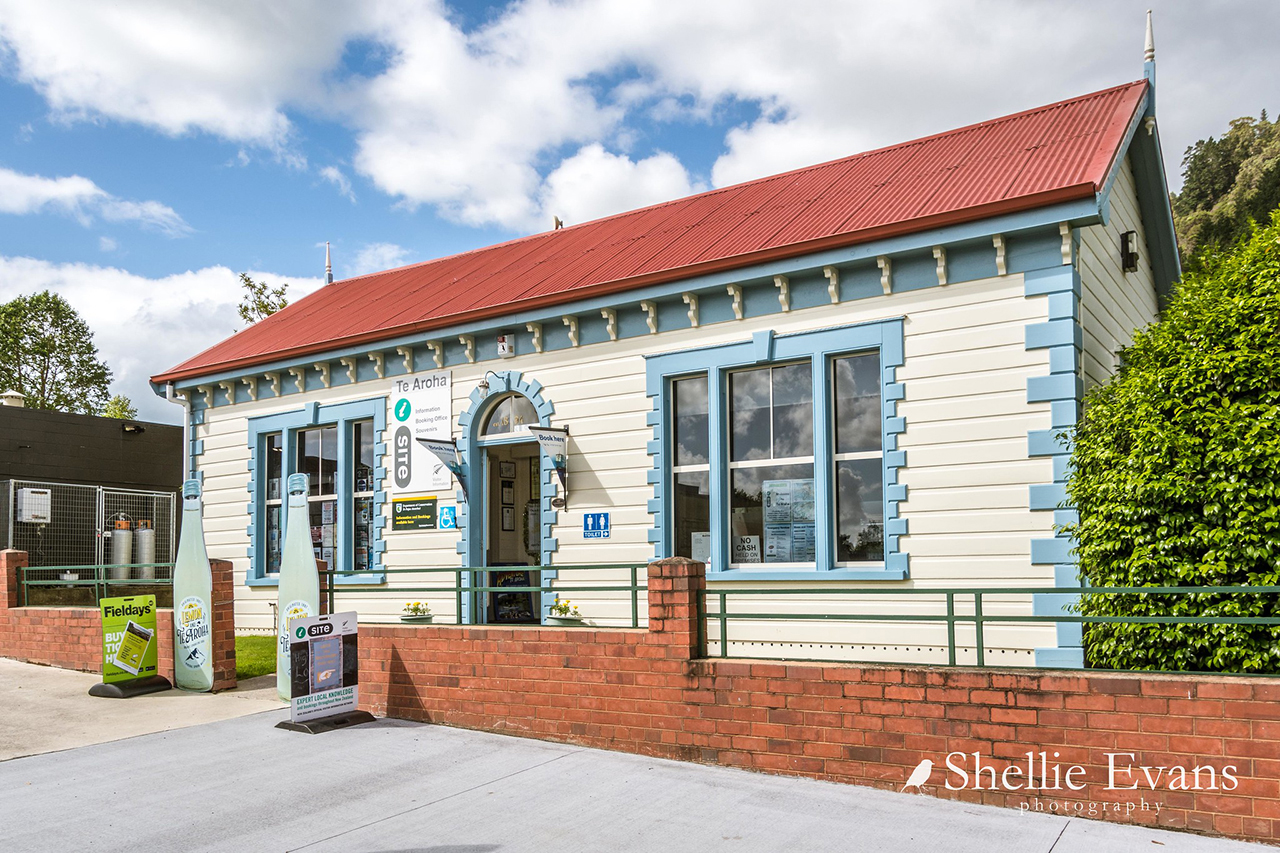
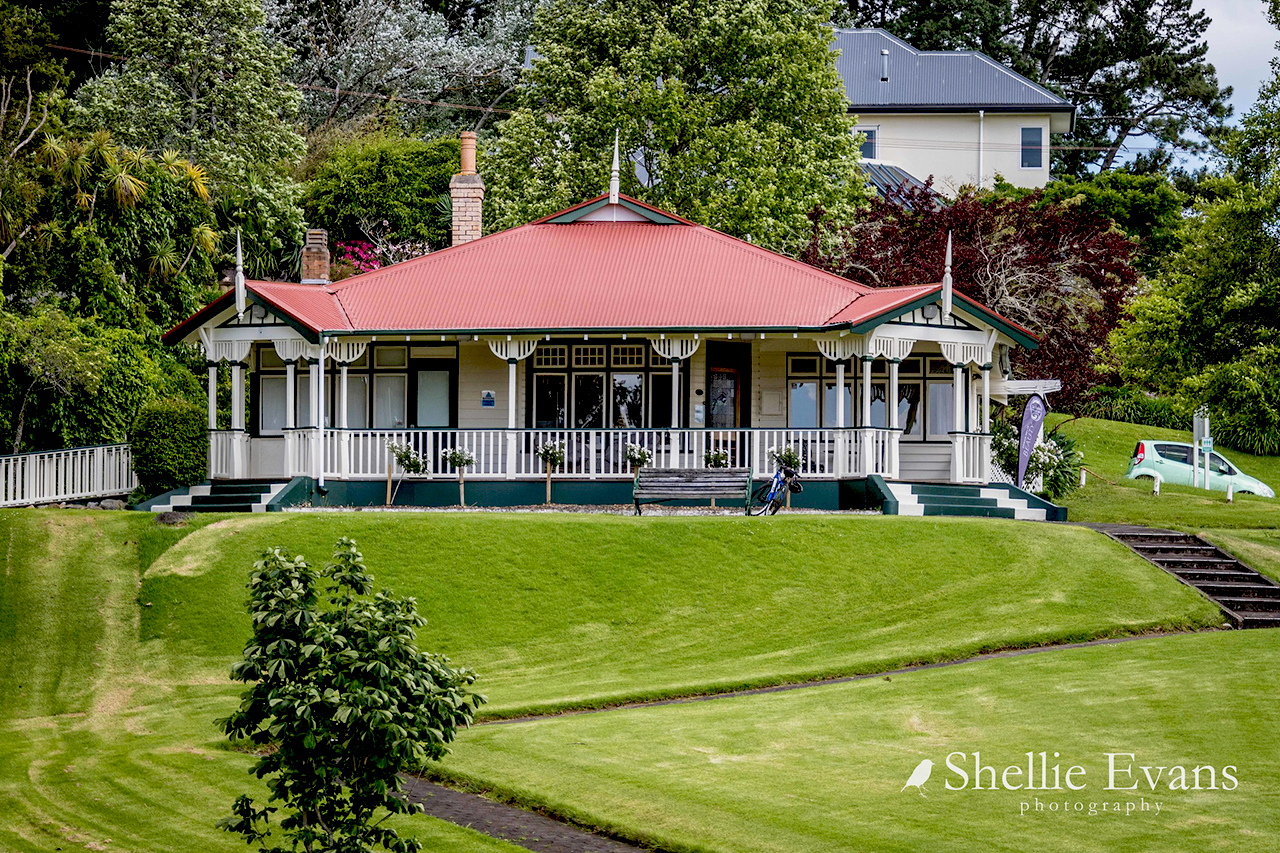
Domain Office (Former), Te Aroha
Domain Office (Former)
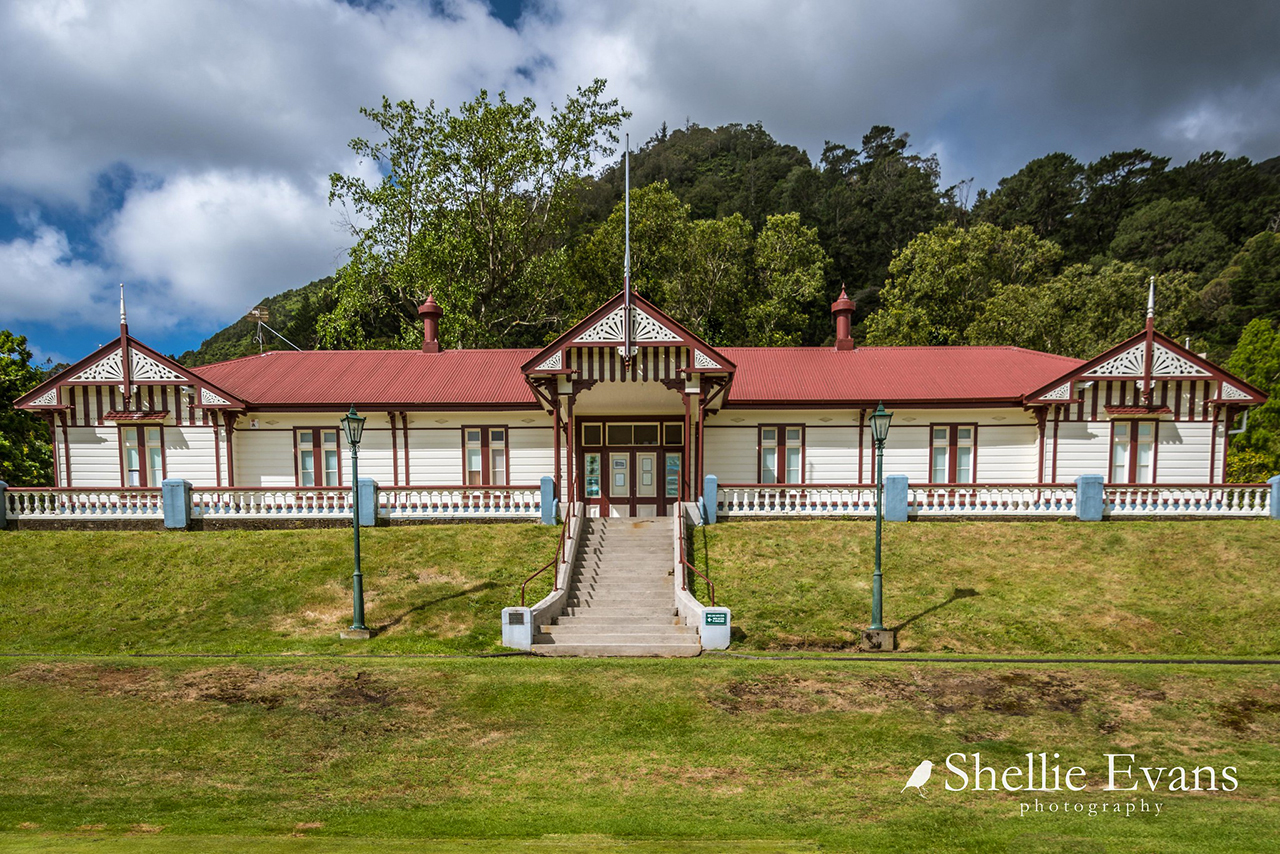
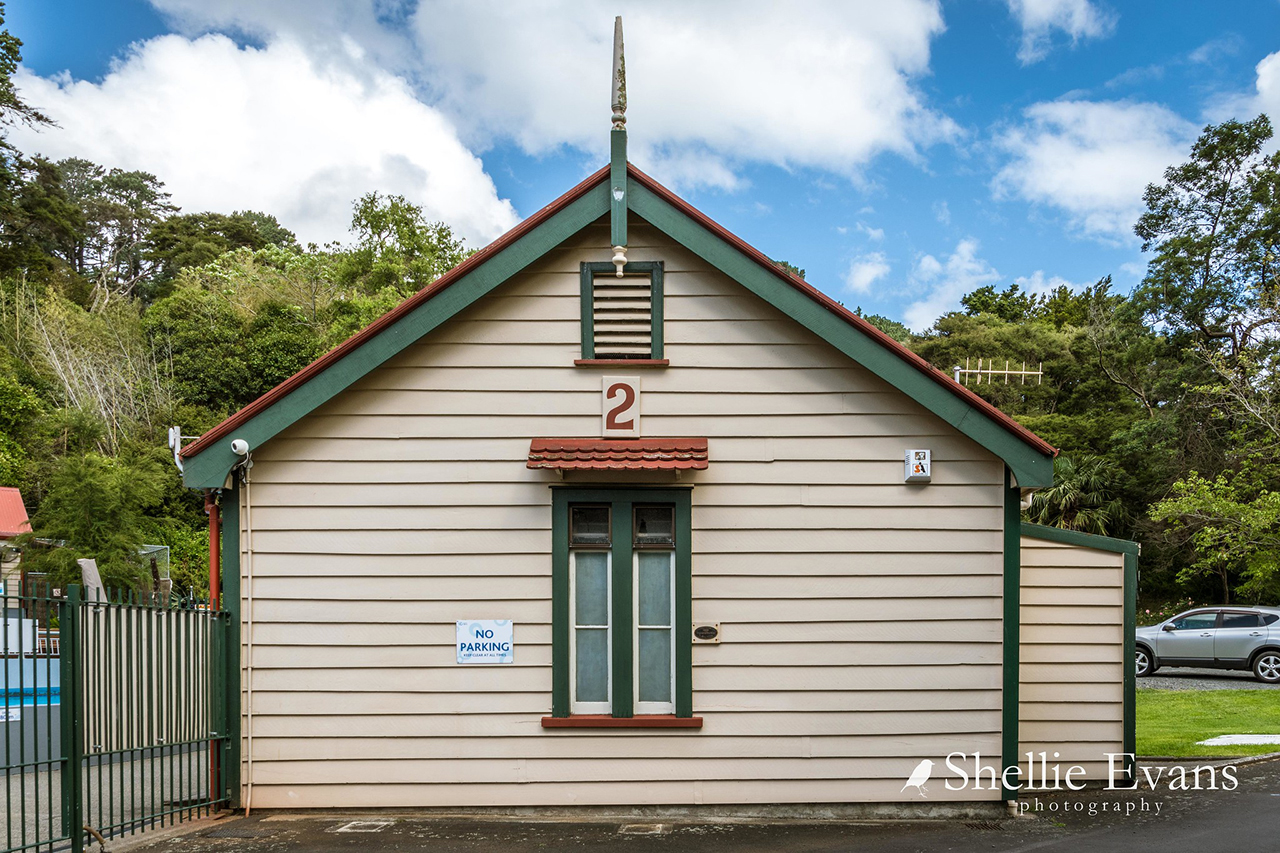
No.2 Bath House, Te Aroha. CC BY-NC-ND 2.0 Image courtesy of www.flickr.com
No 2 Bath House
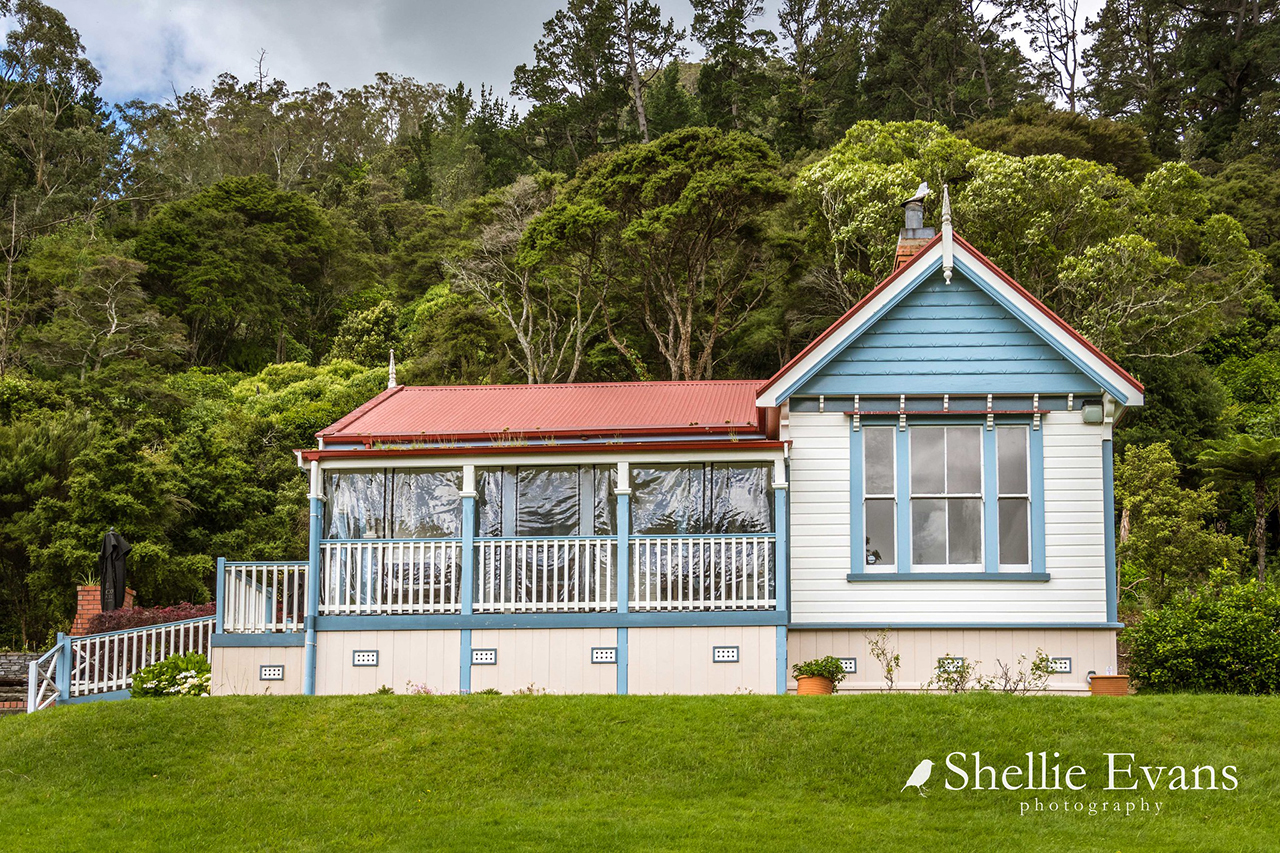
Head Gardener’s Cottage (Former), Te Aroha. CC BY-NC-ND 2.0 Image courtesy of www.flickr.com
Head Gardener’s Cottage (Former)
Tea House, Te Aroha. CC BY-NC-ND 2.0 Image courtesy of www.flickr.com
Tea House
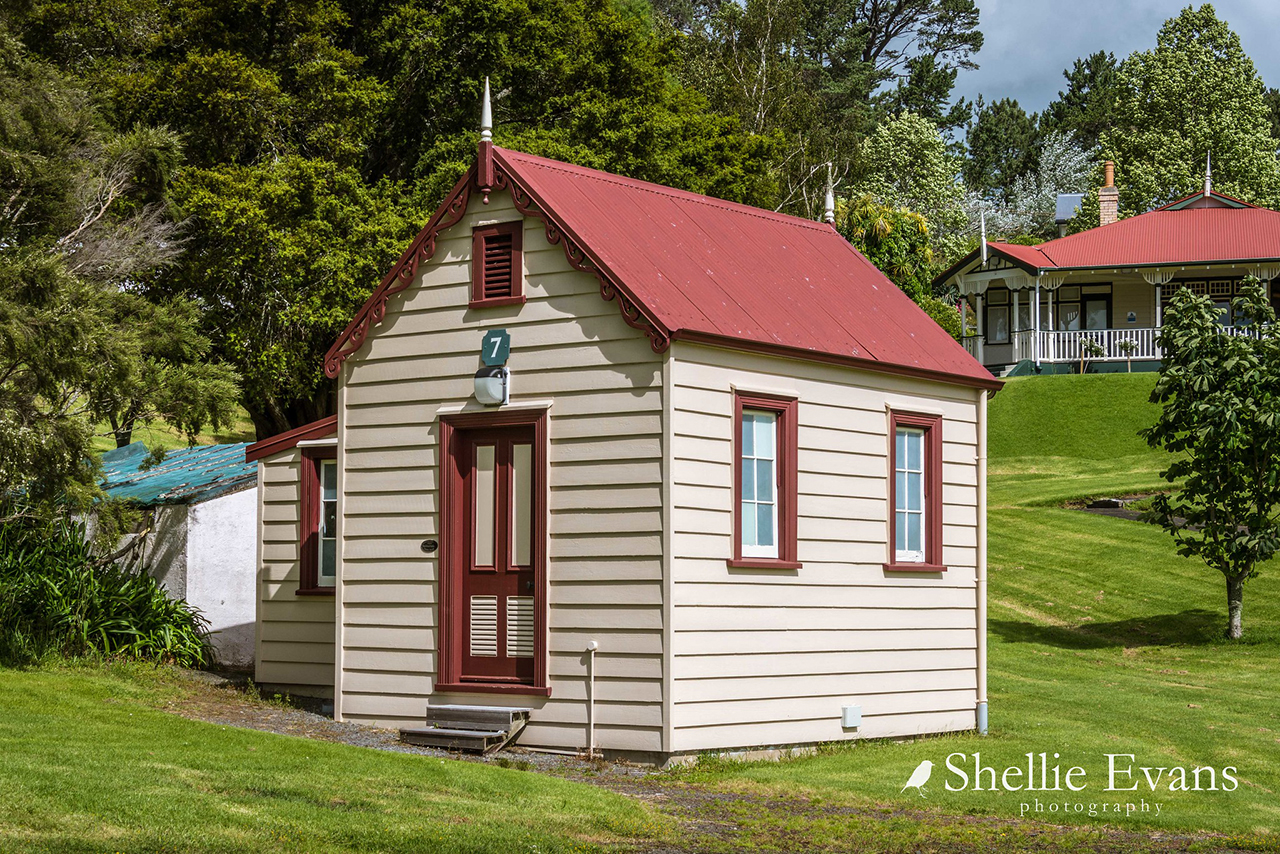
No. 7 Bath House, Te Aroha. CC BY-NC-ND 2.0 Image courtesy of www.flickr.com
No 7 Bath House
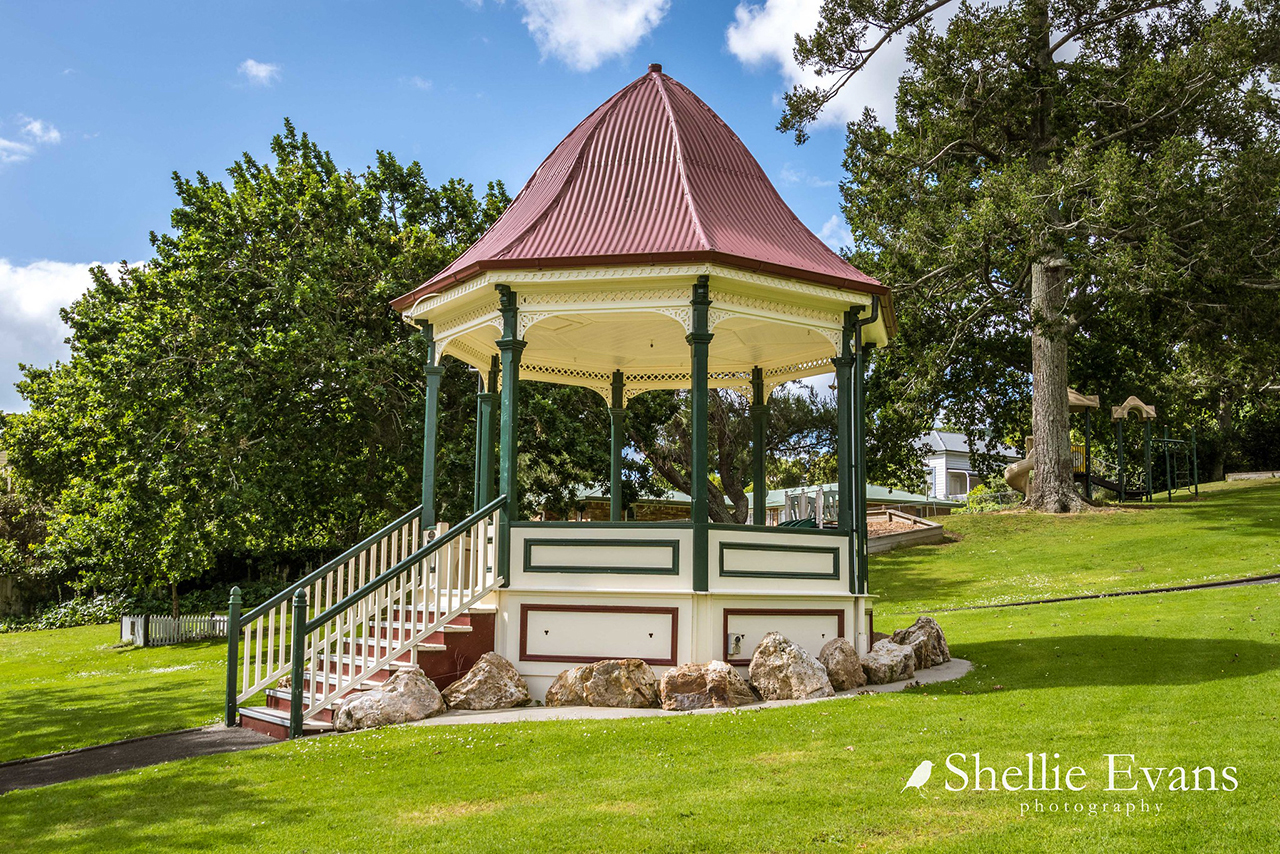
Band Rotunda, Te Aroha. CC BT-NC-ND 2.0 Image courtesy of www.flickr.com
Band Rotunda
Te Aroha Domain Historic Area. Entrance. CC BY-NC-ND 2.0 Image courtesy of www.flickr.com
Te Aroha Hot Springs Historic Area
Tea House, Te Aroha. CC BY-NC-ND 2.0 Image courtesy of www.flickr.com
Tea House
Cadman Bath House (Former), Te Aroha. CC BY-NC-ND 2.0 Image courtesy of www.flickr.com
Cadman Bath House (Former)
No. 7 Bath House, Te Aroha. CC BY-NC-ND 2.0 Image courtesy of www.flickr.com
No 7 Bath House
Domain Office (Former), Te Aroha
Domain Office (Former)
Band Rotunda, Te Aroha. CC BT-NC-ND 2.0 Image courtesy of www.flickr.com
Band Rotunda
No.2 Bath House, Te Aroha. CC BY-NC-ND 2.0 Image courtesy of www.flickr.com
No 2 Bath House
Te Aroha Domain Historic Area. Entrance. CC BY-NC-ND 2.0 Image courtesy of www.flickr.com
Te Aroha Hot Springs Historic Area
Head Gardener’s Cottage (Former), Te Aroha. CC BY-NC-ND 2.0 Image courtesy of www.flickr.com
Head Gardener’s Cottage (Former)
Stay up to date with Heritage this month