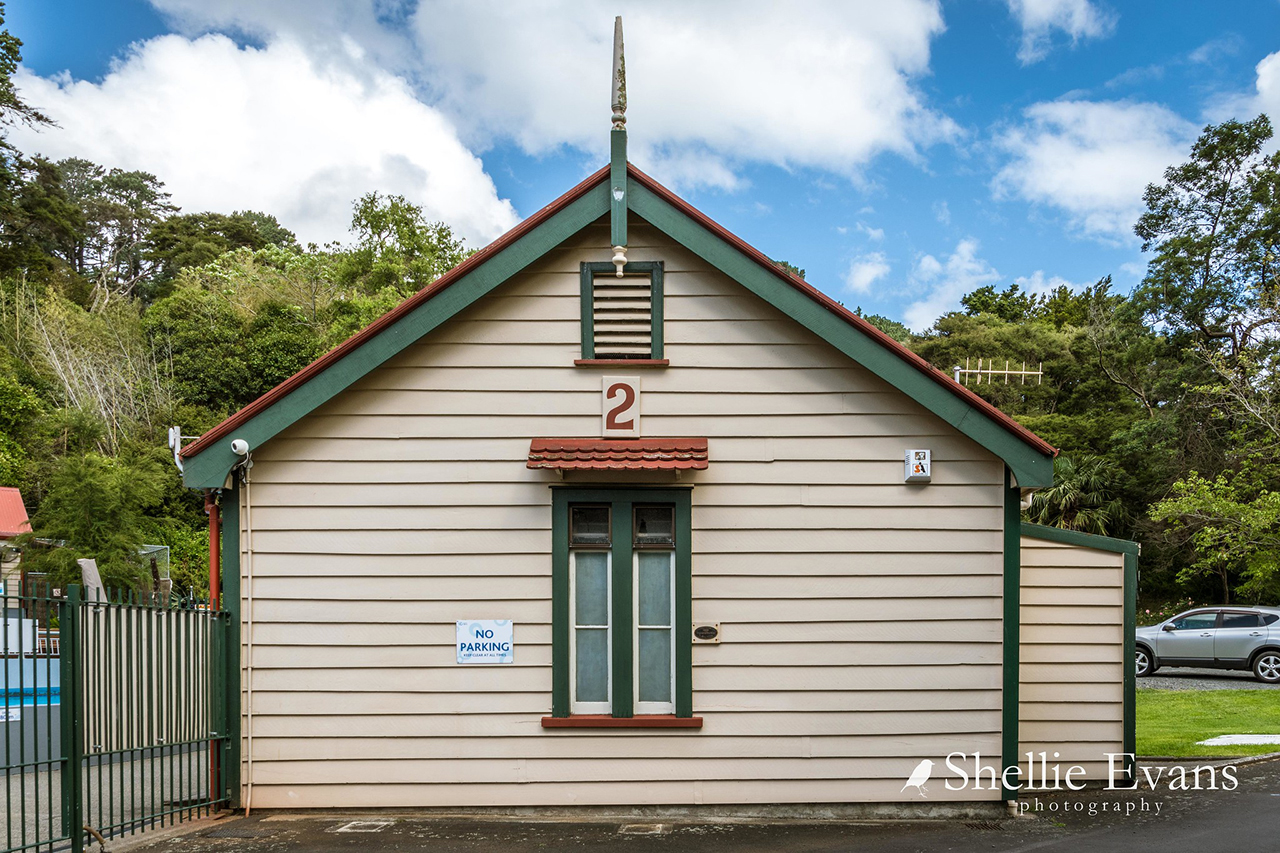
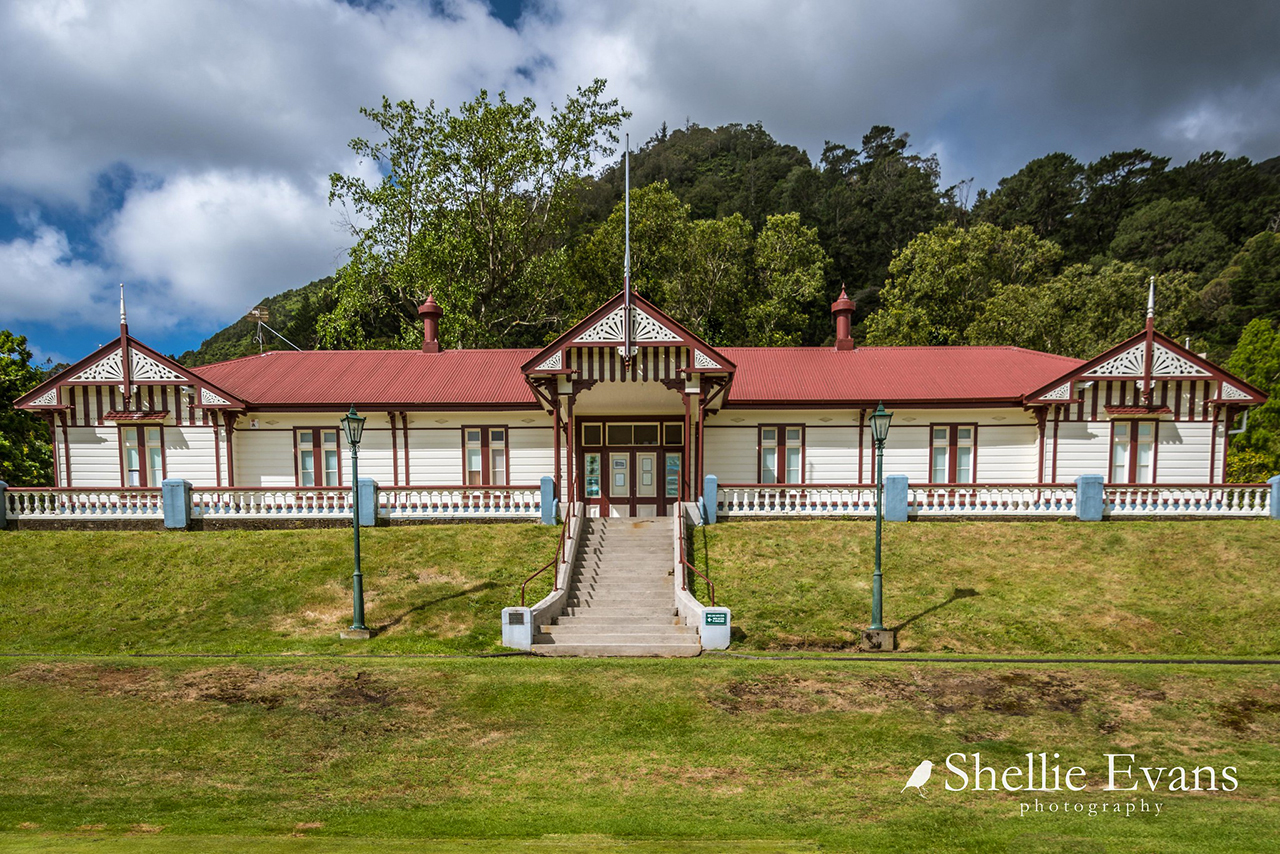
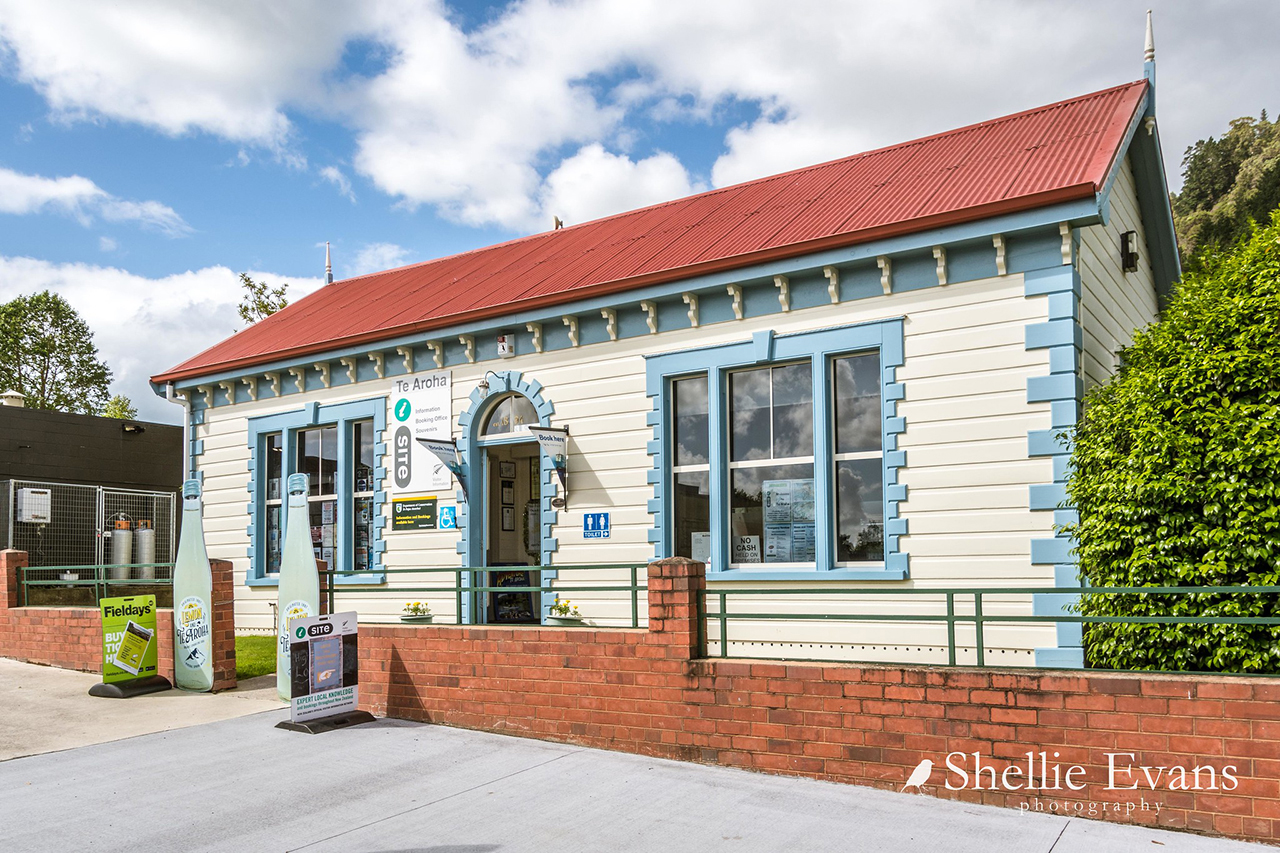
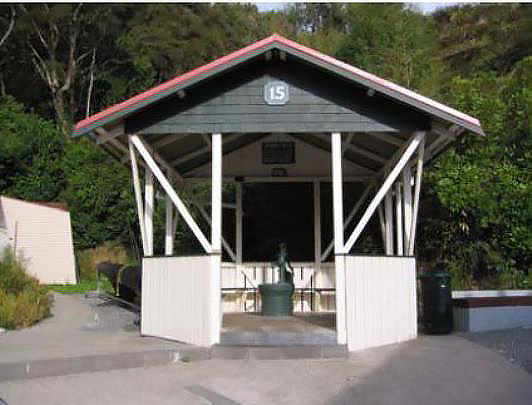
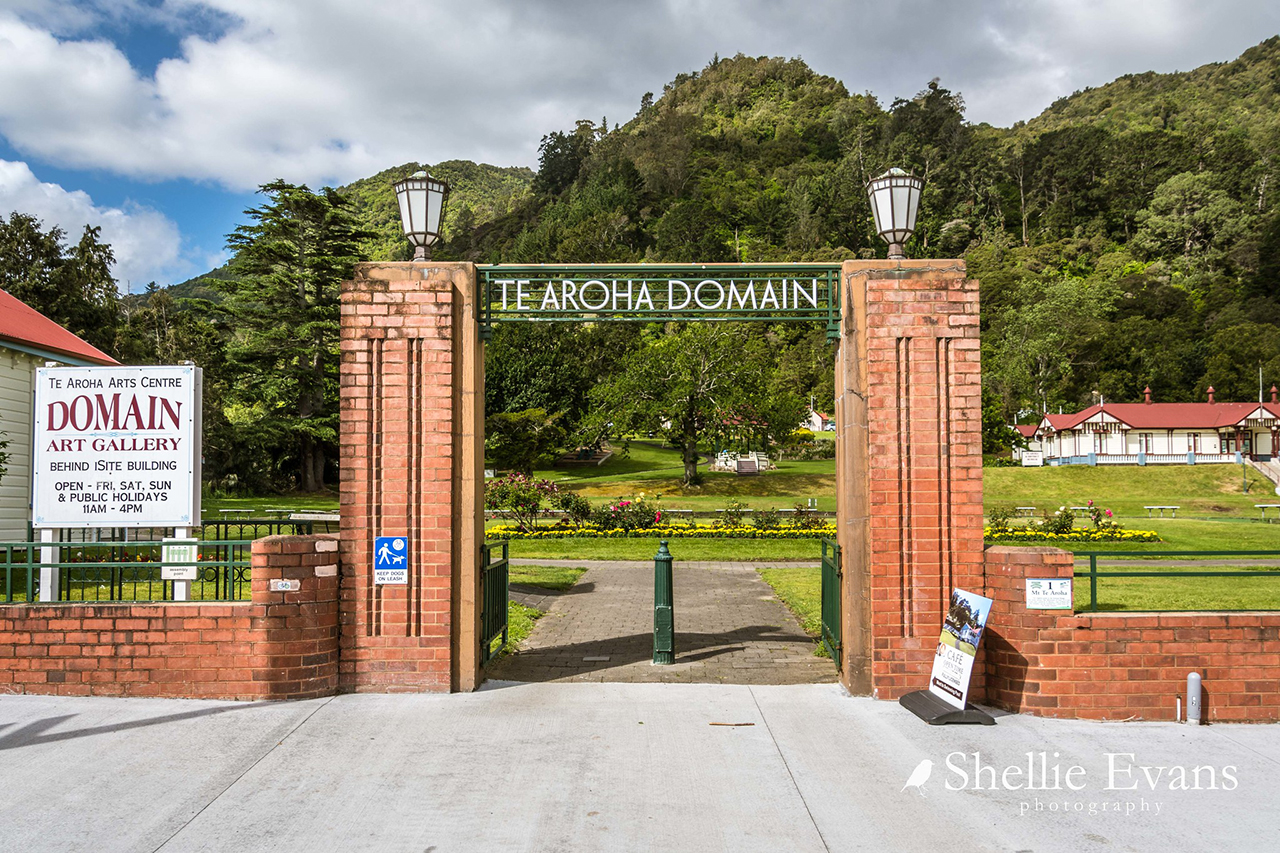
During the late nineteenth and early twentieth centuries, the Hot Springs Domain at Te Aroha was the most popular geothermal resort in New Zealand. The Domain was initially established as a reserve in 1881, incorporating an area of 9.1 hectares (20 acres) on the lower slopes of Mount Te Aroha. The many hot springs in this area lay within the traditional territory of Ngati Rahiri, a hapu of Ngati Maru of Hauraki, and had long been frequented by Maori for their perceived healing qualities. By the late 1870s the site had become a popular destination for Pakeha visitors, with tourist numbers increasing after the discovery of gold on Mount Te Aroha in 1880 and the development of Te Aroha township as a mining settlement. The Domain was acquired by the government soon after the passing of the 1881 Thermal Springs District Act, with local Maori - who had played an instrumental role in initially promoting the resort - retaining the right of free access to the waters. The 1881 Act had been introduced to promote Crown ownership of New Zealand's thermal resources, partly in response to their increasing purchase and commercial exploitation by private entrepreneurs.
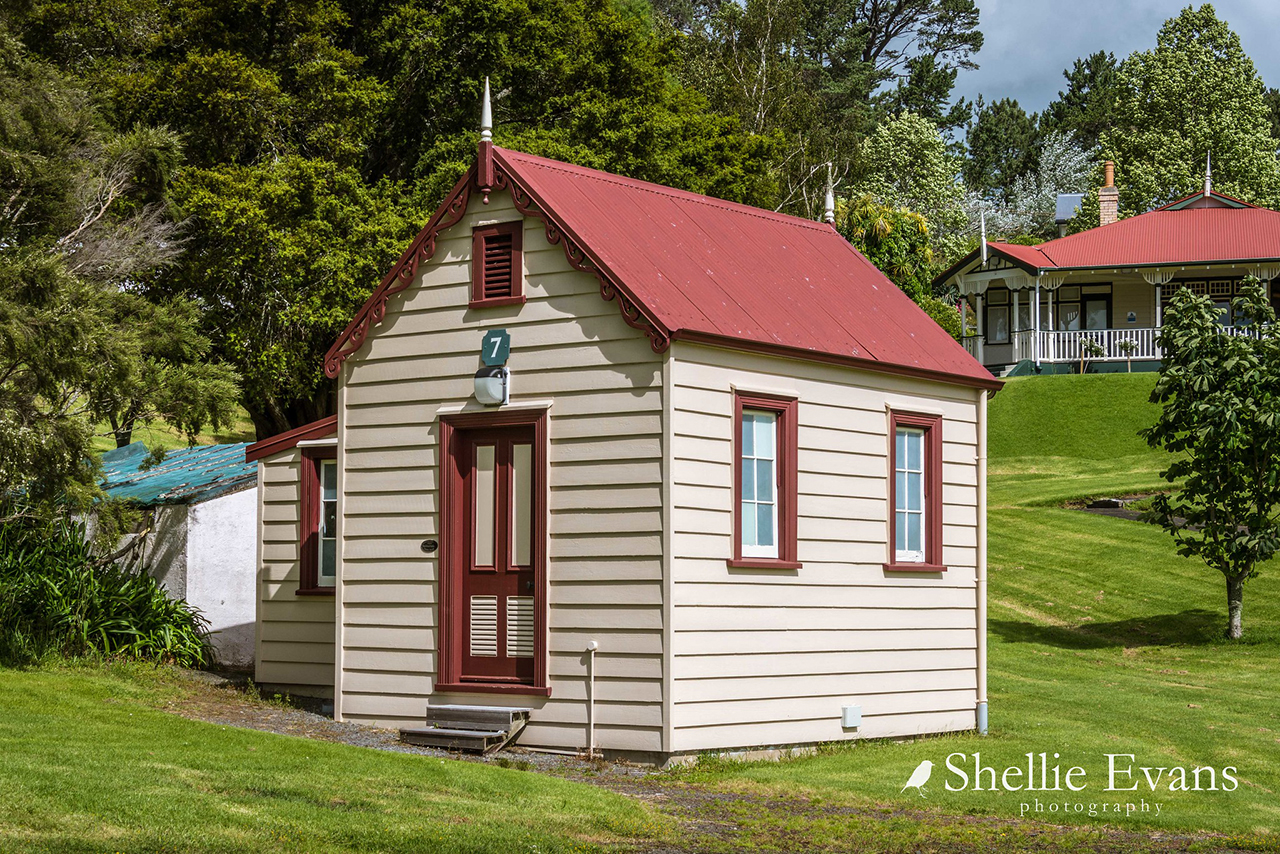
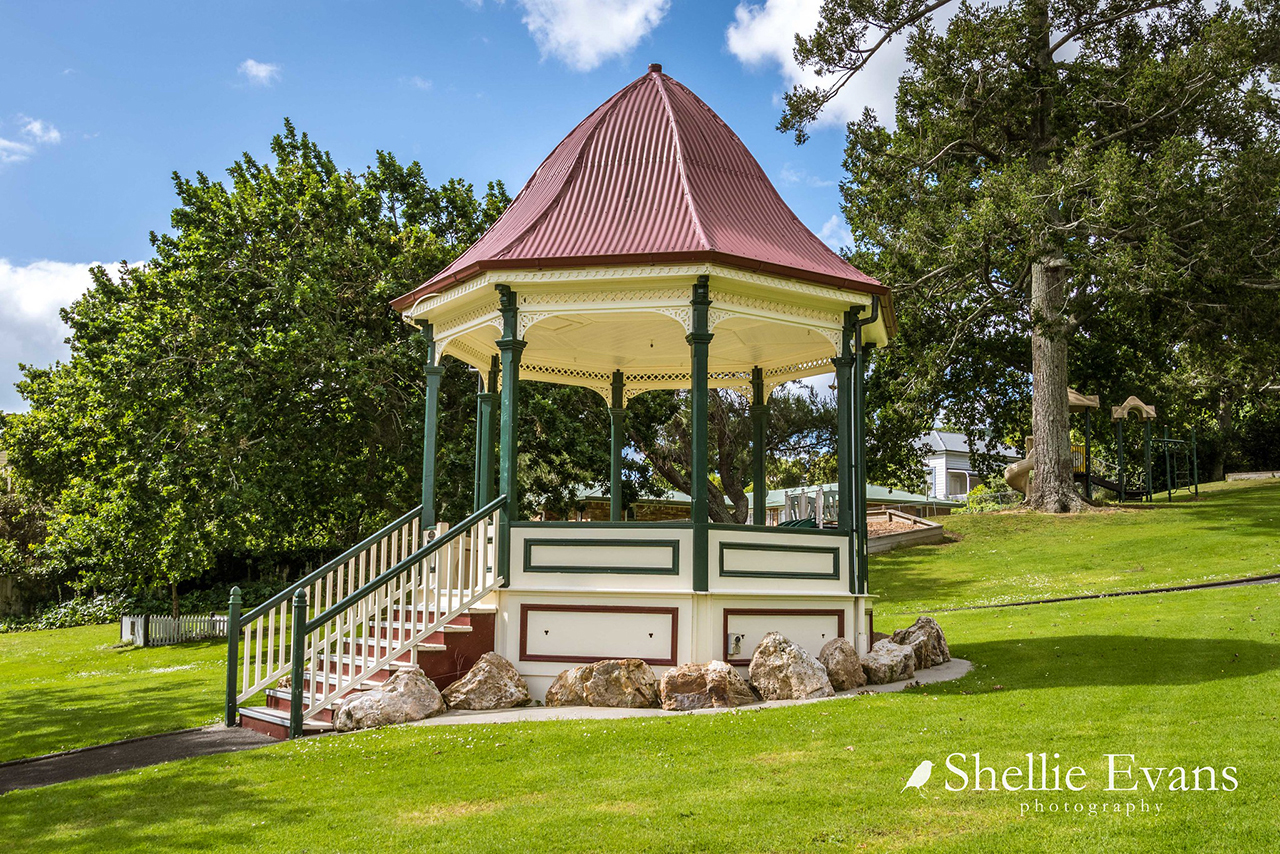
The earliest permanent buildings in the Domain were erected soon after the reserve was brought under the Public Domains Act in 1882, and were overseen by the Te Aroha Hot Springs Board. By 1887, there were seven bath houses and a drinking fountain, with extensive grounds laid out to plans drawn up by Henry Crump, a local engineer and architect. Government money largely financed the development of the facilities, as well as the establishment of a railway from Auckland in 1886. As the centrepiece of the now-burgeoning town of Te Aroha, the spa became the first geothermal resort in the country to receive thousands of visitors on an annual basis. People came to bathe or ingest its waters for health reasons, but also to promenade, listen to music or play genteel forms of sport such as tennis, croquet and bowls. Spas had important associations in nineteenth-century European society as places where the well-to-do could relax and congregate in refined and beautiful surroundings.
Although the health and leisure aspects of the reserve were heavily promoted when it was taken over by the Department of Tourism and Health Resorts in 1903, the facilities went into a slow decline after government funding and visitor attention were steadily drawn to Rotorua. The Domain nevertheless remained an extremely popular destination until after the First World War (1914-1918), and continued in a reduced capacity as a spa thereafter. Following closure of many of its facilities in the 1950s and 1960s, the Domain was transferred to the control of the local council (now Matamata-Piako District Council) in 1979, while formally remaining in Crown ownership.
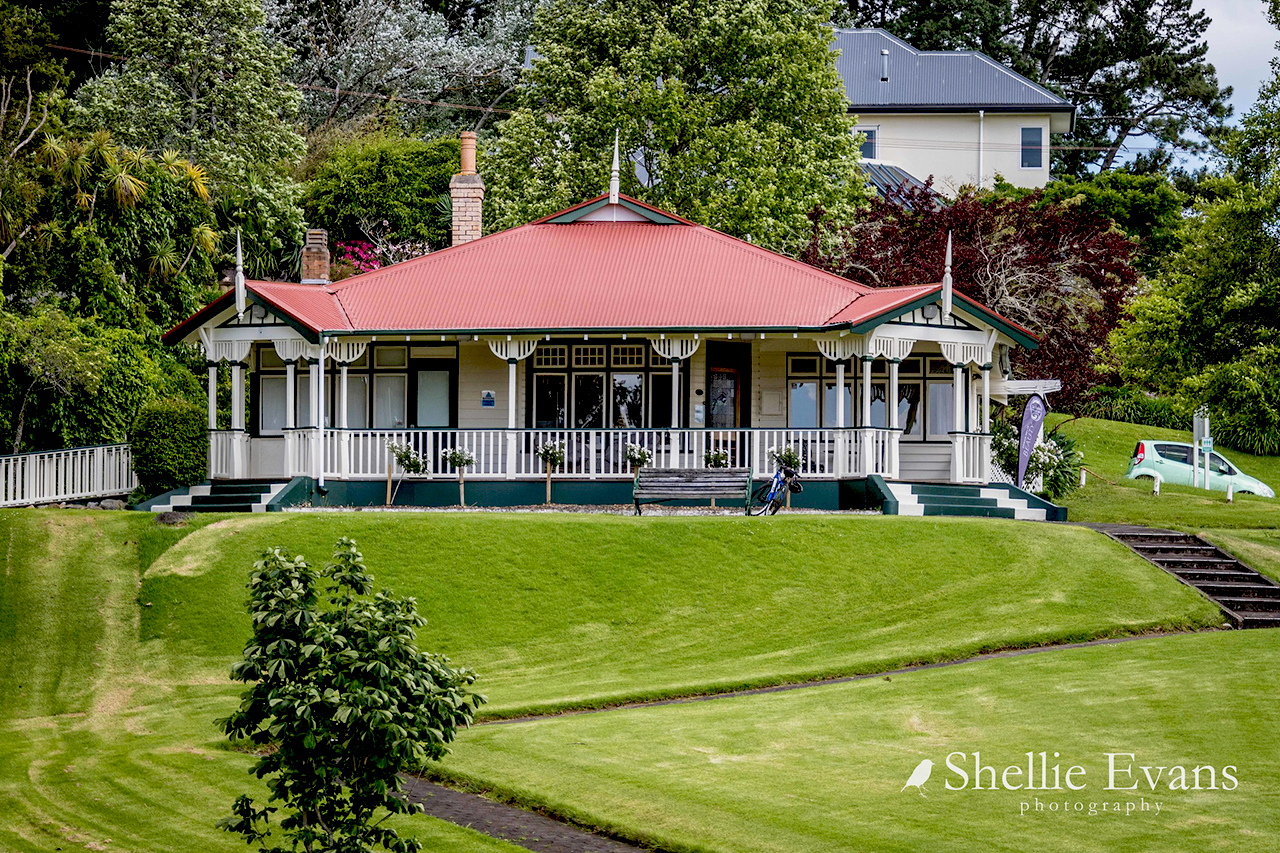
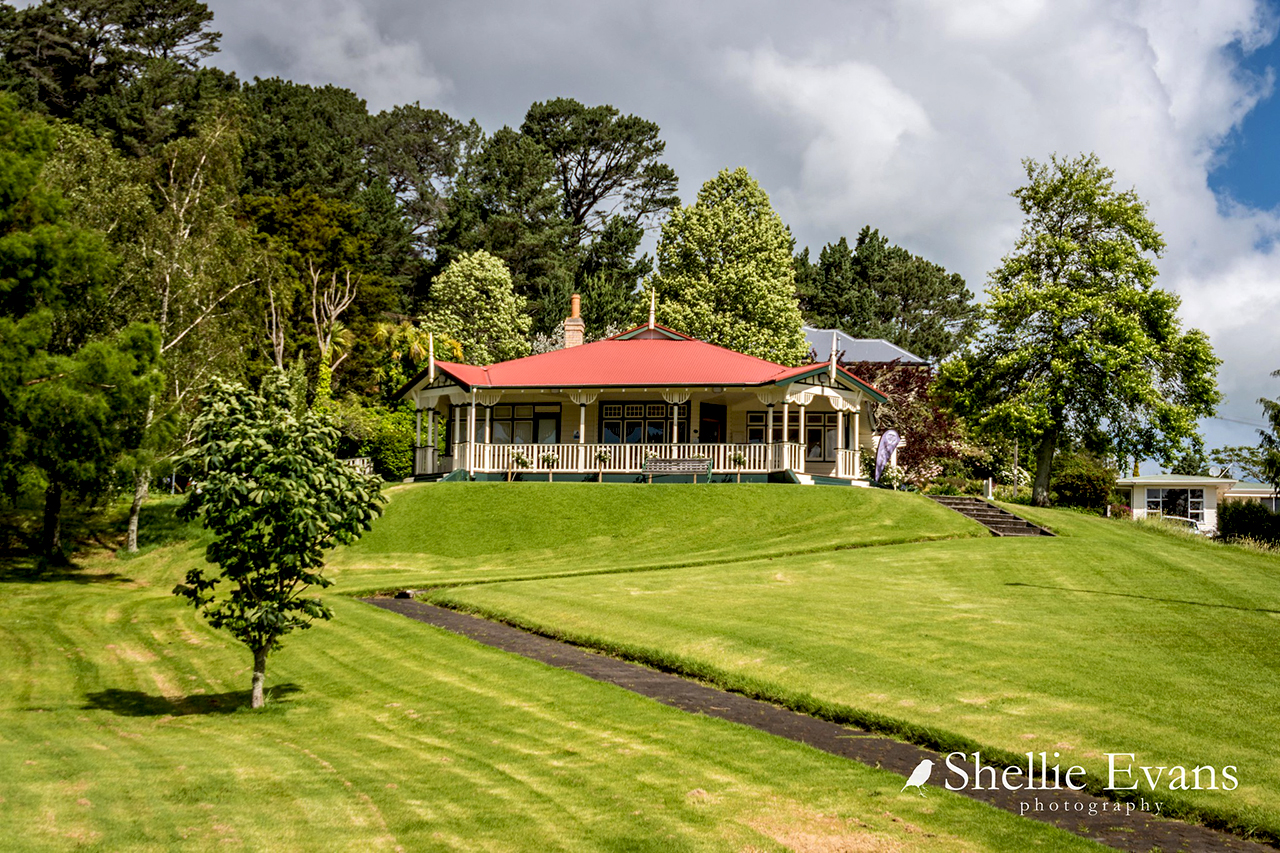
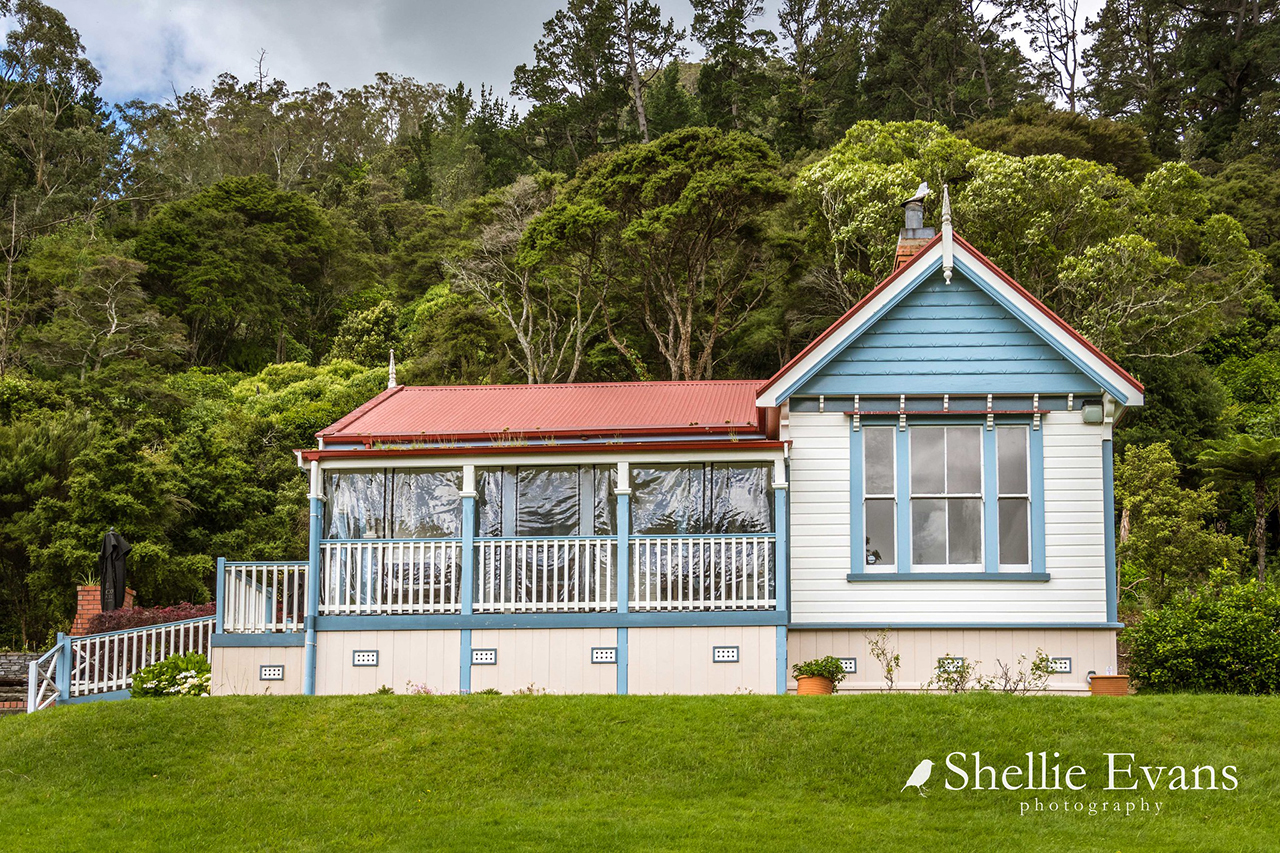
The former Tea House was erected in the latter part of 1908, a few years after the administration of the Domain had passed to the Department of Tourism. It was one of three similar structures built at government spa resorts in the early 1900s, the other two being erected at Rotorua and Hamner Springs. Designed in a similar style, they marked an expansion of the recreational facilities at these resorts, enhancing their popularity as tourist destinations. The Te Aroha Tea House was erected at a cost of £760 by a local contractor, William Dudley, and was opened on 1 December 1908, in time for the 1908-1909 summer season.
The tea house at Te Aroha appears to have been more ornate than those at Rotorua and Hamner Springs, but was similar in its prominent deployment of wide verandahs. Tea rooms grew in popularity during the height of the temperance movement, when abstinence from alcohol was seen as a sign of moral strength, particularly in middle class society. Early managers of the Te Aroha establishment all appear to have been unmarried women, with the role being passed from Miss J. Ryan to Miss Corlett in 1909, and to Miss Winstone in 1914. The serving staff also seem to have been largely or exclusively female. The building provided afternoon teas and ice creams to visitors, and was closed during the winter, when it was often hired out by various clubs and organisations. The establishment was criticised by some local residents as unnecessary and taking away custom from local businesses.
The Te Aroha Tea House proved to be less popular than those at Rotorua or Hamner Springs, possibly because it did not occupy a flat or centrally located site. It was eventually closed down in 1923 and converted into a residence for the Tourist Department's agent at the Domain. At least one side of the verandah was probably closed in at this time and additional rooms inserted. The structure continued to be used for residential purposes into the 1970s, when it was rented out privately. In the early 1980s the building was once again open as tea rooms after the Domain was transferred to the control of the local Council. Further alterations were made during the same decade when the building was converted for restaurant use, and again after a fire in the mid 1990s. The structure is currently vacant.
The earliest permanent buildings in the Domain were erected soon after the reserve was brought under the Public Domains Act in 1882, and were overseen by the Te Aroha Hot Springs Board. By 1887, there were seven bath houses and a drinking fountain, with extensive grounds laid out to plans drawn up by Henry Crump, a local engineer and architect. Government money largely financed the development of the facilities, as well as the establishment of a railway from Auckland in 1886. As the centrepiece of the now-burgeoning town of Te Aroha, the spa became the first geothermal resort in the country to receive thousands of visitors on an annual basis. People came to bathe or ingest its waters for health reasons, but also to promenade, listen to music or play genteel forms of sport such as tennis, croquet and bowls. Spas had important associations in nineteenth-century European society as places where the well-to-do could relax and congregate in refined and beautiful surroundings.
Although the health and leisure aspects of the reserve were heavily promoted when it was taken over by the Department of Tourism and Health Resorts in 1903, the facilities went into a slow decline after government funding and visitor attention were steadily drawn to Rotorua. The Domain nevertheless remained an extremely popular destination until after the First World War (1914-1918), and continued in a reduced capacity as a spa thereafter. Following closure of many of its facilities in the 1950s and 1960s, the Domain was transferred to the control of the local council (now Matamata-Piako District Council) in 1979, while formally remaining in Crown ownership.
The former Tea House was erected in the latter part of 1908, a few years after the administration of the Domain had passed to the Department of Tourism. It was one of three similar structures built at government spa resorts in the early 1900s, the other two being erected at Rotorua and Hamner Springs. Designed in a similar style, they marked an expansion of the recreational facilities at these resorts, enhancing their popularity as tourist destinations. The Te Aroha Tea House was erected at a cost of £760 by a local contractor, William Dudley, and was opened on 1 December 1908, in time for the 1908-1909 summer season.
The tea house at Te Aroha appears to have been more ornate than those at Rotorua and Hamner Springs, but was similar in its prominent deployment of wide verandahs. Tea rooms grew in popularity during the height of the temperance movement, when abstinence from alcohol was seen as a sign of moral strength, particularly in middle class society. Early managers of the Te Aroha establishment all appear to have been unmarried women, with the role being passed from Miss J. Ryan to Miss Corlett in 1909, and to Miss Winstone in 1914. The serving staff also seem to have been largely or exclusively female. The building provided afternoon teas and ice creams to visitors, and was closed during the winter, when it was often hired out by various clubs and organisations. The establishment was criticised by some local residents as unnecessary and taking away custom from local businesses.
The Te Aroha Tea House proved to be less popular than those at Rotorua or Hamner Springs, possibly because it did not occupy a flat or centrally located site. It was eventually closed down in 1923 and converted into a residence for the Tourist Department's agent at the Domain. At least one side of the verandah was probably closed in at this time and additional rooms inserted. The structure continued to be used for residential purposes into the 1970s, when it was rented out privately. In the early 1980s the building was once again open as tea rooms after the Domain was transferred to the control of the local Council. Further alterations were made during the same decade when the building was converted for restaurant use, and again after a fire in the mid 1990s. The structure is currently vacant.