DonateMembershipVisit Heritage
  • Tūrangawaewae
    Places
  • Tira Māori
    Māori Heritage
  • Poutairangahia
    Archaeology
  • Rauemi
    Resources
  • Mō Tātou
    About Us
  • New Zealand Heritage List
  • Nominate and submit
  • Explore the List
  • National Historic Landmarks
  • Plaques
  • Rainbow List Project
  • Lost heritage
  • Visit Heritage
  • Our properties
  • Turnbull House Project
  • Collections
  • Shop
  • Tohu Whenua
  • Tira Māori
  • Conserving Māori heritage
  • Marae built heritage
  • Māori heritage on the List
  • Hinemihi—Te Hokinga Mai
  • What is archaeology?
  • Is there a site on my property?
  • What are my legal requirements?
  • Affecting an archaeological site
  • Declaring an archaeological site
  • Archaeology FAQs
  • Archaeology Digital Library
  • Archaeology guidelines and templates
  • Resources
  • Funding
  • Publications
  • Sustainable management guides
  • Disaster recovery
  • Podcasts & digital resources
  • Education Hub
  • Conservation plans
  • About
  • Board
  • Māori Heritage Council
  • Senior Staff
  • Offices
  • Contact us
  • Careers
  • Covenants
  • Fast-track
  • Corporate documents
  • Currently consulting on
  • Our submissions
  • News
  • Covid-19 response
Quick links
Rārangi Kōrero | The List
Explore the List
National Historic Landmarks
Ngā Manawhenua o Aotearoa me ōna Kōrero Tūturu
Quick links
Tapuwae
A Vision for Places of Māori Heritage
Funding for Māori Heritage
Resources
Quick links
Archaeological Authority Portal
Applying for an archaeological authority
Archaeology FAQs
Browse the most frequently asked questions about archaeological authorities and the archaeological process.
Quick links
Quick links
News
News Keep up to date with Heritage New Zealand Pouhere Taonga
Membership
Membership Find out more and sign up today
DonateMembershipVisit Heritage
  • Tūrangawaewae
    Places
  • Tira Māori
    Māori Heritage
  • Poutairangahia
    Archaeology
  • Rauemi
    Resources
  • Mō Tātou
    About Us
  • New Zealand Heritage List
  • Nominate and submit
  • Explore the List
  • National Historic Landmarks
  • Plaques
  • Rainbow List Project
  • Lost heritage
  • Visit Heritage
  • Our properties
  • Turnbull House Project
  • Collections
  • Shop
  • Tohu Whenua
  • Tira Māori
  • Conserving Māori heritage
  • Marae built heritage
  • Māori heritage on the List
  • Hinemihi—Te Hokinga Mai
  • What is archaeology?
  • Is there a site on my property?
  • What are my legal requirements?
  • Affecting an archaeological site
  • Declaring an archaeological site
  • Archaeology FAQs
  • Archaeology Digital Library
  • Archaeology guidelines and templates
  • Resources
  • Funding
  • Publications
  • Sustainable management guides
  • Disaster recovery
  • Podcasts & digital resources
  • Education Hub
  • Conservation plans
  • About
  • Board
  • Māori Heritage Council
  • Senior Staff
  • Offices
  • Contact us
  • Careers
  • Covenants
  • Fast-track
  • Corporate documents
  • Currently consulting on
  • Our submissions
  • News
  • Covid-19 response
Quick links
Rārangi Kōrero | The List
Explore the List
National Historic Landmarks
Ngā Manawhenua o Aotearoa me ōna Kōrero Tūturu
Quick links
Tapuwae
A Vision for Places of Māori Heritage
Funding for Māori Heritage
Resources
Quick links
Archaeological Authority Portal
Applying for an archaeological authority
Archaeology FAQs
Browse the most frequently asked questions about archaeological authorities and the archaeological process.
Quick links
Quick links
News
News Keep up to date with Heritage New Zealand Pouhere Taonga
Membership
Membership Find out more and sign up today
  • Nominate and submit
  • National Historic Landmarks
  • Nominate and submit
  • National Historic Landmarks
  • Conserving Māori heritage
  • Marae built heritage
  • Conserving Māori heritage
  • Marae built heritage
  • Archaeological authorities
  • Archaeology Digital Library
  • Archaeological authorities
  • Archaeology Digital Library
  • All resources
  • Publications
  • Funding
  • All resources
  • Publications
  • Funding
  • FAQs
  • FAQs
Follow us on:
Places
  • Nominate and submit
  • National Historic Landmarks
Tira Māori
  • Conserving Māori heritage
  • Marae built heritage
Archaeology
  • Archaeological authorities
  • Archaeology Digital Library
Resources
  • All resources
  • Publications
  • Funding
FAQs
  • FAQs
Follow us on
HomePrivacyTerms and conditionsAbout this site
© Heritage New Zealand Pouhere Taonga 2026.
 
Te Aroha Hot Springs Historic Area

76-102 Whitaker Street, 12-18 Wilson Street, and 5B, 5C, 5D and 11B Boundary Street, TE AROHA

Public

Historic Area

List No. 7012

Quick links:
List GalleryLocationDetails
Te Aroha Hot Springs was one of the main health spas to be developed in New Zealand at the end of the nineteenth century for tourists. It was at its peak of popularity in the 1880's and 1890's with its mineral waters being compared to those of famous nineteenth Century European spas.

Main European settlement in the town started with the discovery of gold in the 1880's. Two primitive structures sunk around 1880 became the first baths on the domain and as Te Aroha's reputation as a "spa town" grew new hotels and boarding houses were opened to accommodate people coming to recuperate or receive treatments. Transportation to the resort was via a coach service (from 1881) or rail (from 1886).

From 1883 the first permanent bathhouses were being constructed and just four years later there were seven bathhouses, a drinking fountain, extensive fencing, drainage systems and planting established. Recreational areas were also developed for outdoor sports. Up until 1902 Te Aroha was the most popular and most lucrative of the three government sanatoria. People came to sample the therapeutic and curative qualities of the baths, massage facilities, aortal treatment (graduated hill climbing up to Bald Spur) for heart disease and drink the mineral waters. Ingesting the water was believed to be a cure for gout, anaemia and dyspepsia as well as being a good laxative and diuretic. In 1886 water from Spring 8 and 15 was bottled and sold.

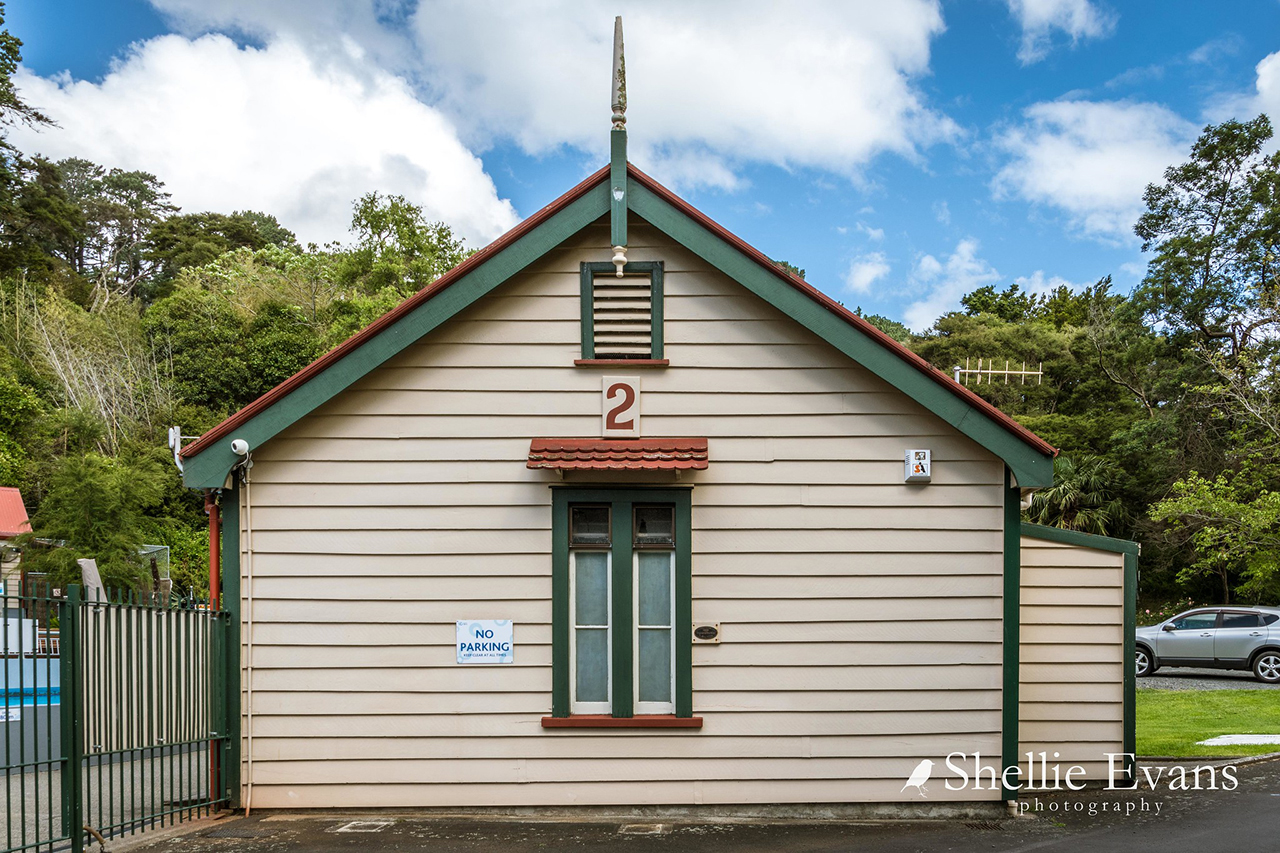
Up until 1902 Te Aroha grew in popularity and in size. In 1903 the Department of Tourist and Health Resorts took over control of the Domain and the Domain Board was dismantled. From this time on the popularity of the Te Aroha baths began to decline as government funding and the tourists attention became increasingly drawn to Rotorua. From the 1930's onward Te Aroha experienced financial losses and by the 1950's a number of the original springs were closed. In many ways, 1961 saw the end of the original Te Aroha Spa. In that year the Cadman baths were closed, the cold water swimming pool was filled in and now it is a popular park and picnic area with a modern spa area, original No 2 bathhouse and the Museum (former Cadman Building).
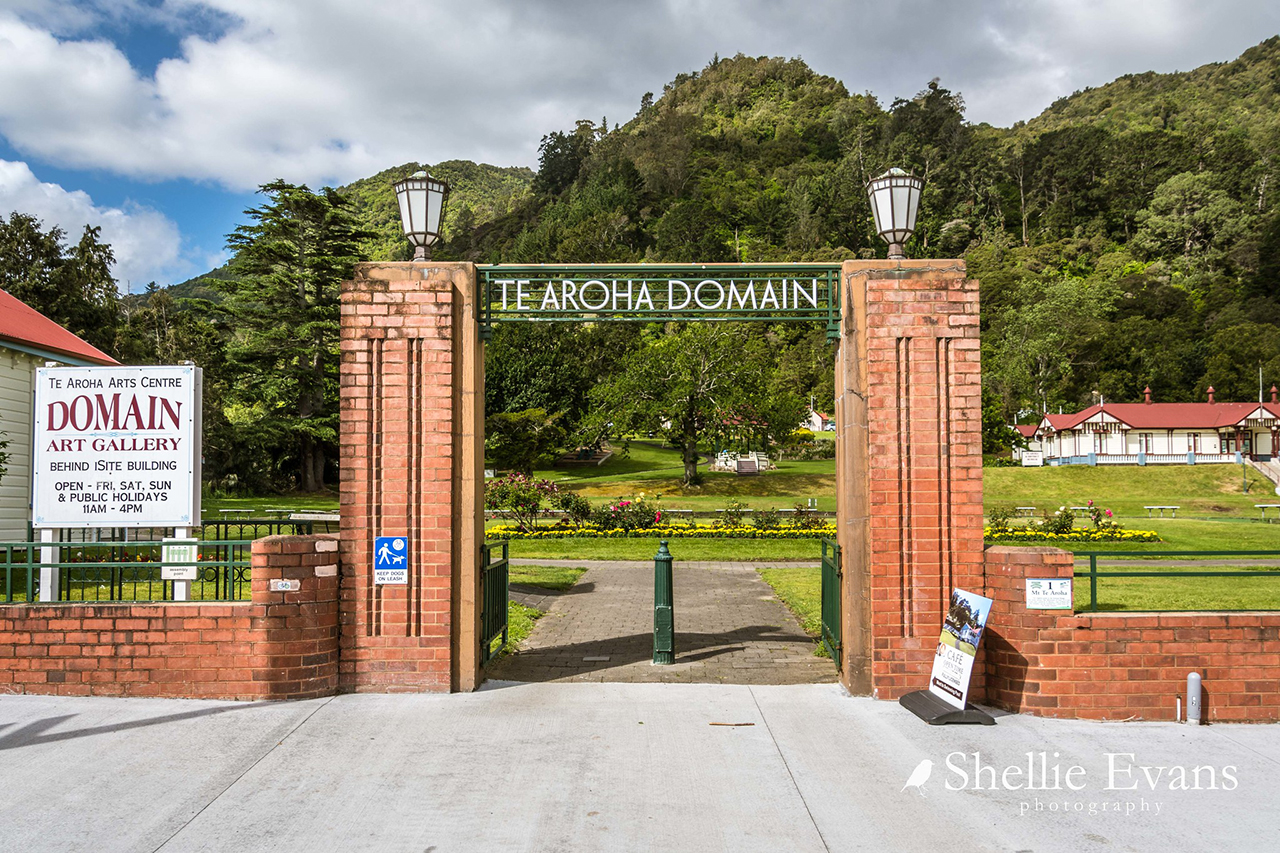
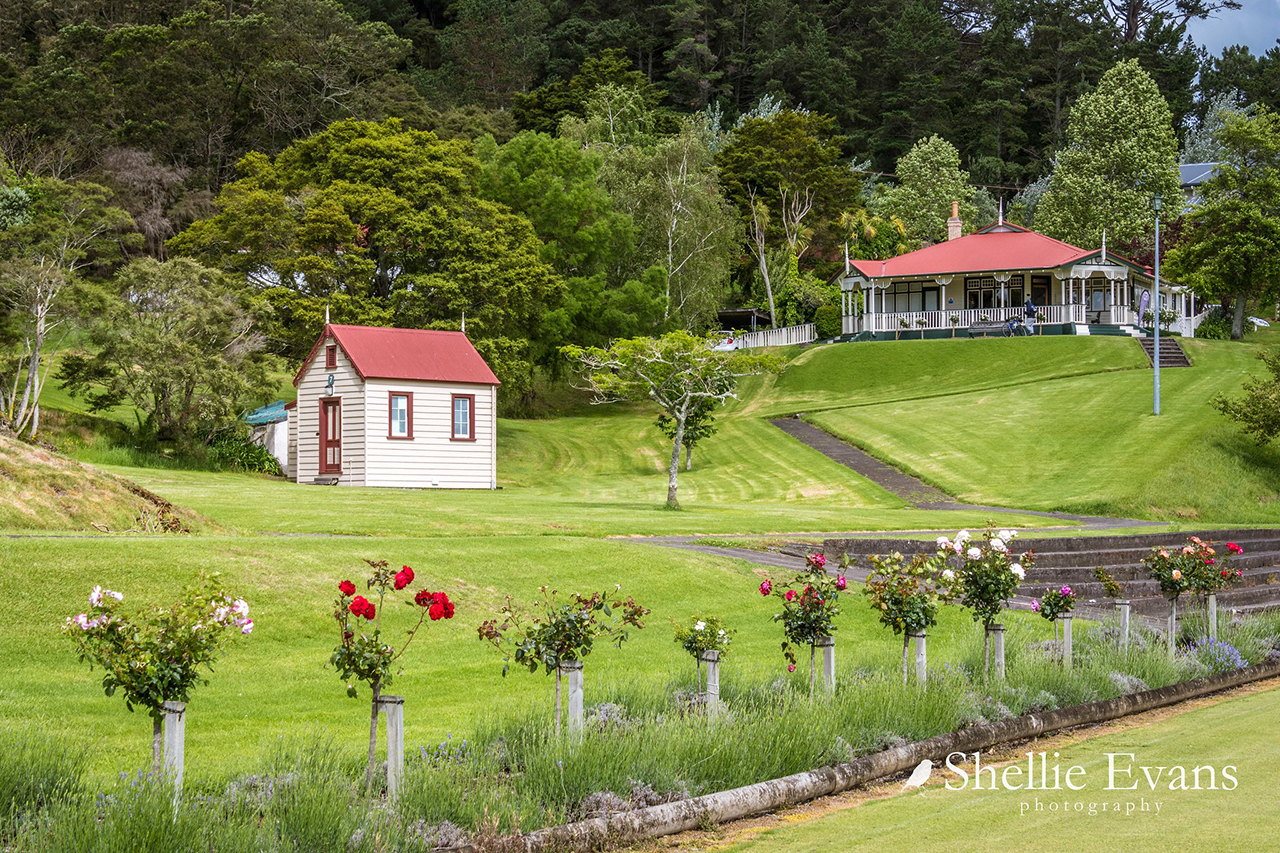
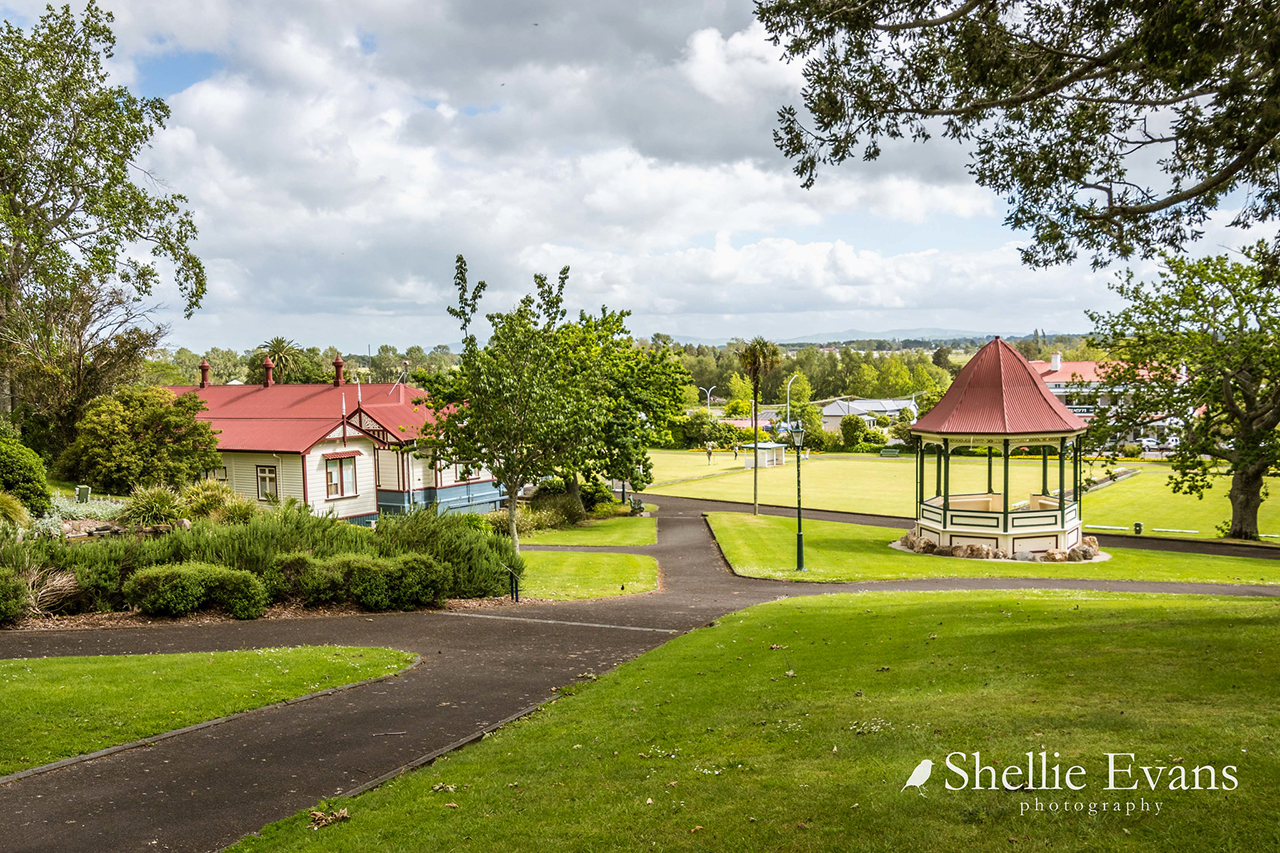
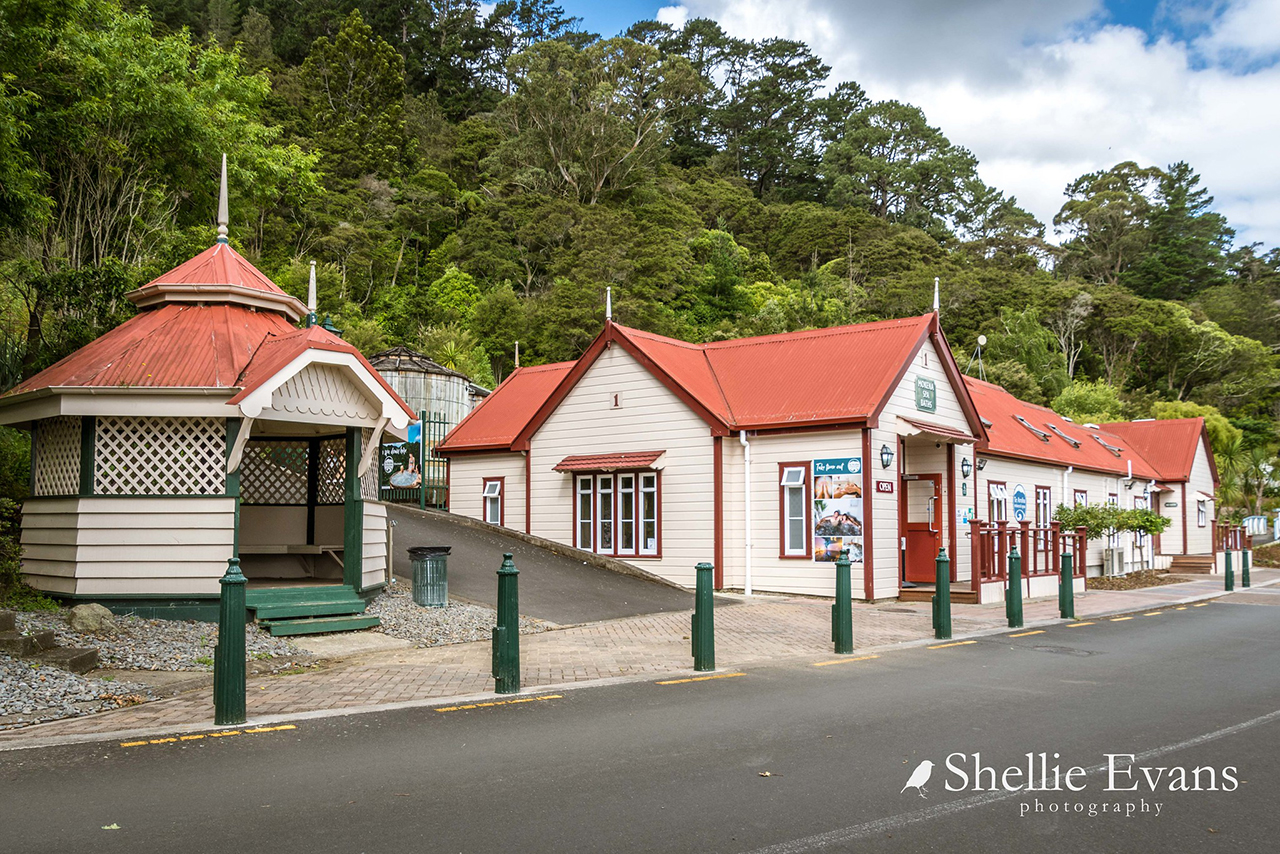
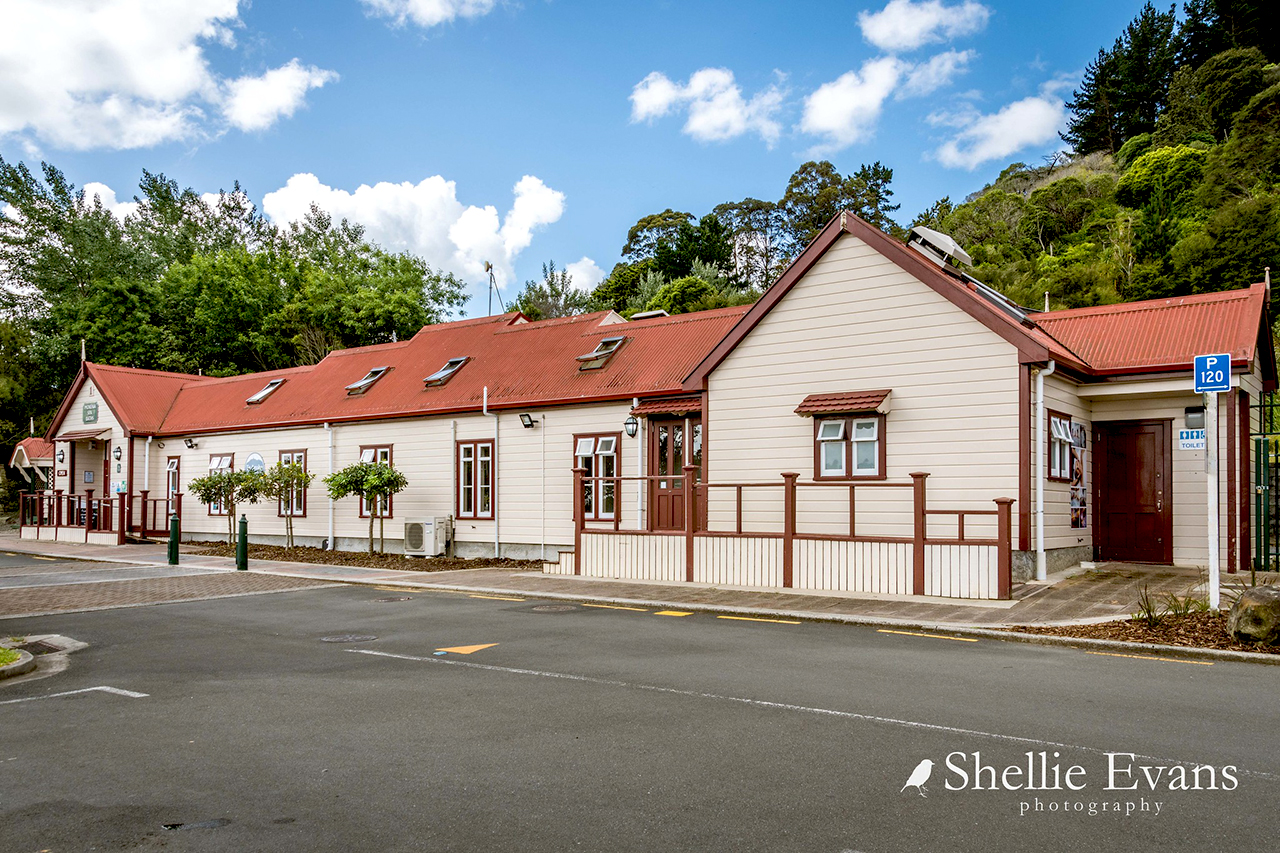
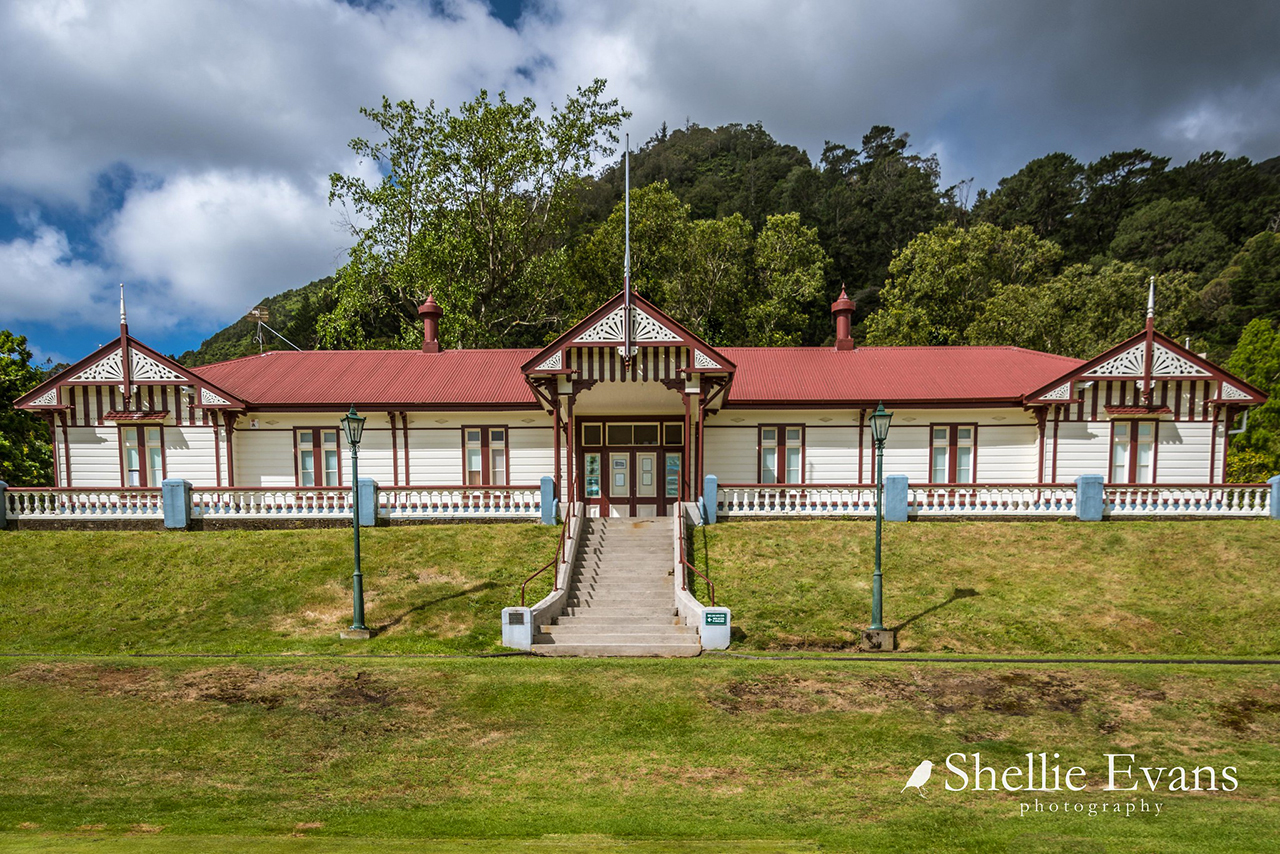
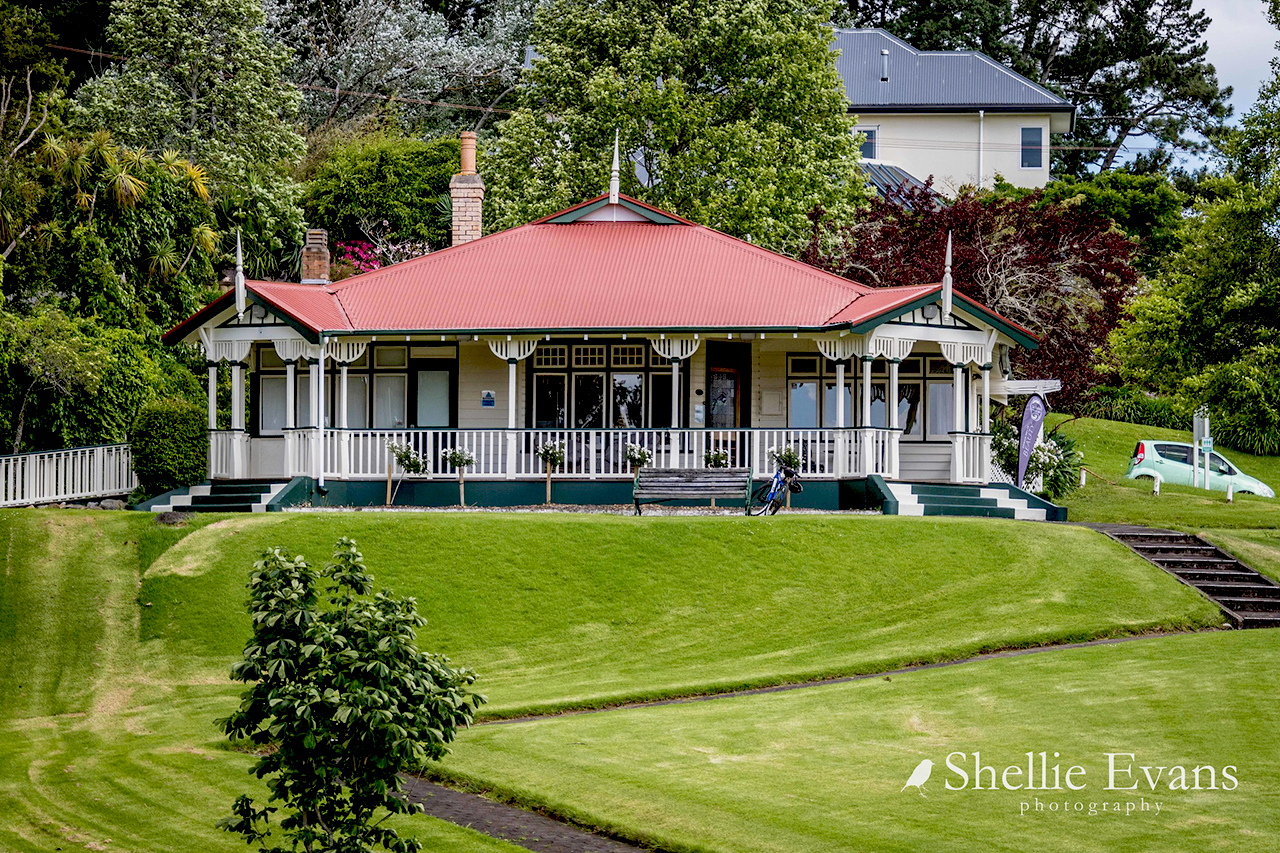
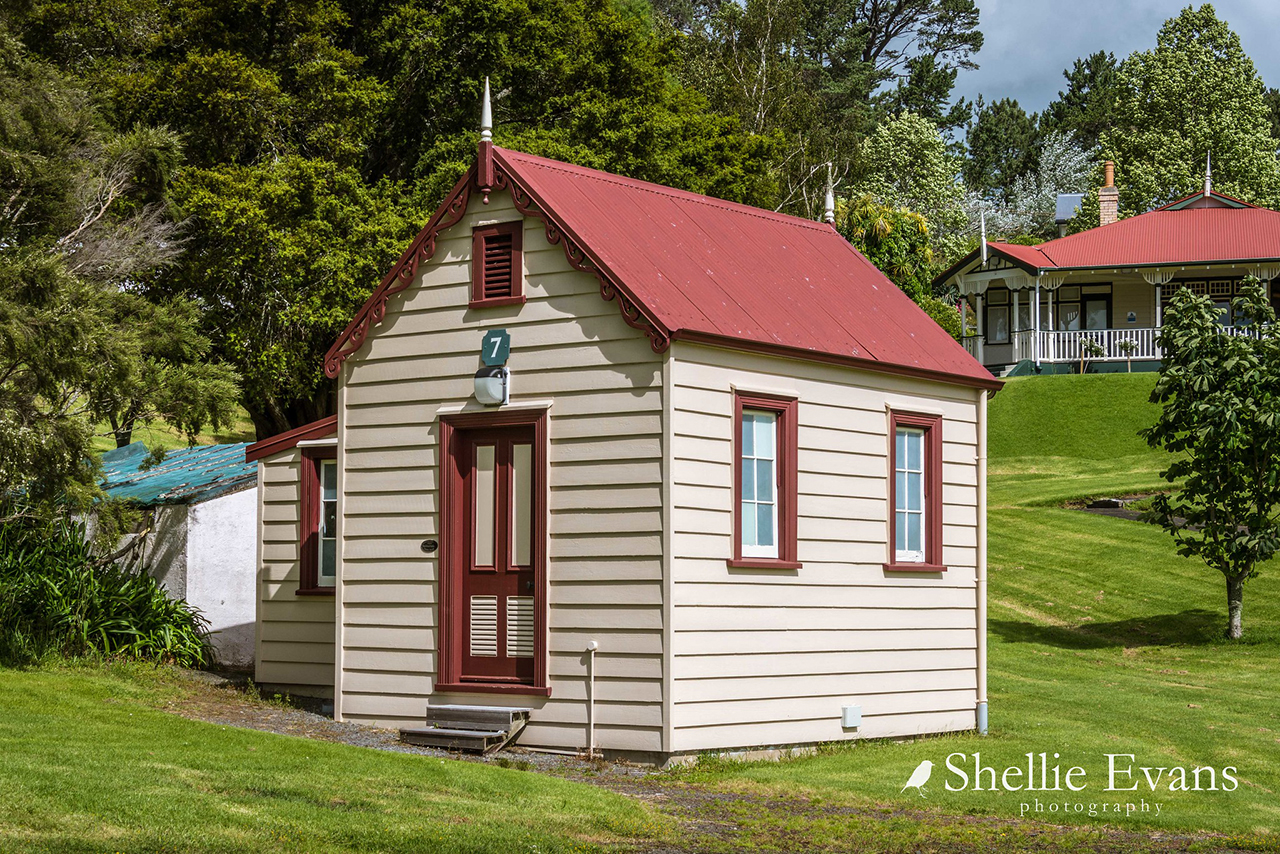
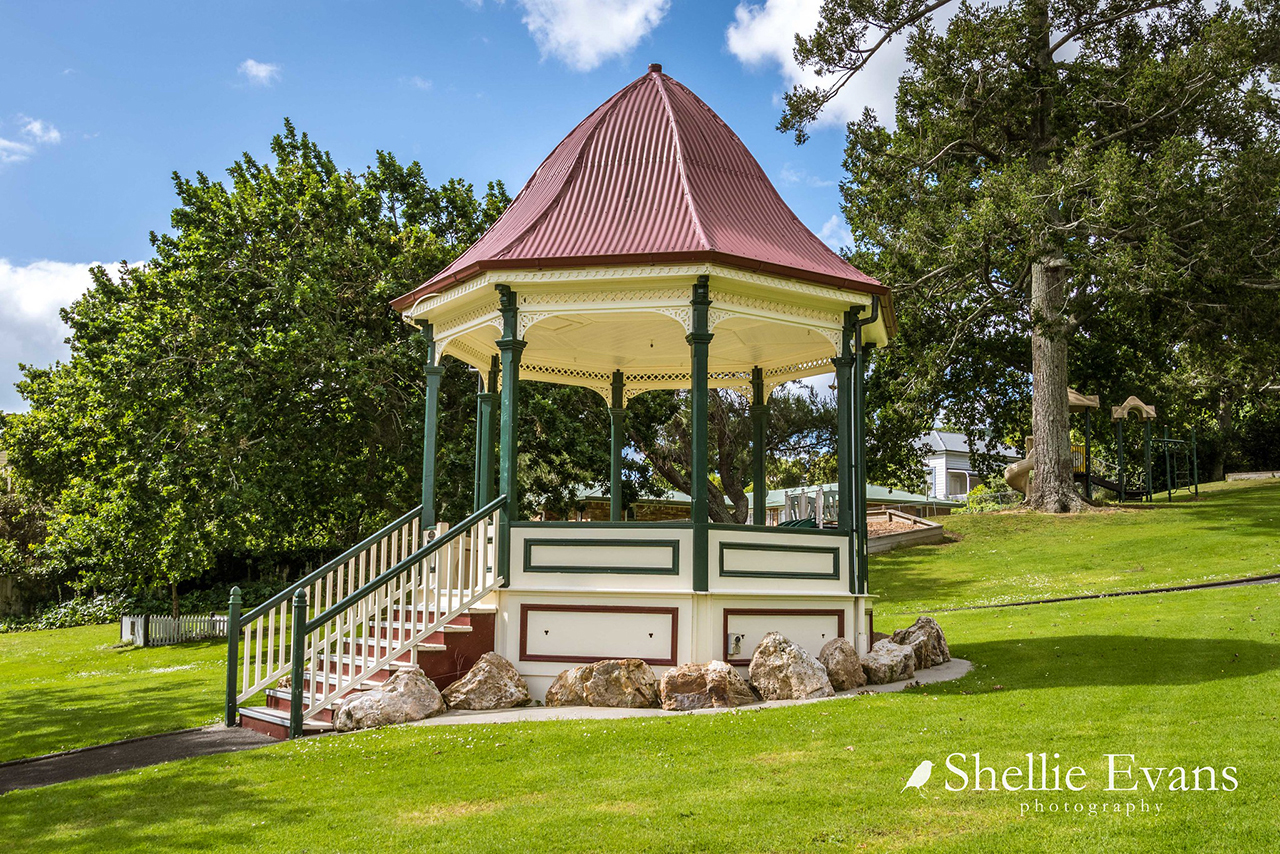
Te Aroha Domain Historic Area. Entrance. CC BY-NC-ND 2.0 Image courtesy of www.flickr.com | Shellie Evans – flyingkiwigirl | 13/09/2023 | Shellie Evans
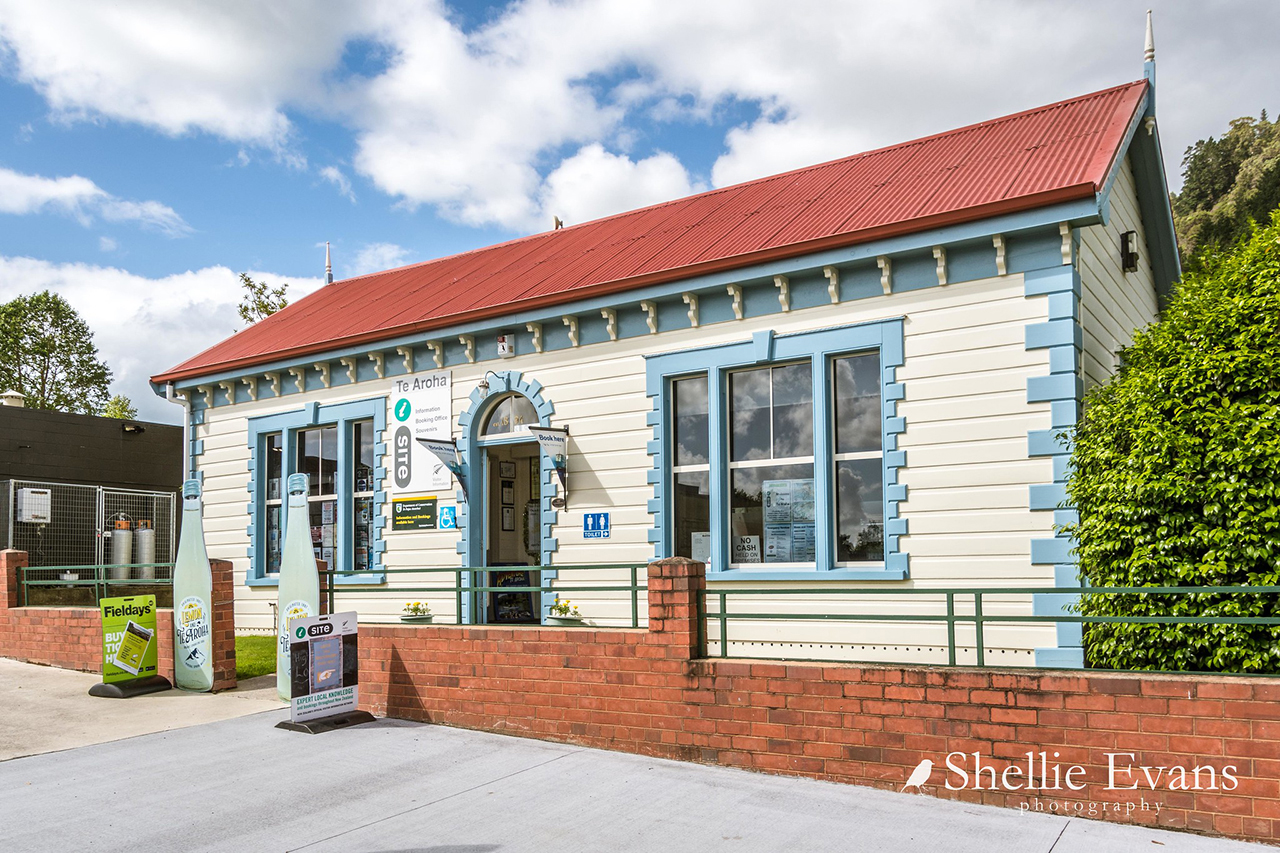
Te Aroha Domain Historic Area. CC BY-NC-ND 2.0 Image courtesy of www.flickr.com | Shellie Evans – flyingkiwigirl | 13/09/2023 | Shellie Evans
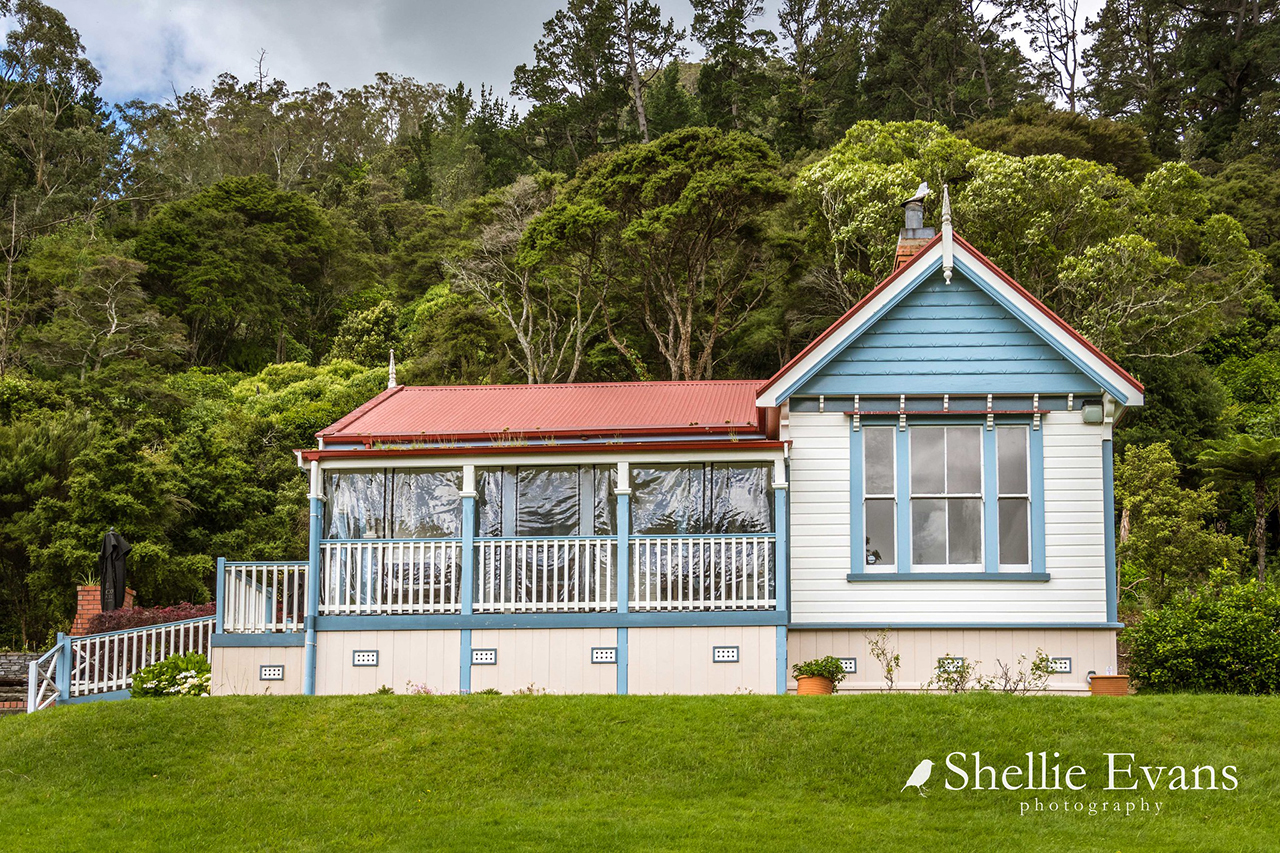
Te Aroha Domain Historic Area. CC BY-NC-ND 2.0 , Image courtesy of www.flickr.com | Shellie Evans – flyingkiwigirl | 13/09/2023 | Shellie Evans
Te Aroha Domain Historic Area. CC BY-NC-ND 2.0 Image courtesy of www.flickr.com | Shellie Evans – flyingkiwigirl | 13/09/2023 | Shellie Evans
Te Aroha Domain Historic Area. CC BY-NC-ND 2.0 , Image courtesy of www.flickr.com | Shellie Evans – flyingkiwigirl | 13/09/2023 | Shellie Evans
Te Aroha Domain Historic Area. Entrance. CC BY-NC-ND 2.0 Image courtesy of www.flickr.com | Shellie Evans – flyingkiwigirl | 13/09/2023 | Shellie Evans
Te Aroha Domain Historic Area. CC BY-NC-ND 2.0 Image courtesy of www.flickr.com | Shellie Evans – flyingkiwigirl | 13/09/2023 | Shellie Evans
Te Aroha Domain Historic Area. CC BY-NC-ND 2.0 , Image courtesy of www.flickr.com | Shellie Evans – flyingkiwigirl | 13/09/2023 | Shellie Evans
Te Aroha Domain Historic Area. CC BY-NC-ND 2.0 Image courtesy of www.flickr.com | Shellie Evans – flyingkiwigirl | 13/09/2023 | Shellie Evans
Te Aroha Domain Historic Area. CC BY-NC-ND 2.0 , Image courtesy of www.flickr.com | Shellie Evans – flyingkiwigirl | 13/09/2023 | Shellie Evans

List Entry Information

Overview

Status
Listed

List Entry Status
Historic Area

Access
Able to Visit

List Number
7012

Date Entered
27th October 1994

Date of Effect
27th October 1994

City/District Council
Matamata-Piako District

Region
Waikato Region

Extent of List Entry

The Domain is located off the eastern side of Whitaker Street between Boundary and Wilson Streets. The eastern boundary of the Domain stretches up in a rectangular block to Bald Spur on Mount Te Aroha. The main access to the reserve is from Whitaker Street with minor accessways from Church, Koromiko and Wilson Streets. Buildings and structures in Te Aroha domain. Includes Te Aroha Domain Buildings and Bathhouses, Maori Bathhouse No.6; Neighbouring Bathhouse No.1; and Bathhouse opposite Tepid Baths No.2, including Cadman Building.

Legal description

Sec 16 Blk IX Aroha SD (RT 550617, NZ Gazette, 1980, pp. 222-3), South Auckland Land District

Detailed List Entry
Significance

Cultural Significance

This historic area was registered under the Historic Places Act 1993. The following text is from the original Recommendation for Registration report considered by the NZHPT Board at the time of registration. Cultural/Social: Te Aroha reflects nineteenth Century attitudes to health problems and their cure. The Domain continues to play an important part in the town as an urban park area, a sports centre and as an attraction for local and international tourists.

Historic Significance

Historical Significance or Value This historic area was registered under the Historic Places Act 1993. The following text is from the original Recommendation for Registration report considered by the NZHPT Board at the time of registration. Historical: The Te Aroha Hot Springs Domain was for almost two decades the most popular of the three main spa resorts developed in New Zealand at the end of the nineteenth century. CONCLUSION: Te Aroha Hot Springs has significant historical and cultural value as a once leading nineteenth Century New Zealand health resort. It has maintained a level of historic integrity unmatched by other spa resorts such as Hanmer Springs and Rotorua. The structures that remain and the landscape features of the Domain serve to maintain much of the original Edwardian character.

Physical Significance

This historic area was registered under the Historic Places Act 1993. The following text is from the original Recommendation for Registration report considered by the NZHPT Board at the time of registration. Architectural: Te Aroha is an interesting collection of vernacular bathing and recreational buildings that still reflects the character of the Edwardian era. Only a few of the original buildings remain but they are unique architectural examples of their type. Aesthetic: The Te Aroha grounds represent the mature landscape that has been altered over time but one that still retains features from the gardens developed under H. Dalton and T.E. Pearson. The original landscaping that includes lake-lets, rockeries, exotic and native plant life is enhanced by the remaining Edwardian structures. Archaeological: There are several significant archaeological sites within the Domain due to the removal of structures dating back to the spa's heyday.

Reference

Information Sources

Mackay, 1993

Jamie Mackay, 'The Te Aroha Hot Springs Domain Conservation Area, Te Aroha, New Zealand', NZHPT report, Wellington, 1993.

Report Written By

A copy of the original report is available from the NZHPT Northern region office Please note that entry on the New Zealand Heritage List/Rarangi Korero identifies only the heritage values of the property concerned, and should not be construed as advice on the state of the property, or as a comment of its soundness or safety, including in regard to earthquake risk, safety in the event of fire, or insanitary conditions. This historic area was registered under the Historic Places Act 1993. The following text is from the original Recommendation for Registration report considered by the NZHPT Board at the time of registration.

Further Information

Current Usages

Former Usages

General Usage:: Accommodation

Specific Usage: Gazebo/summer house

General Usage:: Accommodation

Specific Usage: House

General Usage:: Civic Facilities

Specific Usage: Bandstand/Rotunda

General Usage:: Civic Facilities

Specific Usage: Bathhouse/ mineral baths/ geothermal baths

General Usage:: Civic Facilities

Specific Usage: Garden - public

General Usage:: Civic Facilities

Specific Usage: Gate

General Usage:: Civic Facilities

Specific Usage: Glasshouse/conservatory/fernery - public

General Usage:: Civic Facilities

Specific Usage: Museum

General Usage:: Civic Facilities

Specific Usage: Swimming pool

General Usage:: Trade

Specific Usage: Office building/Offices

General Usage:: Trade

Specific Usage: Restaurant/cafe/tearoom

Themes

Sport

Web Links

Overview

Status

Listed

List Entry Status

Historic Area

Access

Able to Visit

List Number

7012

Date Entered

27th October 1994

Date of Effect

27th October 1994

City/District Council

Matamata-Piako District

Region

Waikato Region

Extent of List Entry

The Domain is located off the eastern side of Whitaker Street between Boundary and Wilson Streets. The eastern boundary of the Domain stretches up in a rectangular block to Bald Spur on Mount Te Aroha. The main access to the reserve is from Whitaker Street with minor accessways from Church, Koromiko and Wilson Streets. Buildings and structures in Te Aroha domain. Includes Te Aroha Domain Buildings and Bathhouses, Maori Bathhouse No.6; Neighbouring Bathhouse No.1; and Bathhouse opposite Tepid Baths No.2, including Cadman Building.

Legal description

Sec 16 Blk IX Aroha SD (RT 550617, NZ Gazette, 1980, pp. 222-3), South Auckland Land District

Status

Listed

List Entry Status

Historic Area

Access

Able to Visit

List Number

7012

Date Entered

27th October 1994

Date of Effect

27th October 1994

City/District Council

Matamata-Piako District

Region

Waikato Region

Extent of List Entry

The Domain is located off the eastern side of Whitaker Street between Boundary and Wilson Streets. The eastern boundary of the Domain stretches up in a rectangular block to Bald Spur on Mount Te Aroha. The main access to the reserve is from Whitaker Street with minor accessways from Church, Koromiko and Wilson Streets. Buildings and structures in Te Aroha domain. Includes Te Aroha Domain Buildings and Bathhouses, Maori Bathhouse No.6; Neighbouring Bathhouse No.1; and Bathhouse opposite Tepid Baths No.2, including Cadman Building.

Legal description

Sec 16 Blk IX Aroha SD (RT 550617, NZ Gazette, 1980, pp. 222-3), South Auckland Land District

Significance

Why is this place significant?

Cultural Significance

This historic area was registered under the Historic Places Act 1993. The following text is from the original Recommendation for Registration report considered by the NZHPT Board at the time of registration. Cultural/Social: Te Aroha reflects nineteenth Century attitudes to health problems and their cure. The Domain continues to play an important part in the town as an urban park area, a sports centre and as an attraction for local and international tourists.

Historic Significance

Historical Significance or Value This historic area was registered under the Historic Places Act 1993. The following text is from the original Recommendation for Registration report considered by the NZHPT Board at the time of registration. Historical: The Te Aroha Hot Springs Domain was for almost two decades the most popular of the three main spa resorts developed in New Zealand at the end of the nineteenth century. CONCLUSION: Te Aroha Hot Springs has significant historical and cultural value as a once leading nineteenth Century New Zealand health resort. It has maintained a level of historic integrity unmatched by other spa resorts such as Hanmer Springs and Rotorua. The structures that remain and the landscape features of the Domain serve to maintain much of the original Edwardian character.

Physical Significance

This historic area was registered under the Historic Places Act 1993. The following text is from the original Recommendation for Registration report considered by the NZHPT Board at the time of registration. Architectural: Te Aroha is an interesting collection of vernacular bathing and recreational buildings that still reflects the character of the Edwardian era. Only a few of the original buildings remain but they are unique architectural examples of their type. Aesthetic: The Te Aroha grounds represent the mature landscape that has been altered over time but one that still retains features from the gardens developed under H. Dalton and T.E. Pearson. The original landscaping that includes lake-lets, rockeries, exotic and native plant life is enhanced by the remaining Edwardian structures. Archaeological: There are several significant archaeological sites within the Domain due to the removal of structures dating back to the spa's heyday.

Why is this place significant?

Cultural Significance

This historic area was registered under the Historic Places Act 1993. The following text is from the original Recommendation for Registration report considered by the NZHPT Board at the time of registration. Cultural/Social: Te Aroha reflects nineteenth Century attitudes to health problems and their cure. The Domain continues to play an important part in the town as an urban park area, a sports centre and as an attraction for local and international tourists.

Historic Significance

Historical Significance or Value This historic area was registered under the Historic Places Act 1993. The following text is from the original Recommendation for Registration report considered by the NZHPT Board at the time of registration. Historical: The Te Aroha Hot Springs Domain was for almost two decades the most popular of the three main spa resorts developed in New Zealand at the end of the nineteenth century. CONCLUSION: Te Aroha Hot Springs has significant historical and cultural value as a once leading nineteenth Century New Zealand health resort. It has maintained a level of historic integrity unmatched by other spa resorts such as Hanmer Springs and Rotorua. The structures that remain and the landscape features of the Domain serve to maintain much of the original Edwardian character.

Physical Significance

This historic area was registered under the Historic Places Act 1993. The following text is from the original Recommendation for Registration report considered by the NZHPT Board at the time of registration. Architectural: Te Aroha is an interesting collection of vernacular bathing and recreational buildings that still reflects the character of the Edwardian era. Only a few of the original buildings remain but they are unique architectural examples of their type. Aesthetic: The Te Aroha grounds represent the mature landscape that has been altered over time but one that still retains features from the gardens developed under H. Dalton and T.E. Pearson. The original landscaping that includes lake-lets, rockeries, exotic and native plant life is enhanced by the remaining Edwardian structures. Archaeological: There are several significant archaeological sites within the Domain due to the removal of structures dating back to the spa's heyday.

Reference

Historical and Associated Iwi / Hapū / Whānau

Information Sources

Mackay, 1993

Jamie Mackay, 'The Te Aroha Hot Springs Domain Conservation Area, Te Aroha, New Zealand', NZHPT report, Wellington, 1993.

Other Information

A copy of the original report is available from the NZHPT Northern region office Please note that entry on the New Zealand Heritage List/Rarangi Korero identifies only the heritage values of the property concerned, and should not be construed as advice on the state of the property, or as a comment of its soundness or safety, including in regard to earthquake risk, safety in the event of fire, or insanitary conditions. This historic area was registered under the Historic Places Act 1993. The following text is from the original Recommendation for Registration report considered by the NZHPT Board at the time of registration.

Historical and Associated Iwi / Hapū / Whānau

Information Sources

Mackay, 1993

Jamie Mackay, 'The Te Aroha Hot Springs Domain Conservation Area, Te Aroha, New Zealand', NZHPT report, Wellington, 1993.

Other Information

A copy of the original report is available from the NZHPT Northern region office Please note that entry on the New Zealand Heritage List/Rarangi Korero identifies only the heritage values of the property concerned, and should not be construed as advice on the state of the property, or as a comment of its soundness or safety, including in regard to earthquake risk, safety in the event of fire, or insanitary conditions. This historic area was registered under the Historic Places Act 1993. The following text is from the original Recommendation for Registration report considered by the NZHPT Board at the time of registration.

Further Information

Former Usages

General Usage: Accommodation

Specific Usage: Gazebo/summer house

General Usage: Accommodation

Specific Usage: House

General Usage: Civic Facilities

Specific Usage: Bandstand/Rotunda

General Usage: Civic Facilities

Specific Usage: Bathhouse/ mineral baths/ geothermal baths

General Usage: Civic Facilities

Specific Usage: Garden - public

General Usage: Civic Facilities

Specific Usage: Gate

General Usage: Civic Facilities

Specific Usage: Glasshouse/conservatory/fernery - public

General Usage: Civic Facilities

Specific Usage: Museum

General Usage: Civic Facilities

Specific Usage: Swimming pool

General Usage: Trade

Specific Usage: Office building/Offices

General Usage: Trade

Specific Usage: Restaurant/cafe/tearoom

Themes

Sport

Former Usages

General Usage: Accommodation

Specific Usage: Gazebo/summer house

General Usage: Accommodation

Specific Usage: House

General Usage: Civic Facilities

Specific Usage: Bandstand/Rotunda

General Usage: Civic Facilities

Specific Usage: Bathhouse/ mineral baths/ geothermal baths

General Usage: Civic Facilities

Specific Usage: Garden - public

General Usage: Civic Facilities

Specific Usage: Gate

General Usage: Civic Facilities

Specific Usage: Glasshouse/conservatory/fernery - public

General Usage: Civic Facilities

Specific Usage: Museum

General Usage: Civic Facilities

Specific Usage: Swimming pool

General Usage: Trade

Specific Usage: Office building/Offices

General Usage: Trade

Specific Usage: Restaurant/cafe/tearoom

Themes

Sport

Location

Loading
Related listings
Cadman Bath House (Former), Te Aroha. CC BY-NC-ND 2.0 Image courtesy of www.flickr.com
Cadman Bath House (Former)
Domain Office (Former), Te Aroha
Domain Office (Former)
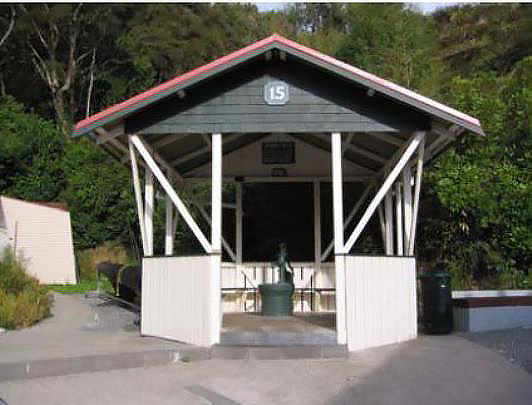
Gazebo over No.15 Spring, Aroha Hot Springs Domain, Te Aroha
Gazebo over No 15 Spring
Head Gardener’s Cottage (Former), Te Aroha. CC BY-NC-ND 2.0 Image courtesy of www.flickr.com
Head Gardener’s Cottage (Former)
Tea House, Te Aroha. CC BY-NC-ND 2.0 Image courtesy of www.flickr.com
Tea House
No. 7 Bath House, Te Aroha. CC BY-NC-ND 2.0 Image courtesy of www.flickr.com
No 7 Bath House
Band Rotunda, Te Aroha. CC BT-NC-ND 2.0 Image courtesy of www.flickr.com
Band Rotunda
No.2 Bath House, Te Aroha. CC BY-NC-ND 2.0 Image courtesy of www.flickr.com
No 2 Bath House
Tea House, Te Aroha. CC BY-NC-ND 2.0 Image courtesy of www.flickr.com
Tea House
Cadman Bath House (Former), Te Aroha. CC BY-NC-ND 2.0 Image courtesy of www.flickr.com
Cadman Bath House (Former)
No. 7 Bath House, Te Aroha. CC BY-NC-ND 2.0 Image courtesy of www.flickr.com
No 7 Bath House
Domain Office (Former), Te Aroha
Domain Office (Former)
Band Rotunda, Te Aroha. CC BT-NC-ND 2.0 Image courtesy of www.flickr.com
Band Rotunda
Gazebo over No.15 Spring, Aroha Hot Springs Domain, Te Aroha
Gazebo over No 15 Spring
No.2 Bath House, Te Aroha. CC BY-NC-ND 2.0 Image courtesy of www.flickr.com
No 2 Bath House
Head Gardener’s Cottage (Former), Te Aroha. CC BY-NC-ND 2.0 Image courtesy of www.flickr.com
Head Gardener’s Cottage (Former)
Stay up to date with Heritage this month