Quick links


Quick links
Quick links
Quick links
Quick links
Quick links
76-102 Whitaker Street, 12-18 Wilson Street, and 5B, 5C, 5D and 11B Boundary Street, TE AROHA
Public
Historic Area
List No. 7012
List Entry Information
Status
Listed
List Entry Status
Historic Area
Access
Able to Visit
List Number
7012
Date Entered
27th October 1994
Date of Effect
27th October 1994
City/District Council
Matamata-Piako District
Region
Waikato Region
Extent of List Entry
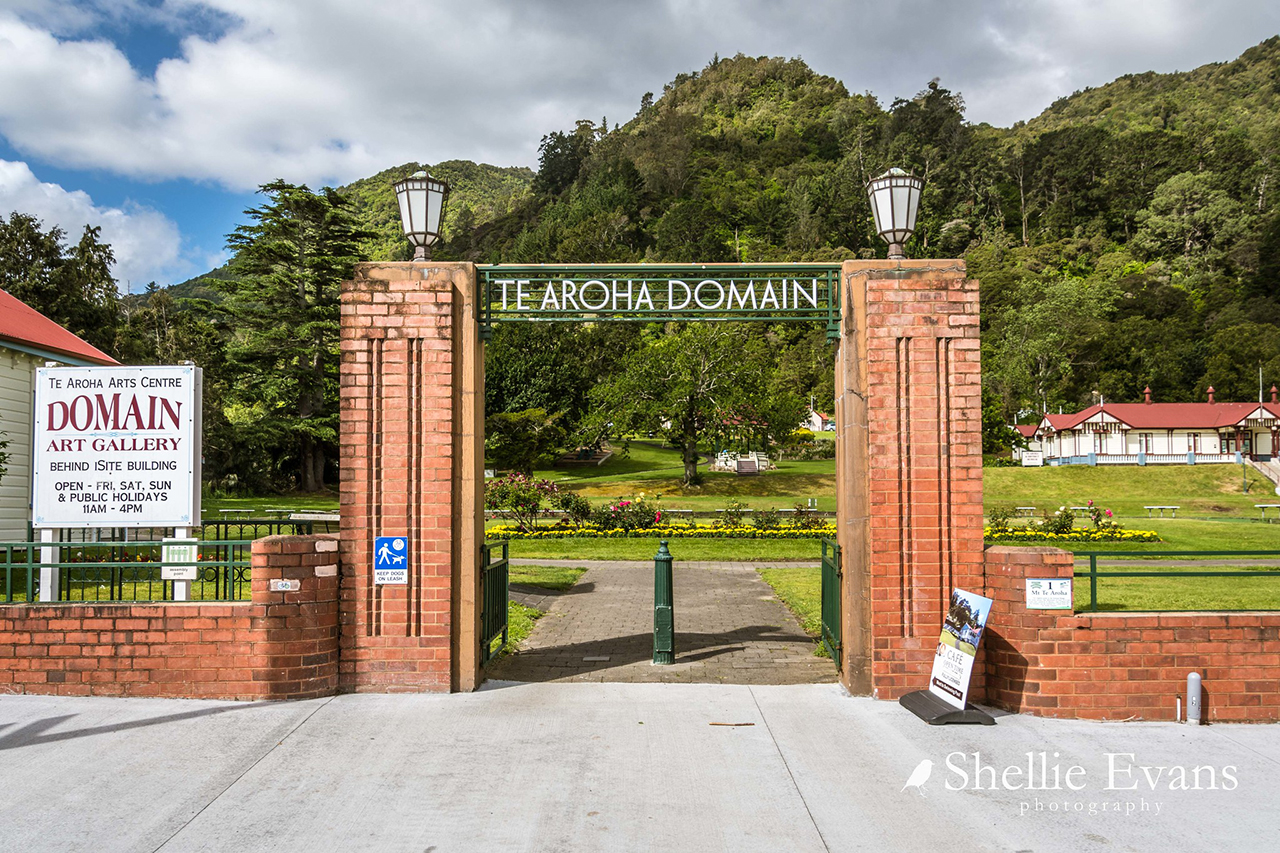
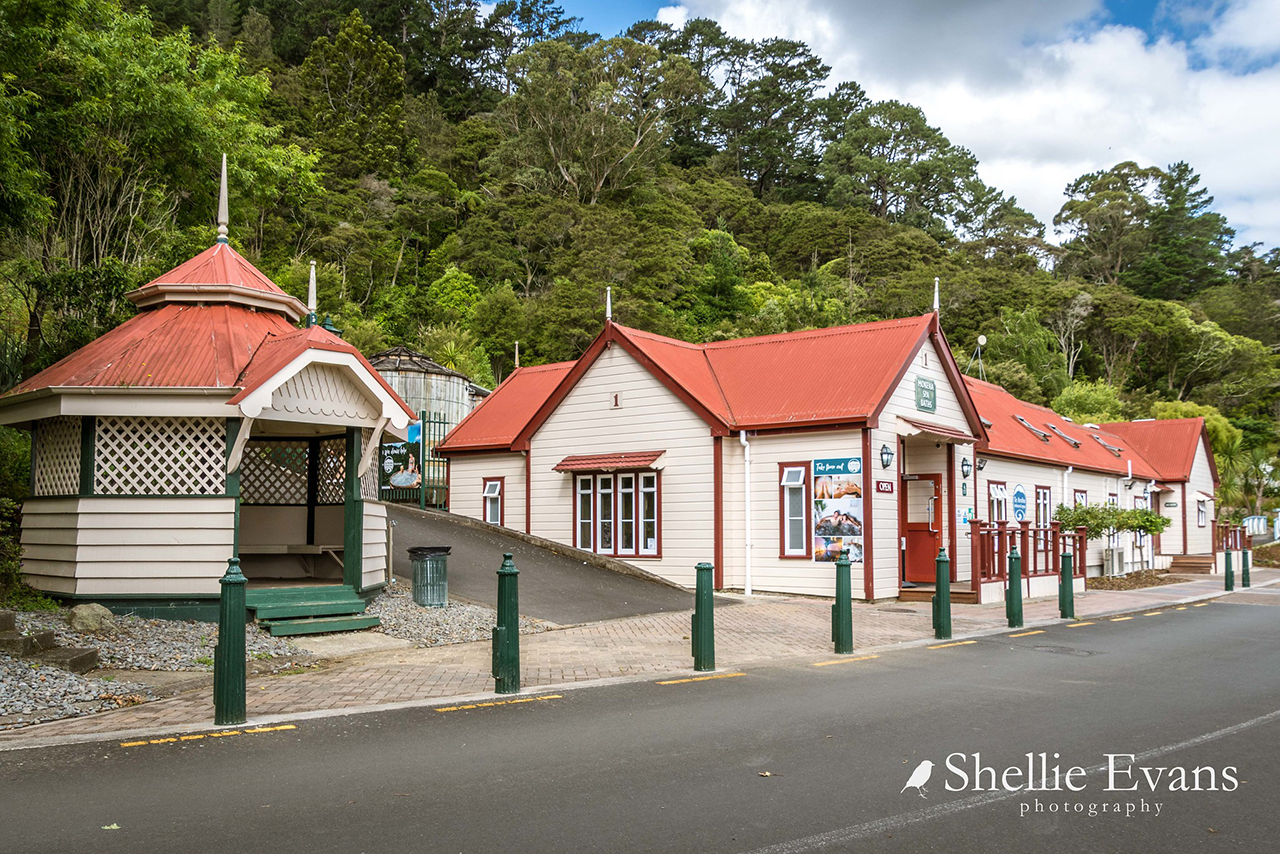
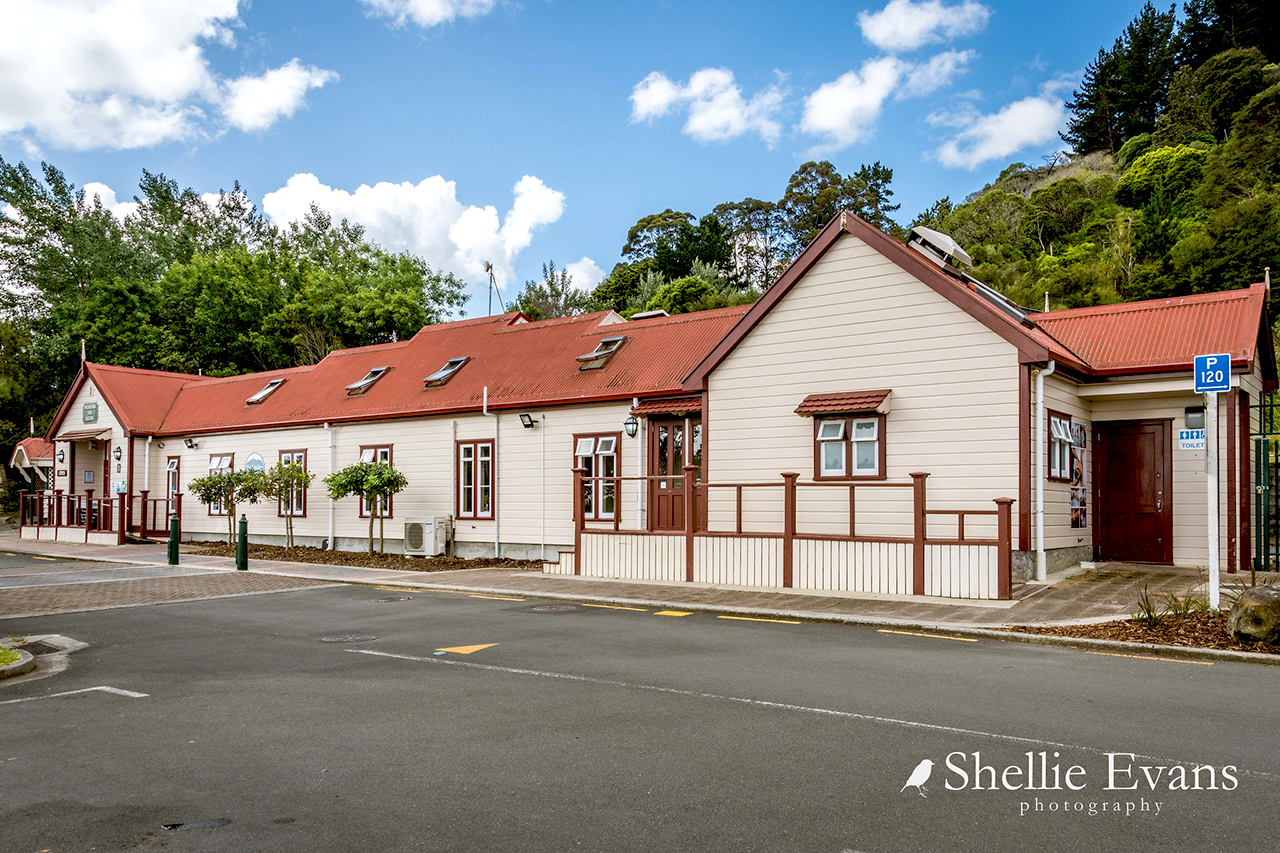
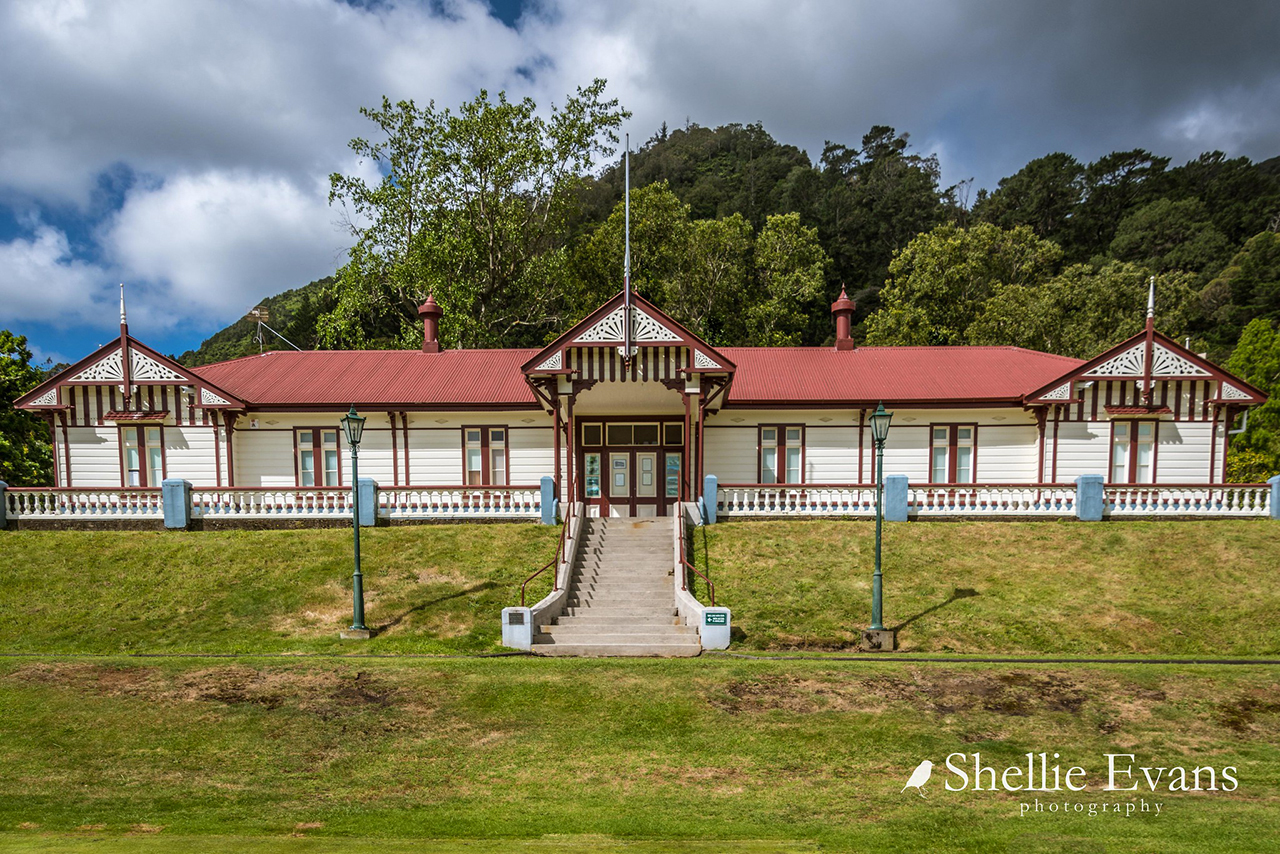
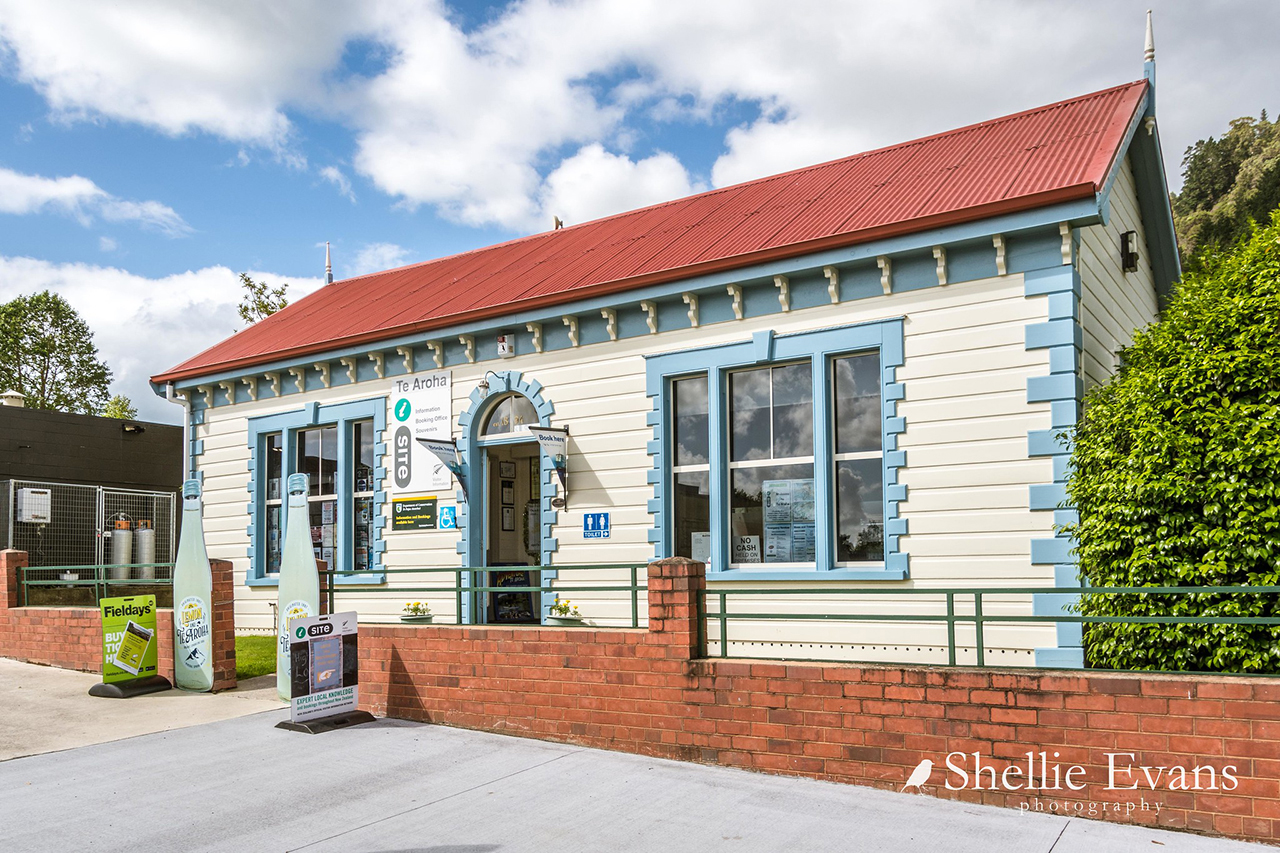
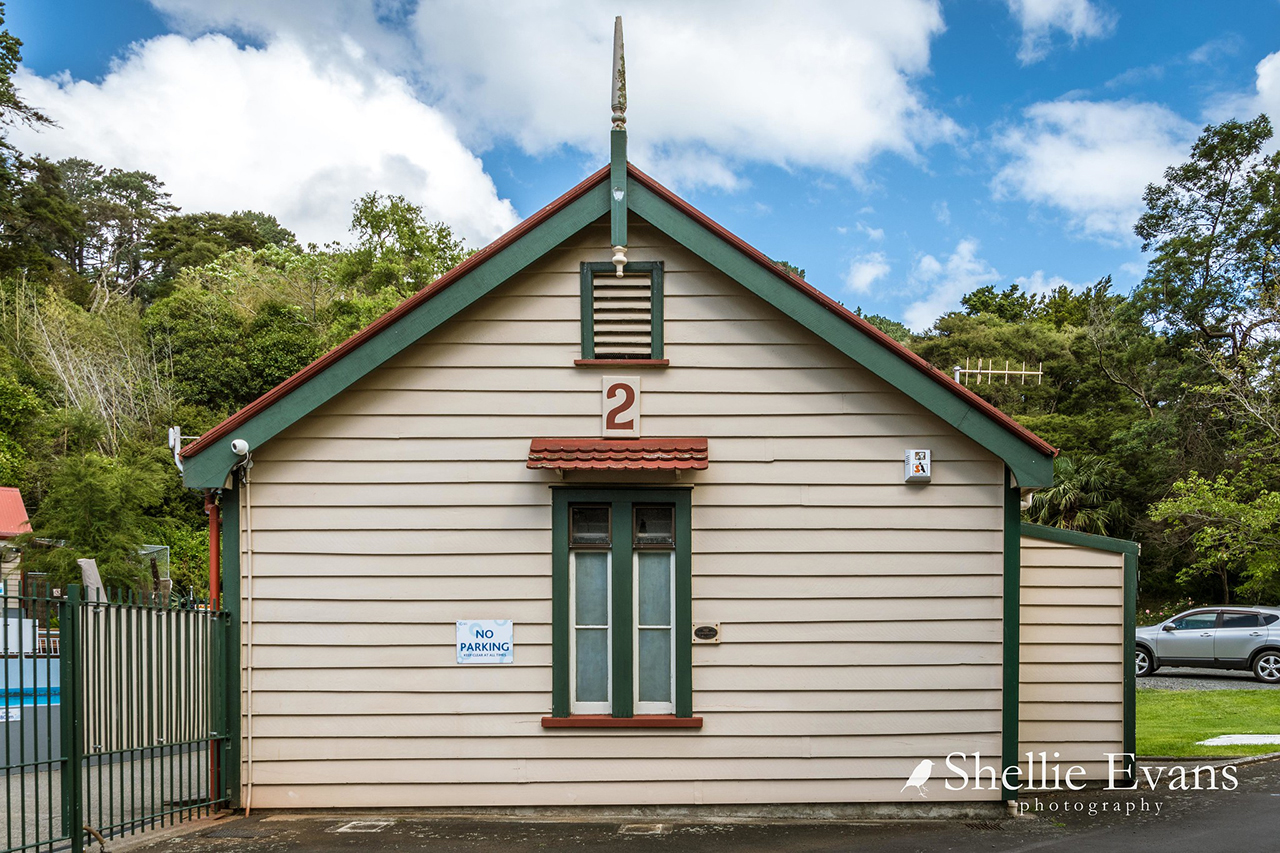
The Domain is located off the eastern side of Whitaker Street between Boundary and Wilson Streets. The eastern boundary of the Domain stretches up in a rectangular block to Bald Spur on Mount Te Aroha. The main access to the reserve is from Whitaker Street with minor accessways from Church, Koromiko and Wilson Streets. Buildings and structures in Te Aroha domain. Includes Te Aroha Domain Buildings and Bathhouses, Maori Bathhouse No.6; Neighbouring Bathhouse No.1; and Bathhouse opposite Tepid Baths No.2, including Cadman Building.
Legal description
Sec 16 Blk IX Aroha SD (RT 550617, NZ Gazette, 1980, pp. 222-3), South Auckland Land District
Why is this place significant?
Cultural Significance
This historic area was registered under the Historic Places Act 1993. The following text is from the original Recommendation for Registration report considered by the NZHPT Board at the time of registration. Cultural/Social: Te Aroha reflects nineteenth Century attitudes to health problems and their cure. The Domain continues to play an important part in the town as an urban park area, a sports centre and as an attraction for local and international tourists.
Historic Significance
Historical Significance or Value This historic area was registered under the Historic Places Act 1993. The following text is from the original Recommendation for Registration report considered by the NZHPT Board at the time of registration. Historical: The Te Aroha Hot Springs Domain was for almost two decades the most popular of the three main spa resorts developed in New Zealand at the end of the nineteenth century. CONCLUSION: Te Aroha Hot Springs has significant historical and cultural value as a once leading nineteenth Century New Zealand health resort. It has maintained a level of historic integrity unmatched by other spa resorts such as Hanmer Springs and Rotorua. The structures that remain and the landscape features of the Domain serve to maintain much of the original Edwardian character.
Physical Significance
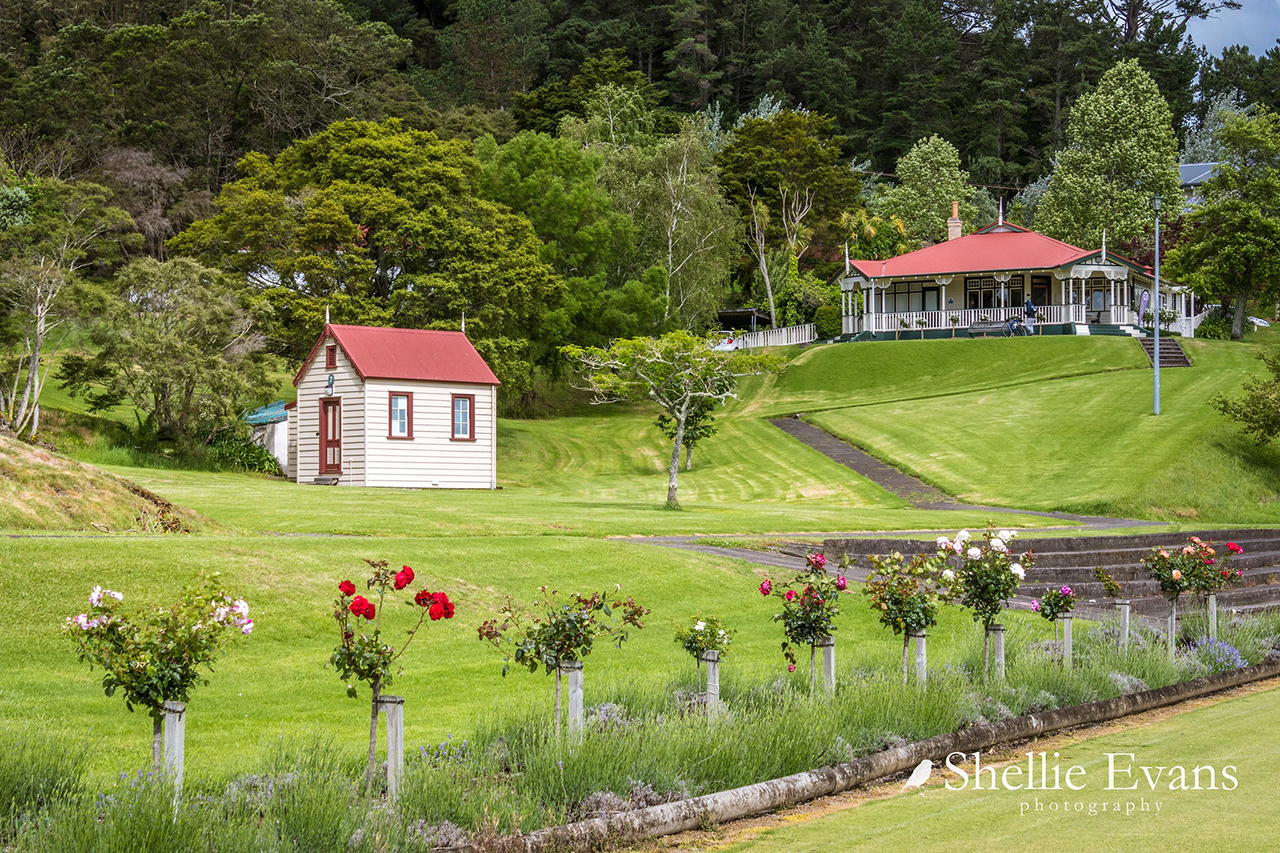
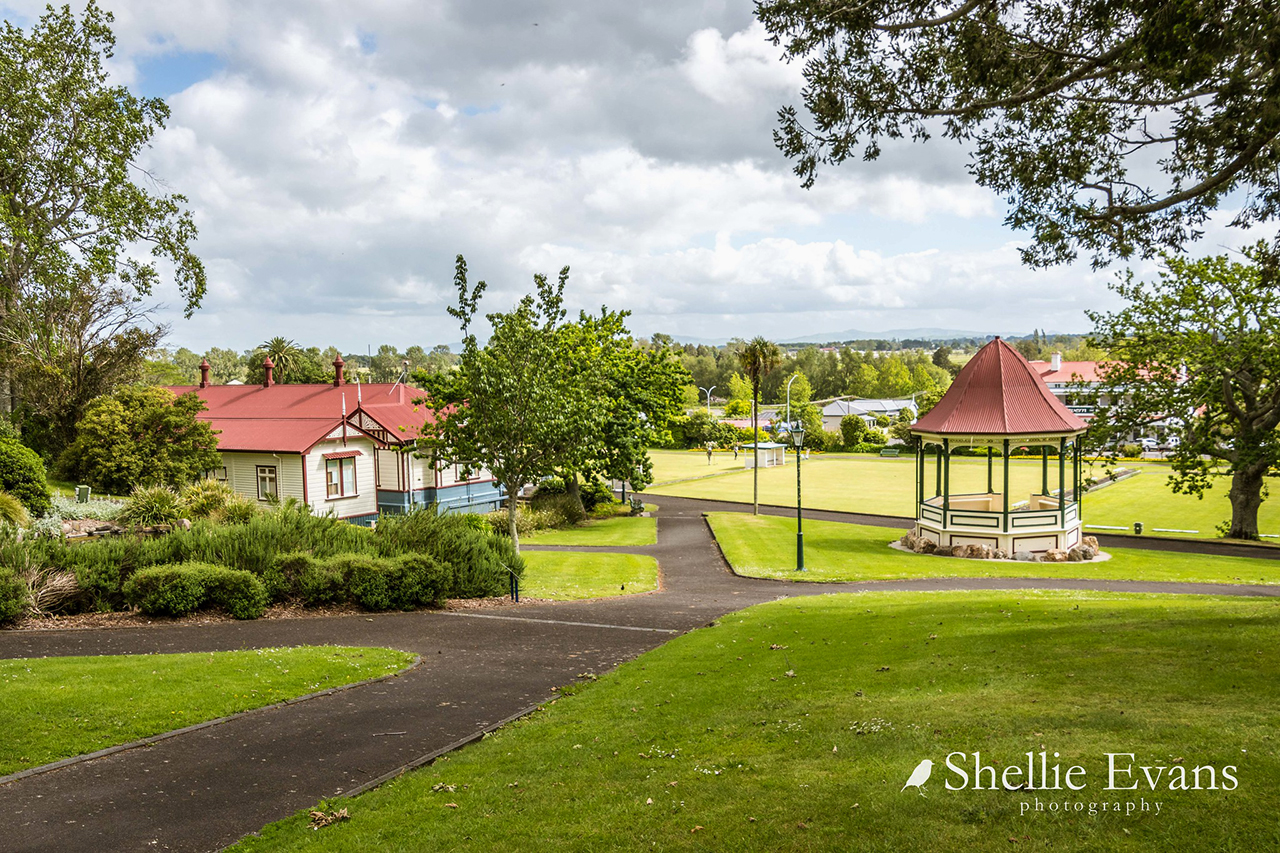
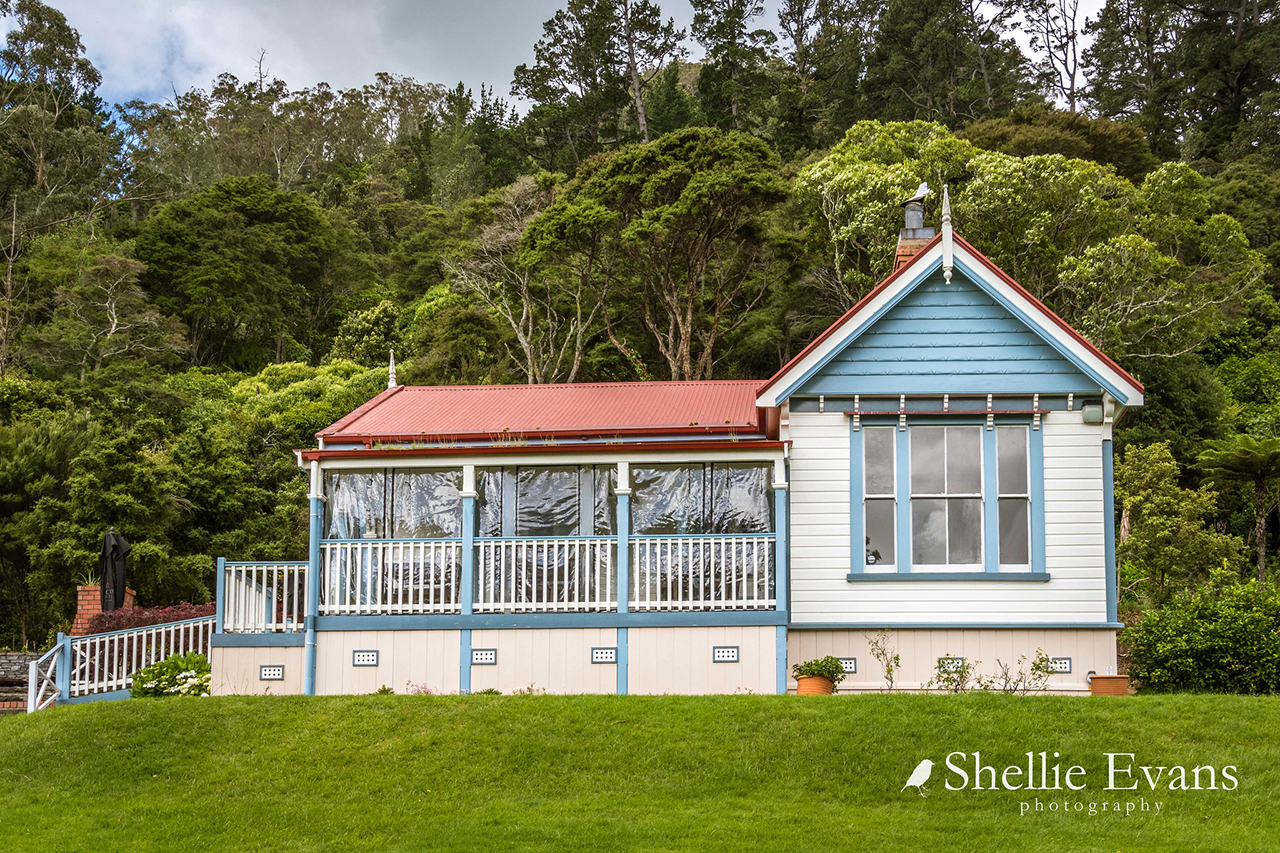
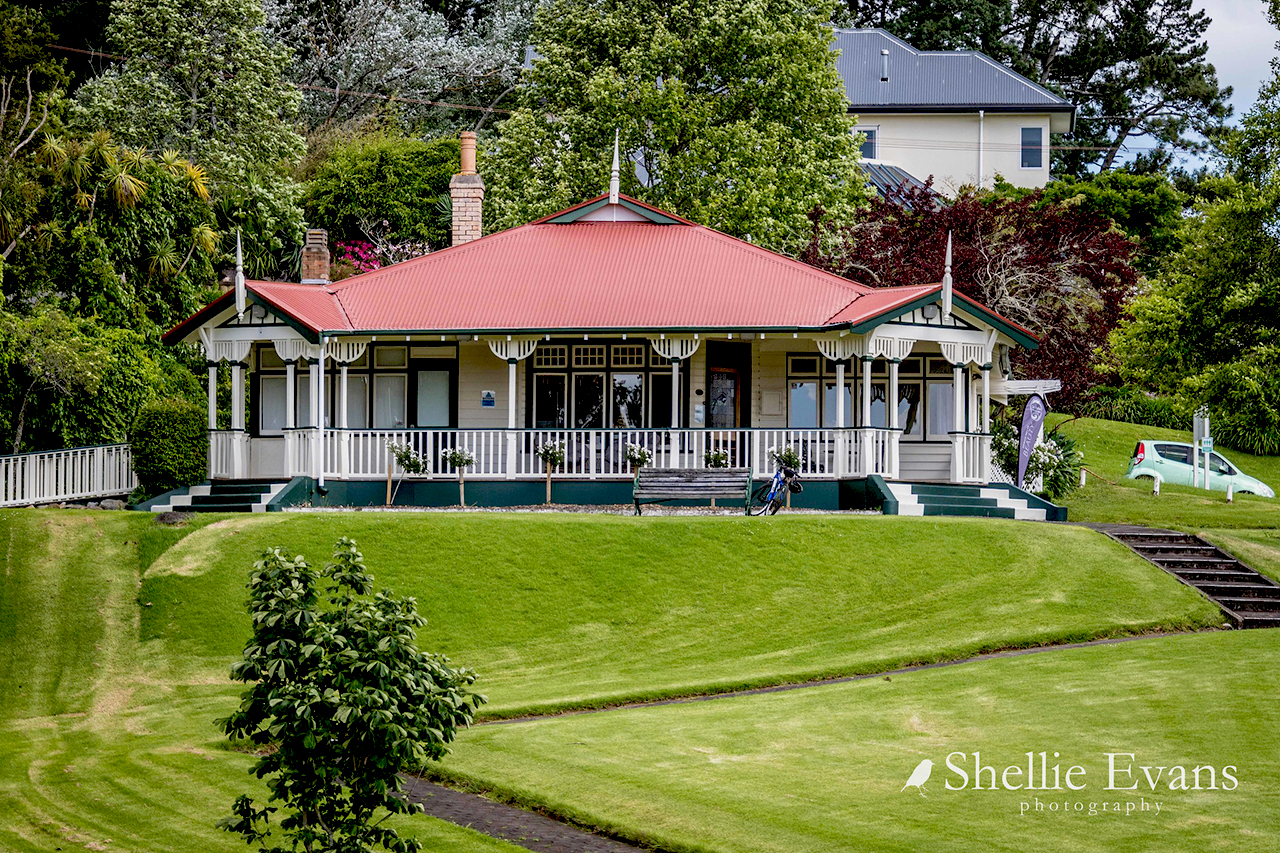
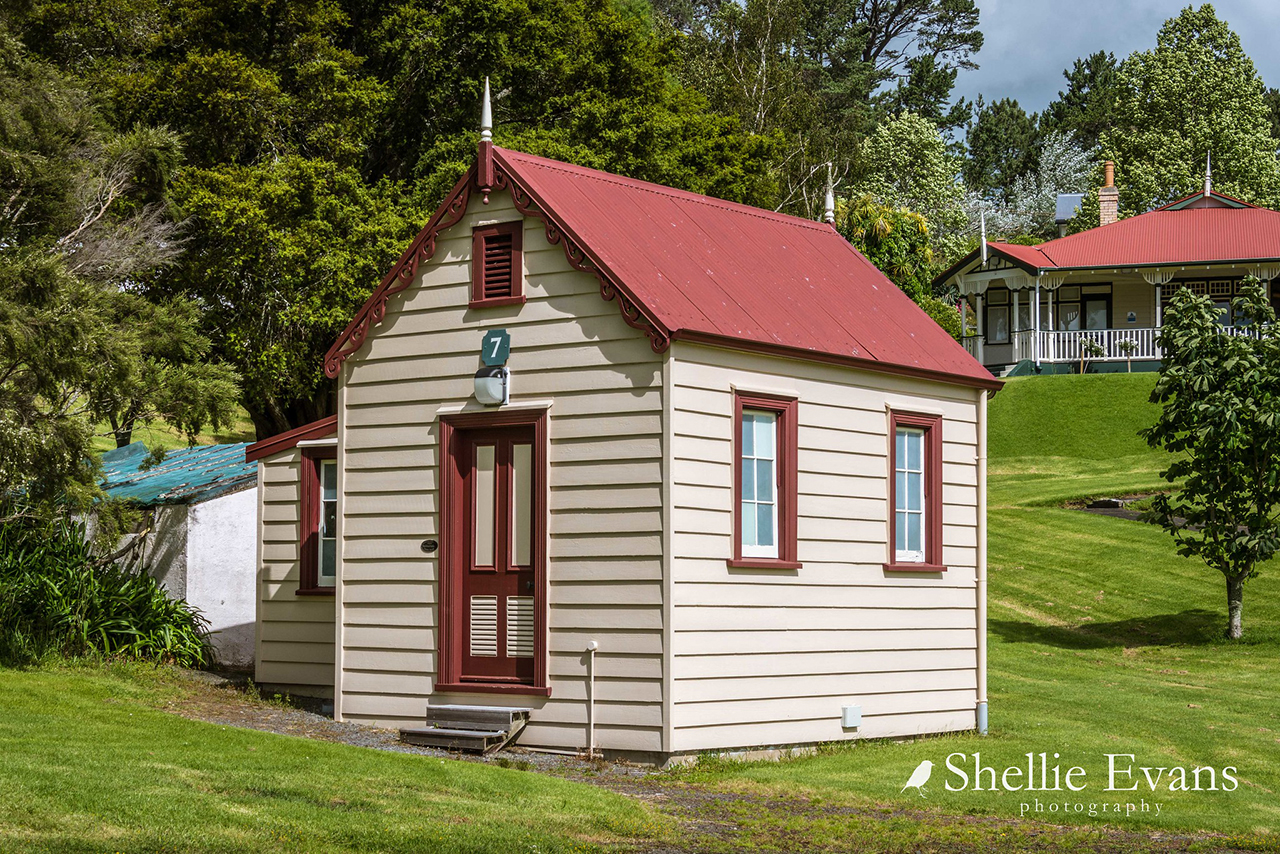
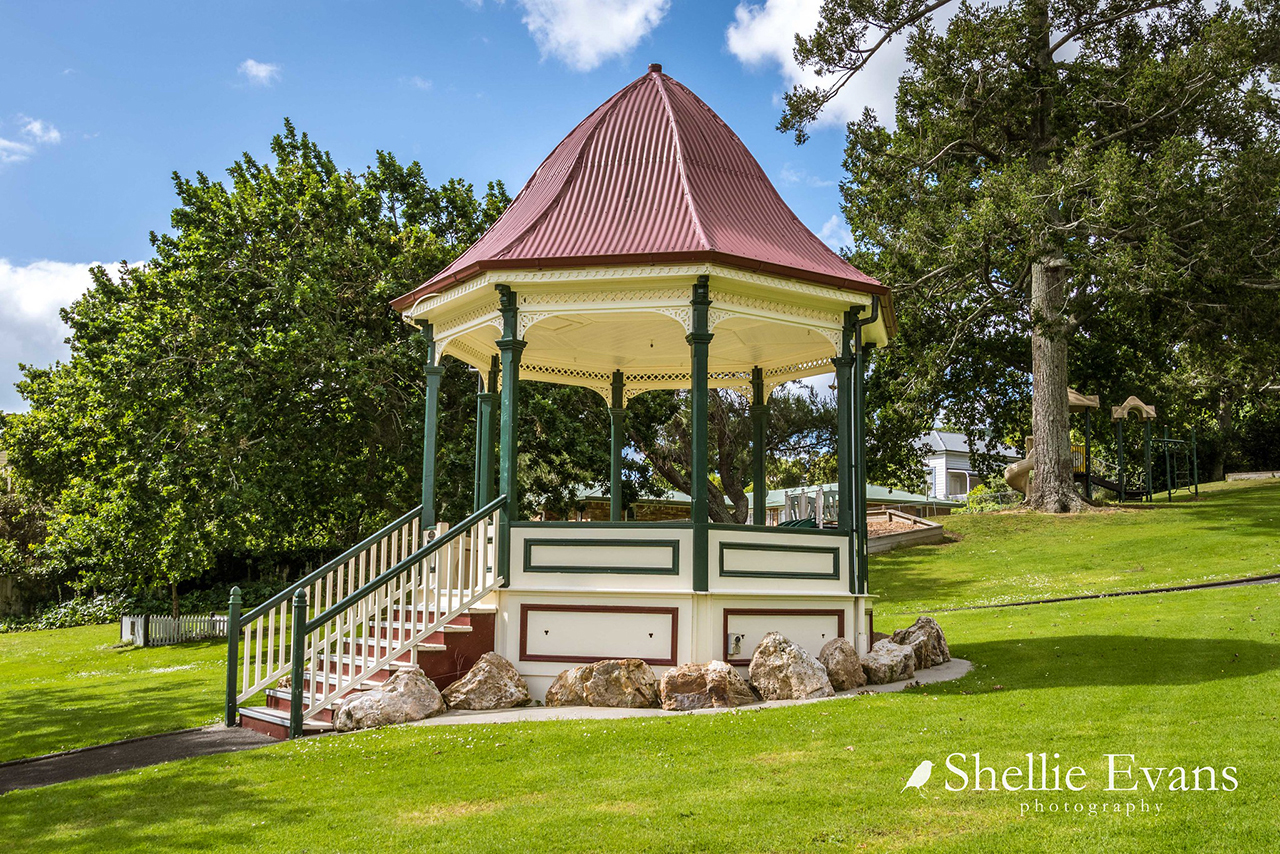
This historic area was registered under the Historic Places Act 1993. The following text is from the original Recommendation for Registration report considered by the NZHPT Board at the time of registration. Architectural: Te Aroha is an interesting collection of vernacular bathing and recreational buildings that still reflects the character of the Edwardian era. Only a few of the original buildings remain but they are unique architectural examples of their type. Aesthetic: The Te Aroha grounds represent the mature landscape that has been altered over time but one that still retains features from the gardens developed under H. Dalton and T.E. Pearson. The original landscaping that includes lake-lets, rockeries, exotic and native plant life is enhanced by the remaining Edwardian structures. Archaeological: There are several significant archaeological sites within the Domain due to the removal of structures dating back to the spa's heyday.
Historical and Associated Iwi / Hapū / Whānau
Information Sources
Mackay, 1993
Jamie Mackay, 'The Te Aroha Hot Springs Domain Conservation Area, Te Aroha, New Zealand', NZHPT report, Wellington, 1993.
Other Information
A copy of the original report is available from the NZHPT Northern region office Please note that entry on the New Zealand Heritage List/Rarangi Korero identifies only the heritage values of the property concerned, and should not be construed as advice on the state of the property, or as a comment of its soundness or safety, including in regard to earthquake risk, safety in the event of fire, or insanitary conditions. This historic area was registered under the Historic Places Act 1993. The following text is from the original Recommendation for Registration report considered by the NZHPT Board at the time of registration.
Former Usages
General Usage: Accommodation
Specific Usage: Gazebo/summer house
General Usage: Accommodation
Specific Usage: House
General Usage: Civic Facilities
Specific Usage: Bandstand/Rotunda
General Usage: Civic Facilities
Specific Usage: Bathhouse/ mineral baths/ geothermal baths
General Usage: Civic Facilities
Specific Usage: Garden - public
General Usage: Civic Facilities
Specific Usage: Gate
General Usage: Civic Facilities
Specific Usage: Glasshouse/conservatory/fernery - public
General Usage: Civic Facilities
Specific Usage: Museum
General Usage: Civic Facilities
Specific Usage: Swimming pool
General Usage: Trade
Specific Usage: Office building/Offices
General Usage: Trade
Specific Usage: Restaurant/cafe/tearoom
Themes
Sport
Location
Get the latest heritage news, features and events delivered
straight to your inbox.
