Quick links


Quick links
Quick links
Quick links
Quick links
Quick links
Harbour Street, Tyne Street, Wansbeck Street, Tees Street, Itchen Street, Thames Street, Meek Street, Medway Street, Steward Street, Wear Street, Coquet Street, Esplanade Road, OAMARU
Private
Historic Area
List No. 7064
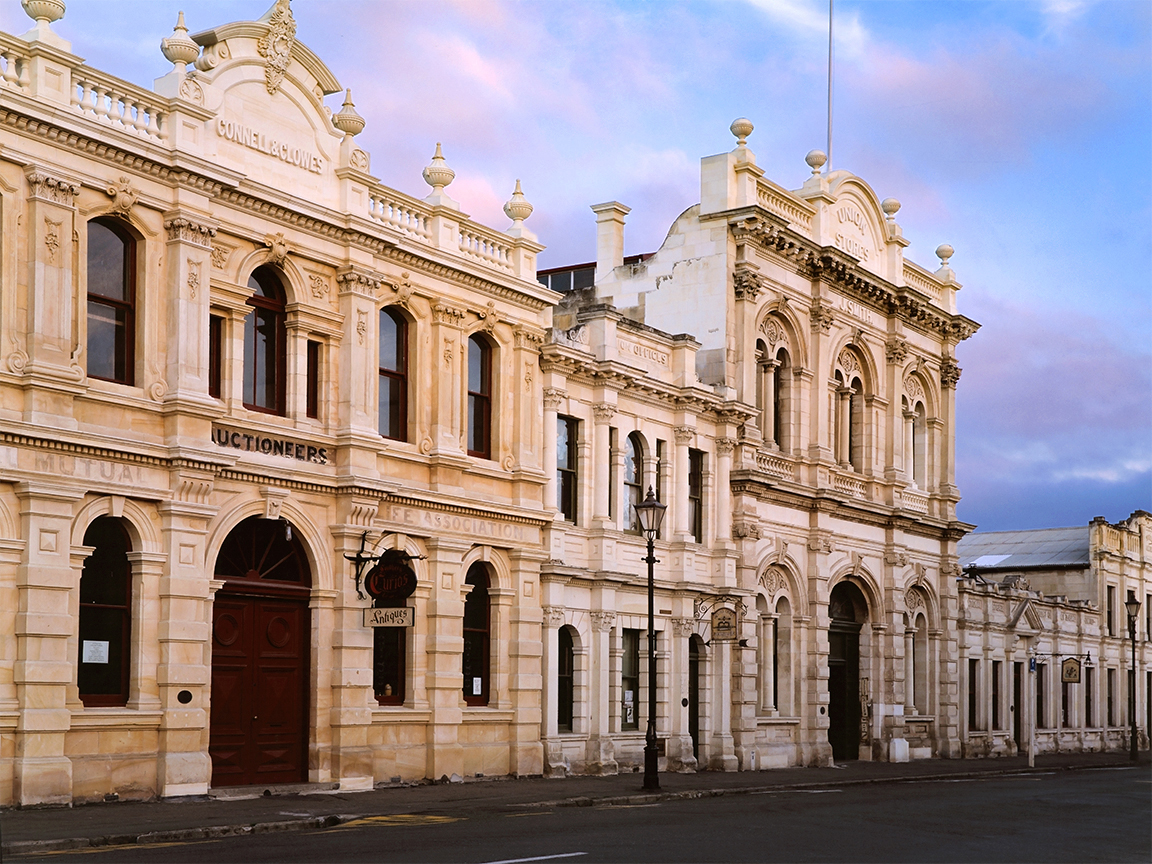
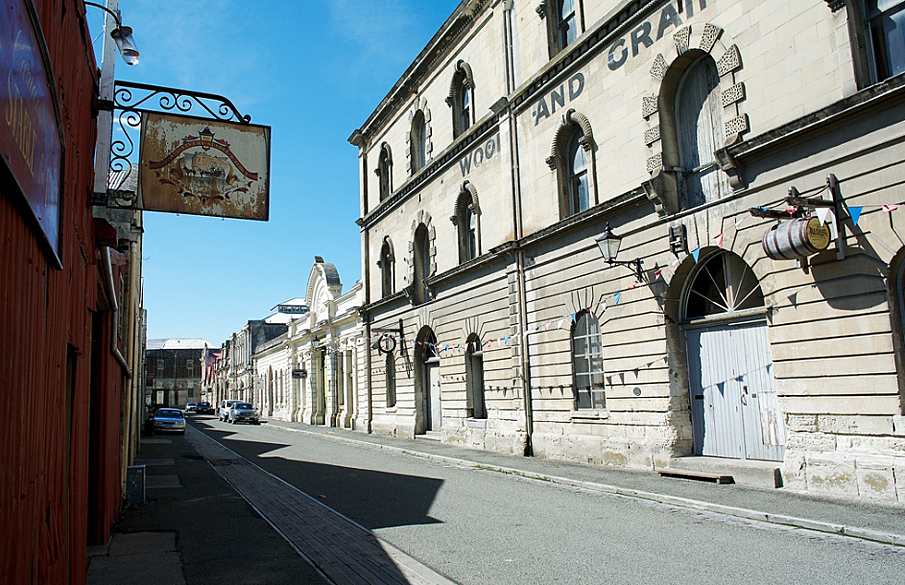
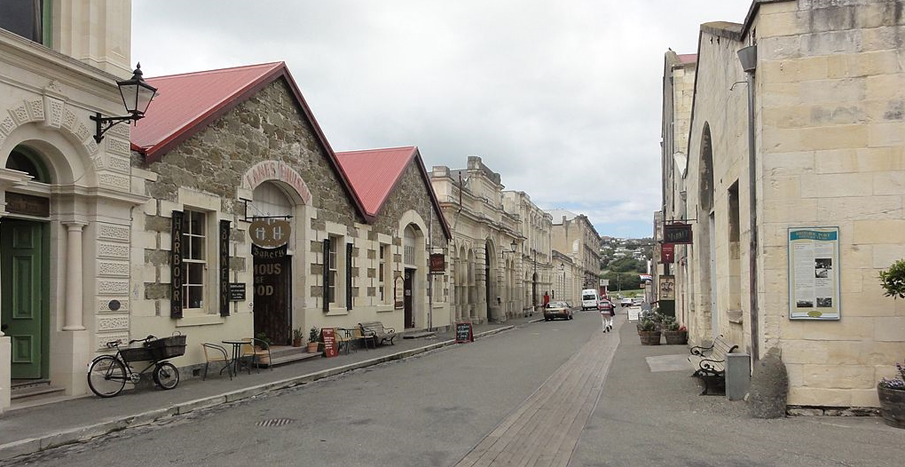
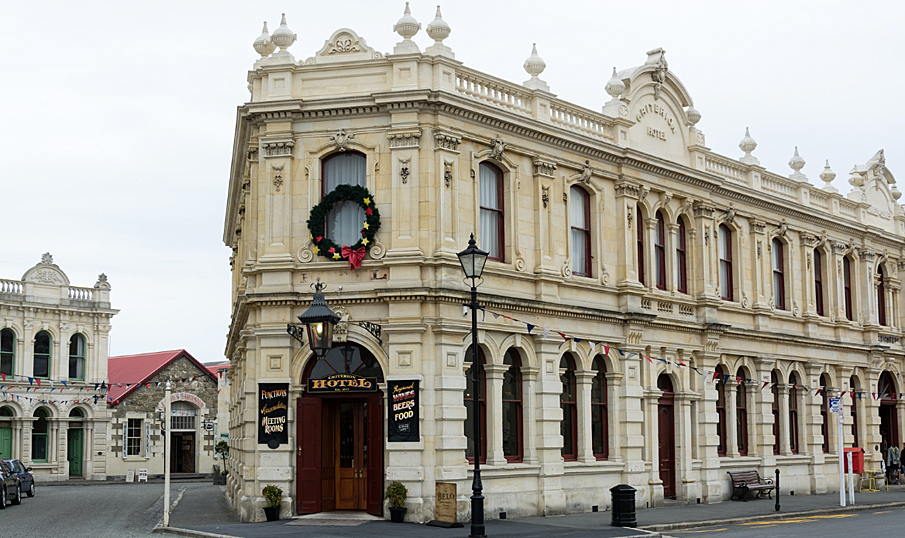
List Entry Information
Status
Listed
List Entry Status
Historic Area
Access
Private/No Public Access
List Number
7064
Date Entered
25th September 1986
Date of Effect
19th July 2017
City/District Council
Waitaki District
Region
Otago Region
Extent of List Entry
This historic area consists of an area of land that contains a group of inter-related historic places. The identified historic places that contribute to the values in this historic area are included in the key to the maps in Appendix 1 of the List entry report. The area of land that encompasses these historic places, includes part of the land described as Sec 8 Blk II Town of Oamaru (RT OT349/216), Sec 9 Blk II Town of Oamaru (RT OT8B/64), Sec 10 Blk II Town of Oamaru (RT OT253/17), Sec 1 SO 439397 (Legal Road), Sec 2 SO 439397 (RT 629123), Pt Sec 6 Blk XXVI Town of Oamaru (RT OT200/192), Pt Sec 8 Blk XCV Town of Oamaru (RT OT320/178, NZ Gazette 1902 p 1794), Lots 10-12 & Pt Lot 13 DP 107 & Medway Street DP 107 (RT 184607), Pt Sec 27 Blk III Town of Oamaru (RT 629124), Sec 1 SO 396218 (RT 480956, NZ Gazette 2008 p 1643), Lot 4 DP 422714 (RT 488766), Otago Land District, and the land described as Lot 4 DP 487054 (RT 696031), Sec 11 Blk II Town of Oamaru (RT OT198/8), Lot 3 DP 8249 (RT OT383/249), Lot 2 DP 88 (RTs 14605, 134676), Lot 3 DP 88 (RT OT18C/519), Lot 4 DP 88 (RT OT18C/520), Lots 5-6 DP 88 (RT OT18C/521), Lots 7-8 DP 88 (RT 8452, OT294/243), Lots 9-10 DP 88 (RT OT413/83, 697412), Lots 11-12 DP 88 (RT OT413/83, 8156), Lots 13-14 DP 88 (RT OT413/83, 8157), Lots 15-16 DP 88 (RT OT413/83, 28201), Lot 17 DP 88 (RT OT15C/401, 8369), Lots 18-21 DP 88 (RT OT18C/646), Lots 22-24 DP 88 (RT OT18C/647, 9680), Lots 25-28 DP 88 (RT OT18C/648, 311067), Lots 29-30 DP 88 (RT OT18C/649, 9985), Lots 31-32 DP 88 (RT OT15C/1041), Lot 9 DP 285 (RT 349401, 482832), Pt Sec 27 Blk III Town of Oamaru, Lot 2 DP 332876 (RT 134676), Lot 1 DP 332876 (RT 134675, 210000), Sec 23 Blk III Town of Oamaru (RT OTB2/264), Sec 25 Blk III Town of Oamaru (RT OT3A/292), Sec 26 Blk III Town of Oamaru (RT OT17C/887), Pt Sec 1 Blk III Town of Oamaru (RT OT177/100), Pt Sec 1 Blk III Town of Oamaru (no Title), Sec 2 Blk III Town of Oamaru (RT OT222/210), Pt Secs 3, 18 & Secs 4, 6, 19-20 Blk III Town of Oamaru (RT OT8C/321), Pt Sec 3 & Secs 5, 17 Blk III Town of Oamaru (RT OT8C/322), Secs 7-8 Blk III Town of Oamaru (RT OT5A/805), Sec 9 & Pt Sec 14 Blk III Town of Oamaru (RT 244/172), Sec 15 Blk III Town of Oamaru (RT OT8C/205), Sec 16 Blk III Town of Oamaru (RT OT16/249), Pt Sec 18 Blk III Town of Oamaru (RT OT222/223), Pt Sec 21 Blk III Town of Oamaru (RT OT299/90), Pt Sec 21 Blk III Town of Oamaru (RT OT129/271) Pt Sec 22 Blk III Town of Oamaru (RT OT146/143), Pt Sec 22 Blk III Town of Oamaru (RT OT232/116), Pt Sec 22 Blk III Town of Oamaru (RT OT222/227), Pt Secs 12-13 Blk III Town of Oamaru (RT OT75/298), Pt Sec 13 Blk III Town of Oamaru (RT OT10D/1078), Lot 1 DP 4000 (RT OT237/77), Lot 2 DP 4000 (RT 244/171), Lot 1 DP 4109 (RT OT246/159), Pt Lots 2, 4 & Lots 3, 5-7 DP 2633 (RT OT194/27), Pt Lot 2 DP 2633 (RT OT194/26), Lot 1 DP 2633 (RT OT194/25), Lot 1 DP 6417, Lots 2, 5 DP 5750 (RT OT330/218), Lots 3-4 DP 5750 (RT OT313/69), Lot 2 DP 6417 (RT OT330/113), Lot 1 DP 16691 (RT OT7C/122), Pt Sec 5 Blk XXVI Town of Oamaru (RT OT231/51), Pt Sec 5 Blk XXVI Town of Oamaru (RT OT231/52), Pt Sec 6 Blk XXVI Town of Oamaru (RT OT200/191), Sec 7 Blk XXVI Town of Oamaru (RT OT231/53), Sec 8 Blk XXVI Town of Oamaru (RT OT6B/1015), Lot 1 DP 3001 (RT OT192/284), Lots 2-3 DP 3001 (RT OT202/205), Pt Sec 10 Blk XXVI Town of Oamaru (RT OT231/81), Pt Sec 10 Blk XXVI Town of Oamaru (RT OT231/82), Pt Secs 10,12 & Sec 11 Blk XXVI Town of Oamaru (RT OT231/83), Pt Sec 12 Blk XXVI Town of Oamaru (RT OT5B/176), Pt Sec 12 Blk XXVI Town of Oamaru (RT OT231/80), Pt Sec 12 Blk XXVI Town of Oamaru (RT OT231/79), Secs 13-14 Blk XXVI Town of Oamaru (RT OT231/57), Sec 15 Blk XXVI Town of Oamaru (RT OT231/60), Sec 16 Blk XXVI Town of Oamaru (RT OT36/263), Sec 17 Blk XXVI Town of Oamaru (RT OT260/289), Sec 14 Blk XCV Town of Oamaru (RT OT5A/191, NZ Gazette 1985 p 4768), Sec 15 Blk XCV Town of Oamaru (RT OT13A/752, NZ Gazette 1987 p 290), Sec 16 Blk XCV Town of Oamaru (RT OT13A/754), Sec 17 Blk XCV Town of Oamaru (RT OT13A/753, NZ Gazette 1987 p 290), Sec 18 Blk XCV Town of Oamaru (RT OT24/51, NZ Gazette 1987 p 290), Lot 1 DP 20487 (RT OT12A/1102, NZ Gazette 1990 p 3170), Lots 1-3 DP 7552 (NZ Gazette 1985 p 1660), Pt Sec 8 Blk XCV Town of Oamaru (Public Utility Reserve, Oamaru Reserves Ordinance 1865), Lot 1 DP 21229 (RT OT13A/1386), Lot 2 DP 21229 (RT OT13A/1384), Lot 3 DP 21229 (RT OT13A/1385), Lot 2 DP 6043 (RT OT320/177), Lot 3 DP 6043 (RT OT321/85), Lot 6 DP 6043 (RT OT327/22), Lot 1 DP 19661 (RT OT49/184), Lot 2 DP 19661 (NZ Gazette 1946 p 648), Pt Secs 1-4 Blk XCV Town of Oamaru (RT OT225/261), Pt Sec 7 Blk XCV Town of Oamaru (RT OT18C/532), Pt Sec 7 Blk XCV Town of Oamaru (RT OT291/175, NZ Gazette 1986 p 4375), Pt Sec 7 Blk XCV Town of Oamaru (RT OT13A/153, 3062), Lot 1 DP 17558 (RT OT18C/530), Lot 1 DP 107 (RT OT10B/376), Lot 2 DP 107 (RT OT15C/574), Lots 3-4 DP 107 (RT OT15C/575), Lot 5 DP 107 (RT OT13B/519), Lot 6 DP 107 (RT OT11A/876), Lot 7 DP 107 (RT 184606), Lots 8-9 DP 107 (RT OT17C/526), Pt Lot 1 & Lot 1 DP 19773 (RT OT265/147, NZ Gazette 1986 p 5198), Lot 2 DP 19773 (RT OT69/89), Lot 3 DP 19773 (RT OT65/84), Pt Sec 11 Blk XCV Town of Oamaru (RT 187043), Lots 1-2 DP 3102 (RT 187043, 469514), Lots 3-4 DP 3102 (RT 187044), Lots 5-6 DP 3102 (RT OT13C/474), Lot 7 DP 3102 (RT OT13B/1089), Lot 8 DP 3102 (RT OT18A/563), Lot 9 DP 3102 (RT OT13A/1290), Sec 19 Blk XCV Town of Oamaru (RT OT14C/709, NZ Gazette 1986 p 2830), Sec 6 of 7 Blk XCV Town of Oamaru (NZ Gazette 1905 p.1787), Sec 20 Blk XCV Town of Oamaru (RT OT177/41), Sec 13 Blk XCV Town of Oamaru (RT OT3C/1402), Lot 1 DP 8328 & Lot 1 DP 19678 (NZ Gazette 1986 p 4375), Lot 1 DP 12306 (RT OT13A/1060), Sec 5 Blk V Town of Oamaru (RT OT237/122), Sec 6 Blk V Town of Oamaru (RT OT10C/1060), Sec 7 Blk V Town of Oamaru (RT OT241/202), Pt Sec 3 Blk V Town of Oamaru (RT OT213/294), Pt Sec 3 Blk V Town of Oamaru (RT OT213/295), Pt Sec 2 Blk V Town of Oamaru (RT OT274/172), Pt Sec 2 Blk V Town of Oamaru (RT OT274/173), Pt Secs 1-2 Blk V Town of Oamaru (RT OT268/131), Lot 1 DP 16616 (RT OT7C/688), Lot 2 DP 16616 (RT OT7C/687), Lot 1 DP 11888 (RT OT3D/725), Lot 2 DP 11888 (RT OT4B/393), Lot 3 DP 11888 (RT OT3D/727), Lots 4-5 DP 11888 (RT OT3D/703), Pt Sec 1 Blk V Town of Oamaru (RT OT274/138), Lot 1 DP 19687 (RT OT11A/403), Lot 2 DP 19687 (RT OT11A/404), Sec 16 & Pt Sec 15 Blk IV Town of Oamaru (RT OT222/239), Pt Sec 15 Blk IV Town of Oamaru (RT OT222/255, OT222/239), Pt Sec 15 Blk IV Town of Oamaru (RT OT244/291), Pt Sec 15 Blk IV Town of Oamaru (RT OT226/104), Pt Sec 15 Blk IV Town of Oamaru (RT OT230/186), Lots 1-2 DP 3102 & Lot 1 DP 16077 (RT OT7A/1218), Pt Lot 3, Lot 4 DP 3029 (RT OT7A/1480), Lots 5-7 DP 3029 (RT OT194/267), Lots 8-10 DP 3029 (RT OT194/224), Lots 11-12 DP 3029 (RT 318012), Pt Sec 12 Blk IV Town of Oamaru (RT OT194/265), Pt Sec 12 Blk IV Town of Oamaru (RT OT236/93), Pt Sec 12, Sec 11 Blk IV Town of Oamaru (RT OT240/153), Sec 10 Blk IV Town of Oamaru (RT OT18C/788), Lot 1 DP 10195 (RT OTB1/558), Lot 2 DP 10195 (RT OTB1/746), Lot 3 DP 10195 (RT OTB1/747), Sec 8 Blk IV Town of Oamaru (RT OT9C/1076), Sec 7 Blk IV Town of Oamaru (RT OT222/251), Lots 5-6 DP 4115 & Pt Sec 6 Blk XXVI Town of Oamaru (RT OT246/240), Lot 1-2 DP 4115 (RT OT308/57), Lot 1 DP 7178 & Lot 1 DP 10607 (RT OT17B/1132), Lot 1 DP 16544 (RT OT7C/117), Lot 2 DP 16544 (RT OT8A/866), Lot 3 DP 16544 (RT OT7C/119), Sec 2 Blk IV Town of Oamaru (RT OT8B/50), Sec 1 Blk IV Town of Oamaru (RT OT27/269), Pt Railway Land Blk III Town of Oamaru (NZ Gazette 1997 p 3106), Pt Railway Land Blk III Town of Oamaru (NZ Gazette 2008 p 1643), Lots 5-8 DP 285 (RT OT15B/743), Lot 10 DP 2302 (RT OT15C/962, 396393), Otago Land District. Within the boundary of the historic area there are places that do not contribute to the values of the historic area and are therefore excluded from the group of inter-related historic places that form this historic area. These places are outlined on the map and schedule of non-contributing places in Appendix 1 of the List entry report.
Legal description
Legal Road, Main South Line, Sec 8 Blk II Town of Oamaru (RT OT349/216), Sec 9 Blk II Town of Oamaru (RT OT8B/64), Sec 10 Blk II Town of Oamaru (RT OT253/17), Sec 1 SO 439397 (Legal Road), Sec 2 SO 439397 (RT 629123), Pt Sec 6 Blk XXVI Town of Oamaru (RT OT200/192), Pt Sec 8 Blk XCV Town of Oamaru (RT OT320/178, NZ Gazette 1902 p 1794), Lots 10-12 & Pt Lot 13 DP 107 & Medway Street DP 107 (RT 184607), Pt Sec 27 Blk III Town of Oamaru (RT 629124), Sec 1 SO 396218 (RT 480956, NZ Gazette 2008 p 1643), Lot 4 DP 422714 (RT 488766), Sec 11 Blk II Town of Oamaru (RT OT198/8), Lot 3 DP 8249 (RT OT383/249), Lot 2 DP 88 (RTs 14605, 134676), Lot 3 DP 88 (RT OT18C/519), Lot 4 DP 88 (RT OT18C/520), Lots 5-6 DP 88 (RT OT18C/521), Lots 7-8 DP 88 (RT 8452, OT294/243), Lots 9-10 DP 88 (RT OT413/83, 697412), Lots 11-12 DP 88 (RT OT413/83, 8156), Lots 13-14 DP 88 (RT OT413/83, 8157), Lots 15-16 DP 88 (RT OT413/83, 28201), Lot 17 DP 88 (RT OT15C/401, 8369), Lots 18-21 DP 88 (RT OT18C/646), Lots 22-24 DP 88 (RT OT18C/647, 9680), Lots 25-28 DP 88 (RT OT18C/648, 311067), Lots 29-30 DP 88 (RT OT18C/649, 9985), Lots 31-32 DP 88 (RT OT15C/1041), Lot 9 DP 285 (RT 349401, 482832), Pt Sec 27 Blk III Town of Oamaru, Lot 2 DP 332876 (RT 134676), Lot 1 DP 332876 (RT 134675, 210000), Sec 23 Blk III Town of Oamaru (RT OTB2/264), Sec 25 Blk III Town of Oamaru (RT OT3A/292), Sec 26 Blk III Town of Oamaru (RT OT17C/887), Pt Sec 1 Blk III Town of Oamaru (RT OT177/100), Pt Sec 1 Blk III Town of Oamaru (no Title), Sec 2 Blk III Town of Oamaru (RT OT222/210), Pt Secs 3, 18 & Secs 4, 6, 19-20 Blk III Town of Oamaru (RT OT8C/321), Pt Sec 3 & Secs 5, 17 Blk III Town of Oamaru (RT OT8C/322), Secs 7-8 Blk III Town of Oamaru (RT OT5A/805), Sec 9 & Pt Sec 14 Blk III Town of Oamaru (RT 244/172), Sec 15 Blk III Town of Oamaru (RT OT8C/205), Sec 16 Blk III Town of Oamaru (RT OT16/249), Pt Sec 18 Blk III Town of Oamaru (RT OT222/223), Pt Sec 21 Blk III Town of Oamaru (RT OT299/90), Pt Sec 21 Blk III Town of Oamaru (RT OT129/271), Pt Sec 22 Blk III Town of Oamaru (RT OT146/143), Pt Sec 22 Blk III Town of Oamaru (RT OT232/116), Pt Sec 22 Blk III Town of Oamaru (RT OT222/227), Pt Secs 12-13 Blk III Town of Oamaru (RT OT75/298), Pt Sec 13 Blk III Town of Oamaru (RT OT10D/1078), Lot 1 DP 4000 (RT OT237/77), Lot 2 DP 4000 (RT 244/171), Lot 1 DP 4109 (RT OT246/159), Pt Lots 2, 4 & Lots 3, 5-7 DP 2633 (RT OT194/27), Pt Lot 2 DP 2633 (RT OT194/26), Lot 1 DP 2633 (RT OT194/25), Lot 1 DP 6417, Lots 2, 5 DP 5750 (RT OT330/218), Lots 3-4 DP 5750 (RT OT313/69), Lot 2 DP 6417 (RT OT330/113), Lot 1 DP 16691 (RT OT7C/122), Pt Sec 5 Blk XXVI Town of Oamaru (RT OT231/51), Pt Sec 5 Blk XXVI Town of Oamaru (RT OT231/52), Pt Sec 6 Blk XXVI Town of Oamaru (RT OT200/191), Sec 7 Blk XXVI Town of Oamaru (RT OT231/53), Sec 8 Blk XXVI Town of Oamaru (RT OT6B/1015), Lot 1 DP 3001 (RT OT192/284), Lots 2-3 DP 3001 (RT OT202/205), Pt Sec 10 Blk XXVI Town of Oamaru (RT OT231/81), Pt Sec 10 Blk XXVI Town of Oamaru (RT OT231/82), Pt Secs 10,12 & Sec 11 Blk XXVI Town of Oamaru (RT OT231/83), Pt Sec 12 Blk XXVI Town of Oamaru (RT OT5B/176), Pt Sec 12 Blk XXVI Town of Oamaru (RT OT231/80), Pt Sec 12 Blk XXVI Town of Oamaru (RT OT231/79), Secs 13-14 Blk XXVI Town of Oamaru (RT OT231/57), Sec 15 Blk XXVI Town of Oamaru (RT OT231/60), Sec 16 Blk XXVI Town of Oamaru (RT OT36/263), Sec 17 Blk XXVI Town of Oamaru (RT OT260/289), Sec 14 Blk XCV Town of Oamaru (RT OT5A/191, NZ Gazette 1985 p 4768), Sec 15 Blk XCV Town of Oamaru (RT OT13A/752, NZ Gazette 1987 p 290), Sec 16 Blk XCV Town of Oamaru (RT OT13A/754), Sec 17 Blk XCV Town of Oamaru (RT OT13A/753, NZ Gazette 1987 p 290), Sec 18 Blk XCV Town of Oamaru (RT OT24/51, NZ Gazette 1987 p 290), Lot 1 DP 20487 (RT OT12A/1102, NZ Gazette 1990 p 3170), Lots 1-3 DP 7552 (NZ Gazette 1985 p 1660), Pt Sec 8 Blk XCV Town of Oamaru (Public Utility Reserve, Oamaru Reserves Ordinance 1865), Lot 1 DP 21229 (RT OT13A/1386), Lot 2 DP 21229 (RT OT13A/1384), Lot 3 DP 21229 (RT OT13A/1385), Lot 2 DP 6043 (RT OT320/177), Lot 3 DP 6043 (RT OT321/85), Lot 6 DP 6043 (RT OT327/22), Lot 1 DP 19661 (RT OT49/184), Lot 2 DP 19661 (NZ Gazette 1946 p 648), Pt Secs 1-4 Blk XCV Town of Oamaru (RT OT225/261), Pt Sec 7 Blk XCV Town of Oamaru (RT OT18C/532), Pt Sec 7 Blk XCV Town of Oamaru (RT OT291/175, NZ Gazette 1986 p 4375), Pt Sec 7 Blk XCV Town of Oamaru (RT OT13A/153, 3062), Lot 1 DP 17558 (RT OT18C/530), Lot 1 DP 107 (RT OT10B/376), Lot 2 DP 107 (RT OT15C/574), Lots 3-4 DP 107 (RT OT15C/575), Lot 5 DP 107 (RT OT13B/519), Lot 6 DP 107 (RT OT11A/876), Lot 7 DP 107 (RT 184606), Lots 8-9 DP 107 (RT OT17C/526),Pt Lot 1 & Lot 1 DP 19773 (RT OT265/147, NZ Gazette 1986 p 5198), Lot 2 DP 19773 (RT OT69/89), Lot 3 DP 19773 (RT OT65/84), Pt Sec 11 Blk XCV Town of Oamaru (RT 187043), Lots 1-2 DP 3102 (RT 187043, 469514), Lots 3-4 DP 3102 (RT 187044), Lots 5-6 DP 3102 (RT OT13C/474), Lot 7 DP 3102 (RT OT13B/1089), Lot 8 DP 3102 (RT OT18A/563), Lot 9 DP 3102 (RT OT13A/1290), Sec 19 Blk XCV Town of Oamaru (RT OT14C/709, NZ Gazette 1986 p 2830), Sec 6 of 7 Blk XCV Town of Oamaru (NZ Gazette 1905 p.1787), Sec 20 Blk XCV Town of Oamaru (RT OT177/41), Sec 13 Blk XCV Town of Oamaru (RT OT3C/1402), Lot 1 DP 8328 & Lot 1 DP 19678 (NZ Gazette 1986 p 4375), Lot 1 DP 12306 (RT OT13A/1060), Sec 5 Blk V Town of Oamaru (RT OT237/122), Sec 6 Blk V Town of Oamaru (RT OT10C/1060), Sec 7 Blk V Town of Oamaru (RT OT241/202), Pt Sec 3 Blk V Town of Oamaru (RT OT213/294), Pt Sec 3 Blk V Town of Oamaru (RT OT213/295), Pt Sec 2 Blk V Town of Oamaru (RT OT274/172), Pt Sec 2 Blk V Town of Oamaru (RT OT274/173), Pt Secs 1-2 Blk V Town of Oamaru (RT OT268/131), Lot 1 DP 16616 (RT OT7C/688), Lot 2 DP 16616 (RT OT7C/687), Lot 1 DP 11888 (RT OT3D/725), Lot 2 DP 11888 (RT OT4B/393), Lot 3 DP 11888 (RT OT3D/727), Lots 4-5 DP 11888 (RT OT3D/703), Pt Sec 1 Blk V Town of Oamaru (RT OT274/138), Lot 1 DP 19687 (RT OT11A/403), Lot 2 DP 19687 (RT OT11A/404), Sec 16 & Pt Sec 15 Blk IV Town of Oamaru (RT OT222/239), Pt Sec 15 Blk IV Town of Oamaru (RT OT222/255, OT222/239), Pt Sec 15 Blk IV Town of Oamaru (RT OT244/291), Pt Sec 15 Blk IV Town of Oamaru (RT OT226/104), Pt Sec 15 Blk IV Town of Oamaru (RT OT230/186), Lots 1-2 DP 3102 & Lot 1 DP 16077 (RT OT7A/1218), Pt Lot 3, Lot 4 DP 3029 (RT OT7A/1480), Lots 5-7 DP 3029 (RT OT194/267), Lots 8-10 DP 3029 (RT OT194/224), Lots 11-12 DP 3029 (RT 318012), Pt Sec 12 Blk IV Town of Oamaru (RT OT194/265), Pt Sec 12 Blk IV Town of Oamaru (RT OT236/93), Pt Sec 12, Sec 11 Blk IV Town of Oamaru (RT OT240/153), Sec 10 Blk IV Town of Oamaru (RT OT18C/788), Lot 1 DP 10195 (RT OTB1/558), Lot 2 DP 10195 (RT OTB1/746), Lot 3 DP 10195 (RT OTB1/747), Sec 8 Blk IV Town of Oamaru (RT OT9C/1076), Sec 7 Blk IV Town of Oamaru (RT OT222/251), Lots 5-6 DP 4115 & Pt Sec 6 Blk XXVI Town of Oamaru (RT OT246/240), Lot 1-2 DP 4115 (RT OT308/57), Lot 1 DP 7178 & Lot 1 DP 10607 (RT OT17B/1132), Lot 1 DP 16544 (RT OT7C/117), Lot 2 DP 16544 (RT OT8A/866), Lot 3 DP 16544 (RT OT7C/119), Sec 2 Blk IV Town of Oamaru (RT OT8B/50), Sec 1 Blk IV Town of Oamaru (RT OT27/269), PT Railway Land Blk III Town of Oamaru (NZ Gazette 1997 p 3106), Pt Railway Land Blk III Town of Oamaru (NZ Gazette 2008 p 1643), Lots 5-8 DP 285 (RT OT15B/743), Lot 10 DP 2302 (RT OT15C/962, 396393), Lot 4 DP 487054 (RT 696031), Otago Land District
Location Description
The Oamaru Historic Area includes buildings on Harbour Street, Tyne Street from Itchen Street to 36 Tyne Street, Wansbeck Street up to the Masonic Centre, Tees Street between Wansbeck and Itchen Streets, Itchen Street from Tyne Street to Severn Street (largely on the north side), Meek Street, Severn Street (east side), Medway Street, Coquet Street, Wear Street and Thames Street, between Itchen Street and Severn Street.
Status
Listed
List Entry Status
Historic Area
Access
Private/No Public Access
List Number
7064
Date Entered
25th September 1986
Date of Effect
19th July 2017
City/District Council
Waitaki District
Region
Otago Region
Extent of List Entry
This historic area consists of an area of land that contains a group of inter-related historic places. The identified historic places that contribute to the values in this historic area are included in the key to the maps in Appendix 1 of the List entry report. The area of land that encompasses these historic places, includes part of the land described as Sec 8 Blk II Town of Oamaru (RT OT349/216), Sec 9 Blk II Town of Oamaru (RT OT8B/64), Sec 10 Blk II Town of Oamaru (RT OT253/17), Sec 1 SO 439397 (Legal Road), Sec 2 SO 439397 (RT 629123), Pt Sec 6 Blk XXVI Town of Oamaru (RT OT200/192), Pt Sec 8 Blk XCV Town of Oamaru (RT OT320/178, NZ Gazette 1902 p 1794), Lots 10-12 & Pt Lot 13 DP 107 & Medway Street DP 107 (RT 184607), Pt Sec 27 Blk III Town of Oamaru (RT 629124), Sec 1 SO 396218 (RT 480956, NZ Gazette 2008 p 1643), Lot 4 DP 422714 (RT 488766), Otago Land District, and the land described as Lot 4 DP 487054 (RT 696031), Sec 11 Blk II Town of Oamaru (RT OT198/8), Lot 3 DP 8249 (RT OT383/249), Lot 2 DP 88 (RTs 14605, 134676), Lot 3 DP 88 (RT OT18C/519), Lot 4 DP 88 (RT OT18C/520), Lots 5-6 DP 88 (RT OT18C/521), Lots 7-8 DP 88 (RT 8452, OT294/243), Lots 9-10 DP 88 (RT OT413/83, 697412), Lots 11-12 DP 88 (RT OT413/83, 8156), Lots 13-14 DP 88 (RT OT413/83, 8157), Lots 15-16 DP 88 (RT OT413/83, 28201), Lot 17 DP 88 (RT OT15C/401, 8369), Lots 18-21 DP 88 (RT OT18C/646), Lots 22-24 DP 88 (RT OT18C/647, 9680), Lots 25-28 DP 88 (RT OT18C/648, 311067), Lots 29-30 DP 88 (RT OT18C/649, 9985), Lots 31-32 DP 88 (RT OT15C/1041), Lot 9 DP 285 (RT 349401, 482832), Pt Sec 27 Blk III Town of Oamaru, Lot 2 DP 332876 (RT 134676), Lot 1 DP 332876 (RT 134675, 210000), Sec 23 Blk III Town of Oamaru (RT OTB2/264), Sec 25 Blk III Town of Oamaru (RT OT3A/292), Sec 26 Blk III Town of Oamaru (RT OT17C/887), Pt Sec 1 Blk III Town of Oamaru (RT OT177/100), Pt Sec 1 Blk III Town of Oamaru (no Title), Sec 2 Blk III Town of Oamaru (RT OT222/210), Pt Secs 3, 18 & Secs 4, 6, 19-20 Blk III Town of Oamaru (RT OT8C/321), Pt Sec 3 & Secs 5, 17 Blk III Town of Oamaru (RT OT8C/322), Secs 7-8 Blk III Town of Oamaru (RT OT5A/805), Sec 9 & Pt Sec 14 Blk III Town of Oamaru (RT 244/172), Sec 15 Blk III Town of Oamaru (RT OT8C/205), Sec 16 Blk III Town of Oamaru (RT OT16/249), Pt Sec 18 Blk III Town of Oamaru (RT OT222/223), Pt Sec 21 Blk III Town of Oamaru (RT OT299/90), Pt Sec 21 Blk III Town of Oamaru (RT OT129/271) Pt Sec 22 Blk III Town of Oamaru (RT OT146/143), Pt Sec 22 Blk III Town of Oamaru (RT OT232/116), Pt Sec 22 Blk III Town of Oamaru (RT OT222/227), Pt Secs 12-13 Blk III Town of Oamaru (RT OT75/298), Pt Sec 13 Blk III Town of Oamaru (RT OT10D/1078), Lot 1 DP 4000 (RT OT237/77), Lot 2 DP 4000 (RT 244/171), Lot 1 DP 4109 (RT OT246/159), Pt Lots 2, 4 & Lots 3, 5-7 DP 2633 (RT OT194/27), Pt Lot 2 DP 2633 (RT OT194/26), Lot 1 DP 2633 (RT OT194/25), Lot 1 DP 6417, Lots 2, 5 DP 5750 (RT OT330/218), Lots 3-4 DP 5750 (RT OT313/69), Lot 2 DP 6417 (RT OT330/113), Lot 1 DP 16691 (RT OT7C/122), Pt Sec 5 Blk XXVI Town of Oamaru (RT OT231/51), Pt Sec 5 Blk XXVI Town of Oamaru (RT OT231/52), Pt Sec 6 Blk XXVI Town of Oamaru (RT OT200/191), Sec 7 Blk XXVI Town of Oamaru (RT OT231/53), Sec 8 Blk XXVI Town of Oamaru (RT OT6B/1015), Lot 1 DP 3001 (RT OT192/284), Lots 2-3 DP 3001 (RT OT202/205), Pt Sec 10 Blk XXVI Town of Oamaru (RT OT231/81), Pt Sec 10 Blk XXVI Town of Oamaru (RT OT231/82), Pt Secs 10,12 & Sec 11 Blk XXVI Town of Oamaru (RT OT231/83), Pt Sec 12 Blk XXVI Town of Oamaru (RT OT5B/176), Pt Sec 12 Blk XXVI Town of Oamaru (RT OT231/80), Pt Sec 12 Blk XXVI Town of Oamaru (RT OT231/79), Secs 13-14 Blk XXVI Town of Oamaru (RT OT231/57), Sec 15 Blk XXVI Town of Oamaru (RT OT231/60), Sec 16 Blk XXVI Town of Oamaru (RT OT36/263), Sec 17 Blk XXVI Town of Oamaru (RT OT260/289), Sec 14 Blk XCV Town of Oamaru (RT OT5A/191, NZ Gazette 1985 p 4768), Sec 15 Blk XCV Town of Oamaru (RT OT13A/752, NZ Gazette 1987 p 290), Sec 16 Blk XCV Town of Oamaru (RT OT13A/754), Sec 17 Blk XCV Town of Oamaru (RT OT13A/753, NZ Gazette 1987 p 290), Sec 18 Blk XCV Town of Oamaru (RT OT24/51, NZ Gazette 1987 p 290), Lot 1 DP 20487 (RT OT12A/1102, NZ Gazette 1990 p 3170), Lots 1-3 DP 7552 (NZ Gazette 1985 p 1660), Pt Sec 8 Blk XCV Town of Oamaru (Public Utility Reserve, Oamaru Reserves Ordinance 1865), Lot 1 DP 21229 (RT OT13A/1386), Lot 2 DP 21229 (RT OT13A/1384), Lot 3 DP 21229 (RT OT13A/1385), Lot 2 DP 6043 (RT OT320/177), Lot 3 DP 6043 (RT OT321/85), Lot 6 DP 6043 (RT OT327/22), Lot 1 DP 19661 (RT OT49/184), Lot 2 DP 19661 (NZ Gazette 1946 p 648), Pt Secs 1-4 Blk XCV Town of Oamaru (RT OT225/261), Pt Sec 7 Blk XCV Town of Oamaru (RT OT18C/532), Pt Sec 7 Blk XCV Town of Oamaru (RT OT291/175, NZ Gazette 1986 p 4375), Pt Sec 7 Blk XCV Town of Oamaru (RT OT13A/153, 3062), Lot 1 DP 17558 (RT OT18C/530), Lot 1 DP 107 (RT OT10B/376), Lot 2 DP 107 (RT OT15C/574), Lots 3-4 DP 107 (RT OT15C/575), Lot 5 DP 107 (RT OT13B/519), Lot 6 DP 107 (RT OT11A/876), Lot 7 DP 107 (RT 184606), Lots 8-9 DP 107 (RT OT17C/526), Pt Lot 1 & Lot 1 DP 19773 (RT OT265/147, NZ Gazette 1986 p 5198), Lot 2 DP 19773 (RT OT69/89), Lot 3 DP 19773 (RT OT65/84), Pt Sec 11 Blk XCV Town of Oamaru (RT 187043), Lots 1-2 DP 3102 (RT 187043, 469514), Lots 3-4 DP 3102 (RT 187044), Lots 5-6 DP 3102 (RT OT13C/474), Lot 7 DP 3102 (RT OT13B/1089), Lot 8 DP 3102 (RT OT18A/563), Lot 9 DP 3102 (RT OT13A/1290), Sec 19 Blk XCV Town of Oamaru (RT OT14C/709, NZ Gazette 1986 p 2830), Sec 6 of 7 Blk XCV Town of Oamaru (NZ Gazette 1905 p.1787), Sec 20 Blk XCV Town of Oamaru (RT OT177/41), Sec 13 Blk XCV Town of Oamaru (RT OT3C/1402), Lot 1 DP 8328 & Lot 1 DP 19678 (NZ Gazette 1986 p 4375), Lot 1 DP 12306 (RT OT13A/1060), Sec 5 Blk V Town of Oamaru (RT OT237/122), Sec 6 Blk V Town of Oamaru (RT OT10C/1060), Sec 7 Blk V Town of Oamaru (RT OT241/202), Pt Sec 3 Blk V Town of Oamaru (RT OT213/294), Pt Sec 3 Blk V Town of Oamaru (RT OT213/295), Pt Sec 2 Blk V Town of Oamaru (RT OT274/172), Pt Sec 2 Blk V Town of Oamaru (RT OT274/173), Pt Secs 1-2 Blk V Town of Oamaru (RT OT268/131), Lot 1 DP 16616 (RT OT7C/688), Lot 2 DP 16616 (RT OT7C/687), Lot 1 DP 11888 (RT OT3D/725), Lot 2 DP 11888 (RT OT4B/393), Lot 3 DP 11888 (RT OT3D/727), Lots 4-5 DP 11888 (RT OT3D/703), Pt Sec 1 Blk V Town of Oamaru (RT OT274/138), Lot 1 DP 19687 (RT OT11A/403), Lot 2 DP 19687 (RT OT11A/404), Sec 16 & Pt Sec 15 Blk IV Town of Oamaru (RT OT222/239), Pt Sec 15 Blk IV Town of Oamaru (RT OT222/255, OT222/239), Pt Sec 15 Blk IV Town of Oamaru (RT OT244/291), Pt Sec 15 Blk IV Town of Oamaru (RT OT226/104), Pt Sec 15 Blk IV Town of Oamaru (RT OT230/186), Lots 1-2 DP 3102 & Lot 1 DP 16077 (RT OT7A/1218), Pt Lot 3, Lot 4 DP 3029 (RT OT7A/1480), Lots 5-7 DP 3029 (RT OT194/267), Lots 8-10 DP 3029 (RT OT194/224), Lots 11-12 DP 3029 (RT 318012), Pt Sec 12 Blk IV Town of Oamaru (RT OT194/265), Pt Sec 12 Blk IV Town of Oamaru (RT OT236/93), Pt Sec 12, Sec 11 Blk IV Town of Oamaru (RT OT240/153), Sec 10 Blk IV Town of Oamaru (RT OT18C/788), Lot 1 DP 10195 (RT OTB1/558), Lot 2 DP 10195 (RT OTB1/746), Lot 3 DP 10195 (RT OTB1/747), Sec 8 Blk IV Town of Oamaru (RT OT9C/1076), Sec 7 Blk IV Town of Oamaru (RT OT222/251), Lots 5-6 DP 4115 & Pt Sec 6 Blk XXVI Town of Oamaru (RT OT246/240), Lot 1-2 DP 4115 (RT OT308/57), Lot 1 DP 7178 & Lot 1 DP 10607 (RT OT17B/1132), Lot 1 DP 16544 (RT OT7C/117), Lot 2 DP 16544 (RT OT8A/866), Lot 3 DP 16544 (RT OT7C/119), Sec 2 Blk IV Town of Oamaru (RT OT8B/50), Sec 1 Blk IV Town of Oamaru (RT OT27/269), Pt Railway Land Blk III Town of Oamaru (NZ Gazette 1997 p 3106), Pt Railway Land Blk III Town of Oamaru (NZ Gazette 2008 p 1643), Lots 5-8 DP 285 (RT OT15B/743), Lot 10 DP 2302 (RT OT15C/962, 396393), Otago Land District. Within the boundary of the historic area there are places that do not contribute to the values of the historic area and are therefore excluded from the group of inter-related historic places that form this historic area. These places are outlined on the map and schedule of non-contributing places in Appendix 1 of the List entry report.
Legal description
Legal Road, Main South Line, Sec 8 Blk II Town of Oamaru (RT OT349/216), Sec 9 Blk II Town of Oamaru (RT OT8B/64), Sec 10 Blk II Town of Oamaru (RT OT253/17), Sec 1 SO 439397 (Legal Road), Sec 2 SO 439397 (RT 629123), Pt Sec 6 Blk XXVI Town of Oamaru (RT OT200/192), Pt Sec 8 Blk XCV Town of Oamaru (RT OT320/178, NZ Gazette 1902 p 1794), Lots 10-12 & Pt Lot 13 DP 107 & Medway Street DP 107 (RT 184607), Pt Sec 27 Blk III Town of Oamaru (RT 629124), Sec 1 SO 396218 (RT 480956, NZ Gazette 2008 p 1643), Lot 4 DP 422714 (RT 488766), Sec 11 Blk II Town of Oamaru (RT OT198/8), Lot 3 DP 8249 (RT OT383/249), Lot 2 DP 88 (RTs 14605, 134676), Lot 3 DP 88 (RT OT18C/519), Lot 4 DP 88 (RT OT18C/520), Lots 5-6 DP 88 (RT OT18C/521), Lots 7-8 DP 88 (RT 8452, OT294/243), Lots 9-10 DP 88 (RT OT413/83, 697412), Lots 11-12 DP 88 (RT OT413/83, 8156), Lots 13-14 DP 88 (RT OT413/83, 8157), Lots 15-16 DP 88 (RT OT413/83, 28201), Lot 17 DP 88 (RT OT15C/401, 8369), Lots 18-21 DP 88 (RT OT18C/646), Lots 22-24 DP 88 (RT OT18C/647, 9680), Lots 25-28 DP 88 (RT OT18C/648, 311067), Lots 29-30 DP 88 (RT OT18C/649, 9985), Lots 31-32 DP 88 (RT OT15C/1041), Lot 9 DP 285 (RT 349401, 482832), Pt Sec 27 Blk III Town of Oamaru, Lot 2 DP 332876 (RT 134676), Lot 1 DP 332876 (RT 134675, 210000), Sec 23 Blk III Town of Oamaru (RT OTB2/264), Sec 25 Blk III Town of Oamaru (RT OT3A/292), Sec 26 Blk III Town of Oamaru (RT OT17C/887), Pt Sec 1 Blk III Town of Oamaru (RT OT177/100), Pt Sec 1 Blk III Town of Oamaru (no Title), Sec 2 Blk III Town of Oamaru (RT OT222/210), Pt Secs 3, 18 & Secs 4, 6, 19-20 Blk III Town of Oamaru (RT OT8C/321), Pt Sec 3 & Secs 5, 17 Blk III Town of Oamaru (RT OT8C/322), Secs 7-8 Blk III Town of Oamaru (RT OT5A/805), Sec 9 & Pt Sec 14 Blk III Town of Oamaru (RT 244/172), Sec 15 Blk III Town of Oamaru (RT OT8C/205), Sec 16 Blk III Town of Oamaru (RT OT16/249), Pt Sec 18 Blk III Town of Oamaru (RT OT222/223), Pt Sec 21 Blk III Town of Oamaru (RT OT299/90), Pt Sec 21 Blk III Town of Oamaru (RT OT129/271), Pt Sec 22 Blk III Town of Oamaru (RT OT146/143), Pt Sec 22 Blk III Town of Oamaru (RT OT232/116), Pt Sec 22 Blk III Town of Oamaru (RT OT222/227), Pt Secs 12-13 Blk III Town of Oamaru (RT OT75/298), Pt Sec 13 Blk III Town of Oamaru (RT OT10D/1078), Lot 1 DP 4000 (RT OT237/77), Lot 2 DP 4000 (RT 244/171), Lot 1 DP 4109 (RT OT246/159), Pt Lots 2, 4 & Lots 3, 5-7 DP 2633 (RT OT194/27), Pt Lot 2 DP 2633 (RT OT194/26), Lot 1 DP 2633 (RT OT194/25), Lot 1 DP 6417, Lots 2, 5 DP 5750 (RT OT330/218), Lots 3-4 DP 5750 (RT OT313/69), Lot 2 DP 6417 (RT OT330/113), Lot 1 DP 16691 (RT OT7C/122), Pt Sec 5 Blk XXVI Town of Oamaru (RT OT231/51), Pt Sec 5 Blk XXVI Town of Oamaru (RT OT231/52), Pt Sec 6 Blk XXVI Town of Oamaru (RT OT200/191), Sec 7 Blk XXVI Town of Oamaru (RT OT231/53), Sec 8 Blk XXVI Town of Oamaru (RT OT6B/1015), Lot 1 DP 3001 (RT OT192/284), Lots 2-3 DP 3001 (RT OT202/205), Pt Sec 10 Blk XXVI Town of Oamaru (RT OT231/81), Pt Sec 10 Blk XXVI Town of Oamaru (RT OT231/82), Pt Secs 10,12 & Sec 11 Blk XXVI Town of Oamaru (RT OT231/83), Pt Sec 12 Blk XXVI Town of Oamaru (RT OT5B/176), Pt Sec 12 Blk XXVI Town of Oamaru (RT OT231/80), Pt Sec 12 Blk XXVI Town of Oamaru (RT OT231/79), Secs 13-14 Blk XXVI Town of Oamaru (RT OT231/57), Sec 15 Blk XXVI Town of Oamaru (RT OT231/60), Sec 16 Blk XXVI Town of Oamaru (RT OT36/263), Sec 17 Blk XXVI Town of Oamaru (RT OT260/289), Sec 14 Blk XCV Town of Oamaru (RT OT5A/191, NZ Gazette 1985 p 4768), Sec 15 Blk XCV Town of Oamaru (RT OT13A/752, NZ Gazette 1987 p 290), Sec 16 Blk XCV Town of Oamaru (RT OT13A/754), Sec 17 Blk XCV Town of Oamaru (RT OT13A/753, NZ Gazette 1987 p 290), Sec 18 Blk XCV Town of Oamaru (RT OT24/51, NZ Gazette 1987 p 290), Lot 1 DP 20487 (RT OT12A/1102, NZ Gazette 1990 p 3170), Lots 1-3 DP 7552 (NZ Gazette 1985 p 1660), Pt Sec 8 Blk XCV Town of Oamaru (Public Utility Reserve, Oamaru Reserves Ordinance 1865), Lot 1 DP 21229 (RT OT13A/1386), Lot 2 DP 21229 (RT OT13A/1384), Lot 3 DP 21229 (RT OT13A/1385), Lot 2 DP 6043 (RT OT320/177), Lot 3 DP 6043 (RT OT321/85), Lot 6 DP 6043 (RT OT327/22), Lot 1 DP 19661 (RT OT49/184), Lot 2 DP 19661 (NZ Gazette 1946 p 648), Pt Secs 1-4 Blk XCV Town of Oamaru (RT OT225/261), Pt Sec 7 Blk XCV Town of Oamaru (RT OT18C/532), Pt Sec 7 Blk XCV Town of Oamaru (RT OT291/175, NZ Gazette 1986 p 4375), Pt Sec 7 Blk XCV Town of Oamaru (RT OT13A/153, 3062), Lot 1 DP 17558 (RT OT18C/530), Lot 1 DP 107 (RT OT10B/376), Lot 2 DP 107 (RT OT15C/574), Lots 3-4 DP 107 (RT OT15C/575), Lot 5 DP 107 (RT OT13B/519), Lot 6 DP 107 (RT OT11A/876), Lot 7 DP 107 (RT 184606), Lots 8-9 DP 107 (RT OT17C/526),Pt Lot 1 & Lot 1 DP 19773 (RT OT265/147, NZ Gazette 1986 p 5198), Lot 2 DP 19773 (RT OT69/89), Lot 3 DP 19773 (RT OT65/84), Pt Sec 11 Blk XCV Town of Oamaru (RT 187043), Lots 1-2 DP 3102 (RT 187043, 469514), Lots 3-4 DP 3102 (RT 187044), Lots 5-6 DP 3102 (RT OT13C/474), Lot 7 DP 3102 (RT OT13B/1089), Lot 8 DP 3102 (RT OT18A/563), Lot 9 DP 3102 (RT OT13A/1290), Sec 19 Blk XCV Town of Oamaru (RT OT14C/709, NZ Gazette 1986 p 2830), Sec 6 of 7 Blk XCV Town of Oamaru (NZ Gazette 1905 p.1787), Sec 20 Blk XCV Town of Oamaru (RT OT177/41), Sec 13 Blk XCV Town of Oamaru (RT OT3C/1402), Lot 1 DP 8328 & Lot 1 DP 19678 (NZ Gazette 1986 p 4375), Lot 1 DP 12306 (RT OT13A/1060), Sec 5 Blk V Town of Oamaru (RT OT237/122), Sec 6 Blk V Town of Oamaru (RT OT10C/1060), Sec 7 Blk V Town of Oamaru (RT OT241/202), Pt Sec 3 Blk V Town of Oamaru (RT OT213/294), Pt Sec 3 Blk V Town of Oamaru (RT OT213/295), Pt Sec 2 Blk V Town of Oamaru (RT OT274/172), Pt Sec 2 Blk V Town of Oamaru (RT OT274/173), Pt Secs 1-2 Blk V Town of Oamaru (RT OT268/131), Lot 1 DP 16616 (RT OT7C/688), Lot 2 DP 16616 (RT OT7C/687), Lot 1 DP 11888 (RT OT3D/725), Lot 2 DP 11888 (RT OT4B/393), Lot 3 DP 11888 (RT OT3D/727), Lots 4-5 DP 11888 (RT OT3D/703), Pt Sec 1 Blk V Town of Oamaru (RT OT274/138), Lot 1 DP 19687 (RT OT11A/403), Lot 2 DP 19687 (RT OT11A/404), Sec 16 & Pt Sec 15 Blk IV Town of Oamaru (RT OT222/239), Pt Sec 15 Blk IV Town of Oamaru (RT OT222/255, OT222/239), Pt Sec 15 Blk IV Town of Oamaru (RT OT244/291), Pt Sec 15 Blk IV Town of Oamaru (RT OT226/104), Pt Sec 15 Blk IV Town of Oamaru (RT OT230/186), Lots 1-2 DP 3102 & Lot 1 DP 16077 (RT OT7A/1218), Pt Lot 3, Lot 4 DP 3029 (RT OT7A/1480), Lots 5-7 DP 3029 (RT OT194/267), Lots 8-10 DP 3029 (RT OT194/224), Lots 11-12 DP 3029 (RT 318012), Pt Sec 12 Blk IV Town of Oamaru (RT OT194/265), Pt Sec 12 Blk IV Town of Oamaru (RT OT236/93), Pt Sec 12, Sec 11 Blk IV Town of Oamaru (RT OT240/153), Sec 10 Blk IV Town of Oamaru (RT OT18C/788), Lot 1 DP 10195 (RT OTB1/558), Lot 2 DP 10195 (RT OTB1/746), Lot 3 DP 10195 (RT OTB1/747), Sec 8 Blk IV Town of Oamaru (RT OT9C/1076), Sec 7 Blk IV Town of Oamaru (RT OT222/251), Lots 5-6 DP 4115 & Pt Sec 6 Blk XXVI Town of Oamaru (RT OT246/240), Lot 1-2 DP 4115 (RT OT308/57), Lot 1 DP 7178 & Lot 1 DP 10607 (RT OT17B/1132), Lot 1 DP 16544 (RT OT7C/117), Lot 2 DP 16544 (RT OT8A/866), Lot 3 DP 16544 (RT OT7C/119), Sec 2 Blk IV Town of Oamaru (RT OT8B/50), Sec 1 Blk IV Town of Oamaru (RT OT27/269), PT Railway Land Blk III Town of Oamaru (NZ Gazette 1997 p 3106), Pt Railway Land Blk III Town of Oamaru (NZ Gazette 2008 p 1643), Lots 5-8 DP 285 (RT OT15B/743), Lot 10 DP 2302 (RT OT15C/962, 396393), Lot 4 DP 487054 (RT 696031), Otago Land District
Location Description
The Oamaru Historic Area includes buildings on Harbour Street, Tyne Street from Itchen Street to 36 Tyne Street, Wansbeck Street up to the Masonic Centre, Tees Street between Wansbeck and Itchen Streets, Itchen Street from Tyne Street to Severn Street (largely on the north side), Meek Street, Severn Street (east side), Medway Street, Coquet Street, Wear Street and Thames Street, between Itchen Street and Severn Street.
Why is this place significant?
Cultural Significance
Social Significance or Value The Oamaru Historic Area has social significance – Thames Street and the streets around Harbour, Tyne and Tees Streets are the centre of social life, representing meeting places, shopping, worship and cultural activities. For both visitors and locals, this area is the centre for community activity. Summary of Significance or Values The Oamaru Historic Area provides insight into New Zealand’s best preserved historic townscape, representing life and architecture from the 1860s into the mid-twentieth century. The Oamaru stone buildings and structures have a remarkable coherence and a range of styles but communicate a sense of grandeur and solidity as well as exuberance and solemnity. The Oamaru Historic Area represents the historic heart of Oamaru – the civic, commercial, and religious lives of the people.
Historic Significance
Historical Significance or Value The Harbour/Tyne Street area is closely associated with the first European settlement in Oamaru. In the 1870's it became the central commercial area of Oamaru during a time of prosperity. The buildings housed a mix of commercial, agricultural, and industrial uses and reflect the economic base of North Otago at that time. By the mid 1880's depression had set in. The buildings in the Oamaru Historic Area reflect the history of boom and bust in the 1870s and 1880s. Later years saw some economic recovery and new building. The later building continued the architectural themes of the boom years – substantial stone buildings with a sense of grandeur, picking up on that early identity and developments. This has created in Oamaru, a strong sense of historical identity that continues to change but is an identity firmly rooted in the past and the vibrant architecture of the town.
Physical Significance
Aesthetic Significance or Value Oamaru’s historic streetscapes have considerable aesthetic significance – with their harmonious use of Oamaru’s limestone and their combined sense of grandeur and solidity. The views along Harbour Street, along the eastern side of Tyne Street, and from the west down Itchen Street in particular, provide long uninterrupted streetscapes of buildings looking very similar to their appearance in the nineteenth and early twentieth centuries. These views are possibly the best in New Zealand for understanding the atmosphere of the commercial and warehousing heart of a prosperous late nineteenth century colonial town. Tees Street’s diminutive shops give a sense of small scale businesses and have a strong visual coherence. Thames Street with its grand civic and commercial edifices impresses with its grandeur, while Harbour/Tyne Street’s concentration of wool and grain stores and offices presents the face of business. Archaeological Significance or Value Oamaru’s buildings and the archaeological remnants of earlier structures provide an understanding of the development of the town from the 1860s. The layout, stone technologies, relationships between industries, transport routes (such as the railway and the port) have potential to provide further archaeological information about the occupation of Oamaru in the nineteenth century. Architectural Significance or Value Oamaru’s historic streetscapes represent a lineage of architectural styles from Victorian to mid-twentieth century. Many of the buildings in the area were built between 1870 and 1885 and follow the prevailing Neo-Classical style. Two of the most striking aspects of the buildings are the degree of ornamentation they exhibit, and the homogeneity of the construction material. This is a reflection not only of the town's late nineteenth century prosperity but also of the special qualities of the local limestone. During the 1870's and early 1880's, many impressive buildings were erected. The prosperity of the period, the easy availability of a first class building stone and the presence in the town of capable designers, united to produce a unique collection of commercial and industrial buildings. Such was the quality of Oamaru's commercial area at the time that it was widely regarded as the "best built" town in New Zealand. The sense of status continued with the twentieth century designs, which have continued the solidity and grandeur of earlier buildings in their modern styling. Architecturally, buildings in the area broadly follow Classical Revival styles. Forrester and Lemon, the practice which designed most of the buildings in the area employed a range Italianate styles which were pared-down and adapted to colonial conditions. The twentieth century buildings carry on the use of stone and the sense of architectural grandeur of the nineteenth century. The close architectural relationships of such a large group of buildings make this a particularly valuable part of New Zealand's built heritage. Together they form the most complete group of nineteenth century commercial and civic buildings in New Zealand. Technological Significance or Value The Oamaru stone buildings range in age from the 1860s through to the 1950s. The buildings provide evidence of the stone working technologies used and the way these have developed over time. As many buildings are conserved, the new conservation methods also provide illustration of modern building technologies and the way they are incorporated into historic structures.
Why is this place significant?
Cultural Significance
Social Significance or Value The Oamaru Historic Area has social significance – Thames Street and the streets around Harbour, Tyne and Tees Streets are the centre of social life, representing meeting places, shopping, worship and cultural activities. For both visitors and locals, this area is the centre for community activity. Summary of Significance or Values The Oamaru Historic Area provides insight into New Zealand’s best preserved historic townscape, representing life and architecture from the 1860s into the mid-twentieth century. The Oamaru stone buildings and structures have a remarkable coherence and a range of styles but communicate a sense of grandeur and solidity as well as exuberance and solemnity. The Oamaru Historic Area represents the historic heart of Oamaru – the civic, commercial, and religious lives of the people.
Historic Significance
Historical Significance or Value The Harbour/Tyne Street area is closely associated with the first European settlement in Oamaru. In the 1870's it became the central commercial area of Oamaru during a time of prosperity. The buildings housed a mix of commercial, agricultural, and industrial uses and reflect the economic base of North Otago at that time. By the mid 1880's depression had set in. The buildings in the Oamaru Historic Area reflect the history of boom and bust in the 1870s and 1880s. Later years saw some economic recovery and new building. The later building continued the architectural themes of the boom years – substantial stone buildings with a sense of grandeur, picking up on that early identity and developments. This has created in Oamaru, a strong sense of historical identity that continues to change but is an identity firmly rooted in the past and the vibrant architecture of the town.
Physical Significance
Aesthetic Significance or Value Oamaru’s historic streetscapes have considerable aesthetic significance – with their harmonious use of Oamaru’s limestone and their combined sense of grandeur and solidity. The views along Harbour Street, along the eastern side of Tyne Street, and from the west down Itchen Street in particular, provide long uninterrupted streetscapes of buildings looking very similar to their appearance in the nineteenth and early twentieth centuries. These views are possibly the best in New Zealand for understanding the atmosphere of the commercial and warehousing heart of a prosperous late nineteenth century colonial town. Tees Street’s diminutive shops give a sense of small scale businesses and have a strong visual coherence. Thames Street with its grand civic and commercial edifices impresses with its grandeur, while Harbour/Tyne Street’s concentration of wool and grain stores and offices presents the face of business. Archaeological Significance or Value Oamaru’s buildings and the archaeological remnants of earlier structures provide an understanding of the development of the town from the 1860s. The layout, stone technologies, relationships between industries, transport routes (such as the railway and the port) have potential to provide further archaeological information about the occupation of Oamaru in the nineteenth century. Architectural Significance or Value Oamaru’s historic streetscapes represent a lineage of architectural styles from Victorian to mid-twentieth century. Many of the buildings in the area were built between 1870 and 1885 and follow the prevailing Neo-Classical style. Two of the most striking aspects of the buildings are the degree of ornamentation they exhibit, and the homogeneity of the construction material. This is a reflection not only of the town's late nineteenth century prosperity but also of the special qualities of the local limestone. During the 1870's and early 1880's, many impressive buildings were erected. The prosperity of the period, the easy availability of a first class building stone and the presence in the town of capable designers, united to produce a unique collection of commercial and industrial buildings. Such was the quality of Oamaru's commercial area at the time that it was widely regarded as the "best built" town in New Zealand. The sense of status continued with the twentieth century designs, which have continued the solidity and grandeur of earlier buildings in their modern styling. Architecturally, buildings in the area broadly follow Classical Revival styles. Forrester and Lemon, the practice which designed most of the buildings in the area employed a range Italianate styles which were pared-down and adapted to colonial conditions. The twentieth century buildings carry on the use of stone and the sense of architectural grandeur of the nineteenth century. The close architectural relationships of such a large group of buildings make this a particularly valuable part of New Zealand's built heritage. Together they form the most complete group of nineteenth century commercial and civic buildings in New Zealand. Technological Significance or Value The Oamaru stone buildings range in age from the 1860s through to the 1950s. The buildings provide evidence of the stone working technologies used and the way these have developed over time. As many buildings are conserved, the new conservation methods also provide illustration of modern building technologies and the way they are incorporated into historic structures.
Construction Professional
Name
Steenson, Ivan
Type
Architect
Biography
No biography is currently available for this construction professional
Name
Forrester & Lemon
Type
Architectural Partnership
Biography
The architectural partnership of Forrester and Lemon was established in Oamaru in 1872. Thomas Forrester (1838-1907) was born in Glasgow and educated at the Glasgow School of Art. Emigrating to New Zealand in 1861 he settled in Dunedin and worked under William Mason (1810-97) and William Henry Clayton (1823-77) and later Robert Arthur Lawson (1833-1902). In 1865 he superintended the Dunedin Exhibition and from 1870 he became involved with the supervision of harbour works. Some time after 1885 he became Engineer to the Oamaru Harbour Board and in this capacity designed the repairs to the breakwater following storm damage in 1886 and later the Holmes Wharf. On his death in 1907 he was still in the employ of the Harbour Board. John Lemon (1828-1890) was born in Jamaica and travelled to England before emigrating to New Zealand in 1849. He settled in Oamaru in 1860 and with his brother Charles established a timber merchant's business. By 1869 he was in partnership with his father-in-law, George Sumpter calling themselves "Timber and General Merchants, Land and Commission Agents". This partnership was dissolved in 1872 and Lemon entered into partnership with Forrester. Lemon had no architectural experience at all, but had a wide circle of business contacts and was an efficient administrator. Buildings designed by the partnership of Forrester and Lemon include St Paul's Church (1875-76), the Harbour Board Offices (1876), Queen's (later Brydone) Hotel (1881), Waitaki Boys' High School (1883), The Courthouse (1883) and the Post Office (1883-84), all in Oamaru. Forrester and Lemon contributed greatly to Oamaru's nineteenth century character. On Lemon's death in 1890 the practice was taken over by Forrester's son, John Megget Forrester (1865-1965).
Name
Forrester and Steenson
Type
Architectural Partnership
Biography
The architect was William Ivan Cunninghame Steenson (1889-1967) (known as Ivan) of Forrester and Steenson. The architectural practice was established by Thomas Forrester and John Lemon in 1872 and John, the only son of Thomas Forrester, took over the business in 1890. Forrester worked on his own until 1921 when he entered into partnership with Ivan Steenson as Forrester & Steenson. Forrester retired in 1931 and Ivan Steenson carried on the firm. Steenson had joined the practice in 1904 and studied carpentry, stone masonry and plumbing, before serving in World War One. After the war he returned to the firm before becoming a partner. The practice was continued by his son Harry until 1993. Source: Information Upgrade Report for Waitaki Girls' Junior High School Building (Former), Oamaru (Register No. 2312), Heather Bauchop, Aug 2013
Construction Details
Start Year
1858
Type
Other
Description
Oamaru township surveyed
Start Year
1859
Type
Other
Description
First land sales
Construction Materials
Limestone , timber, corrugated iron, brick, concrete
Construction Professional
Name
Steenson, Ivan
Type
Architect
Biography
No biography is currently available for this construction professional
Name
Forrester & Lemon
Type
Architectural Partnership
Biography
The architectural partnership of Forrester and Lemon was established in Oamaru in 1872. Thomas Forrester (1838-1907) was born in Glasgow and educated at the Glasgow School of Art. Emigrating to New Zealand in 1861 he settled in Dunedin and worked under William Mason (1810-97) and William Henry Clayton (1823-77) and later Robert Arthur Lawson (1833-1902). In 1865 he superintended the Dunedin Exhibition and from 1870 he became involved with the supervision of harbour works. Some time after 1885 he became Engineer to the Oamaru Harbour Board and in this capacity designed the repairs to the breakwater following storm damage in 1886 and later the Holmes Wharf. On his death in 1907 he was still in the employ of the Harbour Board. John Lemon (1828-1890) was born in Jamaica and travelled to England before emigrating to New Zealand in 1849. He settled in Oamaru in 1860 and with his brother Charles established a timber merchant's business. By 1869 he was in partnership with his father-in-law, George Sumpter calling themselves "Timber and General Merchants, Land and Commission Agents". This partnership was dissolved in 1872 and Lemon entered into partnership with Forrester. Lemon had no architectural experience at all, but had a wide circle of business contacts and was an efficient administrator. Buildings designed by the partnership of Forrester and Lemon include St Paul's Church (1875-76), the Harbour Board Offices (1876), Queen's (later Brydone) Hotel (1881), Waitaki Boys' High School (1883), The Courthouse (1883) and the Post Office (1883-84), all in Oamaru. Forrester and Lemon contributed greatly to Oamaru's nineteenth century character. On Lemon's death in 1890 the practice was taken over by Forrester's son, John Megget Forrester (1865-1965).
Name
Forrester and Steenson
Type
Architectural Partnership
Biography
The architect was William Ivan Cunninghame Steenson (1889-1967) (known as Ivan) of Forrester and Steenson. The architectural practice was established by Thomas Forrester and John Lemon in 1872 and John, the only son of Thomas Forrester, took over the business in 1890. Forrester worked on his own until 1921 when he entered into partnership with Ivan Steenson as Forrester & Steenson. Forrester retired in 1931 and Ivan Steenson carried on the firm. Steenson had joined the practice in 1904 and studied carpentry, stone masonry and plumbing, before serving in World War One. After the war he returned to the firm before becoming a partner. The practice was continued by his son Harry until 1993. Source: Information Upgrade Report for Waitaki Girls' Junior High School Building (Former), Oamaru (Register No. 2312), Heather Bauchop, Aug 2013
Construction Details
Start Year
1858
Type
Other
Description
Oamaru township surveyed
Start Year
1859
Type
Other
Description
First land sales
Construction Materials
Limestone , timber, corrugated iron, brick, concrete
The Waitaki area is traditionally associated with the Kahui-tipua, Te Rapuwai, Waitaha and Kati Mamoe peoples. The land around the Waitaki River Mouth shows evidence of extensive settlement, while Moeraki was one of the early cradles of knowledge for Waitaha and Kati Mamoe histories. Key coastal settlements were at Moeraki, Shag Point, Waikouaiti, and Huriawa (the Karitane Peninsula). Ngai Tahu’s prehistoric presence is shown through a range of archaeological sites from middens and urupa, to rock art. Ngai Tahu named the area in the lee of the cape, Oamaru or the place of Maru, making use of the resources of the area. The Oamaru Historic Area is closely associated with the early European town centre of Oamaru. In 1858, the town was surveyed, and the first sections were opened up for sale the following year. These sections were between Tyne and Tees Streets. Here, some of Oamaru's earliest European buildings were erected among the first being H.C. Hertslet's accommodation house, Trail, Roxby and Company’s store, and the Northern Hotel. From the 1860s, as the town grew, serving the rich hinterland with its grain and wool, these buildings were replaced by the stone structures that survive today. The scale and elaborate design of the buildings in the area reflect the vigorous nature of the town's economy. The first buildings were built on Itchen Street and the western side of Tyne Street. In 1874 the Oamaru Harbour Board was formed and granted the land on the seaward side of Tyne Street as part of their 171 acre endowment. Harbour Street was the first part of the endowment to be developed, with the land subdivided and leased, providing income for the harbour board. The buildings on Harbour Street were grain stores, wool stores and warehouses, ornately designed in Classical style reflecting the wealth of the hinterland and the buoyant economy. On Tyne Street office banks and stores sprung up, servicing the nearby port. The town’s first commercial centre grew around Tyne Street, Wansbeck Street, Tees Street and Itchen Street – the first hotels, grocers, butchers, bootmakers, saddlers, boarding houses, bakers, plumbers, chemists, hairdressers, newspaper proprietors and even photographers had their premises here. From the mid-1860s to the early 1880s, the area was the commercial heart of Oamaru. Timber soon gave way to stone. In a town where the streets were still potholed and muddy and the streets reeling with drunkards and larrikins, elaborate limestone buildings lined the streets. Architectural historian Peter Shaw described this as the ‘Architecture of Prosperity’ but it was a façade: the town had the ‘sorry distinction of being the best built and most-mortgaged in the colony.’ During the 1860s-1870s Oamaru was a thriving local port and service centre, its prosperity based on the export of grain and wool to other parts of New Zealand and overseas. From 1884, frozen meat was exported through Oamaru, although Port Chalmers was the main port for the trade. Thames Street, cratered and rough, separated from the harbour by the meandering Oamaru Creek, soon had the grandest Limestone temples of Victorian architecture – the Bank of Otago and the Bank of New South Wales, completed by 1871. Architect William Clayton’s 1864 post office was superseded by Thomas Forrester’s Chief Post Office in 1884. The Athenaeum and Mechanics’ Institute, the Courthouse, the Town Hall and Opera House, and the Waitaki County Council Chambers marked Thames Street as the civic centre of the town. By the early 1880's New Zealand was entering a depression that affected Oamaru particularly badly. Wool prices fell dramatically and the massive public spending of the Vogel era had come to a close. By 1885, virtually all new construction stopped in Oamaru. When the national economy finally recovered in the mid 1890's Oamaru's followed only slowly, its role as a local centre having been eroded, mainly by improvements in the transport infrastructure. Rail links were established with Christchurch in February 1877 and Dunedin in September 1878. The new rail links, combined with the more sophisticated port facilities at Dunedin and Timaru, absorbed much of Oamaru's trade, and reduced its former self sufficiency. Oamaru’s seatrade remained in the UK export trade until World War II. Oamaru’s new railway station opened on Humber Street in 1900, consolidated Thames Street as the business centre, leaving Tees, Tyne, Harbour and Itchen Streets marooned. The lack of growth contributed to the preservation of the Harbour/Tyne Street area. The 1920s saw some economic recovery and this is reflected in the architecture. The council let a block on the west of Thames Street (previously the site of the gaol that was demolished in 1921), and a block of buildings, still reflecting the Classical idioms of the nineteenth century, sprung up. These commercial buildings, such as National Mortgage and Agency and Company’s premises and the Union Bank, were more reserved than their elaborate predecessors but brought a restrained grandeur in keeping with the Oamaru’s architectural character. On the east, businesses such as Bulleid and Company’s drapery, and McDiarmid’s Boot Shop, expanded, but continued the use of Oamaru stone and the sense of solidity and status implicit in the material. Around the corner on Severn Street, the Centennial Memorial Rest Rooms and the nearby public conveniences took Oamaru stone to a new vision, in their Streamlined Moderne styling – sleek curving stone structures bringing modernity to the town. The modern style continued with Grenfell’s RSA Clubrooms completed in 1950, which saw a restrained design appropriate to a building that recalled the sacrifices of the town’s returned servicemen, and as a neighbour of the Garden of Memories, the site of commemoration for Oamaru’s service people’s roles in later conflicts. From the 1960s, Oamaruvians were recognising the value of their historic town. The 1980s saw some 30 buildings in the vicinity of Harbour/Tyne Street included on the then New Zealand Historic Places Trust Register (now the New Zealand Heritage List), as well as the registration of the Harbour/Tyne Street Historic Area identifying the importance of the streetscape. Adaptive reuse, giving new life to the old buildings, has encouraged the conservation and restoration of many buildings. The formation of the Oamaru Whitestone Civic Trust in the late 1980s, which purchased eight buildings in 1989, has led to a revival of the area with a focus on arts, crafts and other boutique businesses. The area has developed around the theme of a ‘Victorian Town at Work’. Thames Street, too, has remained remarkably intact. The big box retailing of the later twentieth century has taken place to the east and north, leaving Thames Street with its small shops and grand civic buildings. In 2017, the Oamaru’s limestone architecture is the heart of Oamaru’s tourist attractions, what one writer calls a ‘unique platform for “living history.”’
The Waitaki area is traditionally associated with the Kahui-tipua, Te Rapuwai, Waitaha and Kati Mamoe peoples. The land around the Waitaki River Mouth shows evidence of extensive settlement, while Moeraki was one of the early cradles of knowledge for Waitaha and Kati Mamoe histories. Key coastal settlements were at Moeraki, Shag Point, Waikouaiti, and Huriawa (the Karitane Peninsula). Ngai Tahu’s prehistoric presence is shown through a range of archaeological sites from middens and urupa, to rock art. Ngai Tahu named the area in the lee of the cape, Oamaru or the place of Maru, making use of the resources of the area. The Oamaru Historic Area is closely associated with the early European town centre of Oamaru. In 1858, the town was surveyed, and the first sections were opened up for sale the following year. These sections were between Tyne and Tees Streets. Here, some of Oamaru's earliest European buildings were erected among the first being H.C. Hertslet's accommodation house, Trail, Roxby and Company’s store, and the Northern Hotel. From the 1860s, as the town grew, serving the rich hinterland with its grain and wool, these buildings were replaced by the stone structures that survive today. The scale and elaborate design of the buildings in the area reflect the vigorous nature of the town's economy. The first buildings were built on Itchen Street and the western side of Tyne Street. In 1874 the Oamaru Harbour Board was formed and granted the land on the seaward side of Tyne Street as part of their 171 acre endowment. Harbour Street was the first part of the endowment to be developed, with the land subdivided and leased, providing income for the harbour board. The buildings on Harbour Street were grain stores, wool stores and warehouses, ornately designed in Classical style reflecting the wealth of the hinterland and the buoyant economy. On Tyne Street office banks and stores sprung up, servicing the nearby port. The town’s first commercial centre grew around Tyne Street, Wansbeck Street, Tees Street and Itchen Street – the first hotels, grocers, butchers, bootmakers, saddlers, boarding houses, bakers, plumbers, chemists, hairdressers, newspaper proprietors and even photographers had their premises here. From the mid-1860s to the early 1880s, the area was the commercial heart of Oamaru. Timber soon gave way to stone. In a town where the streets were still potholed and muddy and the streets reeling with drunkards and larrikins, elaborate limestone buildings lined the streets. Architectural historian Peter Shaw described this as the ‘Architecture of Prosperity’ but it was a façade: the town had the ‘sorry distinction of being the best built and most-mortgaged in the colony.’ During the 1860s-1870s Oamaru was a thriving local port and service centre, its prosperity based on the export of grain and wool to other parts of New Zealand and overseas. From 1884, frozen meat was exported through Oamaru, although Port Chalmers was the main port for the trade. Thames Street, cratered and rough, separated from the harbour by the meandering Oamaru Creek, soon had the grandest Limestone temples of Victorian architecture – the Bank of Otago and the Bank of New South Wales, completed by 1871. Architect William Clayton’s 1864 post office was superseded by Thomas Forrester’s Chief Post Office in 1884. The Athenaeum and Mechanics’ Institute, the Courthouse, the Town Hall and Opera House, and the Waitaki County Council Chambers marked Thames Street as the civic centre of the town. By the early 1880's New Zealand was entering a depression that affected Oamaru particularly badly. Wool prices fell dramatically and the massive public spending of the Vogel era had come to a close. By 1885, virtually all new construction stopped in Oamaru. When the national economy finally recovered in the mid 1890's Oamaru's followed only slowly, its role as a local centre having been eroded, mainly by improvements in the transport infrastructure. Rail links were established with Christchurch in February 1877 and Dunedin in September 1878. The new rail links, combined with the more sophisticated port facilities at Dunedin and Timaru, absorbed much of Oamaru's trade, and reduced its former self sufficiency. Oamaru’s seatrade remained in the UK export trade until World War II. Oamaru’s new railway station opened on Humber Street in 1900, consolidated Thames Street as the business centre, leaving Tees, Tyne, Harbour and Itchen Streets marooned. The lack of growth contributed to the preservation of the Harbour/Tyne Street area. The 1920s saw some economic recovery and this is reflected in the architecture. The council let a block on the west of Thames Street (previously the site of the gaol that was demolished in 1921), and a block of buildings, still reflecting the Classical idioms of the nineteenth century, sprung up. These commercial buildings, such as National Mortgage and Agency and Company’s premises and the Union Bank, were more reserved than their elaborate predecessors but brought a restrained grandeur in keeping with the Oamaru’s architectural character. On the east, businesses such as Bulleid and Company’s drapery, and McDiarmid’s Boot Shop, expanded, but continued the use of Oamaru stone and the sense of solidity and status implicit in the material. Around the corner on Severn Street, the Centennial Memorial Rest Rooms and the nearby public conveniences took Oamaru stone to a new vision, in their Streamlined Moderne styling – sleek curving stone structures bringing modernity to the town. The modern style continued with Grenfell’s RSA Clubrooms completed in 1950, which saw a restrained design appropriate to a building that recalled the sacrifices of the town’s returned servicemen, and as a neighbour of the Garden of Memories, the site of commemoration for Oamaru’s service people’s roles in later conflicts. From the 1960s, Oamaruvians were recognising the value of their historic town. The 1980s saw some 30 buildings in the vicinity of Harbour/Tyne Street included on the then New Zealand Historic Places Trust Register (now the New Zealand Heritage List), as well as the registration of the Harbour/Tyne Street Historic Area identifying the importance of the streetscape. Adaptive reuse, giving new life to the old buildings, has encouraged the conservation and restoration of many buildings. The formation of the Oamaru Whitestone Civic Trust in the late 1980s, which purchased eight buildings in 1989, has led to a revival of the area with a focus on arts, crafts and other boutique businesses. The area has developed around the theme of a ‘Victorian Town at Work’. Thames Street, too, has remained remarkably intact. The big box retailing of the later twentieth century has taken place to the east and north, leaving Thames Street with its small shops and grand civic buildings. In 2017, the Oamaru’s limestone architecture is the heart of Oamaru’s tourist attractions, what one writer calls a ‘unique platform for “living history.”’
Current Description Oamaru Historic Area is located in the historic precinct of Oamaru close to the harbour, in Harbour Street, Tyne Street, Itchen Street, Tees Street, Wharfe Street, Severn Street, Thames Street and its side streets: Meek Street, Medway Street, Wear Street and Coquet Street. The buildings and structures are constructed of Oamaru stone, a locally quarried limestone. In Harbour, Tyne and Tees Streets the buildings are a mix of single storey and two storey buildings, which reflect their original commercial functions ranging from warehouses and stores to banks and hotels. At the edge of the commercial grouping south of Oamaru Creek, on the lower slopes of the hill is the imposing St Luke’s Anglican Church and its associated vicarage and parish hall. The north side of Itchen Street, part of a reserve, saw civic or municipal facilities develop. On the site of the former council chambers is Jones Park with its stone memorial arch, and next to it the former fire station. Further west again are places associated with military activities – the Volunteer Drill Hall, the RSA Clubrooms and the Garden of Memories, commemorating World War Two. The Thames Street Bridge crosses Oamaru Creek, linking the old commercial precinct to what is the business centre of the town from the 1880s. The historic area includes buildings on both sides of Thames Street as far north as the intersection with Severn Street. The east side of Thames Street saw the first commercial premises – the grand banks, and the single and double storey Oamaru stone shops that characterised nineteenth century Oamaru. This was the public face of wealth in Oamaru with some grand shops built alongside more modest premises. In common they had their use of Oamaru stone. On the west side of Thames Street, where much of the land was reserved for government purposes, grand statements of civic, governmental and municipal power were built on the triangle of land formed by Thames, Itchen and Severn Streets. These buildings represent the power of the state and of local government – post offices, council buildings, town hall, and courthouse. When this land was opened for lease first in the 1870s and a later block in the 1920s, similarly grand shops and offices were built, creating a remarkably coherent streetscape. The importance of Thames Street is shown by the placement of both the First World War Memorial and the Fallen Soldiers Memorial in the median strip. This was the civic heart of the town, the public face of wealth that was built from the commerce evident on Harbour and Tyne Streets. The Severn Street block was home to the Crown Flour Mill, a huge building illustrating the importance of grain to Oamaru’s economy. It also saw buildings relating to community – such as the St John’s Ambulance Hall and the Gospel Hall on Steward Street. The Oamaru Grammar School was built on this block, as were the Centennial Memorial Restrooms. On the side streets, some other architecturally significant buildings stand – the Category 1 St Paul’s Presbyterian Church and Hall, the former Gospel Hall, St John’s Ambulance Hall (Former), the New Zealand Express Company building. The buildings in the historic area range in date from the late 1860s through around 1950. They range in style from modestly detailed commercial premises, to ornate Victorian Italianate designs, to streamlined Moderne. They have in common a gravitas, a recognition on the importance of Oamaru’s defining ‘Whitestone’. There is a remarkable continuity in the architecture, showing the versatility of the building stone and the architects who incorporated into their designs. There is also a remarkable continuity and lineage in design – from Oamaru’s famous Forrester and Lemon architectural partnership, inherited by Thomas Forrester’s son John Megget Forrester, later joined by W.I.C (Ivan) Steenson, whose designs feature in many striking buildings on Thames Street built from the early twentieth century into the 1940s. Oamaru’s historic streetscapes have considerable aesthetic significance – with their harmonious use of Oamaru’s limestone and their combined sense of grandeur and solidity. The views along Harbour Street, along the eastern side of Tyne Street, and from the west down Itchen Street in particular, provide long uninterrupted streetscapes of buildings looking very similar to their appearance in the nineteenth and early twentieth centuries. These views are possibly the best in New Zealand for understanding the atmosphere of the commercial and warehousing heart of a prosperous late nineteenth century colonial town. Tees Street’s diminutive shops give a sense of small scale businesses and have a strong visual coherence. Thames Street with its grand civic and commercial edifices impresses with its grandeur, while Harbour/Tyne Street’s concentration of wool and grain stores and offices presents the face of business.
Current Description Oamaru Historic Area is located in the historic precinct of Oamaru close to the harbour, in Harbour Street, Tyne Street, Itchen Street, Tees Street, Wharfe Street, Severn Street, Thames Street and its side streets: Meek Street, Medway Street, Wear Street and Coquet Street. The buildings and structures are constructed of Oamaru stone, a locally quarried limestone. In Harbour, Tyne and Tees Streets the buildings are a mix of single storey and two storey buildings, which reflect their original commercial functions ranging from warehouses and stores to banks and hotels. At the edge of the commercial grouping south of Oamaru Creek, on the lower slopes of the hill is the imposing St Luke’s Anglican Church and its associated vicarage and parish hall. The north side of Itchen Street, part of a reserve, saw civic or municipal facilities develop. On the site of the former council chambers is Jones Park with its stone memorial arch, and next to it the former fire station. Further west again are places associated with military activities – the Volunteer Drill Hall, the RSA Clubrooms and the Garden of Memories, commemorating World War Two. The Thames Street Bridge crosses Oamaru Creek, linking the old commercial precinct to what is the business centre of the town from the 1880s. The historic area includes buildings on both sides of Thames Street as far north as the intersection with Severn Street. The east side of Thames Street saw the first commercial premises – the grand banks, and the single and double storey Oamaru stone shops that characterised nineteenth century Oamaru. This was the public face of wealth in Oamaru with some grand shops built alongside more modest premises. In common they had their use of Oamaru stone. On the west side of Thames Street, where much of the land was reserved for government purposes, grand statements of civic, governmental and municipal power were built on the triangle of land formed by Thames, Itchen and Severn Streets. These buildings represent the power of the state and of local government – post offices, council buildings, town hall, and courthouse. When this land was opened for lease first in the 1870s and a later block in the 1920s, similarly grand shops and offices were built, creating a remarkably coherent streetscape. The importance of Thames Street is shown by the placement of both the First World War Memorial and the Fallen Soldiers Memorial in the median strip. This was the civic heart of the town, the public face of wealth that was built from the commerce evident on Harbour and Tyne Streets. The Severn Street block was home to the Crown Flour Mill, a huge building illustrating the importance of grain to Oamaru’s economy. It also saw buildings relating to community – such as the St John’s Ambulance Hall and the Gospel Hall on Steward Street. The Oamaru Grammar School was built on this block, as were the Centennial Memorial Restrooms. On the side streets, some other architecturally significant buildings stand – the Category 1 St Paul’s Presbyterian Church and Hall, the former Gospel Hall, St John’s Ambulance Hall (Former), the New Zealand Express Company building. The buildings in the historic area range in date from the late 1860s through around 1950. They range in style from modestly detailed commercial premises, to ornate Victorian Italianate designs, to streamlined Moderne. They have in common a gravitas, a recognition on the importance of Oamaru’s defining ‘Whitestone’. There is a remarkable continuity in the architecture, showing the versatility of the building stone and the architects who incorporated into their designs. There is also a remarkable continuity and lineage in design – from Oamaru’s famous Forrester and Lemon architectural partnership, inherited by Thomas Forrester’s son John Megget Forrester, later joined by W.I.C (Ivan) Steenson, whose designs feature in many striking buildings on Thames Street built from the early twentieth century into the 1940s. Oamaru’s historic streetscapes have considerable aesthetic significance – with their harmonious use of Oamaru’s limestone and their combined sense of grandeur and solidity. The views along Harbour Street, along the eastern side of Tyne Street, and from the west down Itchen Street in particular, provide long uninterrupted streetscapes of buildings looking very similar to their appearance in the nineteenth and early twentieth centuries. These views are possibly the best in New Zealand for understanding the atmosphere of the commercial and warehousing heart of a prosperous late nineteenth century colonial town. Tees Street’s diminutive shops give a sense of small scale businesses and have a strong visual coherence. Thames Street with its grand civic and commercial edifices impresses with its grandeur, while Harbour/Tyne Street’s concentration of wool and grain stores and offices presents the face of business.
Historical and Associated Iwi / Hapū / Whānau
Public NZAA Number
J41/130
Completion Date
28th June 2017
Report Written By
Heather Bauchop
Information Sources
McCarthy, 2002
Conal McCarthy, Forrester and Lemon of Oamaru, architects, Oamaru, 2002
McDonald, 1977
K C McDonald, White Stone Country: the story of North Otago, Capper Press, Christchurch, 1977, [1962]
Muirhead, 1990
Syd Muirhead, Historic North Otago, Oamaru Mail, 1990
McLean, 2002
Gavin McLean, Oamaru History & Heritage, University of Otago Press, Dunedin, 2002
Oamaru Mail Co. Ltd, 1978
Beginnings - History of North Otago From 1853 With interesting records of the developments of Oamaru and its Institutions, The Oamaru Mail Co. Ltd, Oamaru, 1978
Other Information
A fully referenced List Entry Report is available from the Heritage New Zealand Otago/Southland Area Office. Please note that entry on the New Zealand Heritage List/Rarangi Korero identifies only the heritage values of the property concerned, and should not be construed as advice on the state of the property, or as a comment of its soundness or safety, including in regard to earthquake risk, safety in the event of fire, or insanitary conditions.
Historical and Associated Iwi / Hapū / Whānau
Public NZAA Number
J41/130
Completion Date
28th June 2017
Report Written By
Heather Bauchop
Information Sources
McCarthy, 2002
Conal McCarthy, Forrester and Lemon of Oamaru, architects, Oamaru, 2002
McDonald, 1977
K C McDonald, White Stone Country: the story of North Otago, Capper Press, Christchurch, 1977, [1962]
Muirhead, 1990
Syd Muirhead, Historic North Otago, Oamaru Mail, 1990
McLean, 2002
Gavin McLean, Oamaru History & Heritage, University of Otago Press, Dunedin, 2002
Oamaru Mail Co. Ltd, 1978
Beginnings - History of North Otago From 1853 With interesting records of the developments of Oamaru and its Institutions, The Oamaru Mail Co. Ltd, Oamaru, 1978
Other Information
A fully referenced List Entry Report is available from the Heritage New Zealand Otago/Southland Area Office. Please note that entry on the New Zealand Heritage List/Rarangi Korero identifies only the heritage values of the property concerned, and should not be construed as advice on the state of the property, or as a comment of its soundness or safety, including in regard to earthquake risk, safety in the event of fire, or insanitary conditions.
Current Usages
Uses: Accommodation
Specific Usage: Backpackers/ Youth Hostel
Uses: Accommodation
Specific Usage: Hotel
Uses: Civic Facilities
Specific Usage: Archway
Uses: Civic Facilities
Specific Usage: Art Gallery
Uses: Civic Facilities
Specific Usage: Club rooms/building
Uses: Civic Facilities
Specific Usage: Hall, Community
Uses: Civic Facilities
Specific Usage: Historic or recreation reserve
Uses: Civic Facilities
Specific Usage: Information/Visitors Centre
Uses: Civic Facilities
Specific Usage: Masonic Lodge
Uses: Civic Facilities
Specific Usage: Park
Uses: Civic Facilities
Specific Usage: Public Lavatory
Uses: Civic Facilities
Specific Usage: Rest rooms
Uses: Civic Facilities
Specific Usage: Returned Services Association Building
Uses: Civic Facilities
Specific Usage: Sports Club Hall
Uses: Civic Facilities
Specific Usage: Sports ground/green/pitch
Uses: Civic Facilities
Specific Usage: Theatre
Uses: Commemoration
Specific Usage: Memorial - Early settler
Uses: Commemoration
Specific Usage: Memorial - Post World War Two
Uses: Commemoration
Specific Usage: Memorial - World War One
Uses: Commemoration
Specific Usage: Memorial building (hall, museum, church, school, library etc)
Uses: Commemoration
Specific Usage: Memorial tree(s)/planting
Uses: Cultural Landscape
Specific Usage: Streetscape
Uses: Cultural Landscape
Specific Usage: Townscape
Uses: Defence
Specific Usage: Drill Hall
Uses: Finance
Specific Usage: Bank
Uses: Health
Specific Usage: Hospital
Uses: Manufacturing
Specific Usage: Factory/workshop
Uses: Religion
Specific Usage: Church
Uses: Religion
Specific Usage: Church Hall/Sunday School
Uses: Religion
Specific Usage: Vicarage/Manse/Presbytery/Rectory
Uses: Trade
Specific Usage: Cafe
Uses: Trade
Specific Usage: Office building/Offices
Uses: Trade
Specific Usage: Restaurant/cafe/tearoom
Uses: Trade
Specific Usage: Shop
Uses: Transport
Specific Usage: Bridge/ Viaduct
Uses: Transport
Specific Usage: Railway - shed
Uses: Transport
Specific Usage: Railway workshop
Former Usages
General Usage: Accommodation
Specific Usage: Boarding/ Guest House
General Usage: Civic Facilities
Specific Usage: Library
General Usage: Civic Facilities
Specific Usage: Mechanics’ Institute
General Usage: Commemoration
Specific Usage: Memorial - South African War
General Usage: Communication
Specific Usage: Post Office
General Usage: Education
Specific Usage: School
General Usage: Government
Specific Usage: Customs House
General Usage: Government
Specific Usage: Town Hall
General Usage: Health
Specific Usage: Ambulance Station
General Usage: Law Enforcement
Specific Usage: Law Enforcement - other
General Usage: Manufacturing
Specific Usage: Bakery
General Usage: Manufacturing
Specific Usage: Confectionery manufacture
General Usage: Manufacturing
Specific Usage: Flour/grain mill
General Usage: Manufacturing
Specific Usage: Freezing Works
General Usage: Manufacturing
Specific Usage: Newspaper publishing house
General Usage: Trade
Specific Usage: Stables - commercial
Current Usages
Uses: Accommodation
Specific Usage: Backpackers/ Youth Hostel
Uses: Accommodation
Specific Usage: Hotel
Uses: Civic Facilities
Specific Usage: Archway
Uses: Civic Facilities
Specific Usage: Art Gallery
Uses: Civic Facilities
Specific Usage: Club rooms/building
Uses: Civic Facilities
Specific Usage: Hall, Community
Uses: Civic Facilities
Specific Usage: Historic or recreation reserve
Uses: Civic Facilities
Specific Usage: Information/Visitors Centre
Uses: Civic Facilities
Specific Usage: Masonic Lodge
Uses: Civic Facilities
Specific Usage: Park
Uses: Civic Facilities
Specific Usage: Public Lavatory
Uses: Civic Facilities
Specific Usage: Rest rooms
Uses: Civic Facilities
Specific Usage: Returned Services Association Building
Uses: Civic Facilities
Specific Usage: Sports Club Hall
Uses: Civic Facilities
Specific Usage: Sports ground/green/pitch
Uses: Civic Facilities
Specific Usage: Theatre
Uses: Commemoration
Specific Usage: Memorial - Early settler
Uses: Commemoration
Specific Usage: Memorial - Post World War Two
Uses: Commemoration
Specific Usage: Memorial - World War One
Uses: Commemoration
Specific Usage: Memorial building (hall, museum, church, school, library etc)
Uses: Commemoration
Specific Usage: Memorial tree(s)/planting
Uses: Cultural Landscape
Specific Usage: Streetscape
Uses: Cultural Landscape
Specific Usage: Townscape
Uses: Defence
Specific Usage: Drill Hall
Uses: Finance
Specific Usage: Bank
Uses: Health
Specific Usage: Hospital
Uses: Manufacturing
Specific Usage: Factory/workshop
Uses: Religion
Specific Usage: Church
Uses: Religion
Specific Usage: Church Hall/Sunday School
Uses: Religion
Specific Usage: Vicarage/Manse/Presbytery/Rectory
Uses: Trade
Specific Usage: Cafe
Uses: Trade
Specific Usage: Office building/Offices
Uses: Trade
Specific Usage: Restaurant/cafe/tearoom
Uses: Trade
Specific Usage: Shop
Uses: Transport
Specific Usage: Bridge/ Viaduct
Uses: Transport
Specific Usage: Railway - shed
Uses: Transport
Specific Usage: Railway workshop
Former Usages
General Usage: Accommodation
Specific Usage: Boarding/ Guest House
General Usage: Civic Facilities
Specific Usage: Library
General Usage: Civic Facilities
Specific Usage: Mechanics’ Institute
General Usage: Commemoration
Specific Usage: Memorial - South African War
General Usage: Communication
Specific Usage: Post Office
General Usage: Education
Specific Usage: School
General Usage: Government
Specific Usage: Customs House
General Usage: Government
Specific Usage: Town Hall
General Usage: Health
Specific Usage: Ambulance Station
General Usage: Law Enforcement
Specific Usage: Law Enforcement - other
General Usage: Manufacturing
Specific Usage: Bakery
General Usage: Manufacturing
Specific Usage: Confectionery manufacture
General Usage: Manufacturing
Specific Usage: Flour/grain mill
General Usage: Manufacturing
Specific Usage: Freezing Works
General Usage: Manufacturing
Specific Usage: Newspaper publishing house
General Usage: Trade
Specific Usage: Stables - commercial
Location
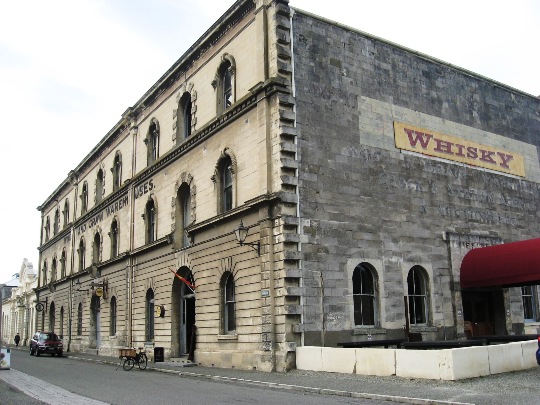
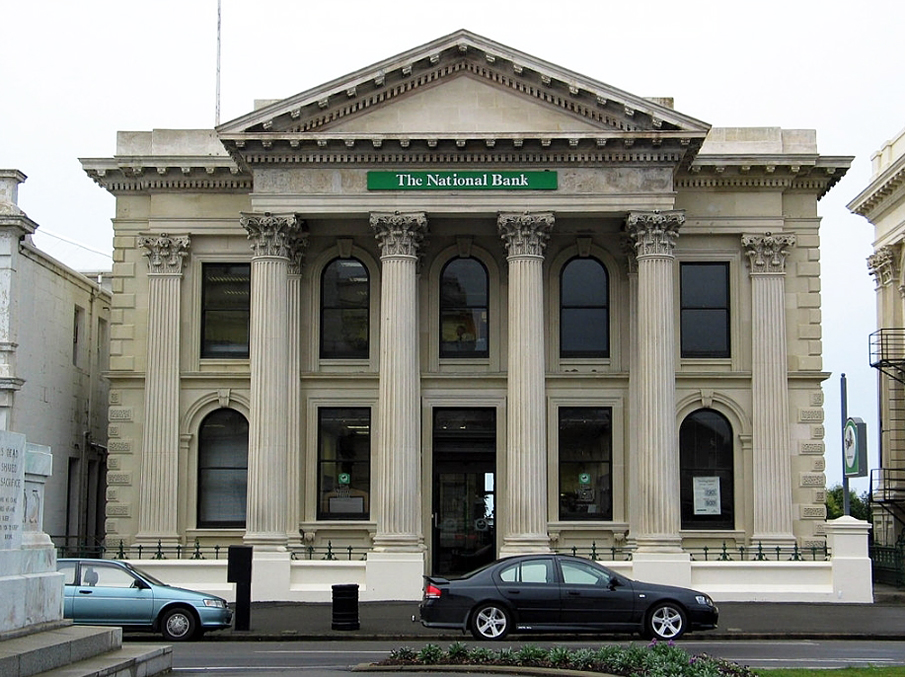
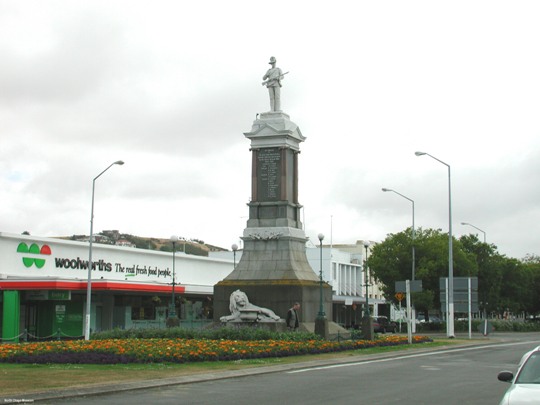
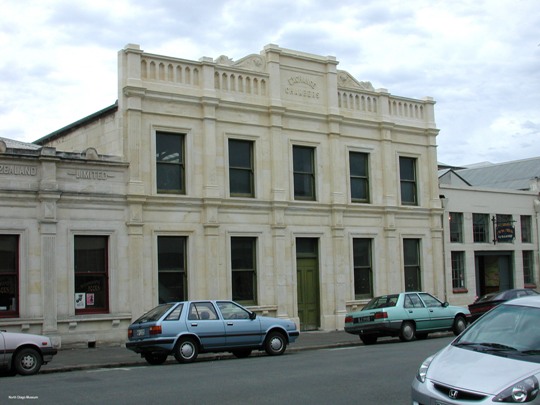
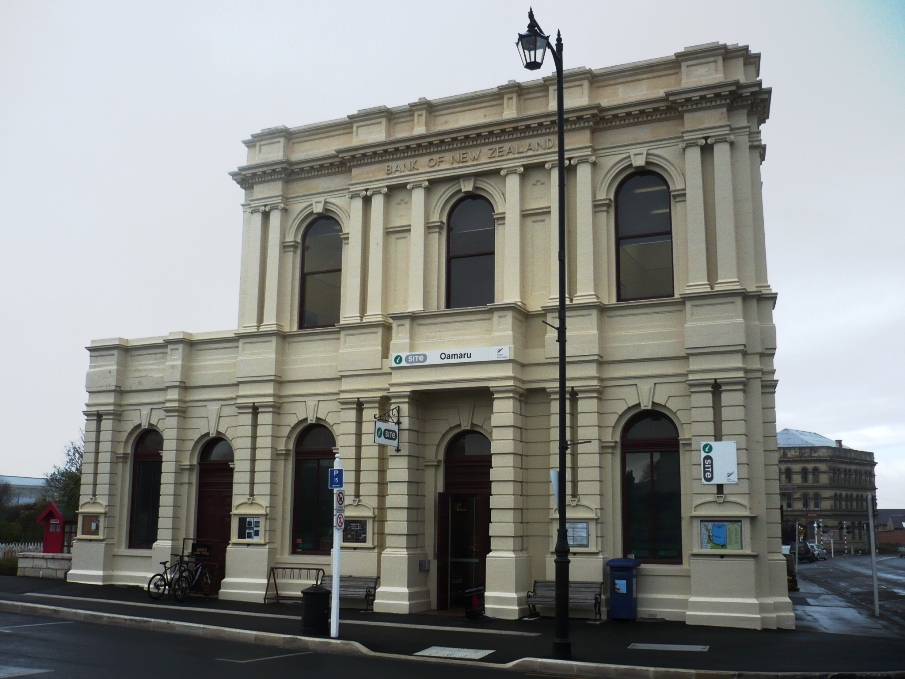
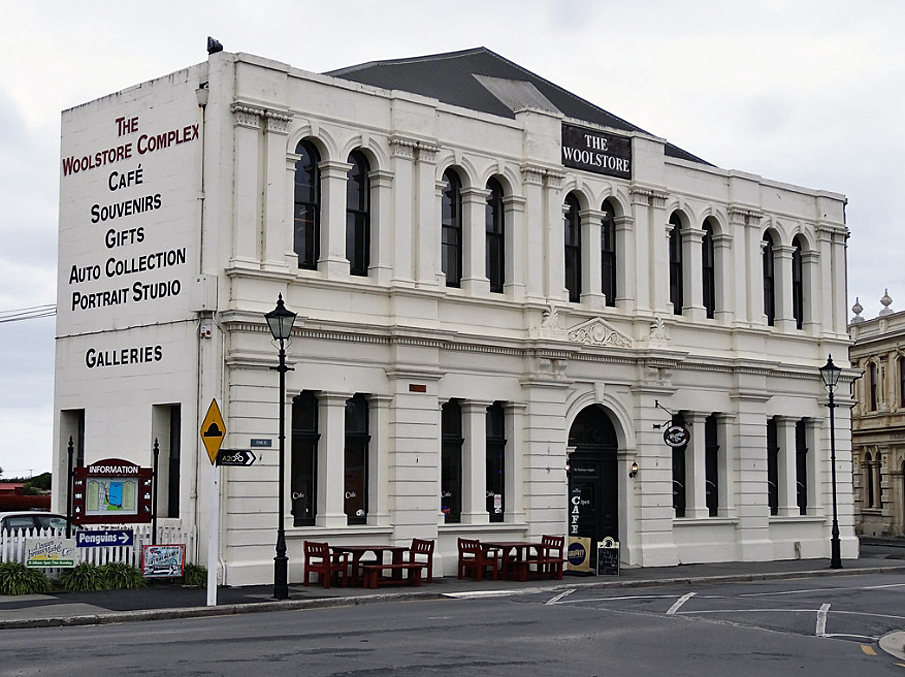
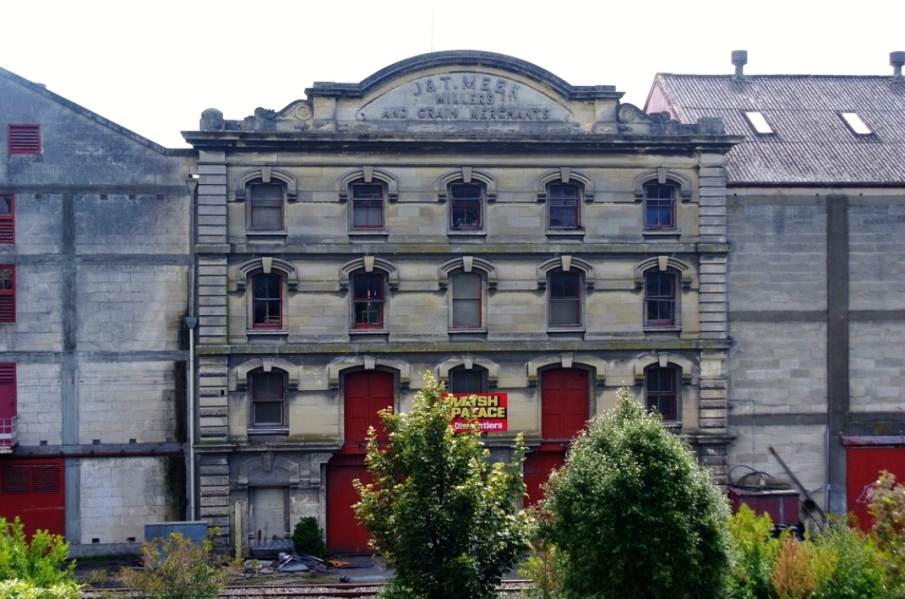
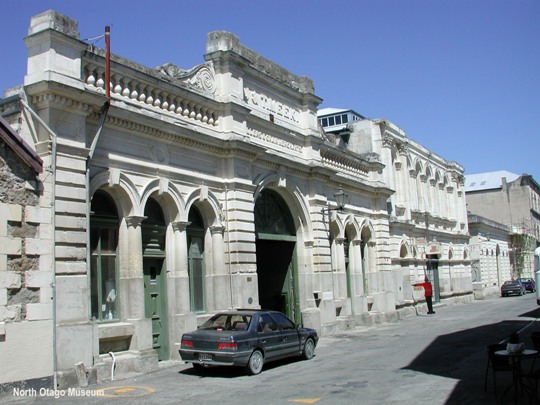
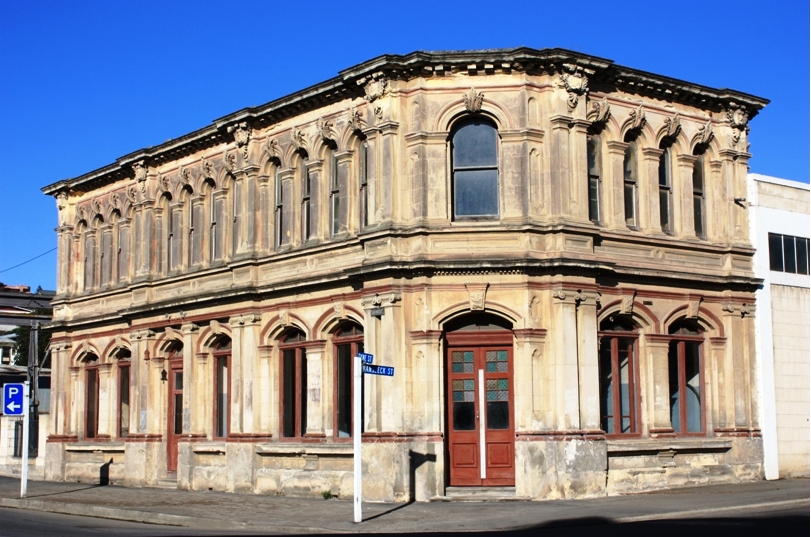
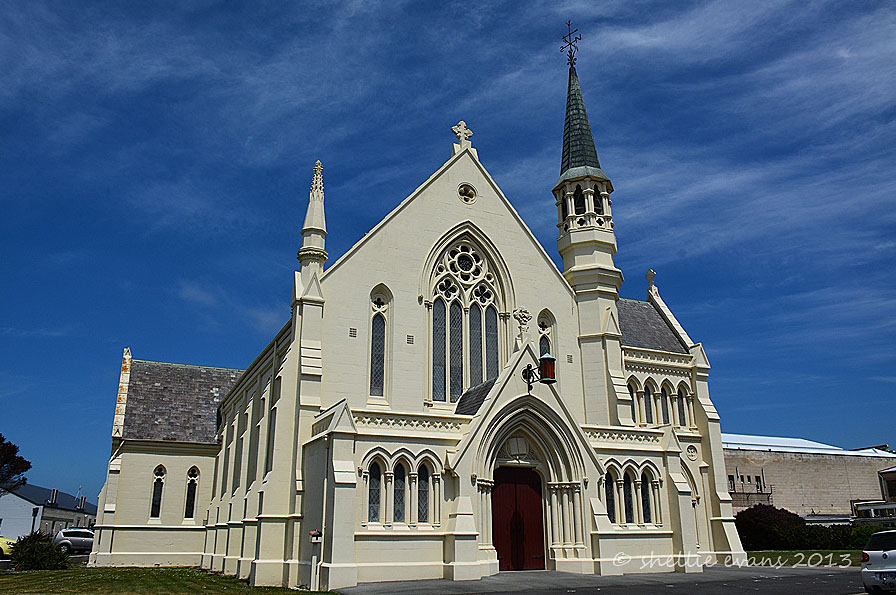
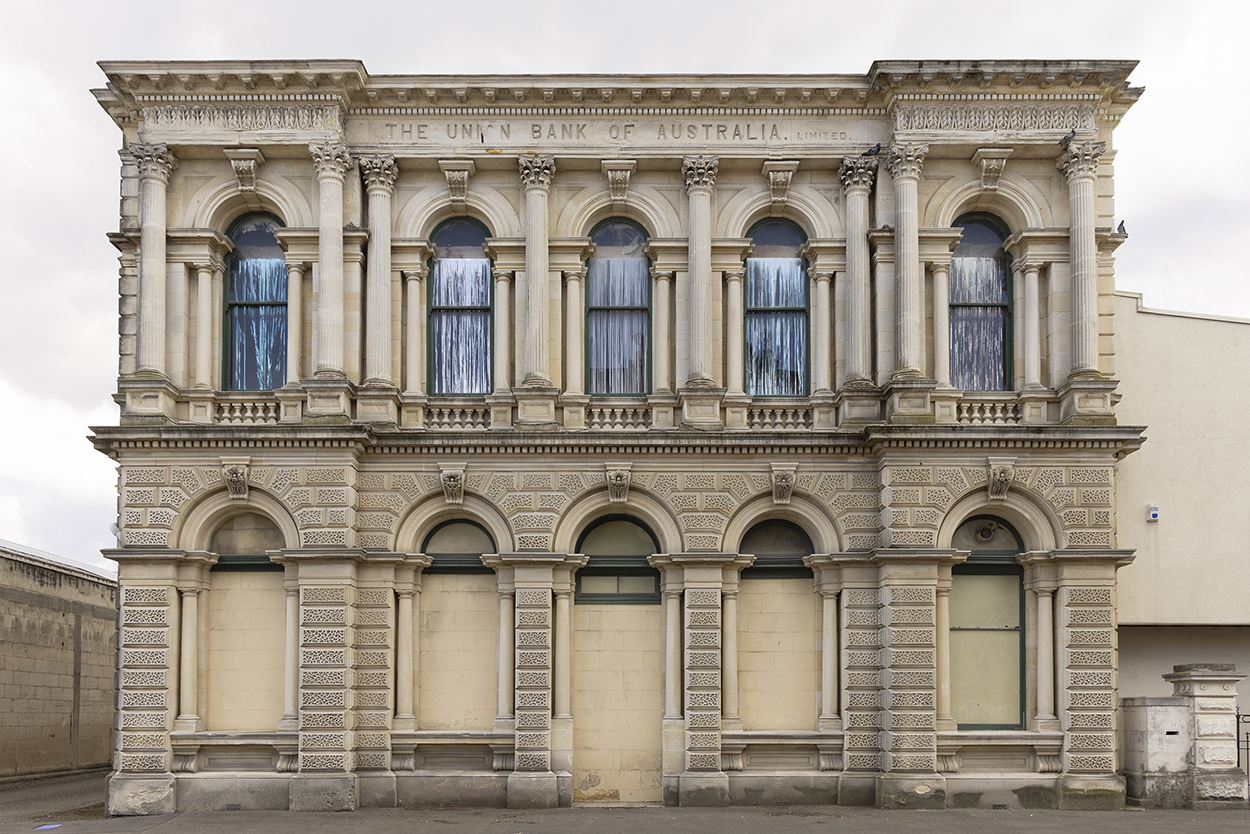
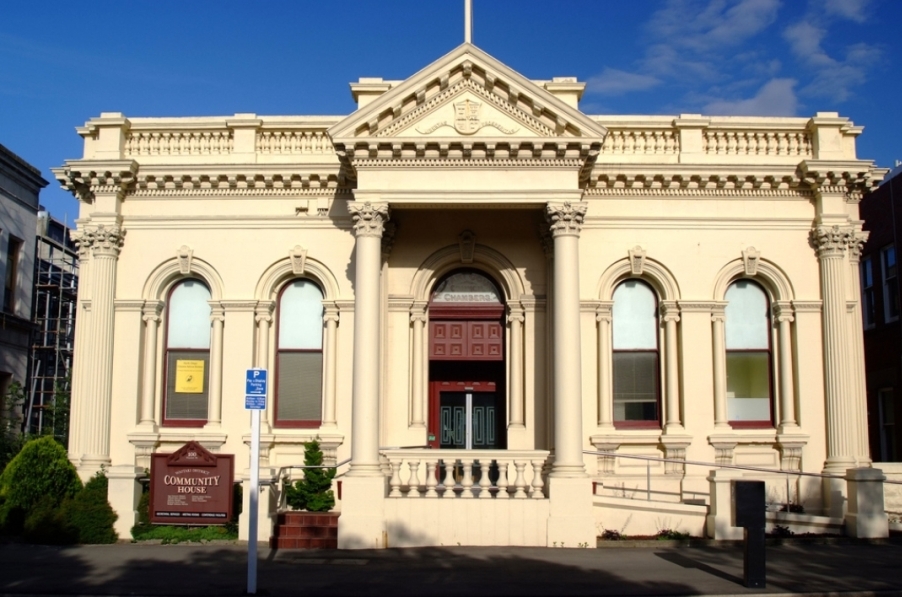
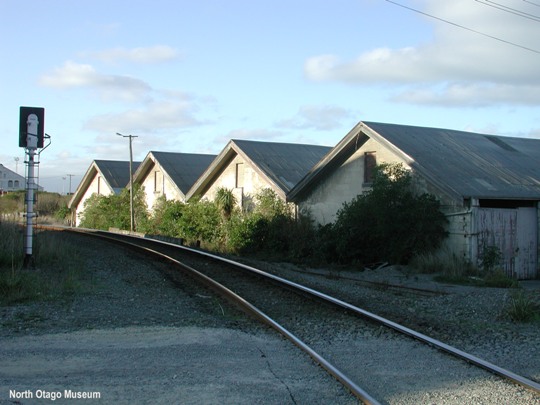
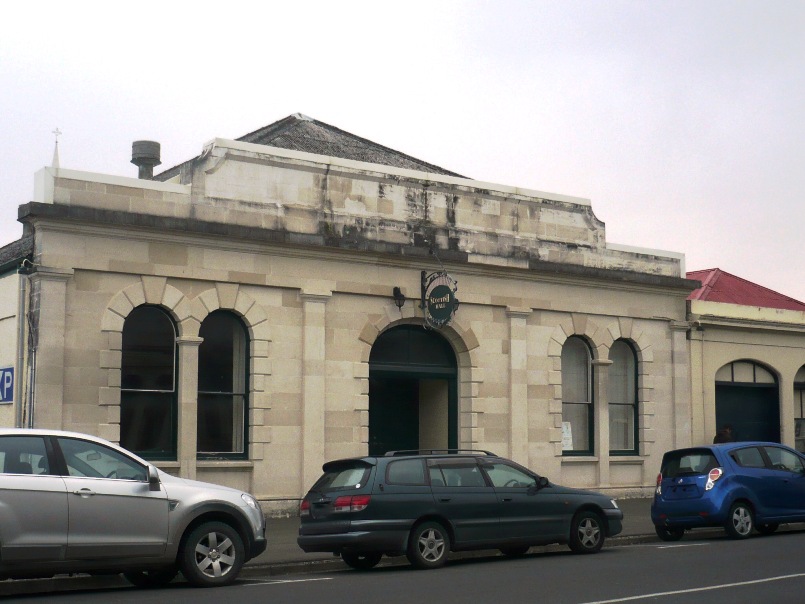
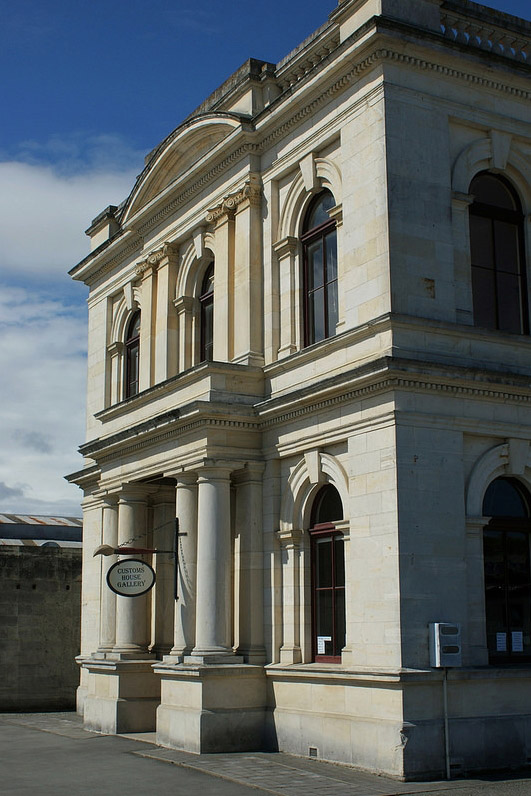
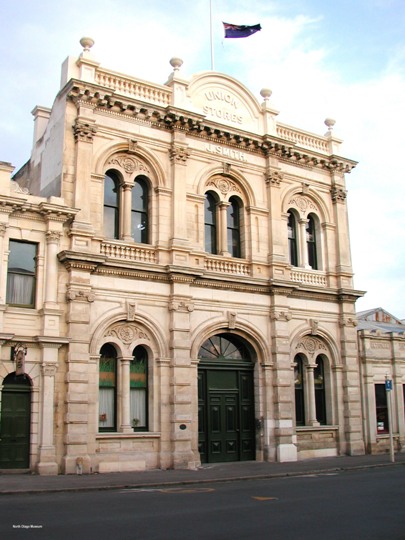
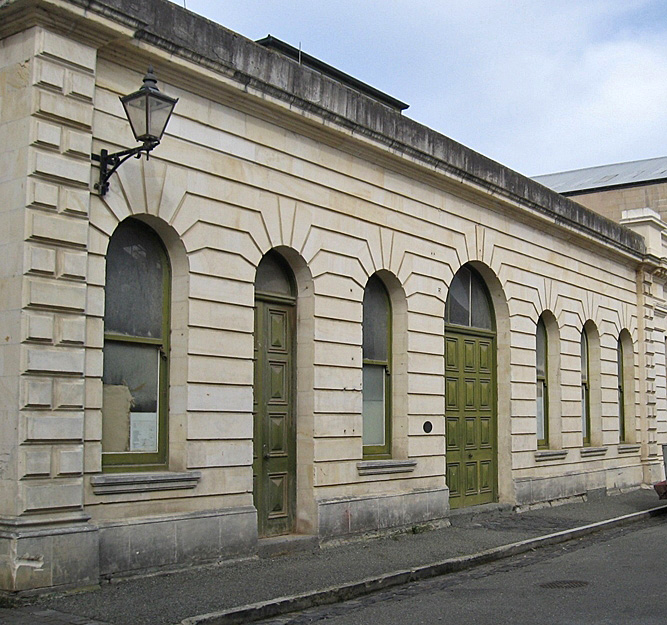
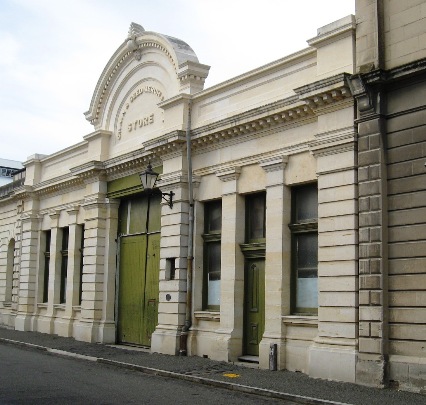
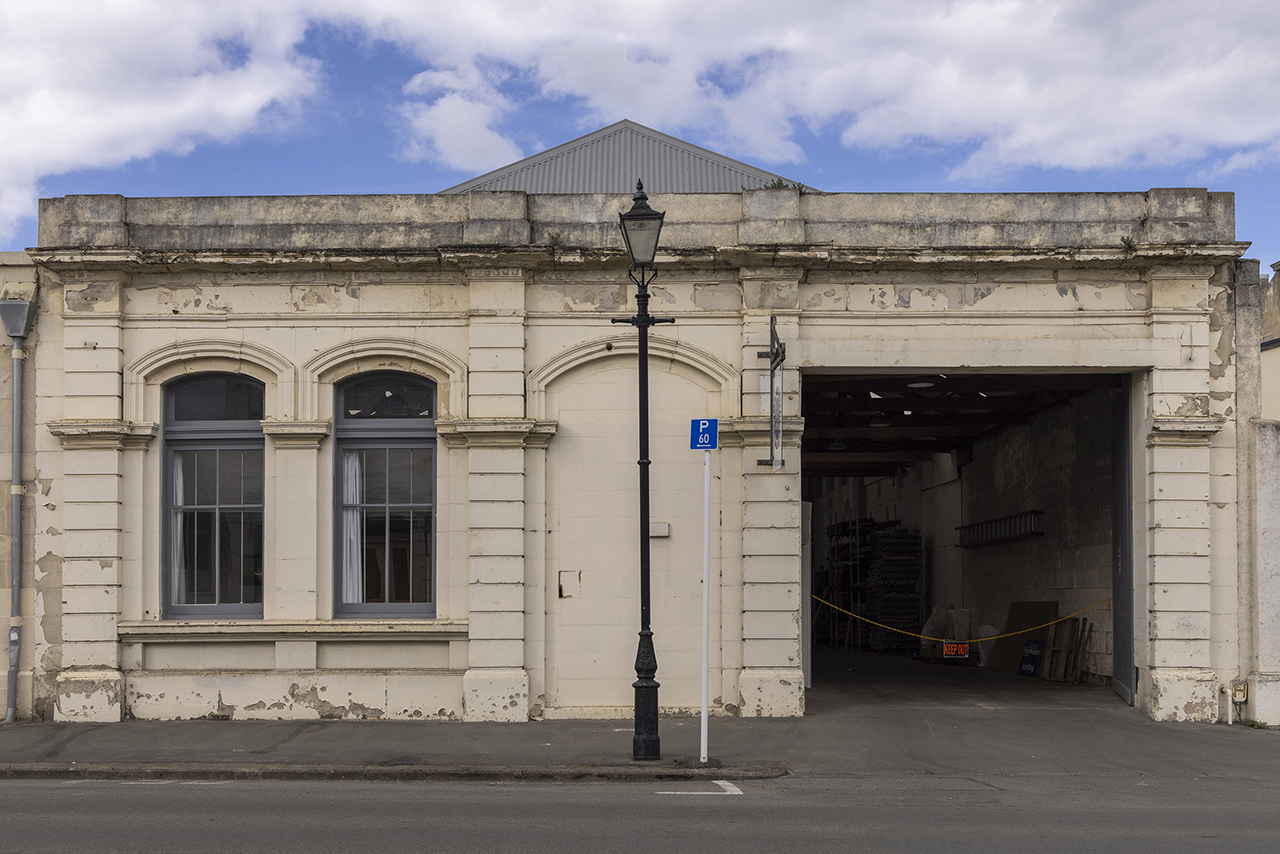
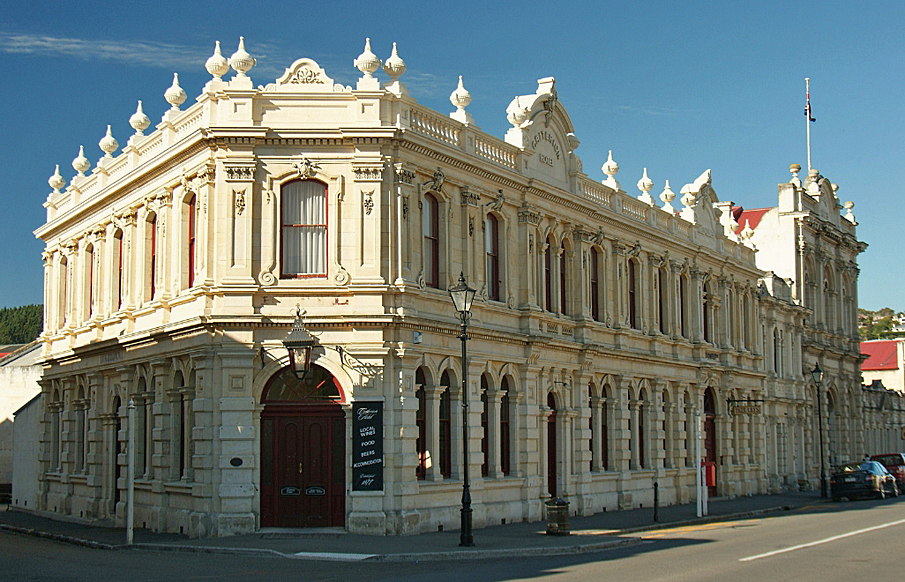
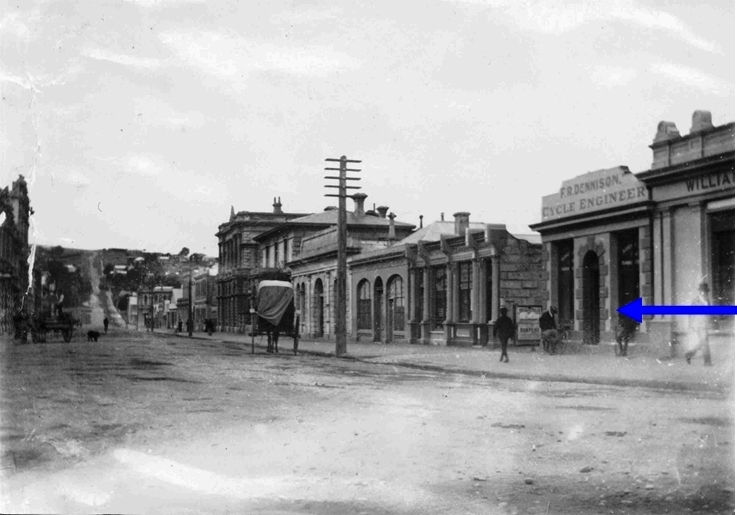
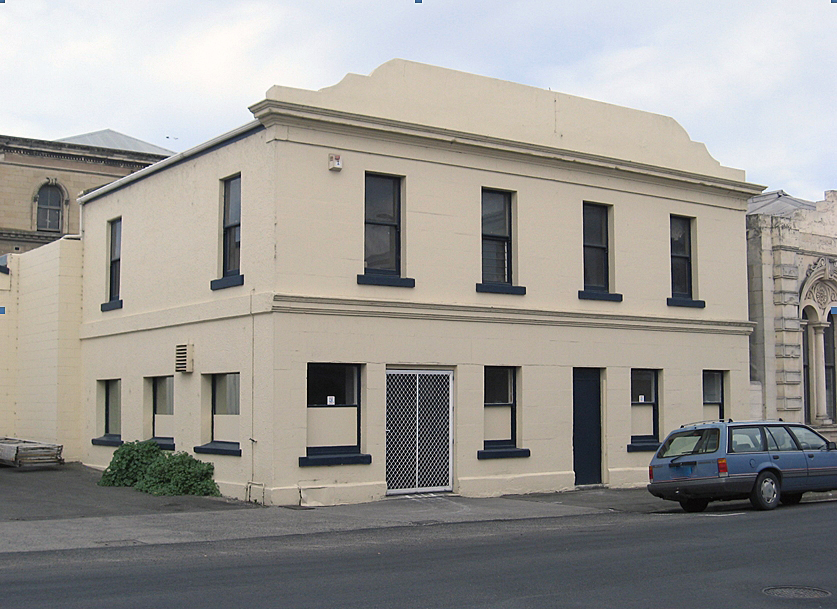
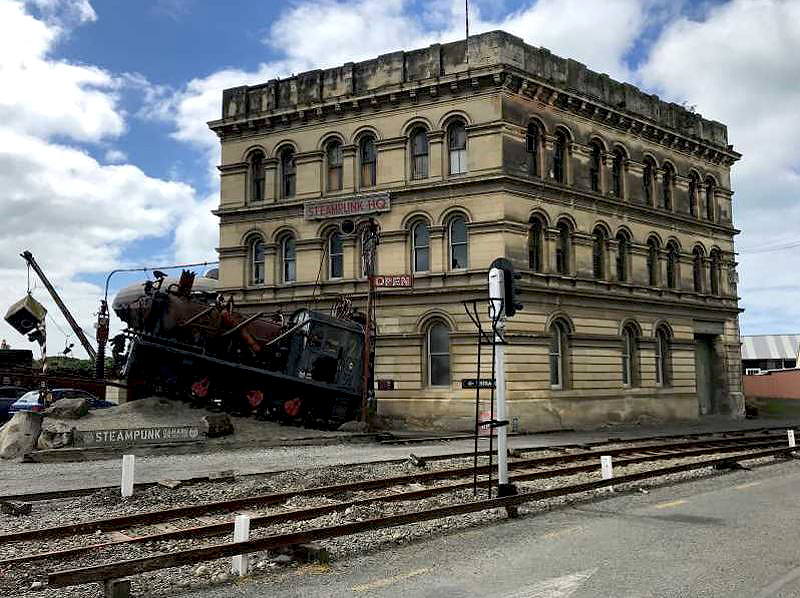
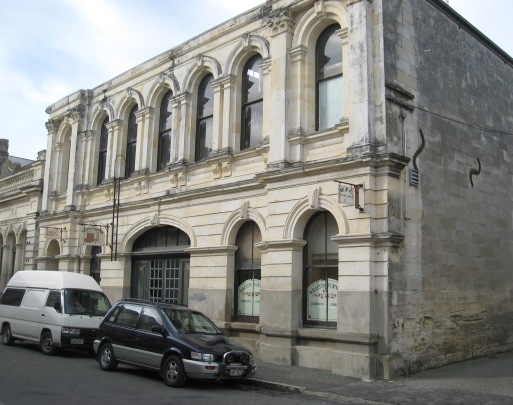
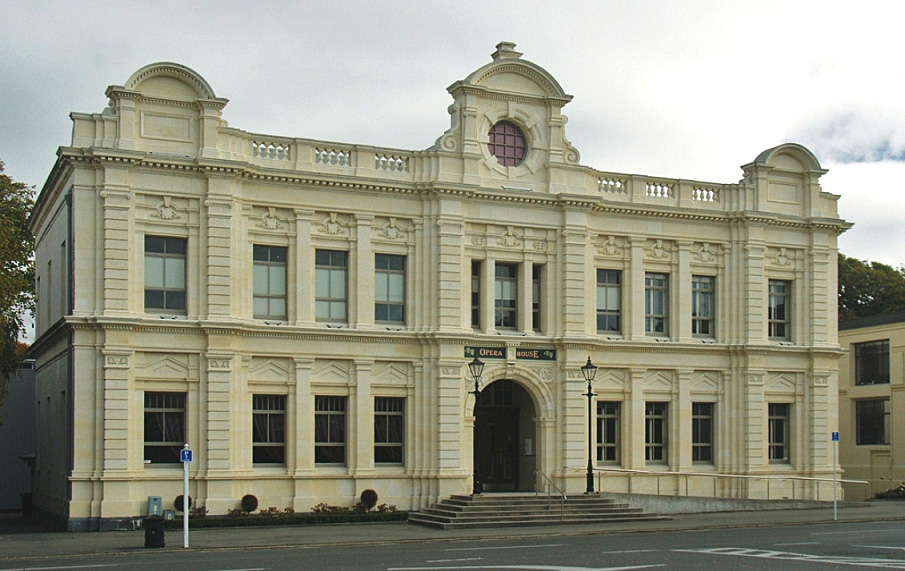
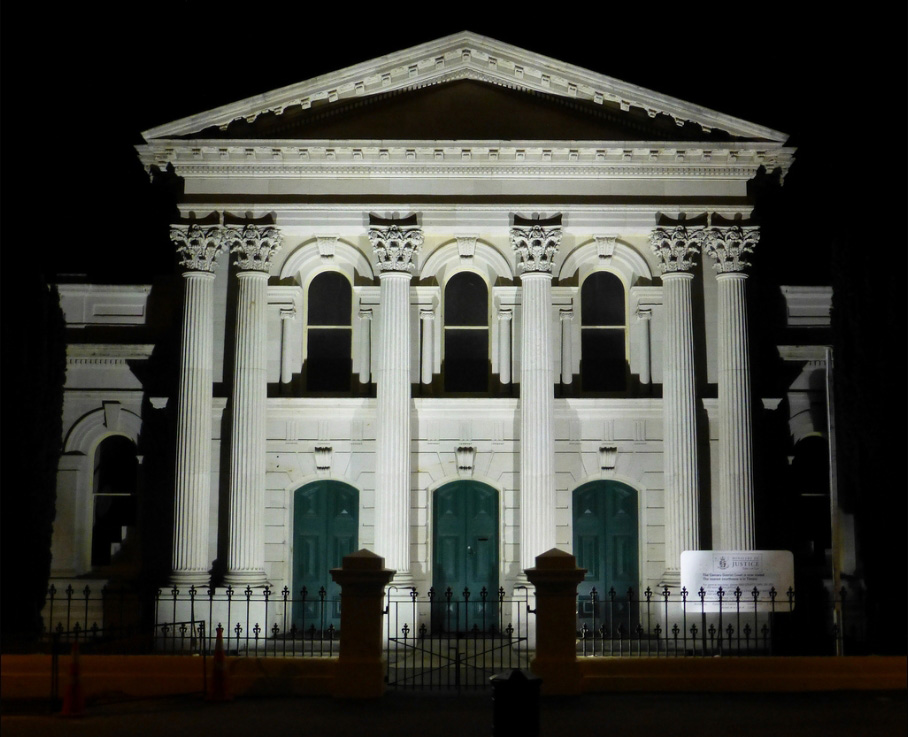
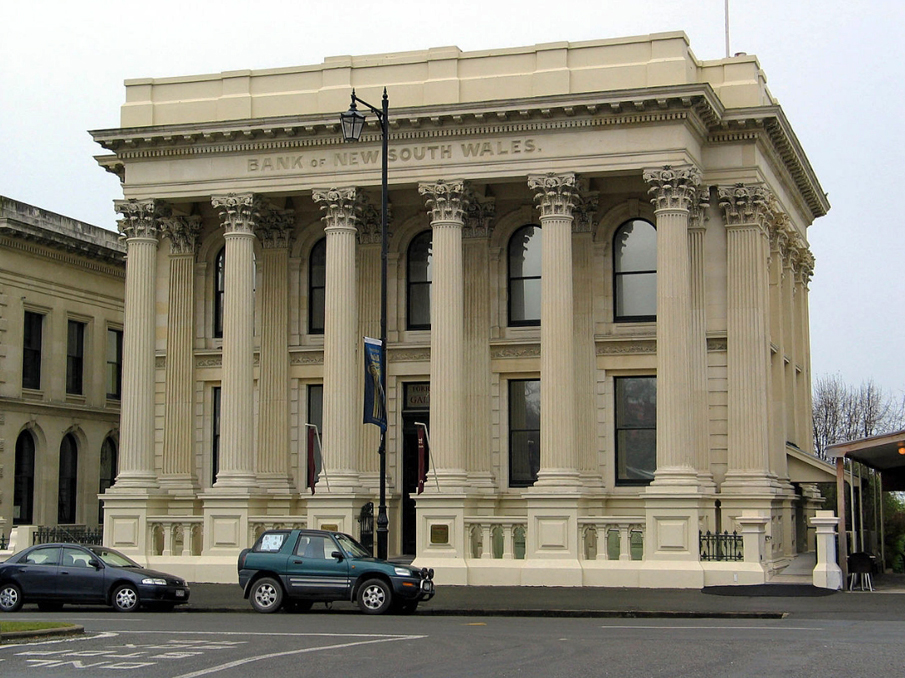
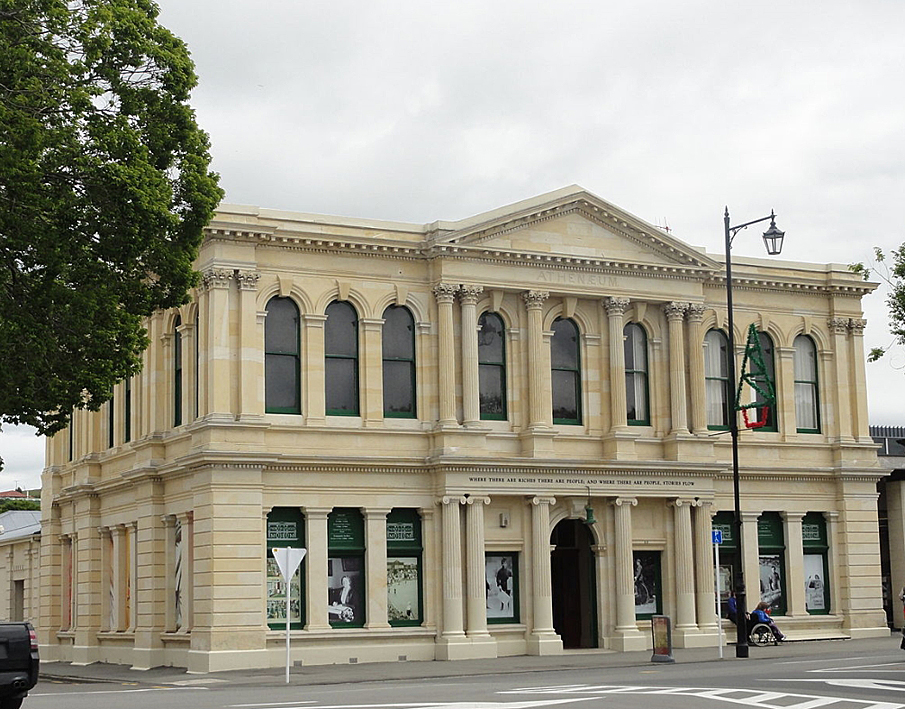
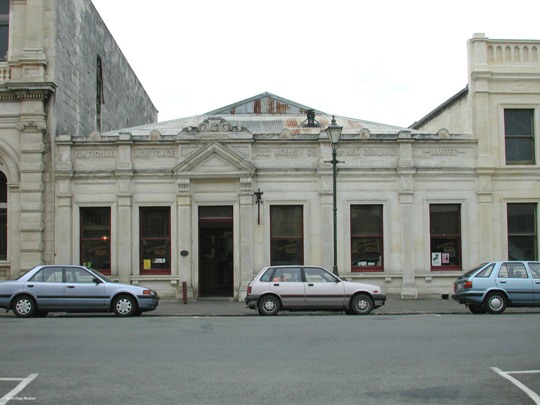
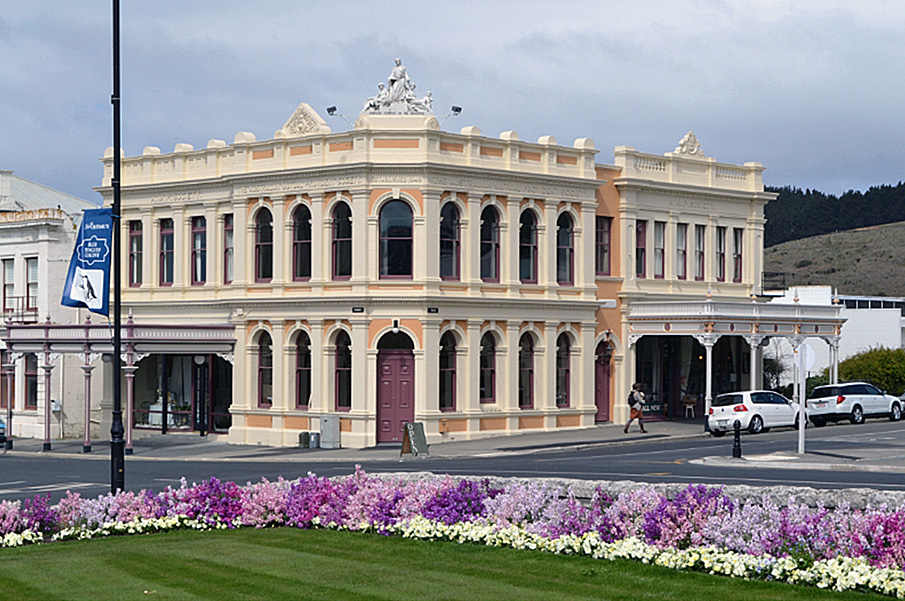
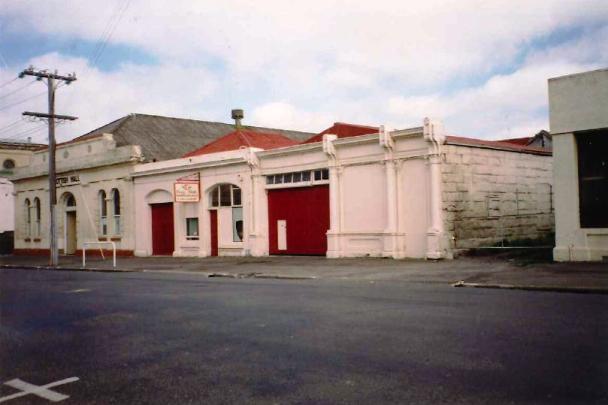
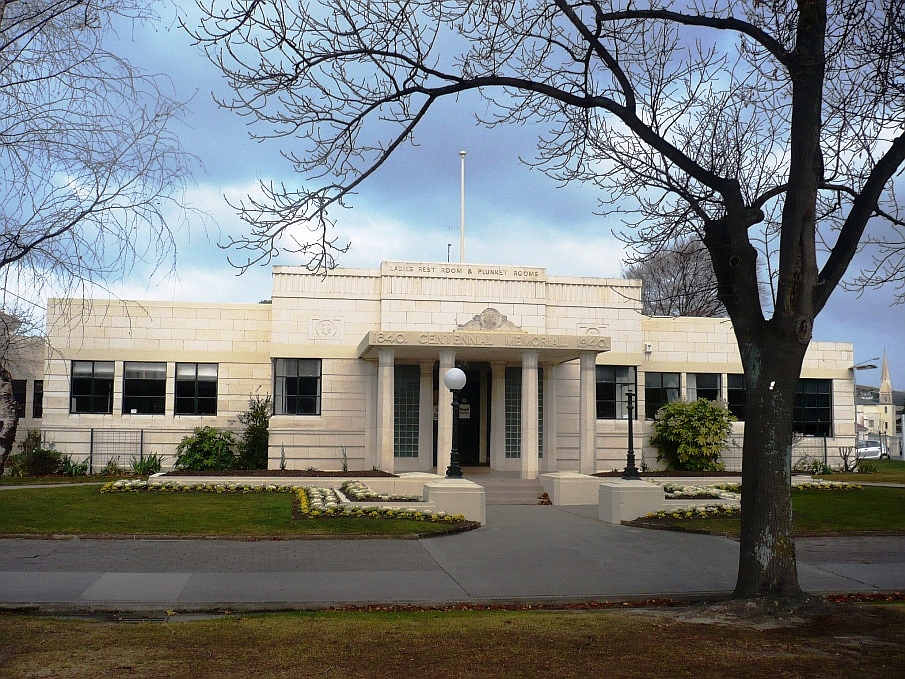
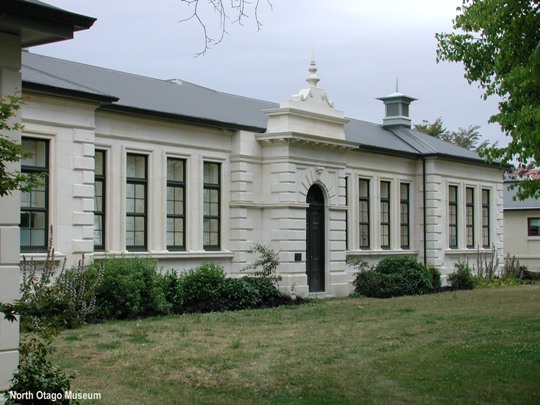
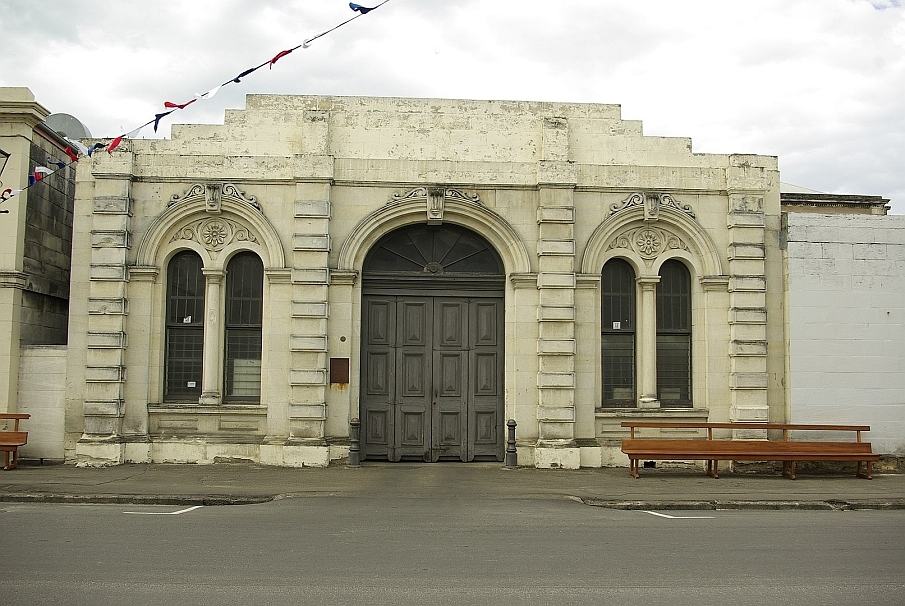
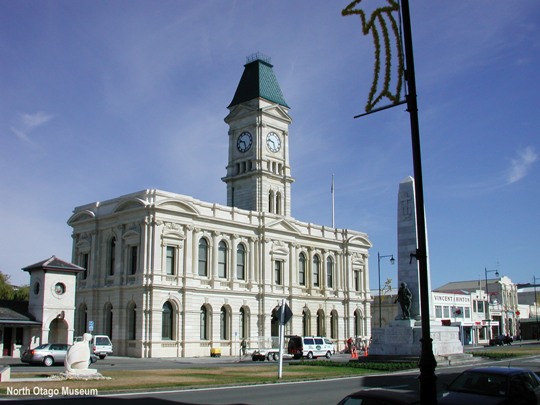
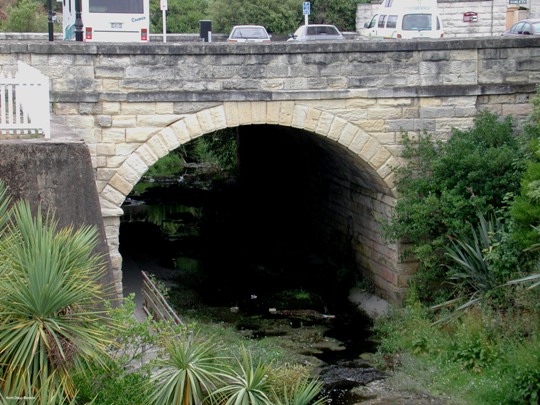
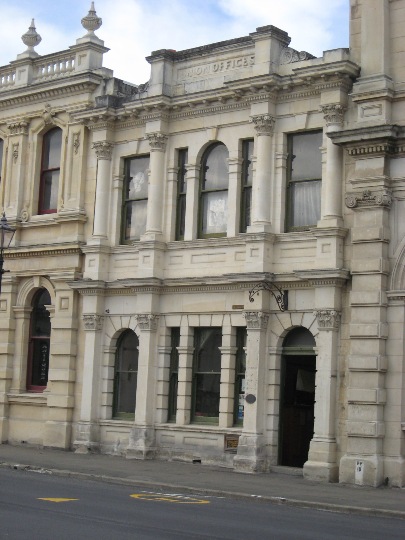
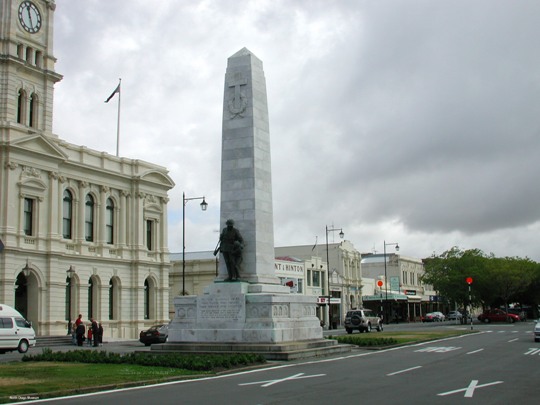
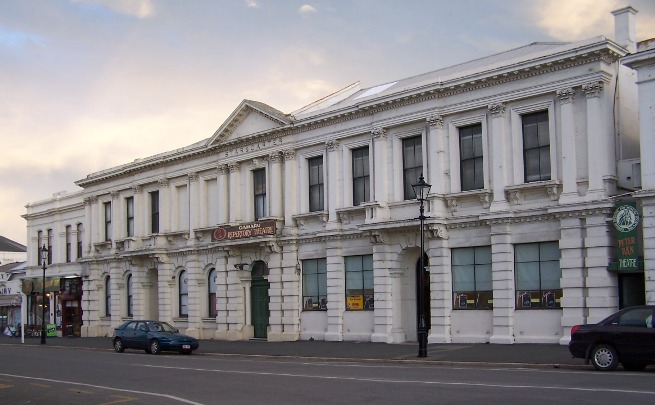
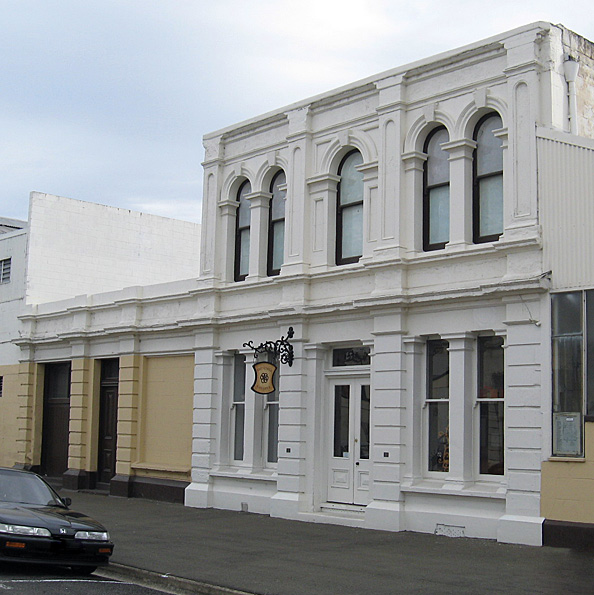
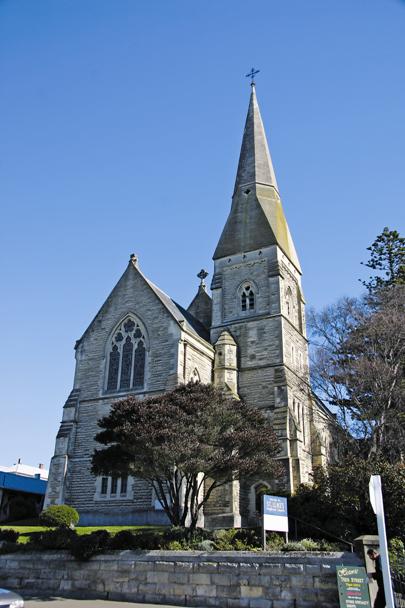
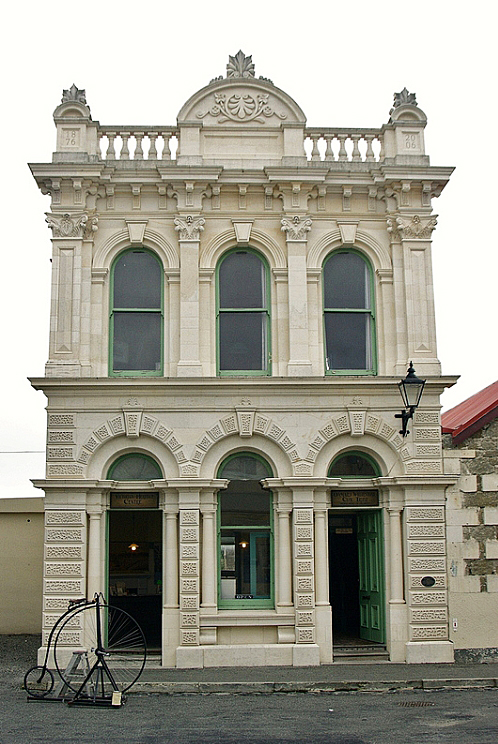
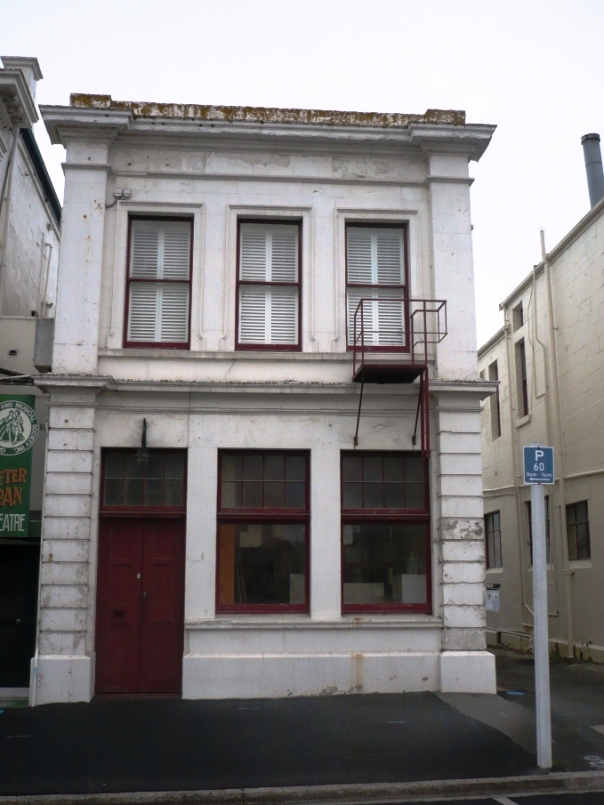
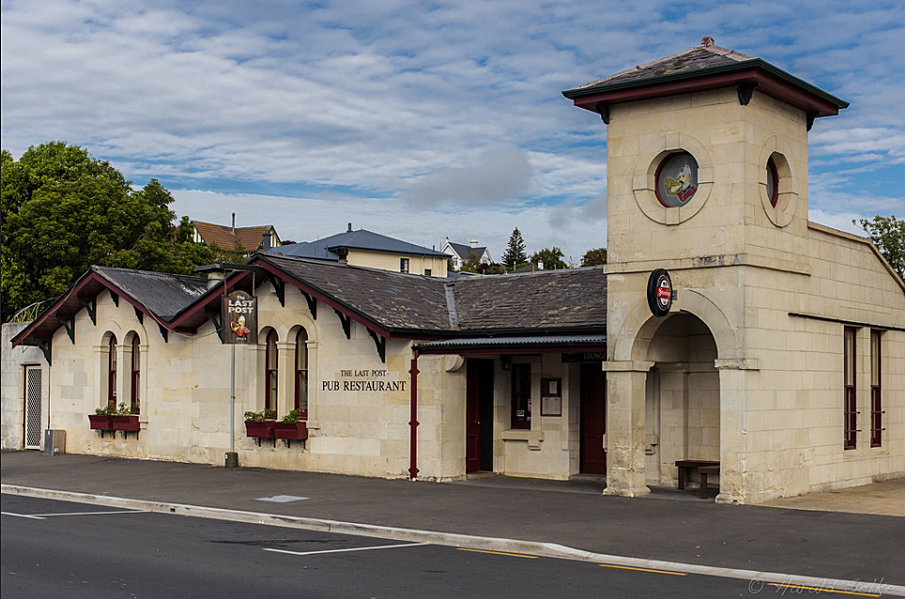
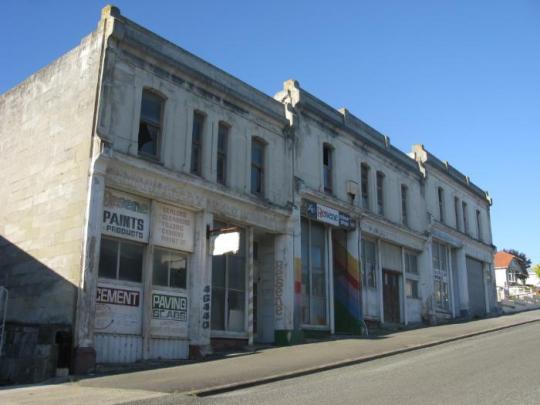
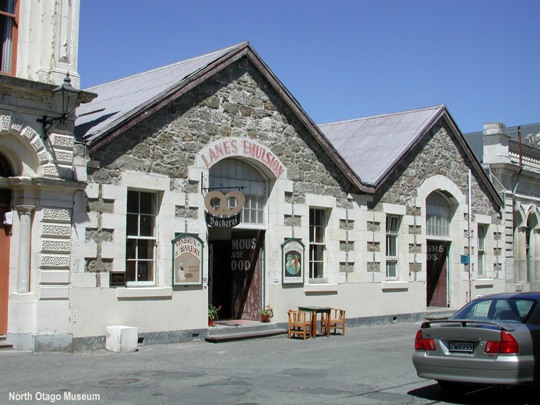
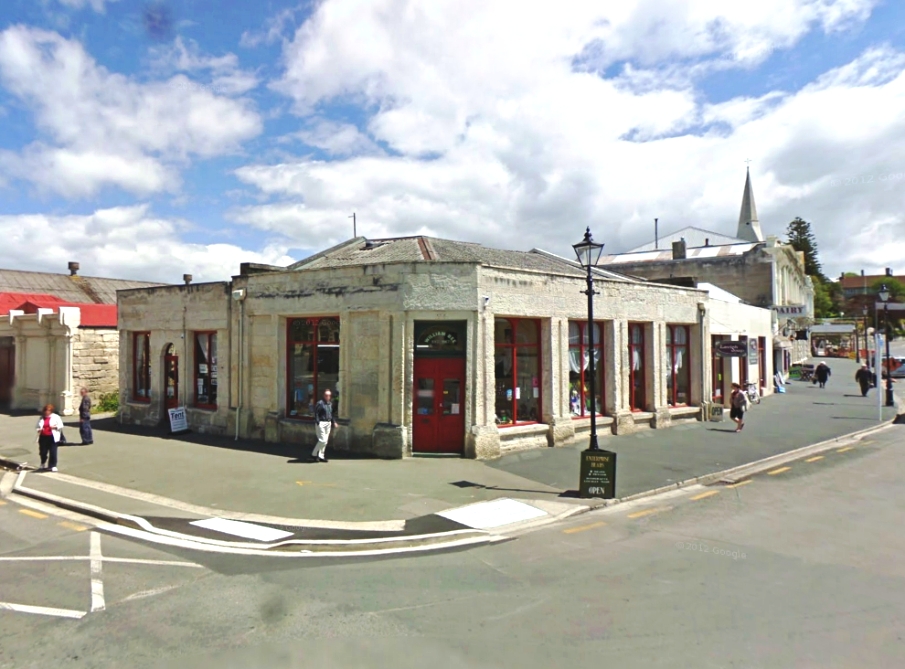
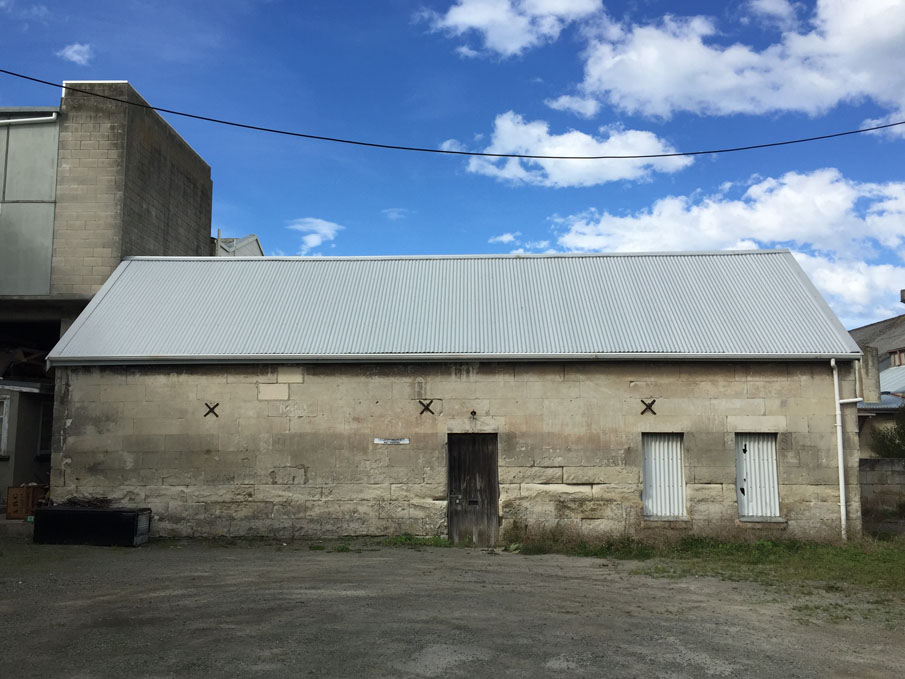
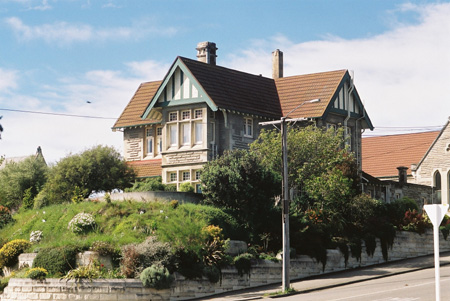
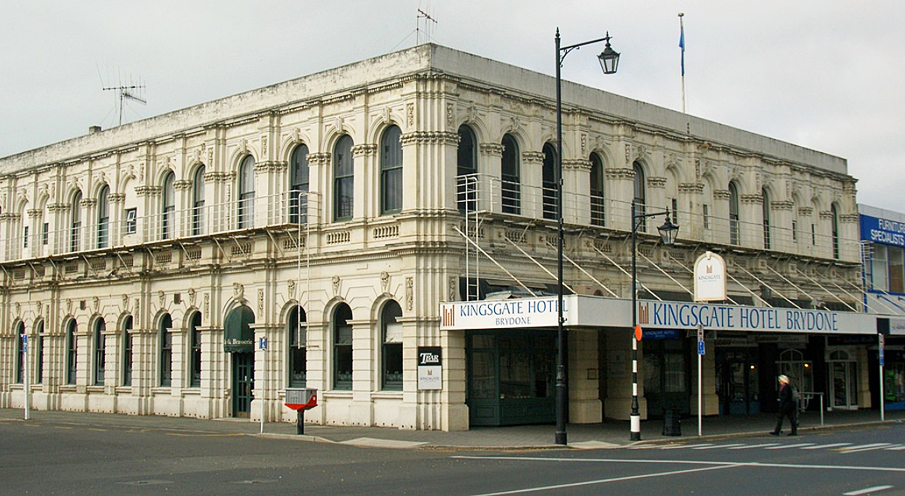
Get the latest heritage news, features and events delivered
straight to your inbox.
